 Func Eats

Introduction to Nutrition Strategies for Sleep Optimization
Quality sleep is foundational to physical recovery, cognitive function, and emotional well-being, yet millions experience insomnia or fragmented rest nightly. Custom nutrition plans provide a sustainable, non-pharmaceutical pathway to better sleep by synchronizing food intake with circadian rhythms and optimizing hormone production such as melatonin and cortisol. In 2026, targeted diets focus on precise nutrient timing and combinations that support the body’s internal clock rather than relying on generic advice. This guide delivers in-depth strategies for readers searching for natural solutions, covering essential nutrients, meal scheduling, dietary pitfalls to avoid, and fully customizable meal frameworks. By addressing both the science and practical application, these approaches help transform restless nights into restorative sleep through everyday food choices.
The Science of Nutrition, Circadian Rhythms, and Hormone Regulation
The circadian rhythm governs sleep-wake cycles through signals from the brain’s suprachiasmatic nucleus. Nutrition influences this system via the gut-brain axis and direct effects on neurotransmitters. Tryptophan from protein sources converts to serotonin and then melatonin, while magnesium modulates GABA activity for relaxation. Chronic misalignment from poor eating habits elevates cortisol at night, delaying sleep onset. Studies from the National Institutes of Health confirm that consistent nutrient patterns can advance or delay melatonin peaks by up to two hours, offering a powerful lever for those with delayed sleep phase syndrome or shift-work challenges.
Essential Nutrients for Melatonin Production
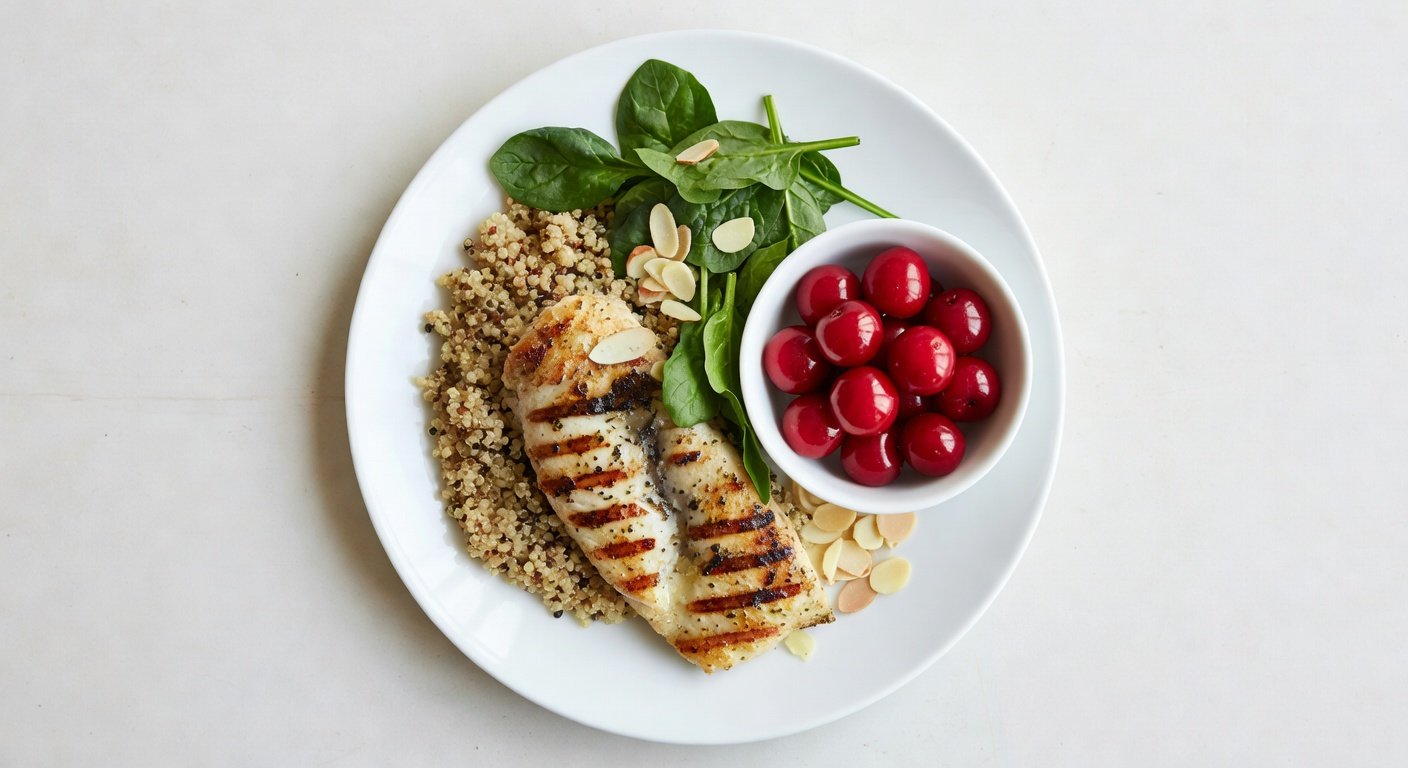
Prioritize foods delivering synergistic compounds. Tryptophan-rich options include turkey, eggs, pumpkin seeds, and oats. Pair them with complex carbohydrates like sweet potatoes to facilitate blood-brain barrier crossing. Magnesium sources such as spinach, almonds, and avocados aid muscle relaxation and reduce nighttime awakenings. Tart cherries supply natural melatonin alongside vitamin C and polyphenols. Omega-3 fatty acids from salmon and walnuts support cell membrane fluidity in the pineal gland. Vitamin B6 from chickpeas and bananas accelerates the conversion pathway. Aim for daily targets through whole foods: 30-40 grams of magnesium-rich produce, one serving of fatty fish, and a handful of nuts in the evening window.
Strategic Meal Timing for Circadian Alignment
Front-load calories earlier to match metabolic peaks. Consume breakfast within one hour of waking to anchor the rhythm, followed by a balanced lunch. Finish the final meal three to four hours before bedtime to allow complete digestion and prevent core body temperature elevation. Evening snacks should remain under 200 calories and emphasize tryptophan plus magnesium without heavy fats or proteins that prolong gastric emptying. This timing supports natural melatonin rise around 9-10 PM for most adults while avoiding insulin spikes that suppress hormone release.
Identifying and Avoiding Dietary Disruptors
Common offenders include refined sugars causing nocturnal hypoglycemia, alcohol fragmenting REM cycles, and caffeine lingering in the system for eight hours. Spicy foods and high-fat late meals trigger reflux and discomfort. Processed snacks high in artificial additives can inflame the gut lining, indirectly disturbing sleep architecture. Replace these with anti-inflammatory alternatives such as herbal teas, cucumber slices, or a small bowl of cherries to maintain stable blood sugar and promote parasympathetic activation before bed.
Building a Custom Nutrition Plan: Step-by-Step Process
1. Log current sleep metrics and food intake for seven days using a simple notebook or app. 2. Calculate personal macronutrient needs based on activity level and body weight. 3. Map meal times to your specific bedtime and wake time. 4. Select 8-10 staple foods rich in target nutrients and rotate them to prevent boredom. 5. Introduce changes incrementally over two weeks. 6. Reassess weekly and tweak portions or timing according to energy and sleep quality feedback. Personalization accounts for dietary restrictions, such as vegetarian adaptations using legumes and fortified plant milks.
Sample 7-Day Meal Plan for Sleep Optimization
Each day includes breakfast, lunch, dinner, and one optional evening snack timed appropriately. Day 1: Oatmeal with almonds, banana, and pumpkin seeds; quinoa salad with chickpeas, spinach, and olive oil; baked salmon with sweet potato and broccoli; evening option of tart cherry tea. Day 2: Eggs with avocado toast; lentil soup with carrots and kale; turkey meatballs over zucchini noodles; small handful of walnuts. Days 3 through 7 rotate similar themes with variations like mackerel, kiwi fruit, or herbal infusions while maintaining consistent timing and nutrient density. This structure delivers approximately 25-30 grams of tryptophan precursors daily alongside magnesium exceeding 350 mg from food sources.
Comparing Mediterranean and Plant-Forward Approaches for Sleep
The Mediterranean pattern excels through frequent fatty fish and extra-virgin olive oil, delivering high omega-3 and polyphenol loads that reduce inflammation linked to poor sleep. It typically yields faster improvements in sleep efficiency. Plant-forward diets emphasize legumes, nuts, and abundant vegetables, offering excellent fiber and antioxidant profiles but requiring deliberate inclusion of seeds or fortified foods to match tryptophan levels. Both outperform standard diets; Mediterranean edges ahead for hormone regulation while plant-forward provides superior gut microbiome diversity. Choose based on personal preference and sustainability, blending elements from each for optimal adherence.
Common Mistakes to Avoid When Implementing Sleep Nutrition
Over-restricting calories late in the day can elevate cortisol. Neglecting hydration leads to nighttime muscle cramps. Introducing too many changes simultaneously causes digestive upset that masks benefits. Ignoring individual chronotypes, such as night owls needing later final meals, reduces effectiveness. Always prioritize consistency over perfection and allow four to six weeks for measurable shifts in sleep architecture.
Tracking Progress and Refining Your Plan
Use objective metrics including total sleep time, sleep latency, number of awakenings, and morning alertness rated on a 1-10 scale. Wearable data or validated questionnaires provide feedback loops. Monthly reviews allow seasonal adjustments, such as increasing magnesium during high-stress periods. Successful users report 45-90 minutes longer consolidated sleep after eight weeks of adherence.
Conclusion
Custom nutrition plans centered on circadian support and targeted nutrients deliver lasting improvements in sleep quality without medication. By focusing on timing, key foods, and personalization, individuals can achieve deeper, more restorative rest aligned with 2026 evidence-based practices.
FAQ
Are supplements necessary or can whole foods suffice?
Whole foods remain superior due to synergistic compounds and better bioavailability. Supplements may serve as short-term bridges but should not replace dietary foundations for sustained results.
How soon can I expect noticeable changes?
Initial improvements in sleep onset often appear within 7-14 days, while deeper architecture changes require 4-8 weeks of consistent implementation.
Can these plans help with diagnosed insomnia?
They complement clinical care effectively but are not substitutes for professional evaluation when underlying conditions exist. Consult healthcare providers for persistent symptoms.
Is it safe to combine these diets with intermittent fasting?
Yes, when the eating window aligns with circadian principles and nutrient density stays high; monitor energy and adjust as needed.

No comments yet. Be the first!