 Func Eats
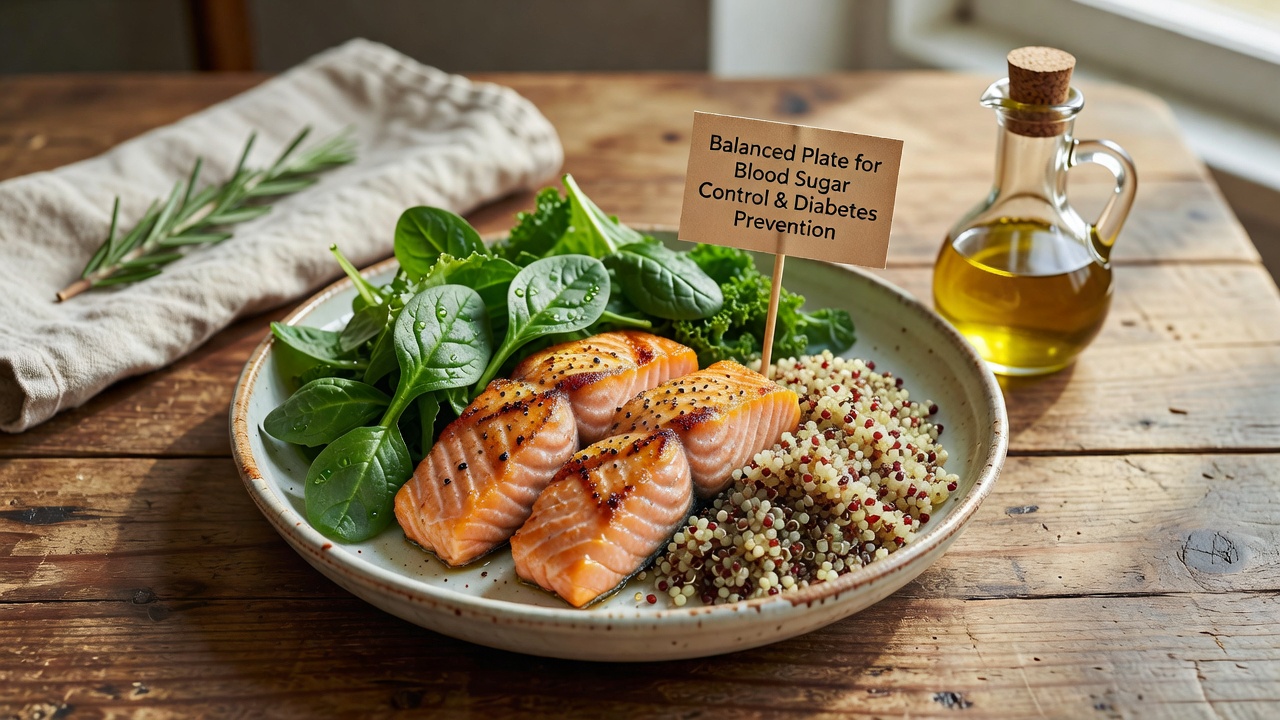
Introduction to Targeted Nutrition for Blood Sugar Control in 2026
Maintaining stable blood sugar levels is essential for preventing type 2 diabetes, and specialized nutrition strategies have evolved significantly by 2026. Goal-based eating plans now integrate precise macronutrient timing with everyday routines, backed by ongoing research from health authorities. This approach helps individuals customize their diets to reduce insulin resistance and support long-term metabolic health. With rising awareness of prediabetes, more people are seeking practical, science-backed custom nutrition plans that fit seamlessly into daily life rather than relying on generic advice.
Understanding the science behind these diets starts with recognizing how carbohydrates, proteins, and fats influence glucose responses. Practical tools like continuous glucose monitors and food tracking apps make it easier to apply these principles daily. By focusing on targeted diets, individuals can achieve measurable improvements in HbA1c levels and overall energy stability without extreme restrictions.
Key Principles of Macronutrient Timing
Effective blood sugar management relies on when you consume specific nutrients rather than just what you eat. Consuming protein and healthy fats before carbohydrates can blunt post-meal glucose spikes by up to 30 percent in some studies. For example, starting meals with vegetables and lean proteins followed by whole grains allows for steadier energy release throughout the day. This method works particularly well for busy professionals who need sustained focus without afternoon crashes.
Experts recommend spacing meals 4-5 hours apart to avoid constant insulin elevation. Evening meals should emphasize lower carbohydrate portions to support overnight glucose stability. Breakfast timing also matters; eating within two hours of waking helps regulate circadian rhythms. Additional strategies include front-loading protein at lunch and incorporating brief walks after dinner to further enhance insulin sensitivity. These timing principles form the core of modern targeted diets for diabetes prevention.
Low-Glycemic Food Swaps for Everyday Meals
Replacing high-glycemic foods with lower alternatives forms the foundation of targeted diets. Swap white rice for cauliflower rice or quinoa, and choose sweet potatoes over regular potatoes. Berries replace tropical fruits, while Greek yogurt stands in for sweetened dairy options. Other effective swaps include using almond flour instead of wheat flour for baking and opting for zucchini noodles over pasta. These changes reduce glycemic load while preserving satiety and flavor.
Here is a practical list of common swaps to implement immediately:
- White bread → sprouted grain or flaxseed bread
- Sugary cereals → steel-cut oats with cinnamon
- Fruit juices → whole fruits with skin
- Regular pasta → legume-based pasta
- Potato chips → roasted chickpeas or nuts
Incorporating fiber-rich vegetables at every meal further slows glucose absorption, creating sustainable habits that fit seamlessly into busy schedules. Over time, these swaps become automatic and lead to noticeable improvements in energy and weight management.
Comparing Mediterranean and Low-Carb Diets
The Mediterranean diet emphasizes olive oil, nuts, fish, and abundant produce, offering proven benefits for heart health alongside blood sugar control. In contrast, low-carb approaches restrict carbohydrates to under 130 grams daily, promoting rapid glucose stabilization through ketosis in some cases. Both strategies appear in clinical guidelines for diabetes prevention, yet they differ in sustainability and nutrient density.
Studies show both can be effective, but Mediterranean plans often prove more sustainable long-term due to variety and social compatibility. Low-carb options work well for those needing quicker results or dealing with insulin resistance. Personal factors like activity level, cultural preferences, and existing medical conditions should guide the choice between these popular methods. Many people combine elements from both for optimal outcomes.
Step-by-Step Implementation Guide
Begin by assessing your current eating patterns with a three-day food journal. Next, identify two or three high-glycemic items to swap using the list above. Gradually introduce macronutrient timing by planning protein-first meals. Track progress weekly with a glucose monitor or app, adjusting portions as needed. Finally, schedule consistent movement, such as 30-minute walks, to reinforce dietary efforts. This structured approach minimizes overwhelm while building lasting habits.
7-Day Meal Framework Example
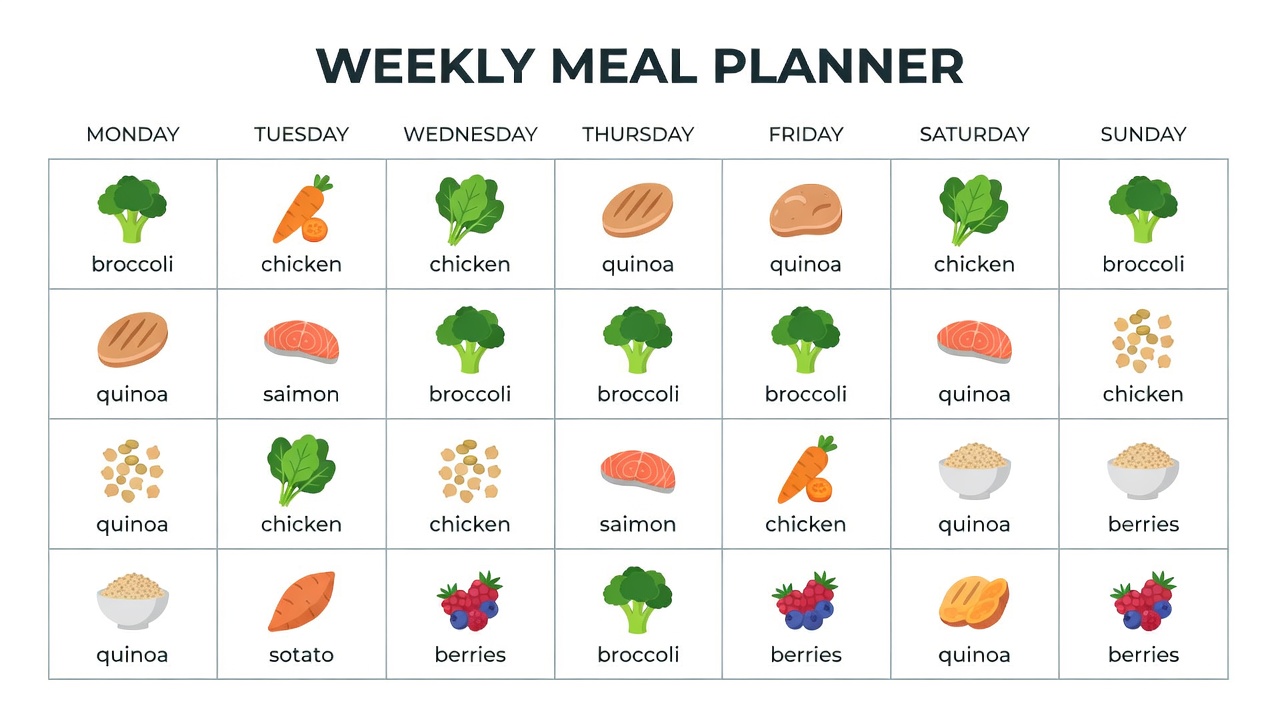
Here is a practical 7-day structure for blood sugar stability. Day 1: Breakfast of eggs with spinach and avocado; lunch of grilled chicken salad with olive oil dressing; dinner of baked salmon with broccoli and a small quinoa portion. Day 2 focuses on Greek yogurt parfaits with berries, lentil vegetable soup, and turkey stir-fry with zucchini. Day 3 includes overnight oats with chia seeds, tuna salad wraps in lettuce, and grilled tofu with asparagus. Continue through the week alternating proteins like turkey, tofu, and fish while prioritizing non-starchy vegetables and healthy fats.
Snacks include a handful of almonds or cheese in moderation. Adjust portions based on individual calorie needs and monitor responses with a glucose meter. This framework provides variety while keeping glycemic loads low and supports consistent energy across the full week.
Monitoring Tools and Lifestyle Integration
Modern tools such as apps from established health organizations help track meals and glucose trends effectively. Pairing diet with consistent physical activity, stress management, and quality sleep amplifies results. Walking after meals is a simple habit that enhances insulin sensitivity by 20-30 percent. Stress reduction techniques like meditation or deep breathing prevent cortisol-driven glucose spikes. Sleep hygiene, including consistent bedtimes, supports hormonal balance critical for blood sugar regulation.
Integrate these changes gradually to build lasting routines. Regular check-ins with healthcare providers ensure the plan remains aligned with personal health markers and allow for timely adjustments.
FAQs on Supplements and Common Concerns
- Which supplements support blood sugar? Chromium and berberine show promise in recent research, but consult a doctor first before starting any regimen.
- Can these diets prevent diabetes entirely? They significantly lower risk when combined with lifestyle factors, according to World Health Organization guidelines.
- How do I handle dining out? Focus on protein-first ordering and vegetable sides while avoiding sugary beverages.
- What about alcohol? Limit intake and always pair with food to minimize glucose fluctuations.
- Are there age-specific considerations? Older adults may benefit from slightly higher protein targets to preserve muscle mass.
Additional questions often involve hydration goals of at least eight glasses daily and the role of strength training twice weekly. Resources from Centers for Disease Control and Prevention provide further evidence-based support for long-term success.
Conclusion
Targeted diets for 2026 offer powerful, customizable strategies for blood sugar stability and diabetes prevention. By focusing on timing, smart swaps, and proven comparisons, individuals can achieve meaningful health improvements through sustainable daily practices. Consistent application of these principles leads to better metabolic outcomes and reduced risk of type 2 diabetes over time.

No comments yet. Be the first!