 Func Eats

Introduction to Fertility-Focused Nutrition in 2026
Fertility optimization through targeted nutrition has become a cornerstone for couples planning conception. In 2026, personalized approaches emphasize hormonal balance, egg and sperm quality, and overall reproductive health. These custom nutrition plans integrate the latest research on micronutrients and dietary patterns to support natural fertility. Many individuals now turn to goal-based eating to address specific reproductive challenges such as irregular cycles, low sperm motility, or age-related declines in egg quality.
Understanding how specific foods influence reproductive hormones allows individuals to make informed choices. This article explores essential nutrients, compares proven diets, and provides actionable steps for creating tailored plans. By focusing on whole foods and strategic timing, couples can enhance their chances of successful conception while building sustainable habits that benefit long-term wellness.
Key Nutrients for Hormonal Balance and Reproductive Health
Nutrients like folate, omega-3 fatty acids, zinc, and antioxidants play vital roles in supporting egg quality and sperm motility. Folate aids in DNA synthesis, while zinc contributes to testosterone production and ovulation regulation. Deficiencies in these areas can lead to longer time to pregnancy or higher risks of complications.
- Folate: Found in leafy greens, legumes, and fortified grains; supports cell division during early pregnancy and reduces neural tube defect risks.
- Omega-3s: Present in fatty fish such as salmon and sardines; reduces inflammation and improves blood flow to reproductive organs while supporting embryo implantation.
- Vitamin D: Critical for hormone regulation and immune function; sources include fortified dairy, sunlight exposure, and fatty fish.
- Coenzyme Q10: An antioxidant that enhances mitochondrial function in eggs and sperm, potentially improving energy production at the cellular level.
- Iron and B vitamins: Essential for women to maintain healthy menstrual cycles and prevent anemia that can affect ovulation.
- Selenium and vitamin C: Key for men to protect sperm from oxidative damage and improve morphology and count.
Gender-specific needs also matter. Women benefit from consistent intake of these nutrients across the menstrual cycle, while men should prioritize daily sources to maintain optimal semen parameters. Blood testing can identify gaps before starting a plan.
Comparing Evidence-Based Dietary Approaches
Two prominent strategies stand out for fertility support: the Mediterranean diet and antioxidant-focused eating patterns. The Mediterranean approach prioritizes whole grains, olive oil, nuts, seeds, vegetables, and moderate fish intake. It has been linked to improved ovulation rates, better embryo quality, and reduced inflammation in multiple clinical observations.
Antioxidant-rich diets emphasize berries, dark leafy greens, green tea, dark chocolate, and colorful produce to combat oxidative stress, a known contributor to reduced fertility in both sexes. While both patterns overlap significantly, the Mediterranean diet often delivers broader cardiovascular and metabolic benefits that indirectly support reproductive function. Individuals may combine elements of each for optimal results based on personal preferences and lab results.
World Health Organization guidelines highlight balanced diets rich in fruits and vegetables for overall wellness, including reproductive outcomes. Additional insights from public health resources can help refine choices.
Gender-Specific Custom Nutrition Plans
For women, plans focus on cycle syncing with iron-rich meals during menstruation and phytoestrogen sources like flaxseeds and lentils in the follicular phase. Luteal phase emphasis shifts toward magnesium-rich foods such as pumpkin seeds and dark chocolate to ease PMS and support progesterone levels. Sample daily targets include 400 mcg folate, 1.5 grams of omega-3s, and adequate protein from plant and lean animal sources.
Men’s plans stress zinc-heavy foods such as oysters, beef, and pumpkin seeds to boost sperm parameters, alongside selenium from Brazil nuts and vitamin E from almonds. Both genders benefit from limiting processed sugars and trans fats that can disrupt hormone production. Combining these strategies with moderate protein intake ensures sustainable energy without excess weight gain that can disrupt hormones.
Step-by-Step Guide to Building Personalized Plans
- Assess baseline health through bloodwork for nutrient levels, hormone panels, and inflammatory markers.
- Identify primary goals such as hormonal balance, improved egg quality, enhanced sperm health, or overall cycle regularity.
- Select a core diet framework like Mediterranean or antioxidant emphasis, then layer in personal food preferences and cultural traditions.
- Incorporate daily targets for key nutrients using food-first strategies supplemented only when testing indicates need.
- Adjust portions and timing based on lifestyle factors including work schedules, exercise routines, and any existing medical conditions.
- Re-evaluate progress every four to six weeks using symptom tracking, cycle data, and follow-up lab tests to refine the plan further.
Sample Meal Ideas for Fertility Support
Breakfast options include Greek yogurt topped with mixed berries, chia seeds, and walnuts for a boost of antioxidants and omega-3s, or overnight oats made with flax milk, spinach, and banana.
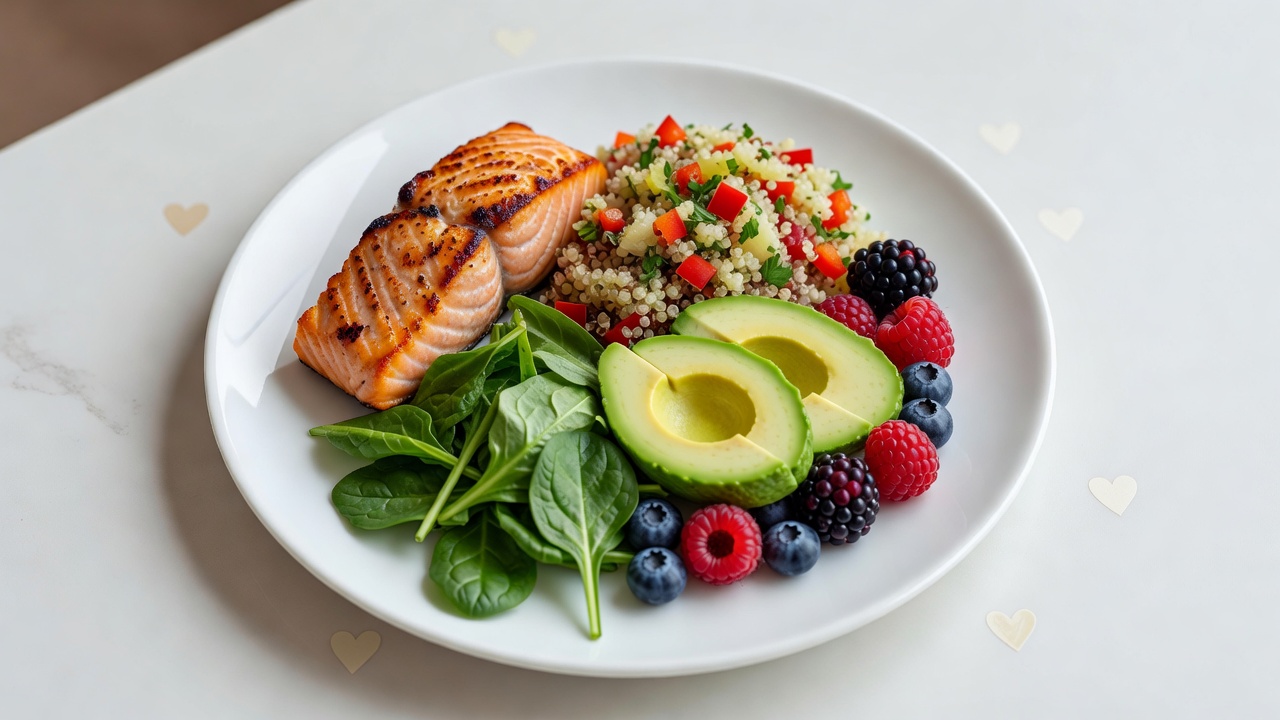
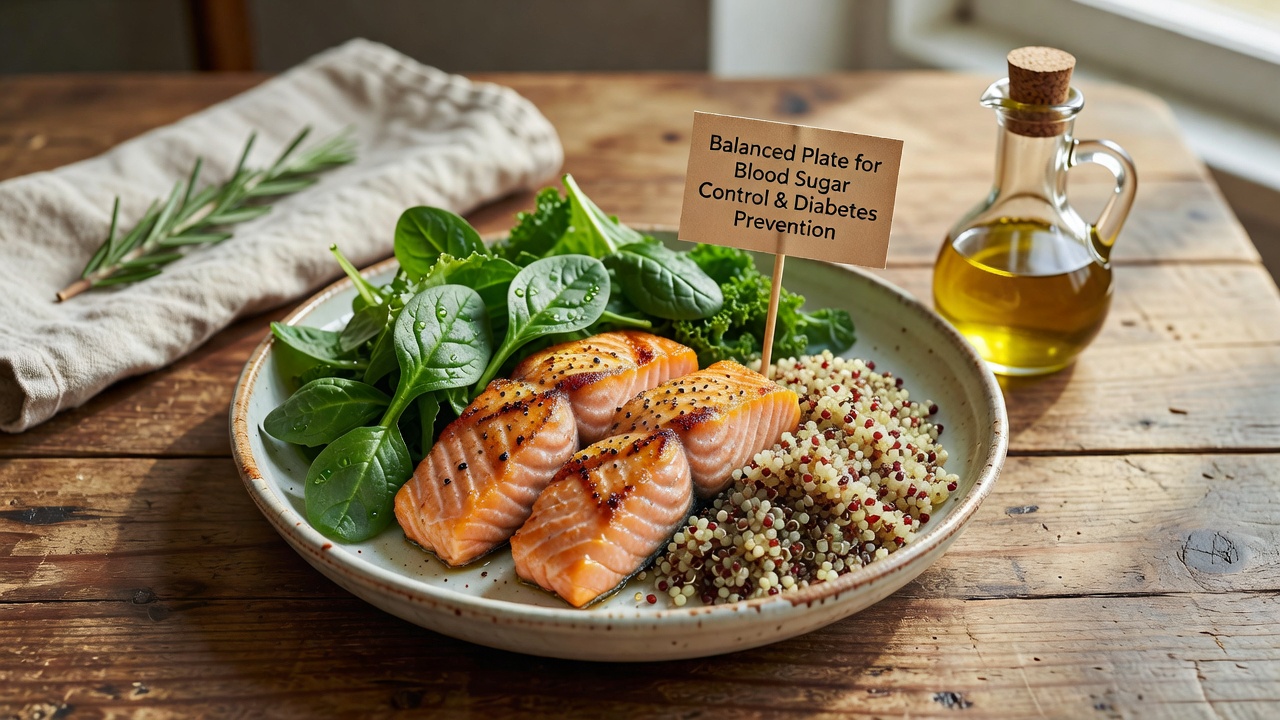
Lunch ideas feature grilled salmon over quinoa with spinach, cherry tomatoes, avocado, and olive oil dressing, or a hearty lentil soup paired with whole-grain bread and a side salad.
Dinner examples include baked chicken with sweet potatoes, broccoli, and turmeric seasoning, or a tofu stir-fry with colorful vegetables and brown rice drizzled in sesame oil.
Snacks can consist of a handful of almonds with an apple, carrot sticks with hummus, or a green smoothie blending kale, pineapple, and flaxseed. These meals provide balanced macronutrients while delivering targeted micronutrients throughout the day.
Tracking Methods and Lifestyle Integration
Use digital apps to log meals, track cycle symptoms, monitor ovulation, and record energy levels or mood changes. Popular options allow photo uploads of plates and nutrient breakdowns to ensure targets are met consistently. Combine nutrition strategies with stress reduction practices such as daily yoga, meditation, or nature walks. Adequate sleep of seven to nine hours supports hormone production, while moderate exercise like brisk walking or swimming improves circulation without overtaxing the body.
CDC resources on preconception health recommend integrating diet with regular physical activity and avoiding tobacco and excessive alcohol. Additional guidance from established medical institutions reinforces these habits.
Frequently Asked Questions
Which supplements complement these plans?
Prenatal vitamins containing methylfolate and omega-3s serve as common starters. Targeted additions like CoQ10 or vitamin D may be considered after professional consultation and lab confirmation of low levels.
How long until results appear?
Improvements in egg and sperm quality often require three to six months of consistent adherence due to the time needed for follicle and sperm development cycles.
Can these plans work alongside medical treatments?
Yes, nutrition strategies frequently enhance outcomes when coordinated with fertility specialists and can be adjusted around procedures such as IVF or IUI.
Are there foods to avoid?
Limit high-mercury fish, excessive caffeine, processed meats, and sugary beverages that may negatively affect hormone balance and gamete quality.
Conclusion
Custom nutrition plans for fertility offer a proactive path to reproductive success in 2026. By focusing on evidence-based nutrients, gender-specific adjustments, and sustainable tracking methods, individuals can optimize their chances of conception while supporting long-term health. Starting with small, consistent changes often yields the most meaningful results over time.
No comments yet. Be the first!