 Func Eats
Introduction to Targeted Nutrition for Vision Support
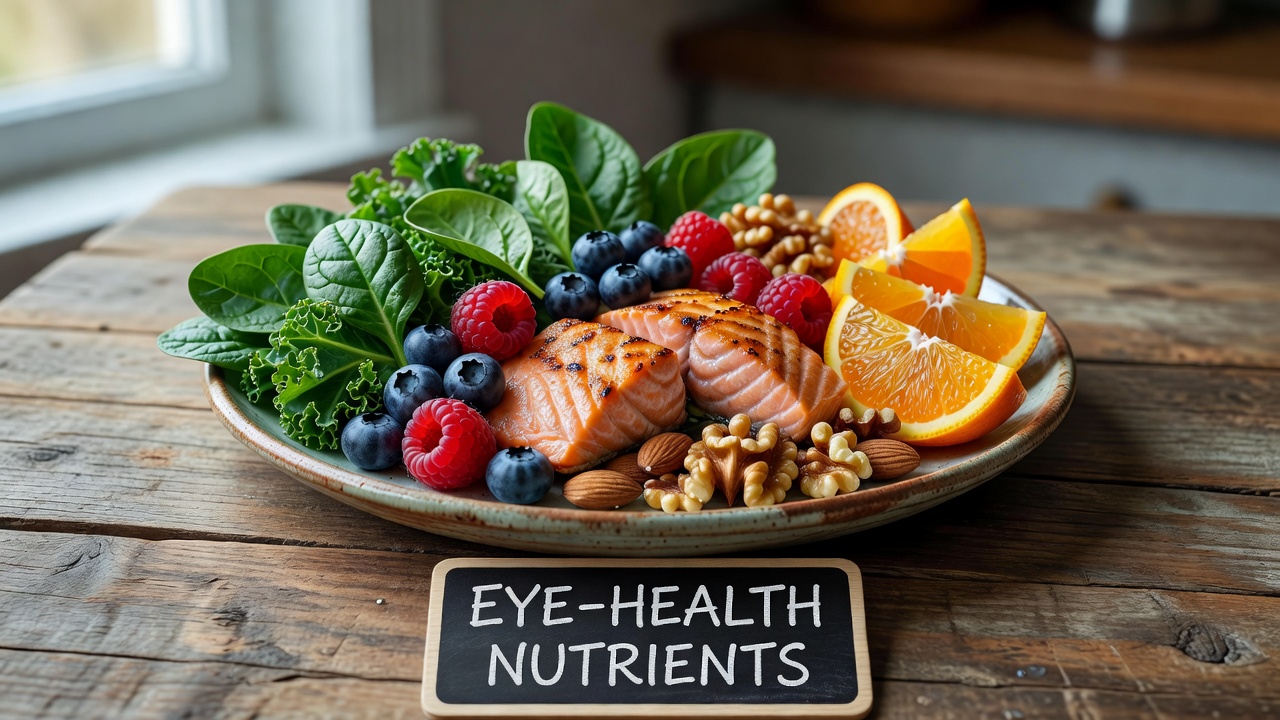
As we advance into 2026, personalized nutrition strategies are gaining traction for maintaining optimal eye health and lowering the risk of conditions like age-related macular degeneration (AMD) and cataracts. These targeted diets emphasize key nutrients such as lutein, zeaxanthin, omega-3 fatty acids, and antioxidants, drawn from whole foods. Research from authoritative sources highlights how consistent dietary choices can make a meaningful difference over time. Vision health is increasingly linked to daily eating patterns, with many individuals seeking practical ways to protect their eyesight amid rising screen time and aging populations. This guide explores practical, evidence-based approaches tailored to individual needs, including nutrient-dense food lists, a beginner step-by-step plan, and comparisons of popular eating patterns. By focusing on goal-oriented eating, readers can build sustainable habits that prioritize vision wellness while addressing broader wellness goals.
Key Nutrients and Their Roles in Eye Health
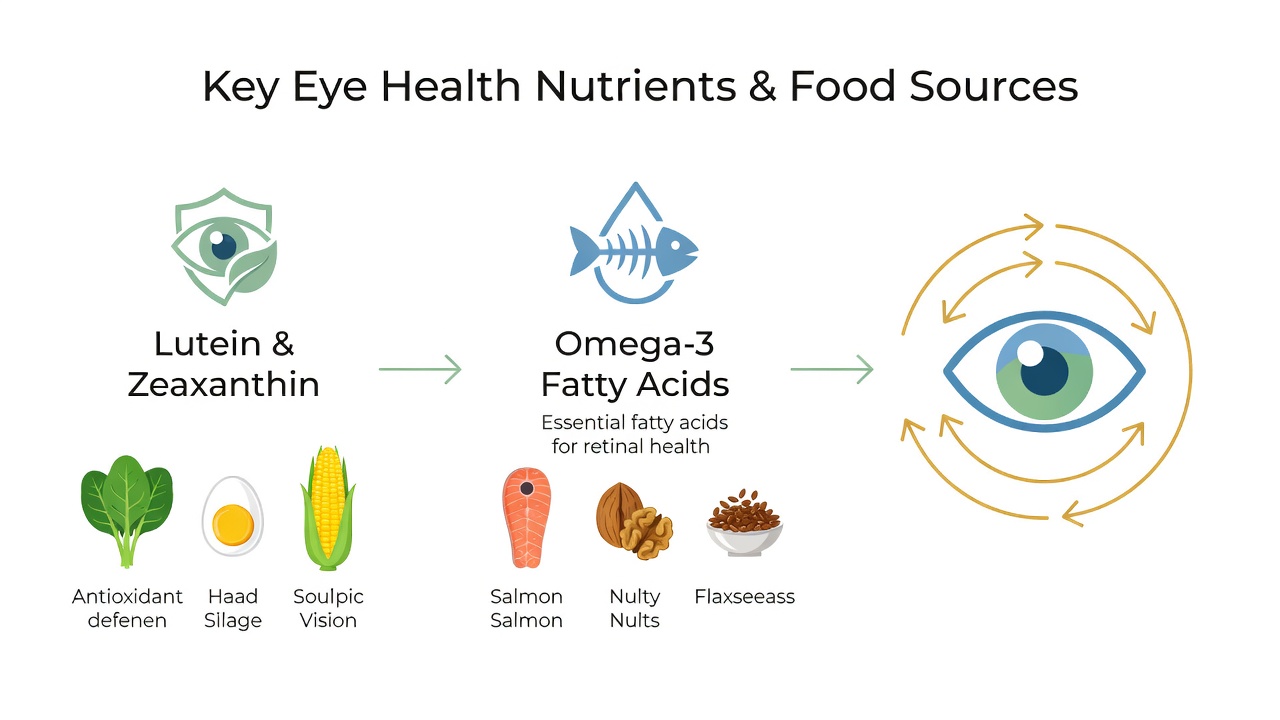
Lutein and zeaxanthin act as natural filters against harmful blue light, accumulating in the macula to protect against oxidative stress. These carotenoids are found in high concentrations in the retina and help maintain visual sharpness. Omega-3 fatty acids, particularly DHA and EPA, support retinal function and may reduce inflammation that contributes to dry eye or vascular issues in the eyes. Antioxidants like vitamins C and E, along with zinc, help combat free radicals that contribute to eye tissue damage over decades. Additional supportive compounds include vitamin A from beta-carotene sources and minerals like copper that work synergistically with zinc.
Detailed food sources include spinach, kale, collard greens, and other leafy greens for lutein and zeaxanthin, delivering 10-20 mg per cooked cup. Fatty fish such as salmon, mackerel, and sardines provide omega-3s, with a typical 3-ounce serving offering 1-2 grams of combined EPA and DHA. Citrus fruits, bell peppers, strawberries, almonds, sunflower seeds, and eggs round out antioxidant and zinc intake. Incorporating these regularly forms the foundation of any custom eye-health plan, with variety ensuring broad nutrient coverage without monotony.
Building a Beginner-Friendly Personalized Nutrition Plan
Creating a custom plan starts with assessing current habits and health goals. Follow these expanded steps for a structured approach that accounts for lifestyle factors:
- Consult a healthcare professional or registered dietitian to evaluate baseline vision metrics and nutrient levels through bloodwork or dietary analysis. This step identifies deficiencies early.
- Track daily intake using a simple app or journal, aiming for at least 6 mg of lutein and zeaxanthin combined, 250-500 mg of omega-3s, and adequate vitamin C and E. Example: Log breakfast spinach smoothies and dinner fish portions.
- Prioritize whole foods over supplements initially, focusing on variety across meals. For instance, rotate three different leafy greens weekly to avoid boredom.
- Adjust portions based on age, activity level, and any existing conditions, such as increasing omega-3s for those over 50 or adding extra antioxidants for high-screen users. A 30-year-old athlete might emphasize recovery-focused meals, while a retiree focuses on anti-inflammatory options.
- Monitor progress every 4-6 weeks through follow-up eye exams and dietary reviews, adjusting for seasonal produce availability or travel.
- Incorporate cooking techniques like steaming greens to preserve nutrients or baking fish with herbs for flavor without added fats.
This method ensures plans remain adaptable and evidence-aligned, helping users avoid common pitfalls like inconsistent tracking.
Evidence-Based Benefits and Supporting Research
Long-term observational data shows that diets high in these nutrients correlate with slower progression of AMD and reduced cataract formation. The protective mechanisms involve reducing oxidative damage and supporting blood flow to ocular tissues. Individuals following nutrient-dense patterns often report improved visual comfort during prolonged computer use and better night vision over months of adherence. Combining these foods with lifestyle elements like UV protection and regular exercise amplifies results, creating a holistic framework for eye care in 2026.
Comparing Mediterranean and Plant-Forward Eating Patterns
The Mediterranean diet, rich in fish, olive oil, vegetables, nuts, and whole grains, has shown strong associations with reduced AMD progression in long-term studies. It typically includes moderate seafood twice weekly and abundant produce. In contrast, plant-forward approaches emphasize legumes, whole grains, seeds, and abundant produce while limiting animal products, delivering similar carotenoid levels through creative combinations like kale salads with avocado. Both patterns deliver high levels of protective nutrients, but the Mediterranean style may offer slight edges for omega-3 absorption from seafood. Plant-forward options appeal to vegetarians and provide fiber benefits for overall wellness. Hybrid versions allow flexibility, such as incorporating occasional fish into mostly plant-based meals or using algae oil for vegan omega-3 alternatives. Choosing between them depends on personal preferences, cultural background, and sustainability goals.
Sample Daily Meal Ideas and Weekly Variations for Eye Health
Breakfast options: A spinach-berry smoothie with chia seeds and fortified plant milk, or overnight oats topped with kiwi and walnuts. These deliver lutein and vitamin C to start the day.
Lunch ideas: Grilled salmon salad with kale, avocado, tomatoes, and olive oil dressing, or a quinoa bowl with roasted bell peppers, chickpeas, and pumpkin seeds. Both balance protein and antioxidants.
Dinner examples: Baked mackerel with sweet potatoes and steamed broccoli, or lentil stew featuring carrots, tomatoes, and a side of mixed greens. These emphasize zinc and omega-3s.
Snacks: Carrot sticks with hummus, a handful of almonds, or a small bowl of mixed berries. Rotate these across the week—Monday might feature a fish-focused lunch while Thursday highlights a fully plant-based dinner—to maintain variety and adherence. For variety, try Mediterranean-inspired wraps or Asian-style stir-fries with bok choy and tofu.
Common Mistakes to Avoid and Practical Shopping Tips
Many beginners overlook portion consistency or rely too heavily on one food group, such as eating only spinach without rotating greens. Another error is neglecting healthy fats that aid nutrient absorption, like pairing kale with olive oil. Shop seasonally at local markets for fresher produce, read labels for added sugars in packaged items, and prepare meals in batches to support busy schedules. These adjustments make long-term success more attainable.
FAQs on Supplements, Monitoring, and Demographics
Should I use supplements for eye nutrients?
Whole foods remain the preferred source, but targeted supplements may help fill gaps after professional assessment. The National Eye Institute provides guidelines on formulations for those at higher risk.
How do I monitor progress across age groups?
Regular comprehensive eye exams every one to two years are essential. Younger adults might focus on preventive habits, while older demographics track changes in visual acuity more closely with at-home Amsler grid tests.
Are these plans suitable for different demographics?
Yes, adjustments for pregnancy, diabetes, or vegan preferences ensure broad applicability while maintaining nutrient targets. For example, pregnant individuals can emphasize folate-rich greens alongside eye nutrients.
What if I have dietary restrictions?
Substitute ingredients creatively—use flaxseeds for omega-3s in plant-based plans or fortified cereals for zinc in gluten-free versions.
Conclusion
Adopting targeted diets for eye health empowers individuals to take proactive steps toward preserving vision. By integrating nutrient-rich foods, following personalized steps, comparing effective patterns, and avoiding common mistakes, sustainable results become achievable. Consult experts and stay consistent for the best outcomes in 2026 and beyond. For more on related nutrition strategies, explore resources from World Health Organization and National Institutes of Health.
No comments yet. Be the first!