 Func Eats
Introduction to Liver Health Optimization in 2026
Liver health is a cornerstone of overall wellness, as this vital organ processes nutrients, filters toxins, and regulates metabolism. In 2026, emerging research highlights targeted nutrition strategies that go beyond general healthy eating to specifically combat fat accumulation and inflammation. This guide provides beginner-friendly, evidence-based approaches drawn from recent studies, focusing on practical implementation for sustainable results. Many individuals are turning to specialized diets after noticing symptoms like fatigue, digestive issues, or elevated liver enzymes during routine checkups. Understanding how food choices directly influence hepatic fat storage can empower you to make meaningful changes that support long-term vitality and disease prevention.
Whether you're dealing with nonalcoholic fatty liver concerns or simply aiming to optimize function, these diets emphasize whole foods rich in antioxidants and fiber. Key elements include reducing processed sugars and incorporating liver-supportive nutrients like omega-3s and polyphenols. The liver performs over 500 essential functions daily, making it critical to nourish it intentionally rather than relying on generic advice. By 2026, clinical trials have refined our knowledge of how specific eating patterns can reverse early-stage fat buildup more effectively than ever before.
Understanding the Role of Targeted Nutrition
The liver benefits immensely from anti-inflammatory eating patterns that minimize oxidative stress. Research from 2025-2026 underscores how specific macronutrient balances can lower hepatic fat by 20-30% over several months when combined with lifestyle factors. Common goals include improving insulin sensitivity and supporting detoxification pathways naturally. Targeted nutrition works by supplying the liver with compounds that enhance its regenerative capacity while reducing the burden of excess calories and inflammatory triggers from modern diets.
Unlike broad wellness trends, these approaches are goal-oriented. For example, focusing on foods that promote glutathione production helps the liver neutralize toxins more efficiently. Beginners often start by learning to read labels for hidden sugars and then progress to building balanced plates that combine protein, healthy fats, and fiber at every meal.
Anti-Inflammatory Food Lists for Liver Support
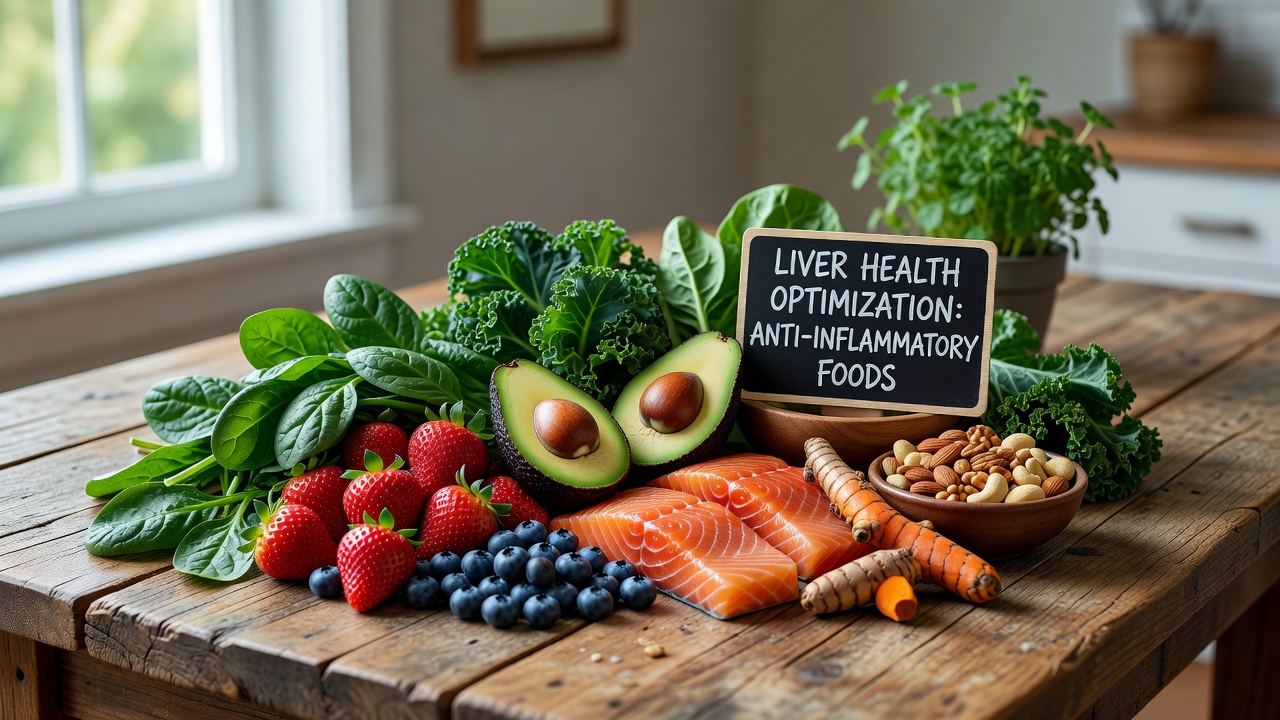
Incorporating these foods daily forms the foundation of any liver-optimization plan. Prioritize variety to ensure broad nutrient coverage:
- Leafy greens and cruciferous vegetables: Spinach, kale, broccoli, and Brussels sprouts provide chlorophyll and glucosinolates that aid detoxification. Aim for at least two servings at lunch and dinner.
- Berries and citrus fruits: Blueberries, strawberries, and grapefruit deliver flavonoids and vitamin C for antioxidant protection. These can be eaten fresh or frozen in smoothies.
- Healthy fats: Avocados, walnuts, flaxseeds, and fatty fish like salmon supply omega-3 fatty acids to reduce inflammation and improve lipid profiles.
- Whole grains and legumes: Oats, quinoa, lentils, and chickpeas offer soluble fiber that helps manage blood sugar and cholesterol levels.
- Herbs and spices: Turmeric, ginger, and garlic contain curcumin and allicin compounds linked to liver enzyme improvement in multiple studies.
Avoid or limit added sugars, refined carbs, and trans fats, which can exacerbate fat buildup. Real-world examples show that people who replace sugary snacks with berry bowls and nuts see noticeable improvements in energy and digestion within weeks.
Mediterranean Diet Versus Plant-Forward Approaches
The Mediterranean diet, rich in olive oil, fish, and produce, has long been studied for cardiovascular and metabolic benefits that extend to the liver. In contrast, plant-forward diets emphasize even higher intakes of vegetables, nuts, and seeds while minimizing animal products. Both show promise in 2026 studies for reducing liver fat, but the Mediterranean style may offer slight advantages in adherence due to its inclusion of moderate fish and dairy. Plant-forward options excel for those seeking fully vegan frameworks. Choose based on personal preferences and consult a professional for customization. For deeper insights, explore resources from Mayo Clinic and NIDDK.
Nutrient Spotlight: Key Compounds for Liver Function
Beyond whole food lists, certain compounds stand out in 2026 research. Choline from eggs and soybeans supports fat transport out of the liver, while betaine from beets aids methylation processes. Polyphenols in green tea and dark chocolate provide additional anti-inflammatory effects. Integrating these strategically can amplify results from basic dietary changes.
Step-by-Step Implementation Tips
Start small to build habits: 1) Audit your pantry and swap out inflammatory items. 2) Plan meals around the food lists above. 3) Track progress with simple metrics like energy levels or waist circumference. 4) Combine diet with 150 minutes of weekly moderate activity. Real-world examples include professionals who integrated daily smoothies with spinach and berries, reporting improved lab markers within eight weeks. Another case involved a teacher who batch-prepped lentil stews on Sundays, leading to consistent adherence and reduced bloating.
Common Mistakes to Avoid
Many beginners over-restrict calories too quickly, leading to nutrient gaps, or they ignore portion sizes of healthy fats. Skipping meals can also stress the liver. Instead, focus on consistency and gradual improvements rather than perfection.
Monitoring Your Progress
Track symptoms, energy, and sleep quality weekly. Schedule bloodwork every three months to monitor ALT, AST, and GGT levels. Apps for food logging help identify patterns that may be hindering progress.
Combining Diet with Lifestyle Factors
Nutrition works best alongside sleep optimization, stress management, and regular movement. Walking after meals aids digestion and blood sugar control, directly benefiting the liver.
7-Day Meal Framework
This sample framework provides balanced, repeatable ideas adaptable to calorie needs. Focus on portion control and hydration.
- Day 1: Breakfast - Oatmeal with berries and flax; Lunch - Quinoa salad with greens and chickpeas; Dinner - Grilled salmon with broccoli and olive oil drizzle.
- Day 2: Breakfast - Greek yogurt with walnuts; Lunch - Lentil soup and side salad; Dinner - Stir-fried tofu with turmeric-spiced veggies over brown rice.
- Day 3: Breakfast - Avocado toast on whole grain; Lunch - Chickpea wrap with spinach; Dinner - Baked cod with roasted Brussels sprouts.
- Day 4: Breakfast - Berry smoothie with spinach; Lunch - Quinoa bowl with mixed vegetables; Dinner - Bean chili with herbs.
- Day 5-7: Rotate similar patterns with variations like herb-roasted fish, plant protein scrambles, and fiber-rich snacks such as apple slices with almond butter. Adjust proteins based on preference while keeping meals colorful and balanced.
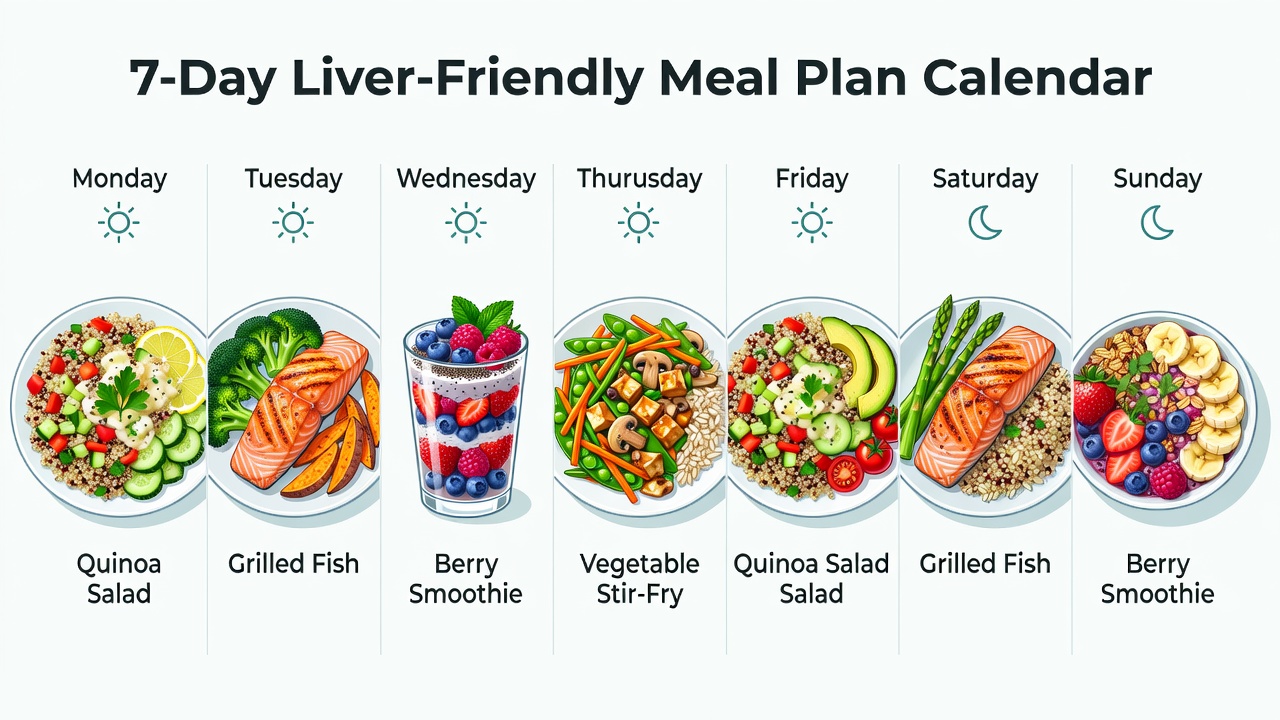
Adjust for dietary restrictions while maintaining the core emphasis on whole foods. This framework can be scaled for families or meal prepping.
FAQ: Common Concerns Addressed
How does alcohol moderation fit in? Limit intake to occasional low amounts or abstain entirely, as even moderate consumption can hinder liver recovery and reverse dietary gains.
Are supplements necessary? Whole foods are preferred; discuss options like milk thistle or omega-3s with a healthcare provider, as evidence varies and quality matters.
How long until results appear? Many notice changes in 4-12 weeks with consistency, though individual factors like starting health and genetics differ.
Can I eat out while following these diets? Yes, choose grilled proteins, vegetable sides, and olive oil-based dressings while avoiding fried items and sugary drinks.
What about intermittent fasting? Some 2026 protocols combine time-restricted eating with liver-friendly foods, but consult a doctor first, especially if you have existing conditions.
Conclusion
Adopting these 2026 targeted diets empowers you to take proactive steps toward liver optimization. By focusing on anti-inflammatory foods, comparing proven patterns like Mediterranean and plant-forward, and following structured meal frameworks, sustainable progress is achievable. Begin today with one small change and build from there for lasting benefits.

No comments yet. Be the first!