 Func Eats
Introduction to Zero-Waste Anti-Inflammatory Eating
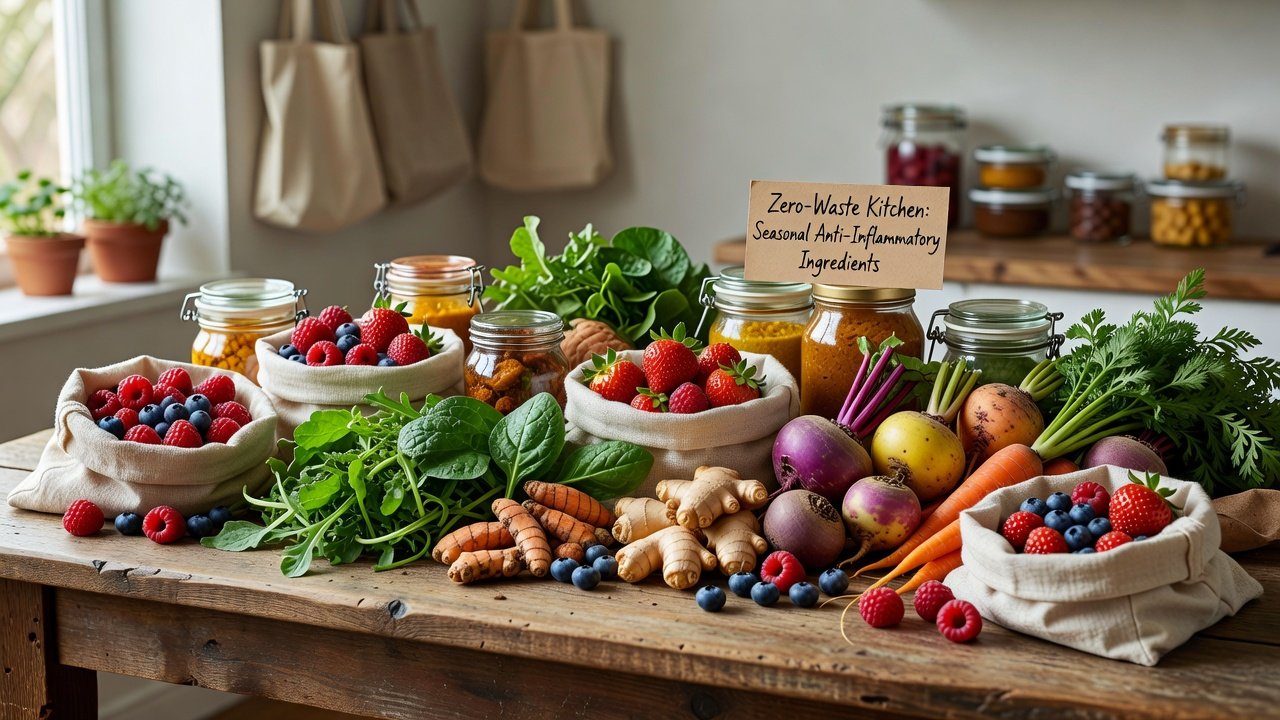
Adopting a zero-waste approach while following an anti-inflammatory diet combines environmental responsibility with powerful health benefits. This lifestyle emphasizes nutrient-dense whole foods that actively reduce chronic inflammation, sourced seasonally and utilized completely to eliminate unnecessary waste. In 2026, increased focus on sustainability makes these practices more accessible than ever, allowing readers to achieve lasting results through mindful ingredient selection, creative scrap repurposing, and efficient weekly planning. Chronic inflammation contributes to conditions like arthritis, heart disease, and digestive issues, but targeted foods rich in antioxidants and omega-3 fatty acids can help mitigate these effects while supporting overall wellness and eco-conscious living.
Understanding Anti-Inflammatory Foods and Their Benefits
Anti-inflammatory eating centers on ingredients packed with antioxidants, fiber, and healthy fats that combat oxidative stress and support cellular health. Core foods include berries for their anthocyanins, leafy greens loaded with vitamins, turmeric and ginger containing curcumin and gingerol, fatty fish providing omega-3s, nuts, seeds, and fermented options for gut support. These choices not only lower inflammation markers but also promote sustained energy and better immunity. When paired with zero-waste methods, the diet becomes even more effective because every part of the produce contributes additional micronutrients, maximizing value from each purchase and reducing environmental impact through lower food waste.
Seasonal Produce Sourcing for Maximum Nutrition in 2026
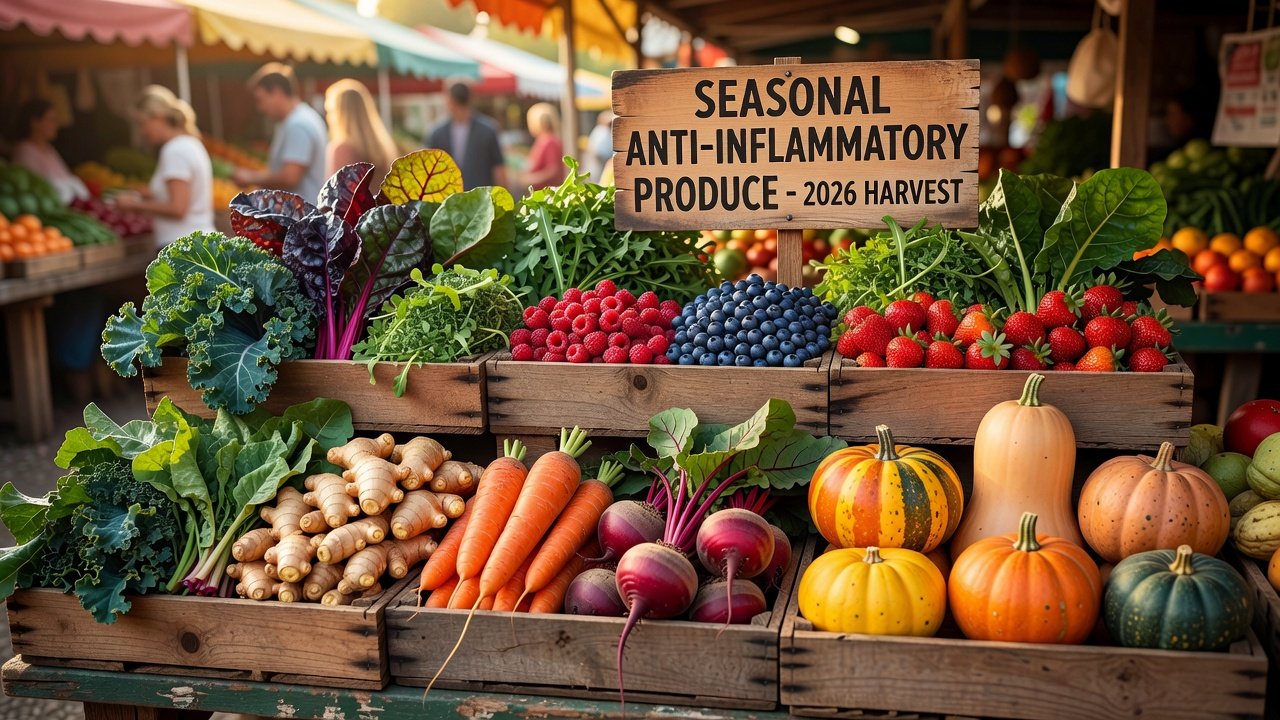
Seasonal sourcing ensures peak flavor, higher nutrient levels, and reduced carbon footprints from transportation. Spring highlights asparagus, strawberries, and peas; summer offers tomatoes, zucchini, and cucumbers; fall features squash, apples, and kale; winter provides root vegetables, citrus, and Brussels sprouts. Partner with local farms or community-supported agriculture programs to access these items at their freshest. This strategy supports regional economies and encourages variety that prevents dietary boredom while aligning with natural growing cycles for optimal anti-inflammatory compounds.
Zero-Waste Strategies: Repurposing Kitchen Scraps Effectively
Transform peels, stems, ends, and wilted greens into valuable additions rather than discarding them. Carrot tops blend into vibrant pestos, broccoli stems add creaminess to soups, herb stems infuse broths, and citrus peels create infused waters or zest for recipes. These scraps retain significant fiber, vitamins, and phytonutrients that fight inflammation. For smoothies, freeze vegetable ends and fruit cores to create nutrient-dense bases without extra cost. This approach not only cuts household waste dramatically but also increases overall nutrient intake, making meals more satisfying and health-promoting over time.
Meal Planning to Minimize Waste and Maximize Results
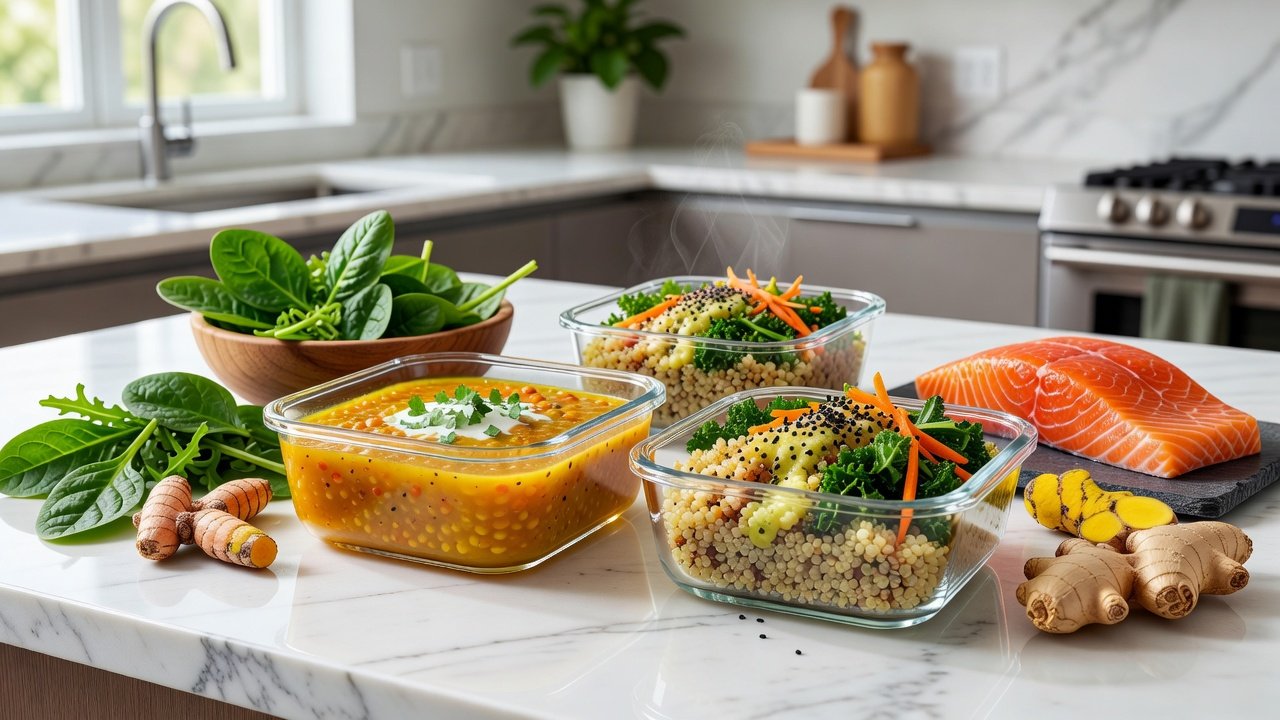
Effective meal planning starts with a weekly inventory of existing ingredients and a flexible menu that reuses components across multiple dishes. Prepare base items like cooked grains, roasted vegetables, and broths in batches, then adapt them into salads, soups, or stir-fries. Label leftovers clearly and rotate them into new meals within three days. Readers who implement these habits often report cutting food waste by nearly half compared to previous patterns, while maintaining consistent anti-inflammatory benefits through repeated exposure to key nutrients. Digital apps or simple paper planners help track expiration dates and prevent impulse buys.
Five Detailed Zero-Waste Anti-Inflammatory Recipes
1. Berry-Greens Smoothie with Scrap Boost
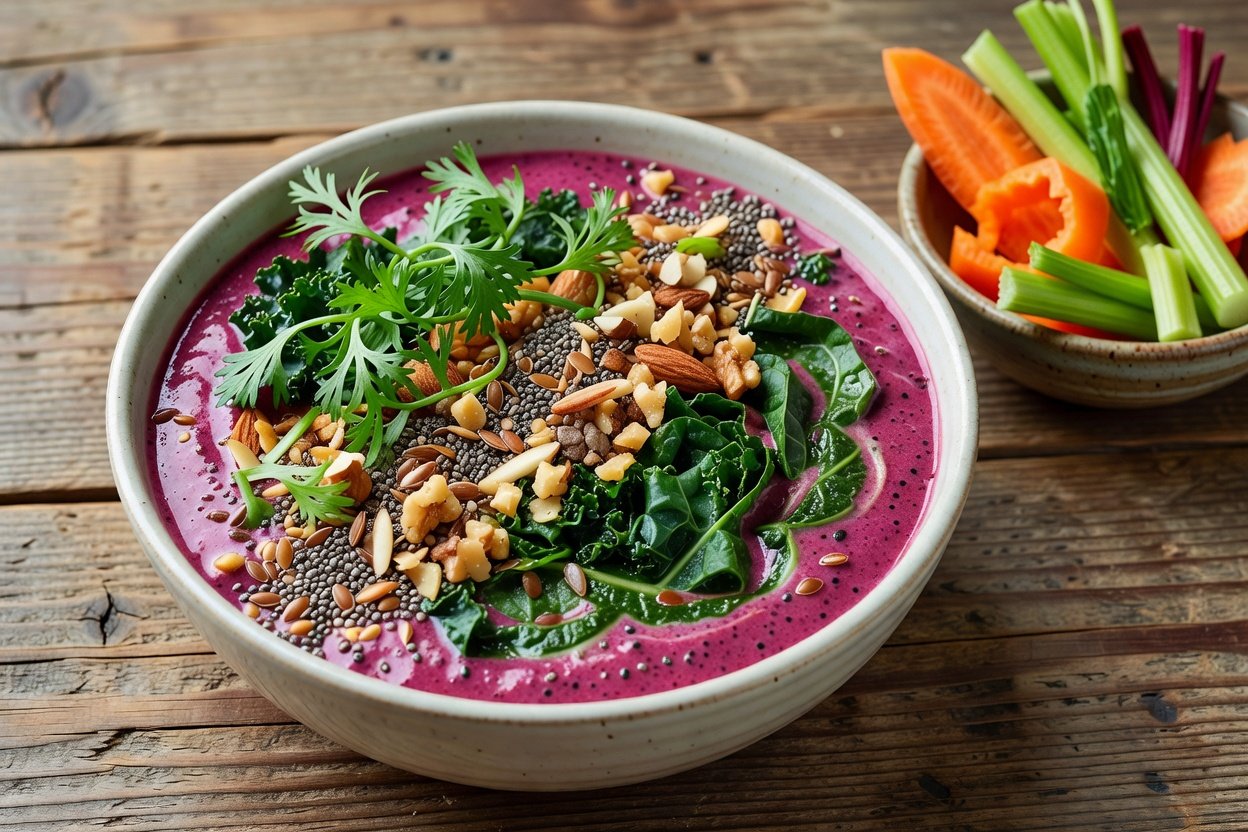
Ingredients: 1 cup spinach or kale stems, 1 frozen banana, 1 cup mixed berries, 1 tablespoon fresh ginger, handful of carrot tops, 1 cup unsweetened almond milk. Steps: Add all ingredients to a blender and process until completely smooth. Adjust consistency with extra milk if needed. This recipe delivers a powerful dose of antioxidants and fiber in minutes, using scraps that would otherwise be thrown away.
2. Turmeric Vegetable Broth from Kitchen Scraps
Collect onion skins, garlic ends, celery leaves, carrot peels, and turmeric root trimmings. Place in a large pot, cover with water, add a pinch of black pepper to enhance curcumin absorption, and simmer for two hours. Strain and store in jars. Use as a base for soups or drink warm for daily inflammation support. The resulting broth is rich in minerals and compounds that support joint health.
3. Quinoa Salad with Roasted Seasonal Roots
Ingredients: 1 cup quinoa, assorted root vegetables, turmeric powder, lemon juice, fresh herbs including stems. Roast chopped roots with turmeric at 400°F for 25 minutes. Cook quinoa and toss everything together with a dressing made from herb stems blended with olive oil and vinegar. This hearty dish provides complete protein and sustained anti-inflammatory effects.
4. Ginger-Lemon Infused Water Using Peels
Slice ginger and citrus peels from fruit used in other recipes. Steep in cold water overnight in the refrigerator. The result is a refreshing, zero-cost beverage that aids digestion and delivers subtle anti-inflammatory compounds throughout the day.
5. Nut and Seed Energy Bites with Dried Scraps
Combine oats, mixed nuts, seeds, and any dried fruit pieces or herb stems finely chopped. Bind with a small amount of nut butter and roll into balls. Refrigerate for grab-and-go snacks that maintain stable blood sugar and reduce inflammation without generating packaging waste.
Local Shopping Tips for 2026
Bring reusable bags, jars, and produce containers to markets. Choose imperfect or “ugly” produce at discounted rates, and buy in bulk from bulk bins when available. Visit LocalHarvest to locate nearby farms and markets. Planning purchases around weekly specials further reduces waste and aligns spending with seasonal abundance.
Beginner-Friendly Pantry Staples Checklist
- Turmeric powder, fresh root, and black pepper
- Ginger fresh and dried
- Leafy greens and berries, fresh or frozen
- Nuts, seeds, and whole grains like quinoa and oats
- Olive oil, apple cider vinegar, and lemons
- Reusable glass jars and cloth produce bags
- Basic spices including cumin and cinnamon
Stocking these items ensures quick assembly of anti-inflammatory meals while supporting zero-waste habits through versatile, long-lasting ingredients.
Before-and-After Waste Reduction Comparison
Before adopting these strategies, typical households discard roughly 30 percent of purchased produce due to spoilage and lack of planning. After implementing scrap utilization, seasonal shopping, and batch cooking, many achieve a 40-50 percent reduction in food waste within the first month. This shift not only lowers household costs but also decreases methane emissions from landfills, as highlighted by resources from the EPA. The cumulative effect over a year represents meaningful environmental and health gains.
Long-Term Adherence and Nutrient Density Focus
Consistency comes from making small, repeatable changes rather than drastic overhauls. Rotate recipes to keep meals interesting and monitor how your body responds to increased fiber and antioxidants. Emphasizing nutrient density means every calorie delivers maximum anti-inflammatory value, supporting energy levels and reducing cravings for processed foods over time.
Frequently Asked Questions
How do beginners start without feeling overwhelmed?
Begin with one new recipe per week and gradually incorporate scrap-saving techniques. Track progress in a simple journal to build momentum.
Does this approach require expensive specialty items?
No. Focus on affordable seasonal produce and pantry basics that deliver high nutrient density without premium pricing.
What if I have limited time for meal prep?
Batch cook on weekends and freeze portions. Many recipes, like the broth and energy bites, require minimal active time once ingredients are gathered.
How does zero-waste eating address common sustainability challenges?
It reduces packaging needs, lowers transportation emissions through local sourcing, and prevents food from entering landfills, directly tackling multiple environmental concerns simultaneously.
Can children and families follow these recipes?
Yes. The smoothies and energy bites are particularly family-friendly, and involving kids in scrap collection teaches valuable lessons about nutrition and sustainability.
Conclusion
Integrating zero-waste practices with anti-inflammatory recipes creates a sustainable, nutrient-rich way of eating that benefits both personal health and the planet. By focusing on seasonal sourcing, creative scrap use, and thoughtful planning, readers can enjoy delicious meals while achieving meaningful reductions in waste and inflammation. Start with the provided checklist and one recipe today to build lasting habits for 2026 and beyond.
No comments yet. Be the first!