 Func Eats
Introduction to Batch Cooking on an Anti-Inflammatory Diet
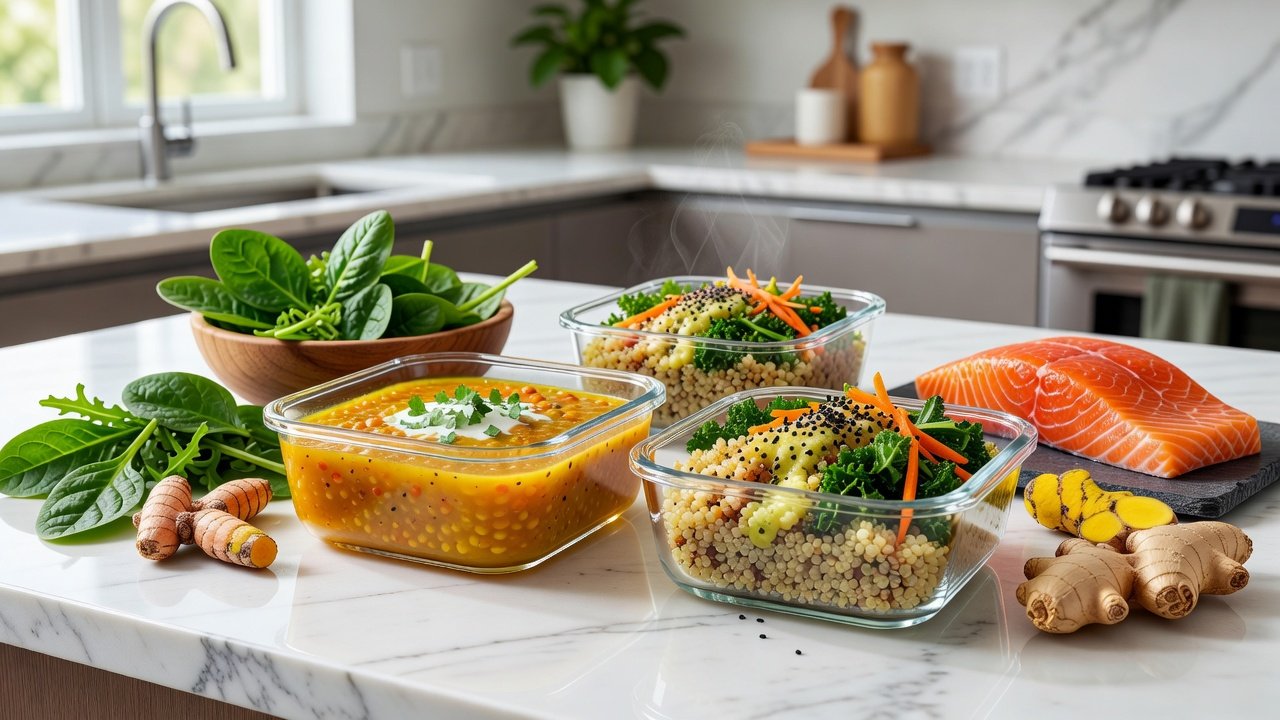
Adopting an anti-inflammatory diet helps reduce chronic inflammation linked to conditions like arthritis, heart disease, and autoimmune disorders. Batch cooking allows you to prepare inflammation-fighting meals in advance, ensuring daily access to nutrient-dense foods without daily kitchen time. This guide covers selecting base ingredients, efficient prep methods, storage strategies, and practical recipes to streamline your routine. By dedicating a few hours on weekends or evenings, you can create a rotation of meals that support long-term health goals while fitting busy schedules.
Benefits of Batch Cooking for Inflammation Reduction
Batch cooking supports consistent intake of anti-inflammatory foods such as omega-3-rich fatty fish, antioxidant-packed leafy greens, and spices like turmeric and ginger. It minimizes processed food consumption and reduces stress around meal planning. Research from institutions like the Mayo Clinic highlights how sustained dietary patterns rich in these elements can lower inflammatory markers over time. Additional advantages include better portion control, reduced food waste, and the ability to experiment with flavors that keep meals enjoyable. For example, prepping multiple batches means you avoid last-minute takeout choices that often contain hidden inflammatory oils and additives.
Selecting Versatile Base Ingredients
Choose ingredients that store well and pair across multiple dishes. Leafy greens like spinach and kale provide fiber and vitamins while supporting gut health. Fatty fish such as salmon and mackerel deliver omega-3s that directly combat inflammation. Spices including turmeric, ginger, and garlic add flavor and anti-inflammatory compounds like curcumin and gingerol. Stock up on lentils, quinoa, olive oil, and berries for hearty bases and natural sweetness. These versatile items form the foundation for soups, bowls, and salads that last several days. Consider buying in bulk from trusted sources to ensure freshness and quality throughout the week.
Step-by-Step Prep Methods for Make-Ahead Meals
Start by washing and chopping vegetables on a dedicated prep day, separating them into airtight bins for quick assembly later. Cook grains like quinoa in large batches using a rice cooker or stovetop method to save active time. Roast or grill fish portions seasoned with turmeric and ginger for even flavor distribution. Prepare soups by simmering lentils with spices, onions, and carrots until tender. Divide everything into single-serve containers for easy grab-and-go options. This method typically takes 2-3 hours on a weekend and yields 5-7 days of meals. Include a protein rotation such as chickpeas or tofu for variety if preferred.
Sample Recipes: Turmeric Lentil Soup and Ginger-Infused Grain Bowls
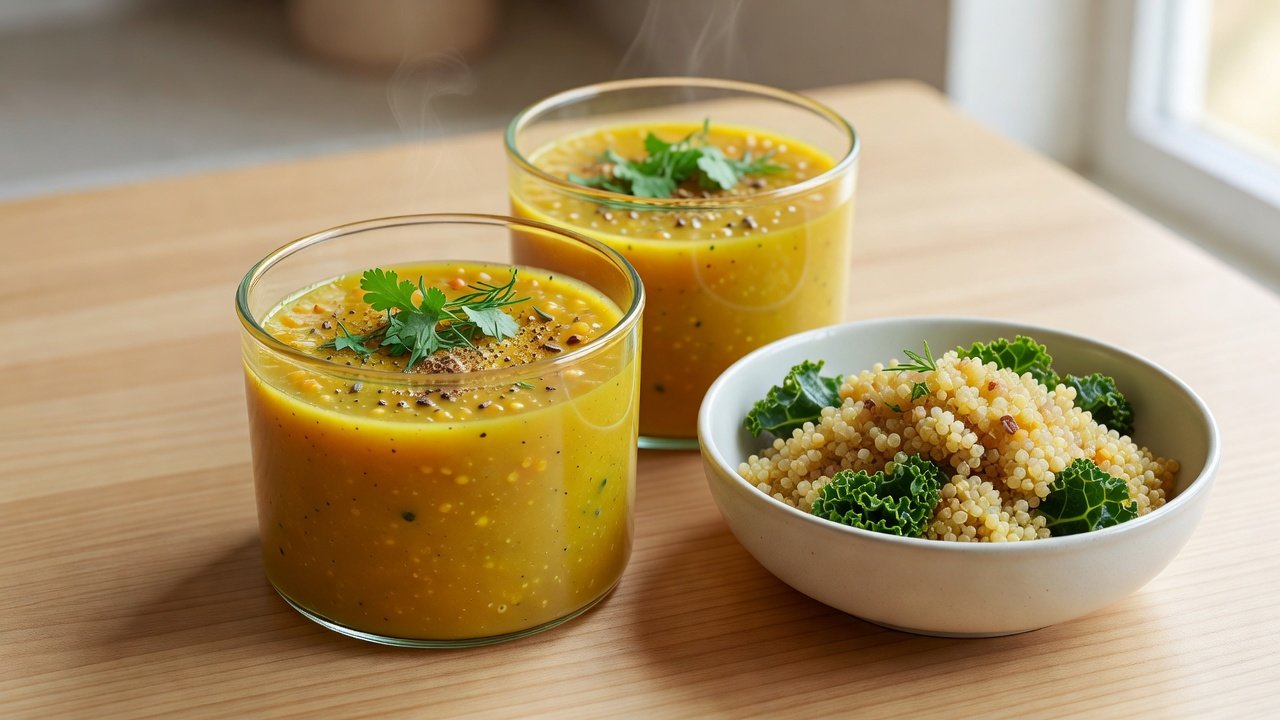
Turmeric lentil soup combines red lentils, turmeric, ginger, garlic, and vegetable broth simmered until creamy, then finished with fresh spinach. Ginger-infused grain bowls feature cooked quinoa topped with roasted salmon, kale, avocado slices, and a ginger-olive oil dressing. These recipes scale easily and reheat well while preserving nutrients. Variations include adding roasted sweet potatoes for extra fiber or swapping salmon for grilled chicken. Each serving delivers a balanced mix of protein, healthy fats, and micronutrients that actively fight inflammation when eaten regularly.
Storage Tips to Maintain Nutrient Integrity
Use airtight glass containers to prevent oxidation and maintain freshness. Refrigerate meals for up to 4 days or freeze for longer storage periods. Cool foods completely before sealing to avoid condensation that can promote bacterial growth. Label containers with dates and contents for easy identification. Avoid reheating leafy greens multiple times to retain vitamin content; instead, add fresh greens when reheating. Frozen options often retain more nutrients than fresh produce stored too long, making them ideal backups.
Weekly Prep Checklist
- Day 1: Shop for base ingredients including greens, fish, spices, and grains.
- Day 2: Chop vegetables and cook large batches of quinoa and lentils.
- Day 3: Prepare turmeric lentil soup and season protein portions.
- Day 4: Assemble ginger grain bowls and portion all meals into containers.
- Day 5: Refresh any wilted greens and prepare side salads if needed.
- Day 6-7: Rotate through stored items, adding new cooked elements as space allows.
Fresh Versus Frozen Options Comparison
Fresh produce offers peak flavor when used quickly but spoils faster if not managed properly. Frozen fruits and vegetables are flash-frozen at harvest, often preserving more antioxidants according to guidelines from the World Health Organization. Use frozen spinach in soups and fresh kale in salads for balanced nutrition. Both options support an anti-inflammatory diet effectively when chosen based on convenience and season. Consider mixing them to optimize cost, texture, and nutrient density across your weekly menu.
Expert Tips for 2026 Sustainability
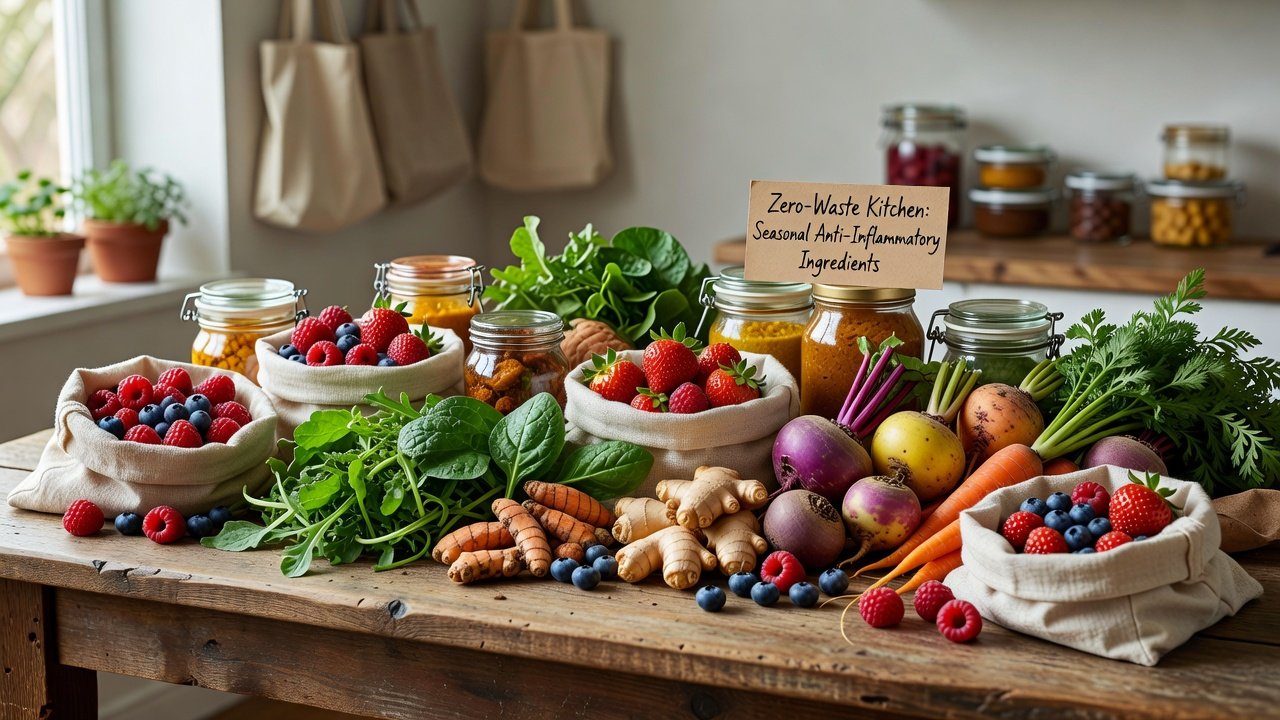
Incorporate seasonal, locally sourced ingredients to reduce environmental impact and support regional farmers. Opt for reusable silicone bags and glass jars over single-use plastics. Focus on plant-forward recipes that lower reliance on resource-intensive proteins while still including sustainable fish choices. These practices align with sustainable eating trends projected for 2026 while maintaining anti-inflammatory benefits. Additionally, composting vegetable scraps from prep sessions creates a closed-loop system that benefits both health and the planet.
Common Mistakes to Avoid
One frequent error is overcooking delicate greens during initial prep, which diminishes their anti-inflammatory properties. Another is using too much salt instead of relying on spices like turmeric and ginger for flavor. Avoid storing acidic foods in reactive metal containers that can affect taste and nutrients. Finally, failing to rotate meals can lead to boredom and waste, so plan variety from the start.
Frequently Asked Questions
How do I scale recipes for larger households?
Double or triple ingredient quantities while maintaining spice ratios. Cook in larger pots and divide into more containers for extended storage without compromising quality.
Can I adapt these for dietary restrictions like vegan or gluten-free?
Yes, replace fish with tofu or chickpeas and use gluten-free grains like quinoa. All recipes in this guide are naturally adaptable to most common restrictions.
What if I have limited freezer space?
Prioritize refrigerator-friendly meals and rotate batches weekly. Focus on soups and cooked grains that store efficiently in compact containers.
How long do prepared meals stay fresh?
Most items last 4 days refrigerated or up to 3 months frozen when properly sealed. Always check for signs of spoilage before consuming.
Conclusion
Batch cooking transforms an anti-inflammatory diet into a sustainable lifestyle. With the right ingredients, prep strategies, and storage knowledge, you can enjoy daily inflammation-fighting meals while saving time. Start with one recipe this week and build from there for lasting health benefits.
No comments yet. Be the first!