 Func Eats

Introduction to Anti-Inflammatory Eating for Seniors
As we age, chronic inflammation can contribute to joint pain, reduced mobility, and other health challenges that affect daily life and overall longevity. An anti-inflammatory diet emphasizes whole foods packed with antioxidants, omega-3 fatty acids, and polyphenols to help counteract these effects naturally. This comprehensive guide offers beginner-friendly strategies designed specifically for older adults, covering the best foods, easy preparation techniques suited to smaller appetites, and seven simple recipes that accommodate common dietary restrictions such as lower sodium needs or softer textures. You will also find step-by-step meal planning guidance, comparisons to typical senior eating patterns, detailed grocery lists, expert insights on portions and supplement synergies, plus answers to frequently asked questions about beginning this approach later in life. Real-world examples show how to integrate these changes seamlessly into everyday routines for better joint comfort and sustained energy.
Understanding Chronic Inflammation in Seniors
Chronic low-grade inflammation tends to rise with age due to cumulative lifestyle factors, slower metabolic processes, and changes in immune function. It differs from acute inflammation, which is the body’s short-term response to injury. Over time, persistent inflammation can exacerbate conditions like arthritis, reduce flexibility, and impact cardiovascular health. Nutrition offers a powerful, accessible tool to modulate these processes because certain foods actively lower inflammatory markers while others promote them. Seniors often notice improvements in stiffness and vitality within weeks of consistent dietary shifts, making this an empowering choice for maintaining independence.
Why Seniors Benefit from an Anti-Inflammatory Diet
Research from World Health Organization underscores how targeted nutrition supports healthy aging by addressing inflammation at its dietary roots. Many seniors following this pattern report enhanced mobility, fewer aches after daily activities, and better sleep quality. Unlike restrictive diets, this approach celebrates colorful plates and flavorful ingredients that feel satisfying rather than limiting. It also aligns well with managing co-existing concerns such as heart health or blood sugar balance, common priorities in later years.
Top Anti-Inflammatory Foods Suitable for Seniors
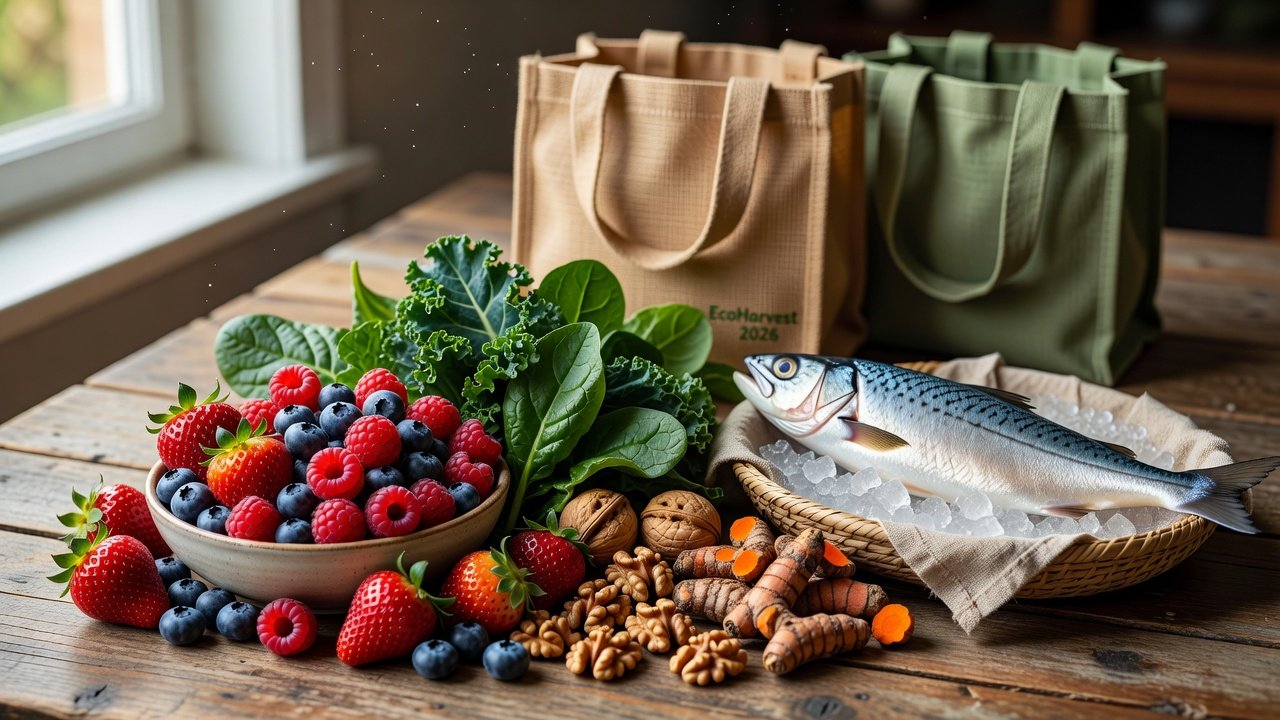
Prioritize ingredients that deliver maximum benefit with minimal preparation effort. Fatty fish such as salmon or mackerel supply omega-3s that directly lower inflammatory compounds. Berries like blueberries and strawberries are loaded with anthocyanins that combat oxidative stress. Leafy greens including spinach and kale provide vitamins and fiber that support gut health, which influences systemic inflammation. Walnuts and almonds offer healthy fats and vitamin E, while extra-virgin olive oil serves as a versatile base for cooking and dressings. Turmeric contains curcumin, a compound studied for its anti-inflammatory properties, and tomatoes deliver lycopene. These choices are gentle on digestion and widely available.
Simple preparation methods include steaming vegetables for five minutes to preserve nutrients, baking fish at 375 degrees with herbs instead of frying, or blending quick smoothies. Aim for portions of 4-6 ounces of protein and 1-2 cups of vegetables per meal to respect smaller appetites while ensuring nutrient density. Pairing these foods creates synergistic effects; for example, adding black pepper to turmeric dishes enhances absorption.
Seven Easy Inflammation-Fighting Recipes
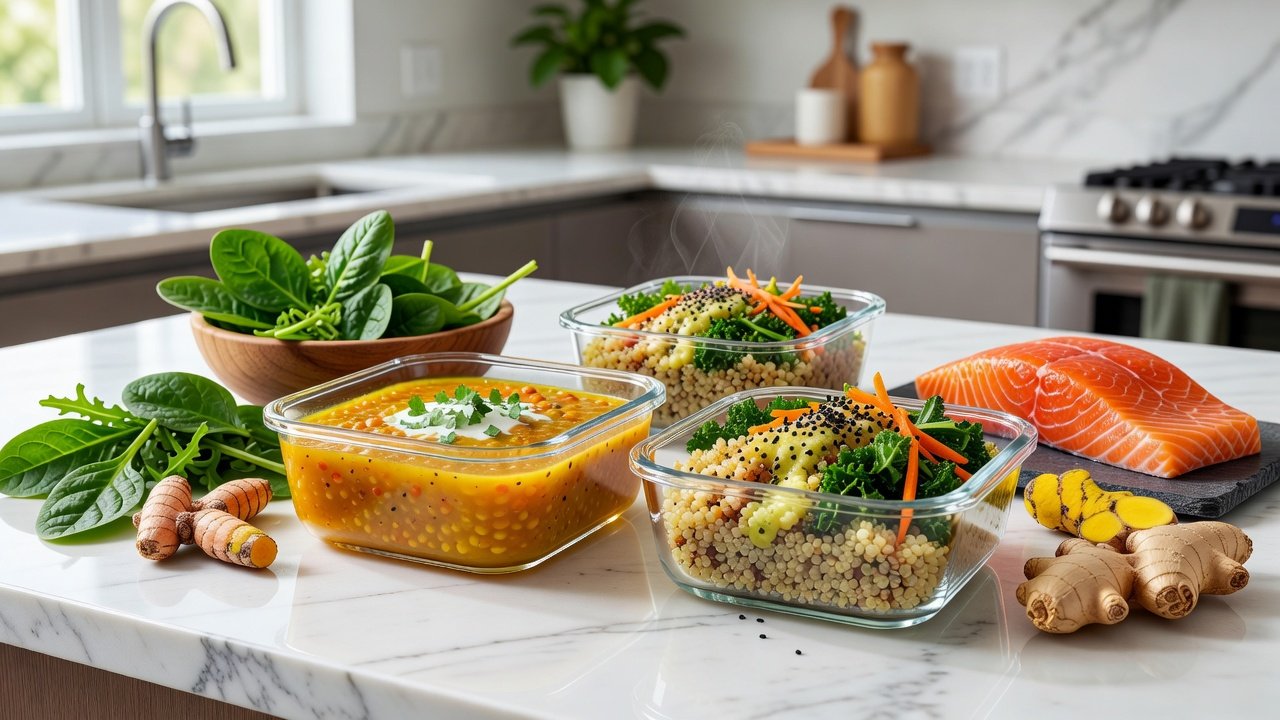
Each recipe yields one or two servings, uses minimal equipment, and allows substitutions for allergies or preferences. They require 15 minutes or less of active time.
- Berry Spinach Smoothie: Combine 1 cup fresh spinach, ½ cup mixed frozen berries, 1 tablespoon chia seeds, and ¾ cup unsweetened almond milk. Blend until smooth. Provides antioxidants and fiber for morning energy.
- Turmeric Roasted Salmon: Place 4 ounces salmon fillet on parchment, drizzle with 1 teaspoon olive oil, sprinkle ½ teaspoon turmeric and lemon zest. Bake 12 minutes at 375°F. Serve alongside 1 cup steamed broccoli.
- Walnut Oatmeal Bowl: Cook ½ cup rolled oats in water, stir in 1 tablespoon chopped walnuts, ½ teaspoon cinnamon, and ¼ cup fresh blueberries. Top with a drizzle of olive oil for extra healthy fats.
- Olive Oil Veggie Soup: Simmer 1 cup chopped carrots, ½ cup tomatoes, and 1 cup spinach in 2 cups low-sodium broth for 10 minutes. Finish with 1 teaspoon olive oil and fresh herbs.
- Greek Yogurt Parfait: Layer ¾ cup plain Greek yogurt with ½ cup berries and 1 teaspoon ground flaxseeds. Ideal as a high-protein snack or light dinner.
- Ginger Carrot Salad: Shred 1 large carrot, toss with 1 teaspoon olive oil, ½ teaspoon grated ginger, and a squeeze of lemon. Ready in five minutes and pairs well with any protein.
- Herbed Egg Scramble: Whisk two eggs with spinach and a pinch of turmeric, cook gently in olive oil. Serve with sliced tomato for a balanced breakfast.
Step-by-Step Meal Planning Tips
Begin by reviewing your current meals and noting three easy swaps, such as replacing crackers with a handful of walnuts. Create a simple weekly calendar listing breakfast, lunch, dinner, and two snacks. Rotate proteins and vegetable colors to maintain variety. Prepare foundational items like washed greens or pre-portioned nuts on weekends. Include a sample day: berry smoothie for breakfast, yogurt parfait mid-morning, salmon salad for lunch, ginger carrot snack, and veggie soup for dinner. Adjust based on energy levels and preferences after the first week.
Comparing Anti-Inflammatory Diet to Standard Senior Diets
Conventional senior meal patterns frequently rely on processed items, refined grains, and fewer fresh produce servings, which can sustain higher inflammation. The anti-inflammatory model emphasizes whole-food variety and plate color, resulting in superior nutrient intake. Many older adults transitioning notice measurable differences in joint comfort and daily function within four to six weeks, according to patterns observed in nutrition studies from National Institutes of Health.
Practical Grocery Shopping List
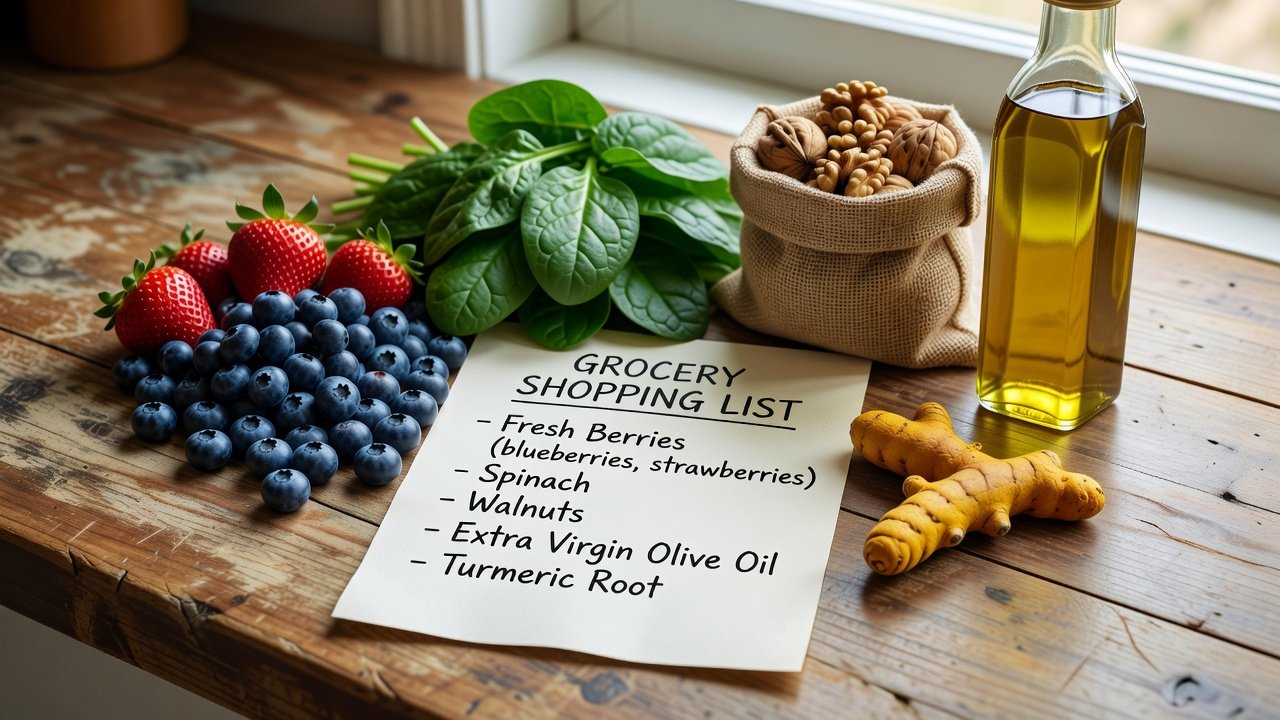
- Produce: blueberries, strawberries, spinach, kale, broccoli, carrots, tomatoes, lemons, ginger
- Proteins: fresh or frozen salmon, eggs, plain Greek yogurt
- Pantry staples: extra-virgin olive oil, ground turmeric, walnuts, rolled oats, chia seeds, flaxseeds, low-sodium broth
- Flavor enhancers: cinnamon, black pepper, fresh herbs
Portion Sizes, Supplements, and Synergies
Follow the balanced-plate method: fill half with vegetables, one quarter with protein, and one quarter with whole grains. Omega-3 fish oil supplements may complement dietary intake when fish consumption is limited, but always consult a healthcare provider before starting. Curcumin and vitamin D often work well alongside these foods to support joint and immune function. Track intake for the first month to fine-tune amounts that feel comfortable.
Overcoming Common Challenges When Starting Later in Life
Some seniors worry about cost or flavor changes. Focus on seasonal produce and frozen options to manage expenses. Introduce one new food weekly to build tolerance. For chewing difficulties, opt for smoothies or well-cooked soups. Those managing multiple medications should review changes with their doctor to ensure compatibility.
Common FAQs About Starting the Anti-Inflammatory Diet Later in Life
Is it ever too late to begin? Benefits appear at any age with steady habits. How soon do most people notice results? Many experience improved comfort and energy within two to four weeks. Can this diet work with diabetes or heart conditions? Yes, the emphasis on whole foods supports these concerns; personalize with professional guidance. What if I dislike fish? Use walnuts, chia seeds, or flax as alternatives. Are there foods to strictly avoid? Limit processed sugars, fried items, and excessive red meat initially.
Conclusion
Adopting an anti-inflammatory diet gives seniors practical tools to nurture joint health, sustain mobility, and promote longevity through enjoyable, straightforward meals. Start with a single recipe or ingredient swap this week and build from there for meaningful, lasting improvements.
No comments yet. Be the first!