 Func Eats
Understanding the Link Between Diet and Skin Inflammation
Chronic skin conditions like acne and eczema often stem from internal inflammation triggered by oxidative stress, poor gut health, and immune overreactions. In 2026, ongoing research underscores how an anti-inflammatory diet supports skin barrier function by supplying antioxidants, omega-3 fatty acids, and polyphenols that calm redness, improve hydration, and accelerate healing. These nutrients help regulate cytokine production and strengthen the skin’s lipid matrix, creating visible improvements in texture and tone. Beginners can achieve results by focusing on consistent whole-food choices rather than temporary restrictions.
Evidence links high-glycemic and processed foods to worsened breakouts, while nutrient-dense patterns reduce flare-ups. This 2026 approach prioritizes sustainable habits over quick fixes, helping users build long-term skin resilience through everyday meals.
The Science Behind Anti-Inflammatory Eating for Skin
Anti-inflammatory compounds work at a cellular level to lower markers such as C-reactive protein. Omega-3s from fish modulate eicosanoid pathways, while polyphenols in berries inhibit NF-kB signaling that drives redness. Leafy greens deliver carotenoids that protect against UV-induced damage and support collagen synthesis. Over time, these mechanisms enhance barrier integrity, reducing transepidermal water loss common in eczema. Practical integration starts with replacing one inflammatory item daily, such as swapping sugary snacks for fruit, to observe gradual calming of the complexion.
Top Anti-Inflammatory Foods for Skin Health
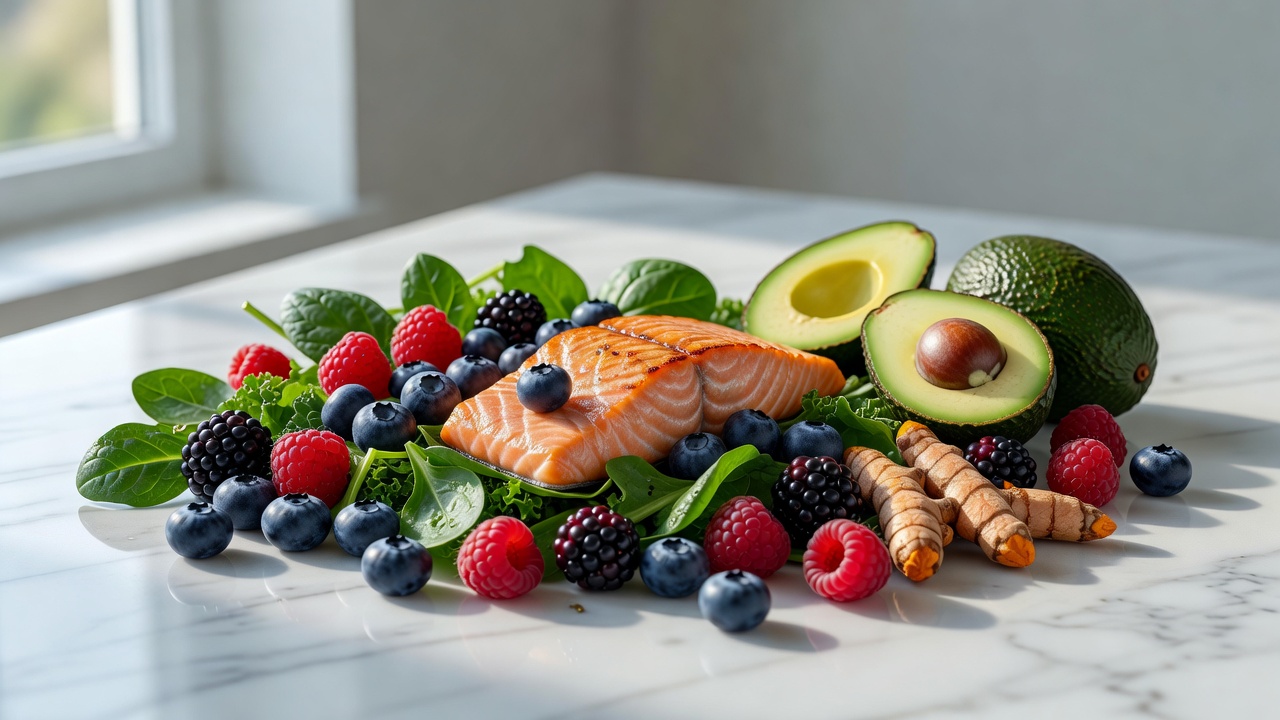
Build meals around these proven options, each chosen for specific skin benefits:
- Berries including blueberries and strawberries supply anthocyanins that neutralize free radicals and support microcirculation.
- Fatty fish such as salmon provide EPA and DHA to maintain skin lipid balance and reduce scaling.
- Leafy greens like spinach and kale offer vitamins A, C, and K plus folate for cellular repair.
- Turmeric and ginger deliver curcumin and gingerol to inhibit inflammatory enzymes.
- Nuts and seeds including walnuts and flaxseeds contribute alpha-linolenic acid and zinc for wound healing.
- Avocados and olive oil furnish monounsaturated fats and vitamin E to reinforce the skin barrier.
- Additional choices like tomatoes, broccoli, and green tea add lycopene and catechins that further combat oxidative stress.
Rotate these foods across breakfast, lunch, and dinner for balanced nutrient intake and sustained results.
Three Inflammation-Fighting Recipes with Step-by-Step Prep
These beginner-friendly recipes deliver targeted nutrients in under 30 minutes each.
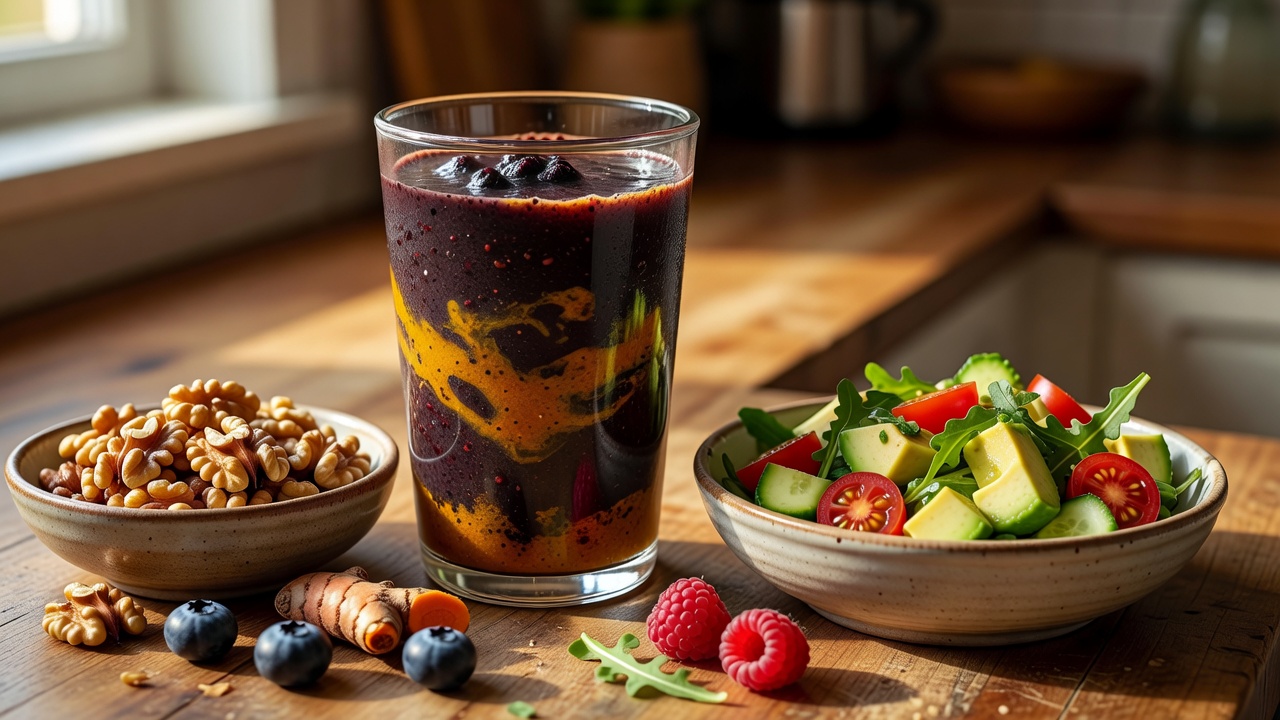
1. Berry Turmeric Smoothie
Ingredients: 1 cup mixed berries, 1 banana, 1 teaspoon fresh turmeric, 1 tablespoon ground flaxseeds, 1 cup unsweetened almond milk, optional pinch of black pepper for absorption. Steps: 1. Add all items to a blender. 2. Blend on high for 45 seconds until smooth. 3. Pour and consume immediately. Benefits: Provides antioxidants and omega-3s to start the day with reduced morning redness. Serves 1, ready in 5 minutes. Variation: Swap almond milk for oat milk if preferred.
2. Baked Salmon with Ginger Greens
Ingredients: 4-ounce salmon fillet, 1 teaspoon grated ginger, 2 cups spinach, 1 tablespoon olive oil, lemon wedge, herbs to taste. Steps: 1. Preheat oven to 400°F. 2. Place salmon on parchment, season with ginger and herbs. 3. Bake 12 minutes. 4. Sauté spinach in olive oil for 3 minutes. 5. Plate together with lemon. Benefits: Omega-3s and greens work synergistically for hydration and calm. Serves 1, ready in 20 minutes.
3. Walnut Avocado Salad
Ingredients: 2 cups mixed greens, half avocado sliced, 1/4 cup walnuts, 1 tablespoon olive oil, splash of apple cider vinegar. Steps: 1. Arrange greens in bowl. 2. Top with avocado and walnuts. 3. Drizzle dressing and toss. Benefits: Healthy fats support barrier repair and satiety. Serves 1, ready in 10 minutes. Tip: Add leftover grilled vegetables for extra volume.
30-Day Integration Plan for Visible Results
Follow this phased approach to build habits without overwhelm. Days 1-7: Introduce two new foods daily and log skin changes in a simple journal noting redness, texture, and breakouts. Days 8-14: Add one recipe per day and increase vegetable portions. Days 15-21: Incorporate all three recipes weekly while tracking hydration at eight glasses daily. Days 22-30: Focus on meal prep, batch-cooking greens and smoothies, and reviewing progress photos. Users often see calmer skin by day 21 when consistency is maintained. Adjust portions based on energy levels and consult a professional for personalized tweaks.
Real-World Before-and-After Case Examples
Case 1: A 28-year-old with hormonal acne added berries and salmon daily; after 21 days, inflammatory lesions decreased noticeably with improved skin tone. Case 2: A 35-year-old managing eczema reported less itching and flaking within four weeks after adopting the full plan and recipes. Case 3: A 42-year-old beginner tracked progress through weekly photos and noted reduced overall redness by day 28, attributing success to consistent turmeric use and green vegetable intake. These examples illustrate that steady dietary shifts produce measurable barrier improvements.
Budget Shopping Tips for Sustainable Eating
Focus on versatile staples: purchase frozen berries in bulk for smoothies, seasonal greens from local markets, and canned or frozen salmon during sales. Buy walnuts and flaxseeds in larger bags for multiple uses across recipes. Plan weekly menus around overlapping ingredients to minimize waste. Store herbs like turmeric root in the freezer and use olive oil as a base for dressings. These strategies keep meals nutrient-rich while controlling overall grocery spending through smart repetition and seasonal choices.
Mistakes to Avoid When Starting an Anti-Inflammatory Diet
Common pitfalls include eliminating too many foods at once, which leads to nutrient gaps; ignoring hydration, which impairs barrier function; and expecting overnight results. Another frequent error is overlooking hidden sources of inflammation in beverages or condiments. Beginners should introduce changes gradually, pair meals with adequate sleep, and avoid comparing timelines with others. Tracking small wins, such as fewer morning flare-ups, helps maintain motivation.
FAQ: Timelines, Expectations, and Common Questions
How long until visible results? Most notice reduced redness within 2-4 weeks, with clearer texture by 30 days when following the plan consistently.
Can supplements replace whole foods? Whole foods provide synergistic nutrients that isolated supplements often lack; focus on diet first.
What if I have food sensitivities? Start with a simple elimination test of common triggers like dairy while emphasizing tolerated anti-inflammatory options.
Is this suitable for all ages? The principles apply broadly, though individuals with medical conditions should review changes with a healthcare provider.
For authoritative guidance on nutrition and health, consult resources from the World Health Organization and National Center for Biotechnology Information. Additional evidence-based overviews are available at Mayo Clinic.
Conclusion
An anti-inflammatory diet offers a practical, evidence-supported strategy for clearer skin in 2026. By emphasizing key foods, preparing simple recipes, and following a structured 30-day plan, beginners can reduce inflammation, strengthen the skin barrier, and enjoy lasting improvements. Consistency, mindful shopping, and awareness of common mistakes turn this approach into a sustainable lifestyle that delivers visible, natural results over time.
No comments yet. Be the first!