 Func Eats
Understanding the Link Between Inflammation and Heart Health
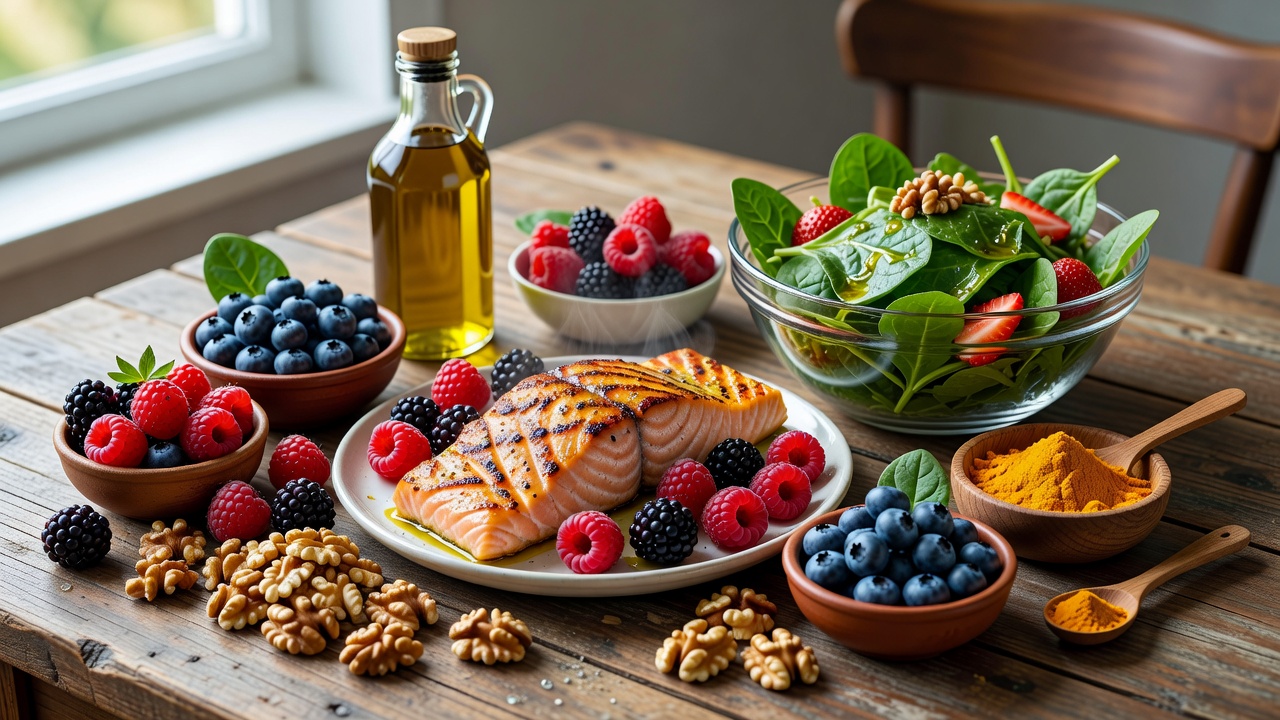
Chronic low-grade inflammation contributes directly to the progression of atherosclerosis, high blood pressure, and other cardiovascular conditions. An anti-inflammatory diet counters these effects by supplying antioxidants, omega-3 fatty acids, and fiber that calm immune responses and protect blood vessel linings. Large observational studies consistently show that people who eat this way experience lower rates of heart attacks and strokes compared with those following typical Western eating patterns high in refined carbohydrates and saturated fats. The American Heart Association emphasizes that consistent dietary choices can improve endothelial function and reduce arterial stiffness over months and years. American Heart Association resources explain how specific nutrients modulate inflammatory pathways, offering a practical foundation for daily decisions.
Unlike short-term fad diets, this approach focuses on sustainable food patterns rather than strict calorie restriction. Individuals often report better energy levels, improved sleep, and easier weight management once they shift emphasis toward whole foods. The transition becomes easier when small, repeatable swaps are introduced gradually instead of attempting complete overhauls overnight.
Key Anti-Inflammatory Foods for Cardiovascular Support
Fatty Fish and Omega-3 Sources
Salmon, mackerel, and sardines deliver concentrated amounts of EPA and DHA that lower triglyceride levels and decrease plaque formation risk. Eating these fish two to three times weekly provides measurable benefits within eight to twelve weeks, according to clinical observations. For those who prefer plant sources, ground flaxseeds and chia seeds offer alpha-linolenic acid that the body partially converts to the same protective compounds.
Leafy Greens and Nitrate-Rich Vegetables
Spinach, kale, Swiss chard, and arugula contain dietary nitrates that convert to nitric oxide, relaxing blood vessels and supporting healthy blood pressure. One large handful daily can produce noticeable improvements in vascular function. These greens also supply folate and magnesium, two nutrients frequently linked to reduced homocysteine levels and lower arrhythmia risk.
Nuts, Seeds, and Healthy Fats
Almonds, walnuts, and pistachios provide monounsaturated fats plus polyphenols that combat oxidative stress. A daily serving of about one ounce has been associated with improved LDL particle size and reduced inflammation markers. Extra-virgin olive oil serves a similar role when used as the primary cooking fat, delivering oleocanthal compounds with ibuprofen-like effects.
Berries, Spices, and Additional Powerhouses
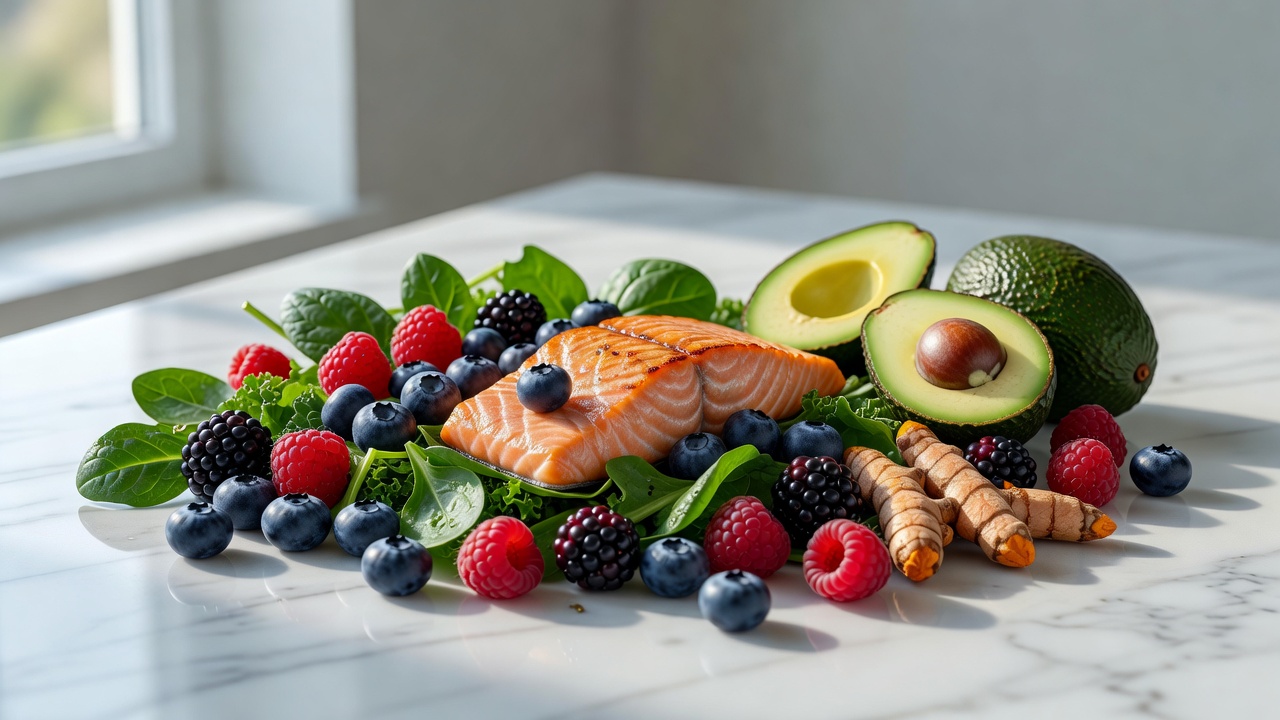
Blueberries, strawberries, and blackberries are rich in anthocyanins that protect capillaries and reduce blood pressure. Turmeric paired with black pepper enhances curcumin absorption, while ginger and garlic add further anti-inflammatory compounds. Incorporating these items regularly creates cumulative protection against endothelial damage.
Science-Backed Benefits and Comparisons to Standard Diets
Randomized trials demonstrate that anti-inflammatory eating patterns lower C-reactive protein and interleukin-6 levels within four to six weeks. Participants also show modest but consistent drops in systolic blood pressure and improvements in HDL cholesterol. In contrast, standard American diets high in processed meats and sugary beverages tend to elevate these same markers. The Mediterranean diet, which overlaps heavily with anti-inflammatory principles, produced a roughly 30 percent reduction in major cardiovascular events in the landmark PREDIMED study. Adopting similar habits today means focusing on variety, color, and minimally processed ingredients rather than eliminating entire food groups.
Heart-Healthy Recipes to Try at Home
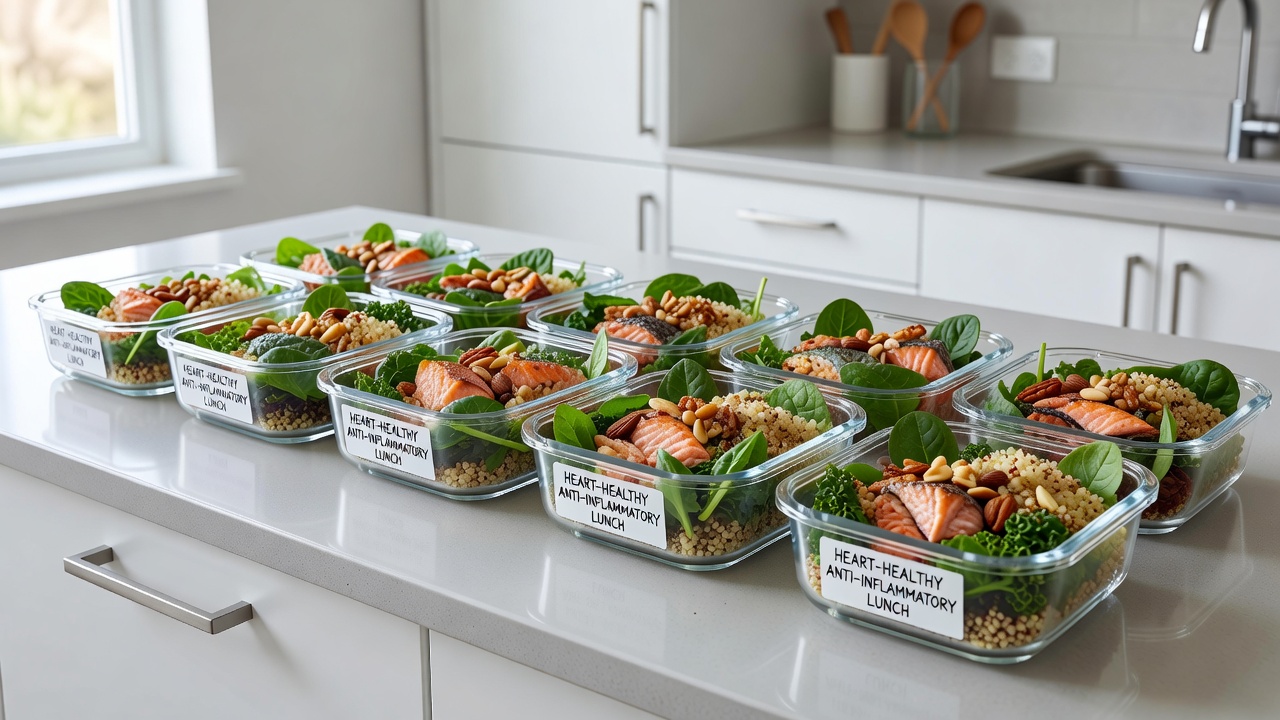
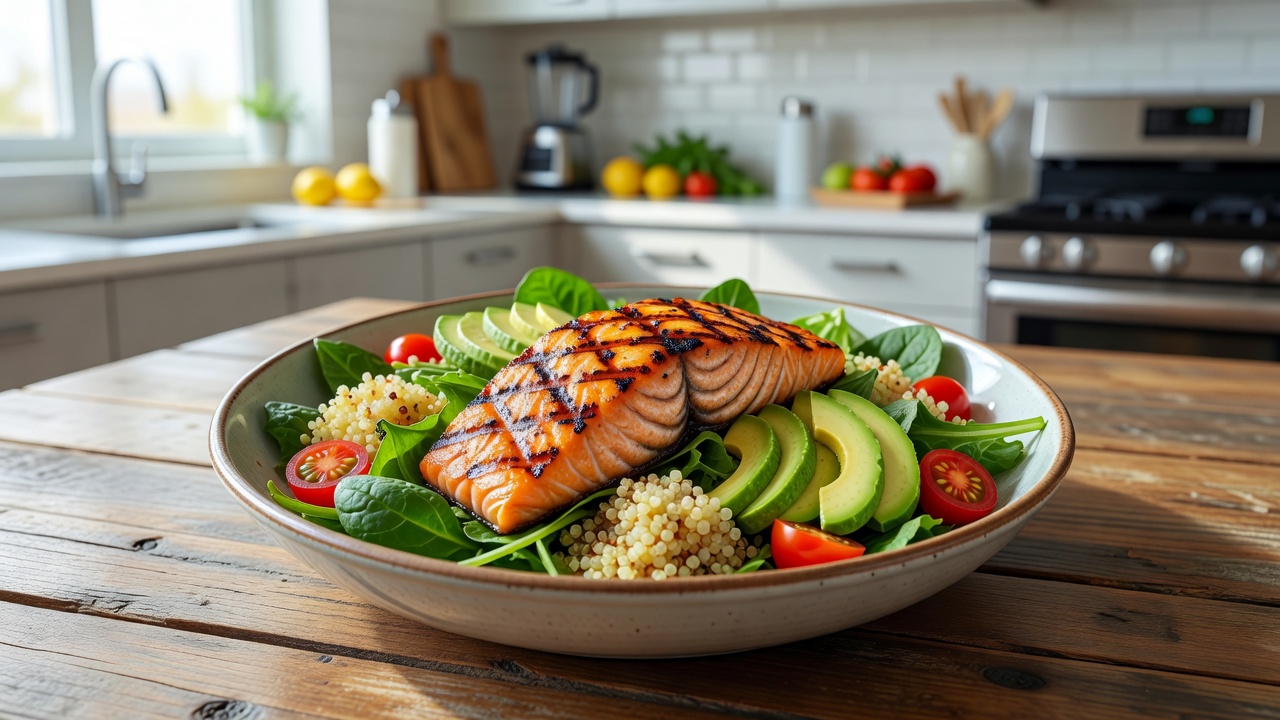
Breakfast can feature overnight oats made with rolled oats, almond milk, ground flax, fresh blueberries, and a sprinkle of walnuts. Lunch ideas include a quinoa bowl topped with grilled salmon, mixed greens, avocado slices, and an olive-oil lemon dressing. Dinner options range from baked mackerel with roasted Brussels sprouts and sweet potatoes to lentil soup simmered with turmeric, garlic, and spinach. Snacks such as apple slices with almond butter or carrot sticks with hummus keep blood sugar stable between meals. Each recipe emphasizes minimal added salt and maximum use of herbs for flavor.
Sample Weekly Meal Integration Plan
Monday starts with the oat bowl described above, followed by a chickpea salad at lunch and grilled salmon with greens at dinner. Tuesday features a spinach smoothie for breakfast, turkey-free lentil wrap for lunch, and baked cod with broccoli for dinner. Wednesday through Friday rotate similar proteins while varying vegetables to prevent boredom. Saturday allows a larger brunch of vegetable frittata with herbs, and Sunday focuses on batch-cooking soups and grain bowls for the coming week. Snacks remain consistent: a small handful of mixed nuts or fresh fruit. Portion guidance suggests filling half the plate with vegetables, one-quarter with protein, and one-quarter with whole grains at each main meal.
Shopping Tips for Long-Term Success
Begin by scanning weekly grocery circulars for sales on frozen wild-caught fish and seasonal produce. Keep a running list organized by store sections to reduce impulse purchases. Choose frozen berries when fresh options exceed budget, since nutrient retention remains high. Stock the pantry with canned sardines in olive oil, dried lentils, and rolled oats. Read every label for hidden added sugars and hydrogenated oils. Buying nuts in bulk and storing them in the freezer extends freshness for months. Planning three meals around overlapping ingredients cuts both time and waste significantly.
Common Mistakes to Avoid
Many people over-rely on supplements instead of whole foods, missing synergistic effects from fiber and polyphenols. Others eliminate all fats, which can reduce absorption of fat-soluble vitamins and leave meals unsatisfying. Skipping meals often leads to later overeating of convenience foods. Finally, failing to adjust portions for activity level can stall progress; active individuals need slightly larger servings of nutrient-dense carbohydrates such as sweet potatoes or quinoa.
Common FAQs on Portions and Substitutions
How much fatty fish counts as one serving? A three- to four-ounce cooked portion satisfies daily omega-3 needs when eaten twice weekly. What if someone dislikes fish? Chia pudding or walnuts can serve as partial substitutes, though conversion efficiency varies. Are nightshade vegetables inflammatory? Most research finds no consistent link for the general population, so individual tolerance testing is recommended. How should portions change for weight loss? Focus on vegetable volume first, then moderate grain and nut quantities while maintaining protein at each meal.
Conclusion: Embracing Sustainable Heart-Focused Nutrition
Building an anti-inflammatory diet around everyday foods offers a realistic, evidence-supported path to better cardiovascular health. By combining the specific foods, recipes, and planning strategies outlined above, readers can create lasting habits that protect the heart while improving overall quality of life. Small, consistent choices compound over time, delivering benefits that extend far beyond the dinner table.
No comments yet. Be the first!