 Func Eats
Introduction: How Inflammation Disrupts Hormones
Chronic low-grade inflammation interferes with the endocrine system, elevating cortisol, promoting estrogen dominance, and driving insulin resistance. An anti-inflammatory diet counters these effects by supplying antioxidants, omega-3 fatty acids, and fiber that calm immune responses and support liver detoxification of excess hormones. This guide provides a practical roadmap for beginners seeking natural regulation without restrictive calorie counting. By understanding the interplay between inflammatory markers and hormone production, readers can make informed choices that lead to sustained energy, balanced moods, and improved metabolic health over time.
Understanding the Hormone-Inflammation Connection
Estrogen metabolism slows when inflammatory cytokines rise, leading to symptoms such as bloating, mood swings, and irregular cycles. Elevated cortisol from ongoing stress further amplifies blood sugar spikes, while insulin resistance fuels more inflammation in a feedback loop. Research from major health institutions shows that consistent intake of specific plant compounds and healthy fats can interrupt this cycle within weeks. National Institutes of Health highlights how dietary polyphenols reduce oxidative stress on endocrine glands. Key mechanisms include reduced NF-kB signaling, improved gut barrier function, and enhanced phase II liver detoxification pathways. Individuals often notice steadier energy and fewer cravings after 14–21 days of targeted eating. For example, replacing processed snacks with whole-food options can lower C-reactive protein levels, directly benefiting cortisol regulation and insulin sensitivity.
Additional factors like sleep disruption and environmental toxins compound these issues, making a holistic dietary approach essential. Women experiencing perimenopause or men with low testosterone often find that reducing inflammatory foods restores hormonal equilibrium faster than medication alone in mild cases.
Top Anti-Inflammatory Foods for Endocrine Health
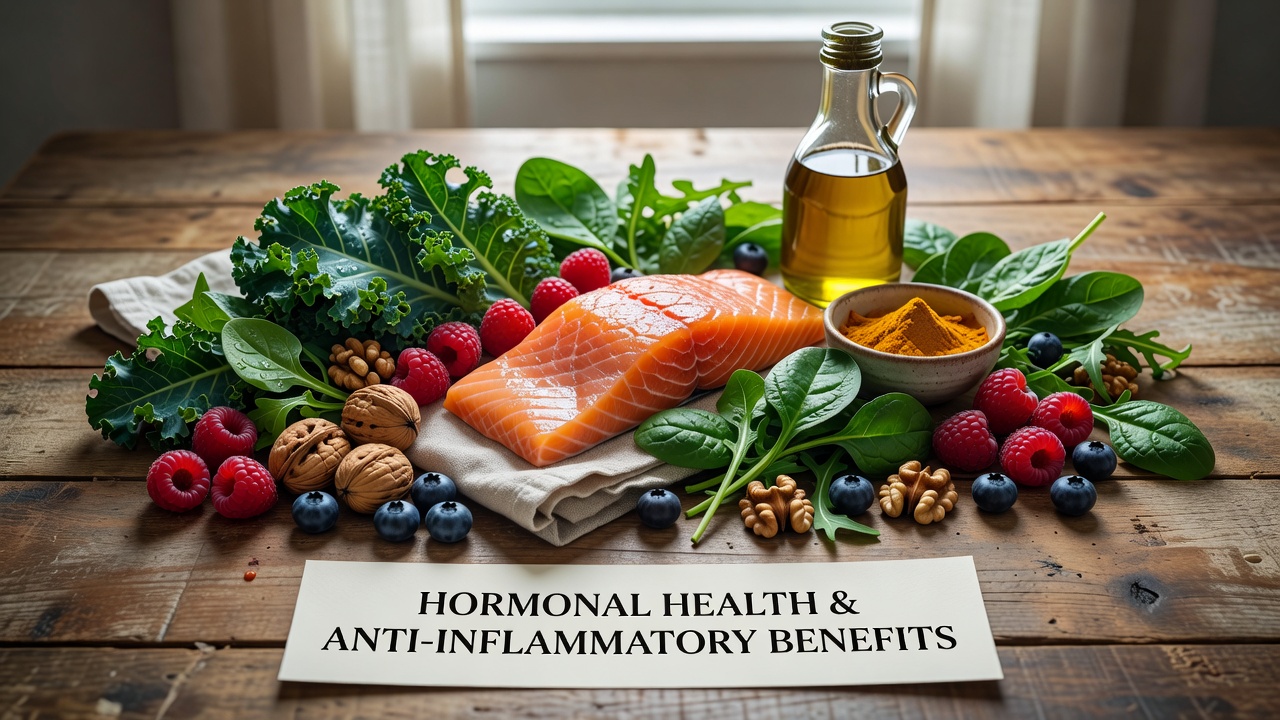
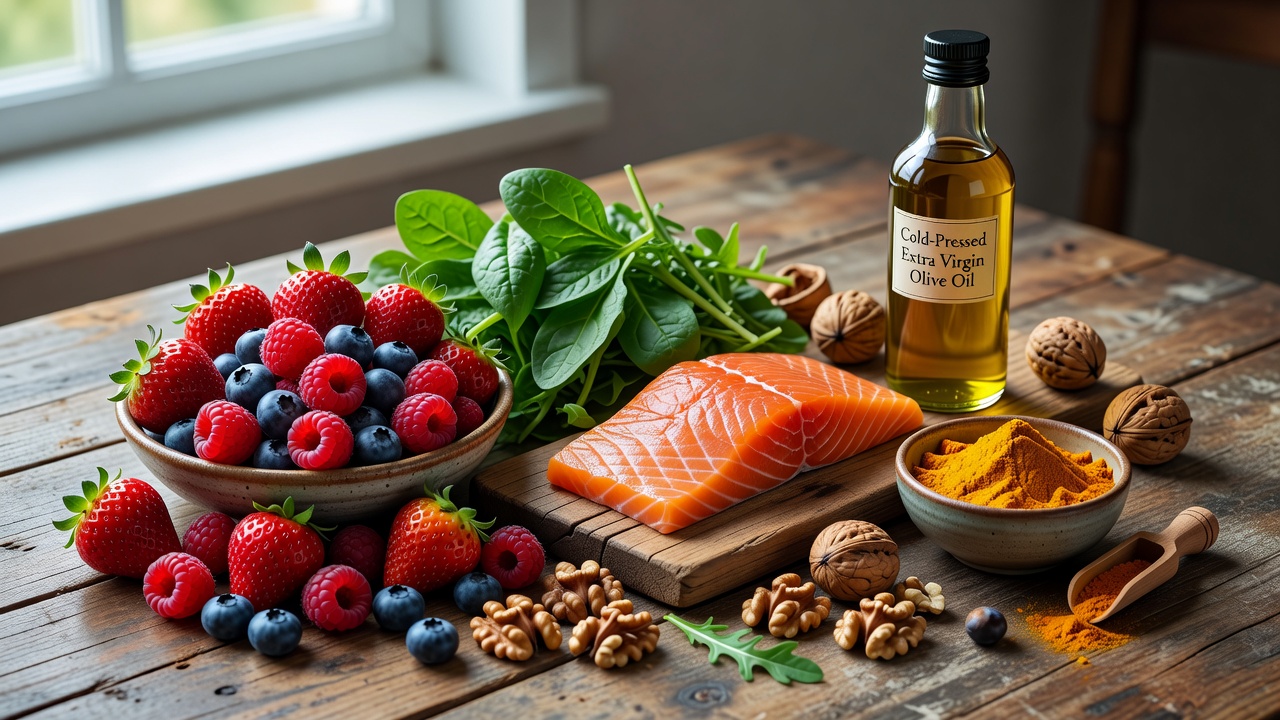
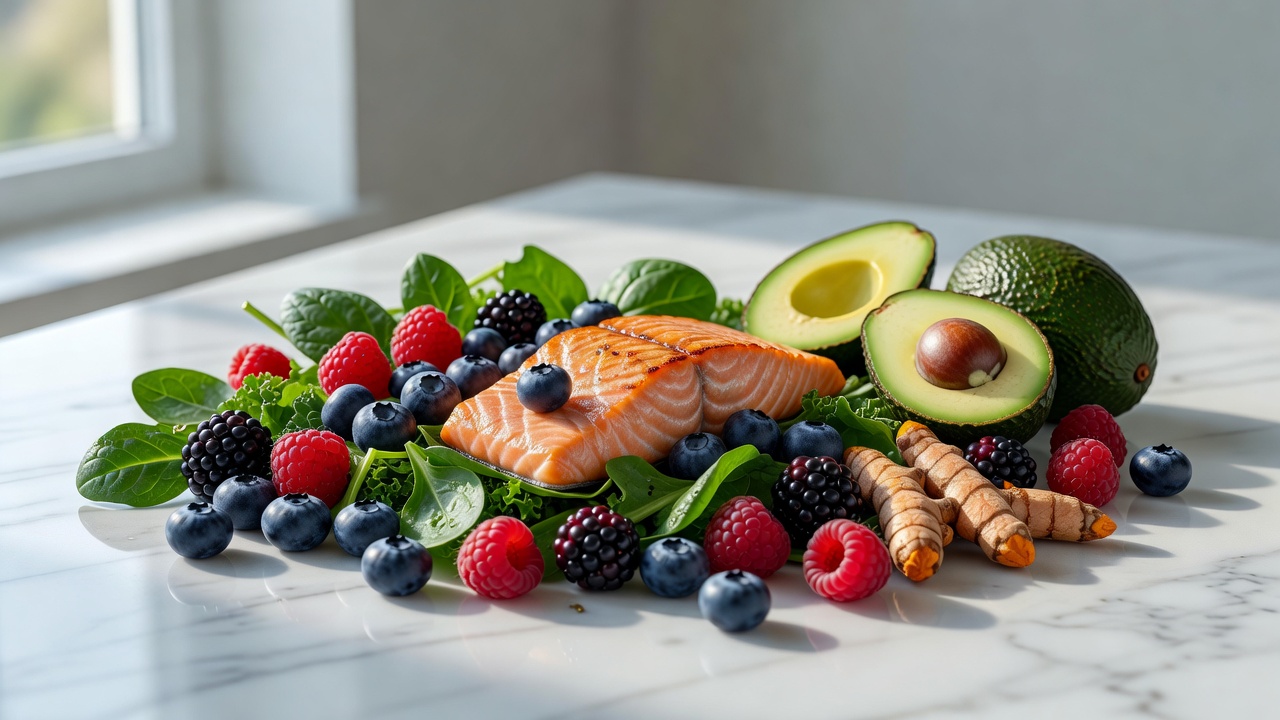
Focus on whole foods that deliver polyphenols, omega-3s, and magnesium. Leafy greens such as spinach and kale provide folate and magnesium that aid cortisol regulation while supporting estrogen clearance through the liver. Fatty fish like salmon and mackerel supply EPA and DHA to lower prostaglandin-driven inflammation that exacerbates hormonal imbalances. Nuts, especially walnuts and almonds, offer vitamin E and healthy fats that stabilize insulin levels throughout the day.
Additional powerhouses include berries for anthocyanins that protect cells from oxidative damage, turmeric for curcumin with potent anti-inflammatory properties, and olive oil for oleocanthal that mimics ibuprofen effects naturally. Seeds like flax and chia add lignans that help modulate estrogen activity. Rotate these items daily to prevent nutrient gaps and maintain microbiome diversity, which plays a critical role in hormone metabolism via the estrobolome. Incorporating fermented foods such as kimchi or sauerkraut further supports gut health, indirectly aiding insulin and cortisol balance.
Five Hormone-Supporting Recipes
Each recipe emphasizes anti-inflammatory ingredients and requires under 30 minutes of active prep. They are designed for easy scaling and can be adapted for dietary preferences like vegetarian or gluten-free lifestyles.
1. Turmeric-Ginger Salmon Bowl
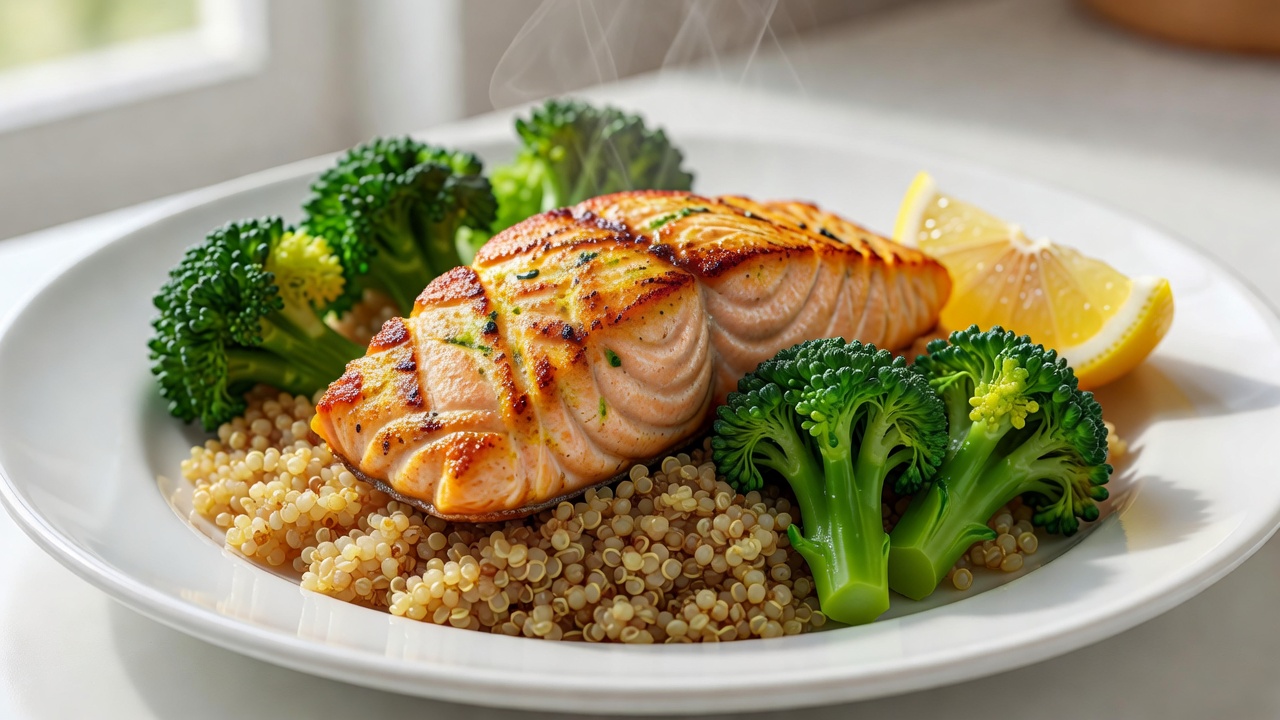
Ingredients: 4 oz wild salmon, 1 cup steamed broccoli, ½ cup quinoa, 1 tsp turmeric, fresh ginger, olive oil, lemon. Method: Roast salmon with turmeric and ginger at 400°F for 12 minutes. Serve over quinoa with broccoli and a drizzle of olive oil. This meal delivers omega-3s and curcumin in one bowl, helping reduce cortisol while providing steady protein for insulin control. Add a side of sliced avocado for extra magnesium.
2. Berry-Walnut Overnight Oats
Ingredients: ½ cup rolled oats, 1 cup almond milk, ½ cup mixed berries, 1 tbsp walnuts, 1 tsp chia seeds. Combine and refrigerate overnight. The fiber and polyphenols help blunt morning cortisol spikes and promote stable blood sugar. Top with a sprinkle of cinnamon for added anti-inflammatory benefits.
3. Kale and Avocado Salad with Olive Oil Dressing
Massage kale with lemon juice, top with avocado slices, pumpkin seeds, and a simple olive oil dressing. Magnesium-rich greens support estrogen metabolism while healthy fats improve nutrient absorption. Include cherry tomatoes and cucumber for extra antioxidants and hydration.
4. Lentil and Vegetable Curry
Sauté onions, garlic, turmeric, and cumin; add red lentils, spinach, and coconut milk. Simmer 20 minutes. Plant protein and anti-inflammatory spices stabilize insulin without spiking blood sugar. Serve with cauliflower rice for a lower-carb option that still satisfies.
5. Grilled Mackerel with Roasted Brussels Sprouts
Season mackerel fillets and roast alongside Brussels sprouts tossed in olive oil. Finish with fresh parsley. High omega-3 content directly targets cortisol pathways and supports brain health linked to hormonal mood regulation. Pair with a small portion of sweet potato for balanced carbohydrates.
30-Day Transition Plan
Week 1: Replace refined grains with quinoa or sweet potato and add one serving of leafy greens daily. Focus on hydration with herbal teas and eliminate one processed item per day. Week 2: Introduce fatty fish twice weekly and eliminate sugary beverages entirely. Experiment with two new recipes from the list above. Week 3: Incorporate two new recipes and practice mindful eating at each meal by chewing slowly and avoiding screens. Track sleep quality, mood, and digestion daily in a simple journal. Week 4: Fine-tune portions based on energy levels and begin simple symptom journaling. Review progress and adjust by adding more nuts or seeds if cravings persist. Sample daily schedule includes a berry oat breakfast, salmon lunch, and lentil curry dinner with snacks like walnuts or carrot sticks with hummus.
Common Pitfalls to Avoid
- Over-relying on supplements instead of food-first strategies that provide synergistic nutrients.
- Skipping healthy fats, which impairs hormone production and satiety signals.
- Consuming “healthy” processed bars loaded with added sugars that counteract anti-inflammatory efforts.
- Ignoring sleep and stress management, both of which amplify inflammation and disrupt cortisol rhythms.
- Neglecting variety, leading to boredom and inconsistent adherence over the month.
Tracking Progress and Expected Symptom Improvements
Compare baseline and 30-day metrics: energy stability, menstrual regularity, sleep latency, and waist circumference. Many report reduced bloating within 10 days and steadier mood by week three. Use a simple 1–10 scale for symptoms and note dietary adherence to identify patterns. Apps or paper logs work equally well; photograph meals for visual accountability. Expected improvements include fewer afternoon energy crashes, clearer skin, and better focus as insulin sensitivity improves.
Expert Tips for Long-Term Success
Batch-cook grains and proteins on weekends to reduce daily decision fatigue. Pair meals with 10 minutes of walking after eating to improve insulin sensitivity naturally. Consult a registered dietitian if symptoms persist beyond 60 days. Combine dietary changes with stress-reduction techniques such as diaphragmatic breathing for amplified cortisol control. World Health Organization resources emphasize sustainable lifestyle patterns over short-term diets. Consider seasonal produce swaps to keep meals interesting while maintaining nutrient density.
FAQ
How should I handle meal prep for busy weeks?
Prepare base components—roasted vegetables, cooked lentils, and pre-portioned fish—on Sunday. Store in glass containers for quick assembly of the five core recipes. Label containers with dates to ensure freshness.
Can supplements enhance the diet?
Omega-3 fish oil, magnesium glycinate, and curcumin with piperine show synergistic effects when diet alone falls short. Always choose third-party tested products and discuss with a healthcare provider before starting.
Is this approach suitable for vegetarians?
Yes. Emphasize lentils, walnuts, flaxseeds, and plenty of colorful vegetables while using algae-based omega-3s if needed. Tofu and tempeh can substitute for fish in recipes.
What if I experience digestive changes during transition?
Increased fiber may cause temporary bloating; introduce new foods gradually and stay hydrated. Probiotic-rich foods help ease adaptation within the first week.
Conclusion
Adopting an anti-inflammatory eating pattern offers a sustainable path to hormonal equilibrium. By prioritizing leafy greens, fatty fish, nuts, and targeted recipes while following a structured 30-day plan, most people experience meaningful improvements in energy, mood, and metabolic markers. Consistency and mindful tracking turn short-term changes into lasting endocrine health that supports overall well-being for years ahead.
No comments yet. Be the first!