 Func Eats
Introduction
Exercise-induced inflammation is a natural response that helps muscles repair and adapt after intense physical activity, but when it becomes chronic or excessive it can delay recovery, increase injury risk, and hinder performance gains. An anti-inflammatory diet helps athletes manage this process through targeted nutrition that emphasizes foods rich in omega-3 fatty acids, antioxidants, and polyphenols. This comprehensive guide explores the underlying science, compares plant and animal sources in detail, provides practical timing advice for nutrient intake around training sessions, offers a full sample daily meal framework, delivers three easy-to-prepare recovery recipes with step-by-step instructions, and shares progress tracking tips along with answers to common questions.
Understanding Exercise-Induced Inflammation
Intense training triggers the release of pro-inflammatory cytokines such as IL-6 and TNF-alpha as part of the body's repair mechanism. While short-term inflammation supports muscle adaptation and growth, prolonged elevation can impair performance and lead to overtraining symptoms. Research from institutions like the National Institutes of Health demonstrates that dietary patterns rich in fruits, vegetables, fatty fish, and healthy fats can effectively modulate these inflammatory responses. Athletes who consistently incorporate anti-inflammatory foods often experience reduced muscle soreness, faster return to peak training loads, and better overall resilience during competitive seasons.
Key Anti-Inflammatory Foods for Athletes
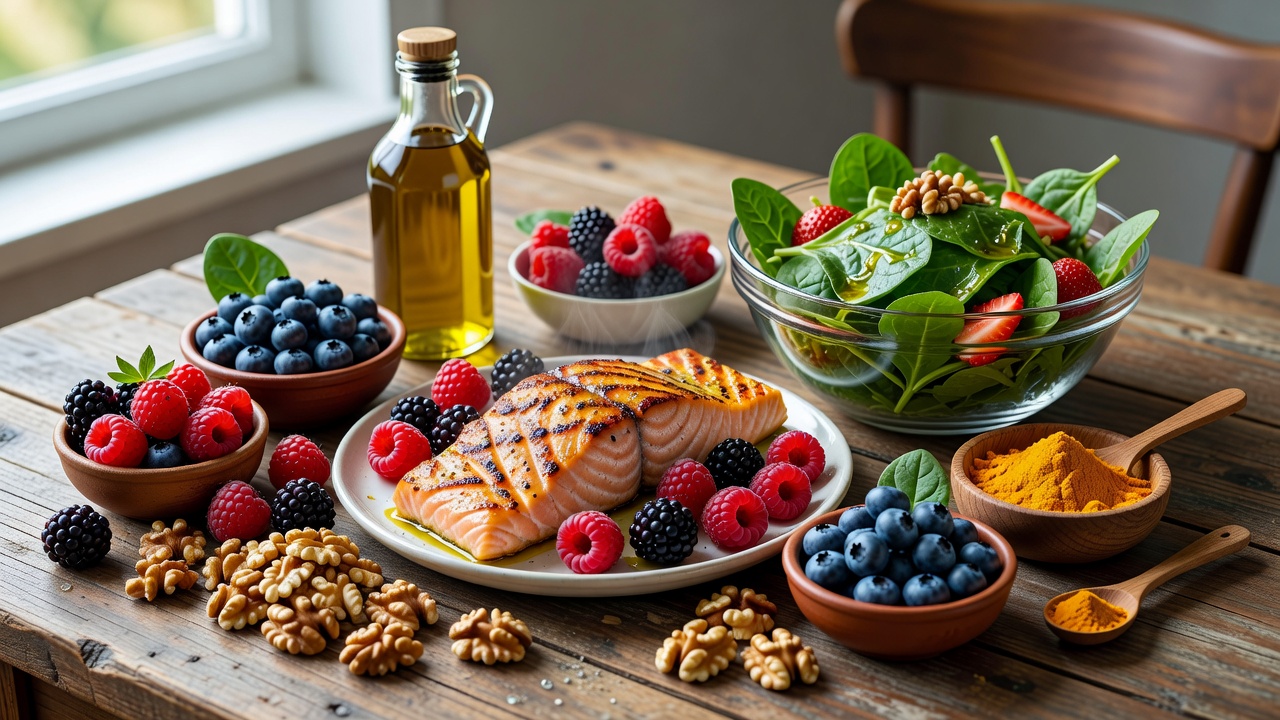
Fatty fish such as salmon, mackerel, and sardines provide high levels of EPA and DHA omega-3s that directly compete with pro-inflammatory pathways. Leafy greens including spinach, kale, and Swiss chard deliver vitamins A, C, and K plus magnesium that supports muscle relaxation. Berries like blueberries, strawberries, and cherries are packed with anthocyanins that neutralize free radicals produced during exercise. Nuts and seeds, particularly walnuts, almonds, flaxseeds, and chia seeds, supply alpha-linolenic acid and vitamin E for cellular protection. Turmeric contains curcumin, a compound shown to inhibit inflammatory enzymes when paired with black pepper for better absorption. Additional powerhouses include olive oil for monounsaturated fats, tomatoes for lycopene, and green tea for catechins that reduce oxidative stress. Incorporating a variety of these foods daily creates synergistic effects that amplify recovery benefits beyond any single item.
Plant Versus Animal Sources: A Detailed Comparison
Animal sources such as wild-caught salmon and sardines deliver highly bioavailable EPA and DHA omega-3s that the body can use immediately without conversion. These foods also provide complete protein essential for muscle repair. Plant sources like flaxseeds, chia seeds, and walnuts offer ALA omega-3s, which the body converts to EPA and DHA at low rates of roughly 5-10 percent. However, plants bring additional fiber, polyphenols, and micronutrients that support gut health and long-term inflammation control. Athletes benefit most from combining both categories: aim for two to three servings of fatty fish per week alongside daily portions of seeds, nuts, and leafy greens. This balanced approach maximizes nutrient density while accommodating vegetarian or vegan preferences through fortified foods or algae-based alternatives when needed.
Timing Nutrient Intake Around Training Sessions
Strategic timing enhances the anti-inflammatory impact of meals. Consume a balanced meal containing protein, complex carbs, and anti-inflammatory fats two to three hours before workouts to stabilize blood sugar and reduce oxidative load during exercise. For example, endurance runners might choose oatmeal with berries and walnuts, while strength athletes may prefer eggs with spinach and avocado. Immediately post-workout, prioritize a combination of protein and anti-inflammatory carbohydrates within 30 to 60 minutes to kickstart repair processes; a smoothie with Greek yogurt, cherries, and turmeric works well. Evening meals should emphasize leafy greens, nuts, and fatty fish to support overnight recovery and lower next-day soreness. During long training sessions, sipping water infused with lemon and a pinch of turmeric can provide ongoing antioxidant support without digestive burden.
Sample Daily Meal Framework
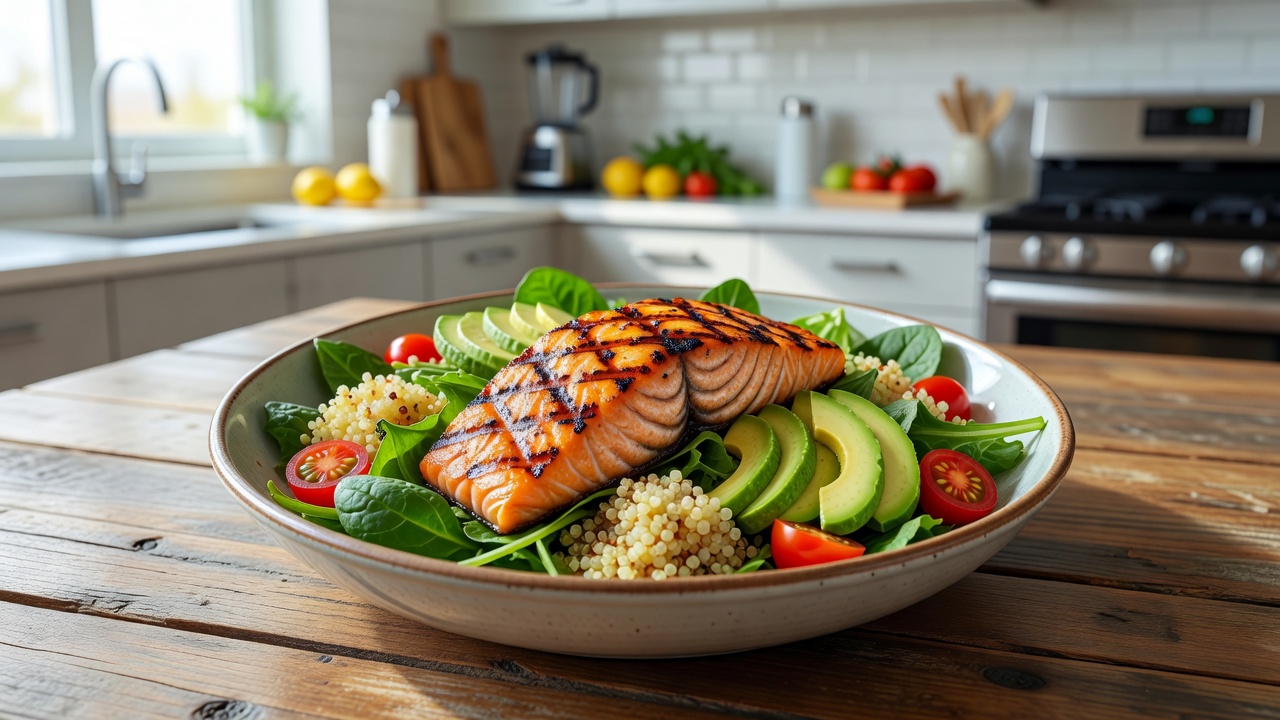
Here is a practical framework that athletes can adapt based on training volume and body weight goals. Breakfast: Steel-cut oats topped with fresh blueberries, ground flaxseeds, sliced almonds, and a dash of turmeric. Mid-morning snack: A handful of walnuts paired with a green apple. Lunch: Grilled salmon over a large mixed green salad including kale, cherry tomatoes, cucumber, avocado, and an olive oil-lemon dressing. Pre-workout: A banana with almond butter and a sprinkle of cinnamon. Post-workout: A recovery shake or the salmon kale bowl recipe below. Dinner: Quinoa mixed with roasted vegetables, chickpeas, spinach, and fresh herbs drizzled with tahini. This pattern delivers steady anti-inflammatory compounds throughout the day while meeting elevated protein and carbohydrate needs for active individuals.
Three Easy Recovery Recipes
These recipes are designed for quick preparation using accessible ingredients and deliver targeted nutrition for pre- and post-workout windows.
1. Pre-Workout Turmeric Berry Smoothie
Ingredients: 1 cup fresh spinach, 1 frozen banana, 1 cup mixed berries, 1 teaspoon turmeric powder, 1 tablespoon almond butter, 1 cup unsweetened almond milk, and optional 1 scoop plant-based protein. Instructions: Combine all ingredients in a blender and process until smooth. Consume 60-90 minutes before training for sustained energy and reduced inflammation during the session. This recipe provides quick-digesting carbs from fruit alongside anti-inflammatory turmeric and healthy fats from almond butter.
2. Post-Workout Salmon and Kale Bowl
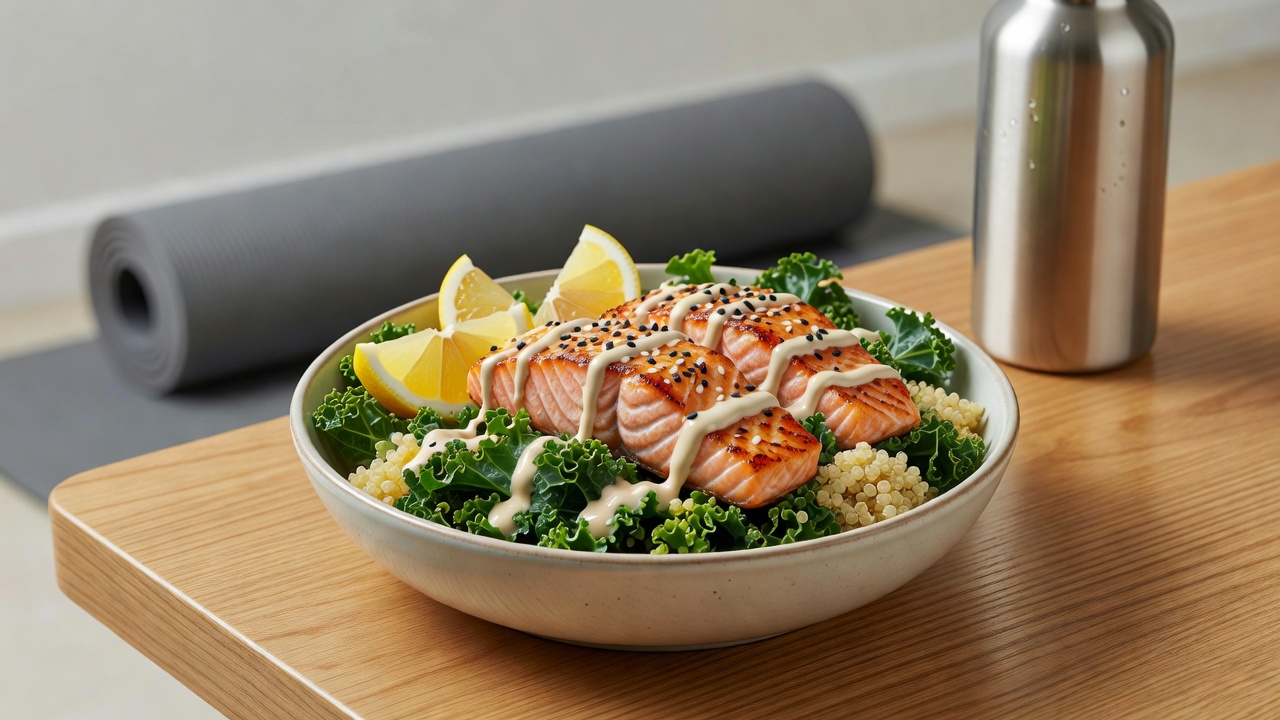
Ingredients: 4 ounces grilled salmon fillet, 2 cups massaged kale, 1 cup cooked quinoa, ½ cup cherry tomatoes, ¼ avocado sliced, 1 tablespoon tahini, juice of half a lemon, and salt and pepper to taste. Instructions: Grill or pan-sear the salmon for 4-5 minutes per side. Massage kale with a small amount of olive oil and lemon juice to reduce bitterness. Assemble the bowl by layering quinoa, kale, tomatoes, and avocado, then top with flaked salmon and drizzle with tahini mixed with remaining lemon juice. Ready in under 20 minutes, this meal supplies complete protein, omega-3s, and a wide spectrum of antioxidants.
3. Nutty Overnight Oats
Ingredients: ½ cup rolled oats, 1 cup milk of choice, 1 tablespoon chia seeds, 1 teaspoon ground cinnamon, ½ cup fresh or frozen cherries, 1 tablespoon chopped walnuts, and a drizzle of honey if desired. Instructions: Mix oats, milk, chia seeds, and cinnamon in a jar. Refrigerate overnight. In the morning, stir in cherries and top with walnuts. This make-ahead option supports morning training or serves as a convenient recovery breakfast rich in fiber and omega-3s from the seeds and nuts.
Mistakes to Avoid When Following an Anti-Inflammatory Diet
Common pitfalls include relying too heavily on processed "health" foods that contain added sugars, neglecting portion control with calorie-dense nuts and seeds, and failing to vary food choices which can lead to nutrient gaps. Another frequent error is ignoring hydration, as even mild dehydration amplifies inflammatory markers. Athletes should also avoid extreme elimination diets without professional guidance, as they may inadvertently cut out beneficial food groups. Finally, inconsistent application—such as eating well only on rest days—limits cumulative benefits; daily adherence produces the most noticeable improvements in recovery metrics.
Progress Tracking Tips
Monitor recovery using a simple daily journal noting muscle soreness on a 1-10 scale, sleep quality, energy levels, and training performance. Track food intake for at least two weeks using an app or notebook to identify which meals correlate with better recovery. Objective measures such as resting heart rate or grip strength can provide additional data points. Many athletes find it helpful to work with a registered sports dietitian for personalized bloodwork analysis and adjustments. Reassess every four to six weeks and tweak the framework based on observed results and changing training demands.
FAQ
Do I need supplements in addition to whole foods? Whole foods should always form the foundation of an anti-inflammatory approach. Targeted supplements such as omega-3 fish oil may provide additional support when dietary intake is consistently low, but consult a healthcare professional before starting any regimen.
How long does it take to notice improvements? Most athletes report reduced soreness and better energy within two to four weeks of consistent dietary changes, with more substantial recovery gains appearing after six to eight weeks.
Can I still eat red meat on this plan? Yes, choose lean, grass-fed cuts in moderation and balance them with abundant plant foods to maintain the overall anti-inflammatory profile.
Is it suitable for vegetarian athletes? Absolutely. Emphasize flax, chia, walnuts, algae oil, and plenty of colorful produce while ensuring adequate complete protein from legumes, dairy, or eggs.
Conclusion
Adopting a well-planned anti-inflammatory diet supports faster recovery, reduced injury risk, and sustained high-level performance for athletes at every level. Begin with simple daily additions such as berries at breakfast and leafy greens at lunch, then progress to structured meal timing and the recipes outlined above. Consistency with whole-food choices yields the strongest long-term results and helps athletes stay healthy throughout demanding training cycles.
No comments yet. Be the first!