 Func Eats
Introduction: Why an Anti-Inflammatory Diet Matters for Gut Health in 2026
Chronic inflammation in the digestive tract contributes to issues like bloating, irregular digestion, and leaky gut syndrome. An anti-inflammatory diet emphasizes whole foods that calm the immune response while nourishing beneficial gut bacteria. This approach has gained strong scientific backing, with research showing measurable improvements in microbiome diversity within weeks of consistent adherence. Readers searching for practical 2026 guidance will find detailed food lists, inflammation-fighting recipes, and actionable strategies here. The diet works by lowering pro-inflammatory cytokines and increasing short-chain fatty acid production from fiber fermentation, creating an environment where beneficial microbes thrive.
Key Anti-Inflammatory Foods That Support the Microbiome
Leafy greens such as spinach, kale, and Swiss chard deliver fiber and polyphenols that feed beneficial bacteria while reducing oxidative stress. Fatty fish like salmon and sardines provide omega-3 fatty acids that lower inflammatory markers. Fermented options including kimchi, sauerkraut, and kefir introduce live probiotics that strengthen the gut lining. Berries supply anthocyanins that protect intestinal cells, while turmeric and ginger inhibit inflammatory enzymes. Extra-virgin olive oil offers oleocanthal, a compound with ibuprofen-like effects, and nuts like walnuts deliver both fiber and healthy fats. Together these foods create a synergistic effect that reduces gut permeability over time.
Additional powerhouse ingredients include garlic, onions, asparagus, and flaxseeds. These items contain prebiotic fibers that selectively feed strains such as Bifidobacteria and Lactobacillus. Rotating seasonal produce prevents dietary monotony and exposes the microbiome to varied polyphenols. Studies from institutions like Mayo Clinic highlight how consistent intake of these foods correlates with lower CRP levels and improved digestive comfort.
Prebiotic vs Probiotic Ingredients: A Clear Comparison
Prebiotics are non-digestible fibers that serve as fuel for existing gut bacteria. Examples include garlic, onions, leeks, asparagus, and bananas. Probiotics are live microorganisms found in fermented foods that directly add beneficial strains. A balanced anti-inflammatory plate combines both: a salad with prebiotic-rich garlic and onions topped with probiotic sauerkraut delivers dual benefits.
- Prebiotic foods improve microbial diversity over time and help regulate bowel movements.
- Probiotic foods provide immediate colonization support and can quickly ease gas and bloating.
- Combining them accelerates symptom relief for bloating and irregular bowel movements while supporting long-term barrier integrity.
- Start with small portions of prebiotics if you experience sensitivity, then gradually increase to avoid temporary discomfort.
Inflammation-Fighting Recipes Tailored for Microbiome Balance
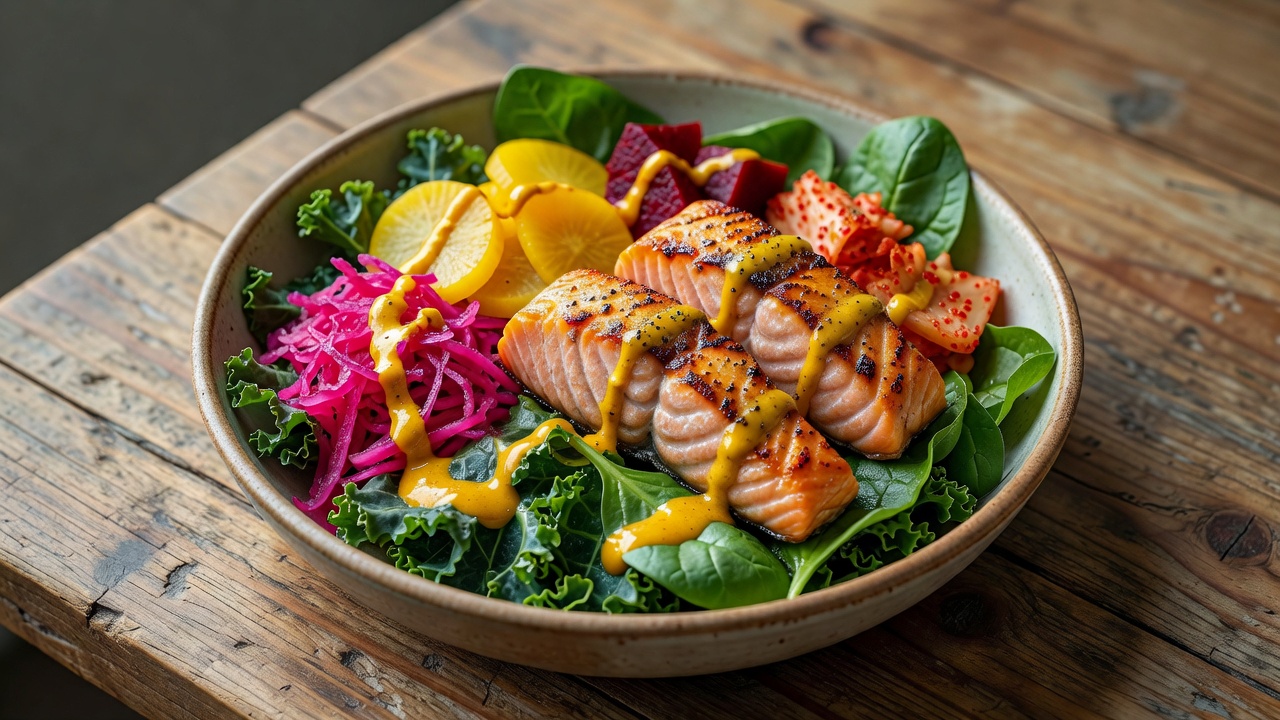
Recipe 1: Turmeric-Ginger Salmon Bowl
Ingredients: 4 oz wild salmon, 1 tsp turmeric, 1 tsp fresh ginger, 2 cups kale, ½ cup cooked quinoa, ¼ cup fermented beet and carrot slaw, 1 tbsp olive oil, lemon juice. Grill or bake the salmon seasoned with turmeric and ginger for 12 minutes. Massage kale with olive oil and lemon, then assemble the bowl. This meal combines omega-3s, prebiotic fiber, and live cultures for a complete anti-inflammatory profile.
Recipe 2: Berry Kefir Smoothie
Blend 1 cup mixed berries, ¾ cup plain kefir, a handful of spinach, 1 tsp ground flaxseed, and a pinch of cinnamon. The antioxidants from berries and probiotics from kefir work together to reduce oxidative stress and support microbial balance. Add a few ice cubes for texture.
Recipe 3: Miso-Glazed Vegetable Stir-Fry
Sauté 2 cups broccoli, 1 cup bok choy, and sliced bell peppers in 1 tbsp olive oil for 5 minutes. Whisk 1 tbsp miso paste with ginger and a splash of water, then toss with the vegetables. Serve over brown rice. Miso adds fermented depth while the vegetables supply prebiotic fiber that feeds beneficial bacteria.
These recipes can be scaled for batch cooking and adapted with seasonal swaps to maintain variety throughout the year.
Step-by-Step Beginner Guide to Anti-Inflammatory Meal Prep
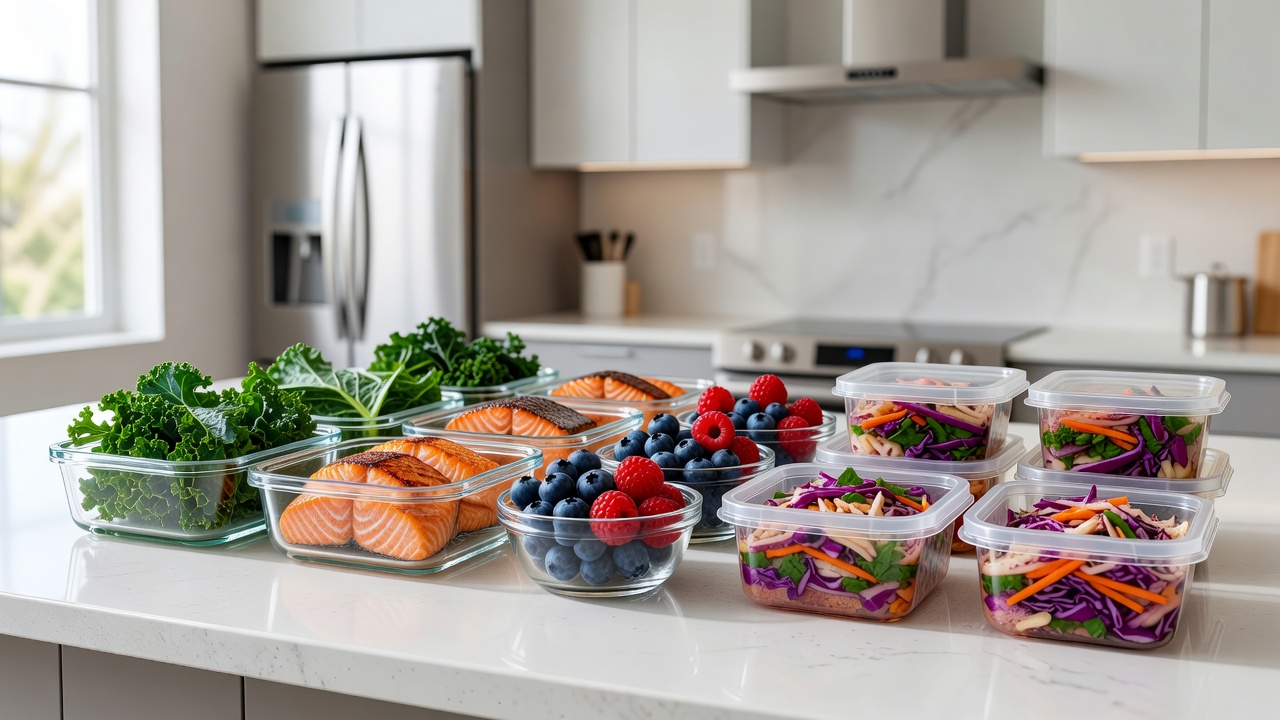
1. Choose one protein source such as salmon or lentils, two vegetables like kale and broccoli, and one fermented item such as sauerkraut.
2. Batch-cook grains like quinoa or farro on Sunday for the week ahead.
3. Prepare dressings using olive oil, turmeric, lemon, and a touch of honey.
4. Portion meals into glass containers to preserve freshness and make grab-and-go options effortless.
5. Rotate fermented foods every few days to maintain microbial variety and prevent adaptation.
6. Create a simple shopping list focused on whole foods and avoid processed items containing added sugars or trans fats.
7. Label containers with dates and plan two to three core meals that can be mixed and matched.
This system reduces daily decision fatigue and ensures consistent intake of anti-inflammatory compounds. Beginners often find success by prepping just three days at a time before expanding to a full week.
Tracking Symptoms and Making Adjustments
Keep a simple journal noting meals, energy levels, stool consistency, and digestive symptoms such as bloating severity on a 1–10 scale. After two weeks, patterns often emerge showing which foods trigger or soothe symptoms. Increase fermented food portions if bloating persists after meals, or add more prebiotic vegetables if regularity is an issue. Many people notice reduced abdominal discomfort within 21 days when following this structured approach. Consider using a basic app or spreadsheet for easier data visualization over months.
Addressing Common Gut Issues: Bloating, Leaky Gut, and Beyond
Bloating frequently stems from rapid fermentation of certain fibers or imbalanced bacteria. Start with smaller servings of high-fiber prebiotics and pair them with probiotics. Leaky gut benefits from omega-3-rich fish and bone broth, which supply collagen precursors that support intestinal barrier function. Consistent use of turmeric and ginger further calms inflammation along the gut lining. For constipation, emphasize flaxseeds and asparagus while staying hydrated. Those with IBS-like symptoms may benefit from temporarily lowering FODMAP-rich prebiotics before reintroducing them slowly. Expert-backed advice from sources such as World Health Organization underscores the role of diverse plant foods in preventing chronic digestive inflammation.
Practical Tips, Mistakes to Avoid, and Long-Term Adherence
Common mistakes include eliminating entire food groups too aggressively or expecting overnight results. Instead, focus on addition rather than restriction by crowding the plate with anti-inflammatory options. Stay consistent with meal timing and include healthy fats at every meal to improve nutrient absorption. For long-term success, experiment with new recipes monthly and involve family members in preparation. Sustainability improves when the diet feels enjoyable rather than restrictive.
FAQ: Supplements and Long-Term Adherence
Should I take supplements? Whole foods remain the priority. If dietary gaps exist, consider a broad-spectrum probiotic or omega-3 supplement after consulting a healthcare provider.
How long until results appear? Most individuals report noticeable digestive improvements within 2–4 weeks, with deeper microbiome shifts occurring over 3–6 months.
Can I eat out while following this diet? Choose grilled fish or vegetable-forward dishes and request olive oil dressings. Avoid fried items and sugary sauces.
Is this approach sustainable long-term? Yes. Focus on variety and seasonal produce to prevent boredom while maintaining anti-inflammatory benefits year-round.
Following an anti-inflammatory diet for gut health provides both immediate symptom relief and lasting microbiome support. Start with one new recipe this week and build from there for sustained digestive wellness.
Learn more in our Functional Foods Guide.
Explore Specialized Nutrition options for targeted results.
No comments yet. Be the first!