 Func Eats
Introduction
Chronic inflammation is a silent driver behind many serious health conditions, including heart disease, type 2 diabetes, arthritis, and even certain cancers. People searching for effective dietary solutions often compare the anti-inflammatory diet versus the Mediterranean diet to determine which approach delivers superior results in reducing inflammation markers. This comprehensive guide explores both eating patterns in depth, highlighting their shared strengths, distinct advantages, supporting scientific research, practical meal examples, and actionable steps for transitioning between or combining the two. Whether you are managing joint pain, seeking better heart health, or aiming for long-term wellness in 2026, understanding these diets can help you make informed choices.
What Is the Anti-Inflammatory Diet?
The anti-inflammatory diet centers on consuming foods that actively lower levels of inflammatory biomarkers such as C-reactive protein (CRP) and interleukin-6. It emphasizes whole, nutrient-dense options like colorful fruits and vegetables, fatty fish rich in omega-3s, nuts, seeds, legumes, and whole grains while strictly limiting added sugars, refined carbohydrates, processed meats, and artificial trans fats. Additional focus goes to potent anti-inflammatory compounds found in turmeric, ginger, garlic, green tea, and dark chocolate. This approach is often customized for individuals with autoimmune conditions or persistent pain, providing targeted relief through specific food choices and portion control strategies.
What Is the Mediterranean Diet?
Rooted in the traditional eating habits of countries like Greece, Italy, and Spain, the Mediterranean diet promotes longevity and cardiovascular health through abundant use of extra-virgin olive oil, fresh produce, whole grains, legumes, nuts, seeds, moderate fish and poultry, and occasional red wine. It naturally reduces inflammation via high intakes of monounsaturated fats, polyphenols, and fiber. Unlike more restrictive plans, this diet encourages social meals and seasonal ingredients, making it sustainable for many families over decades.
Overlapping Anti-Inflammatory Foods
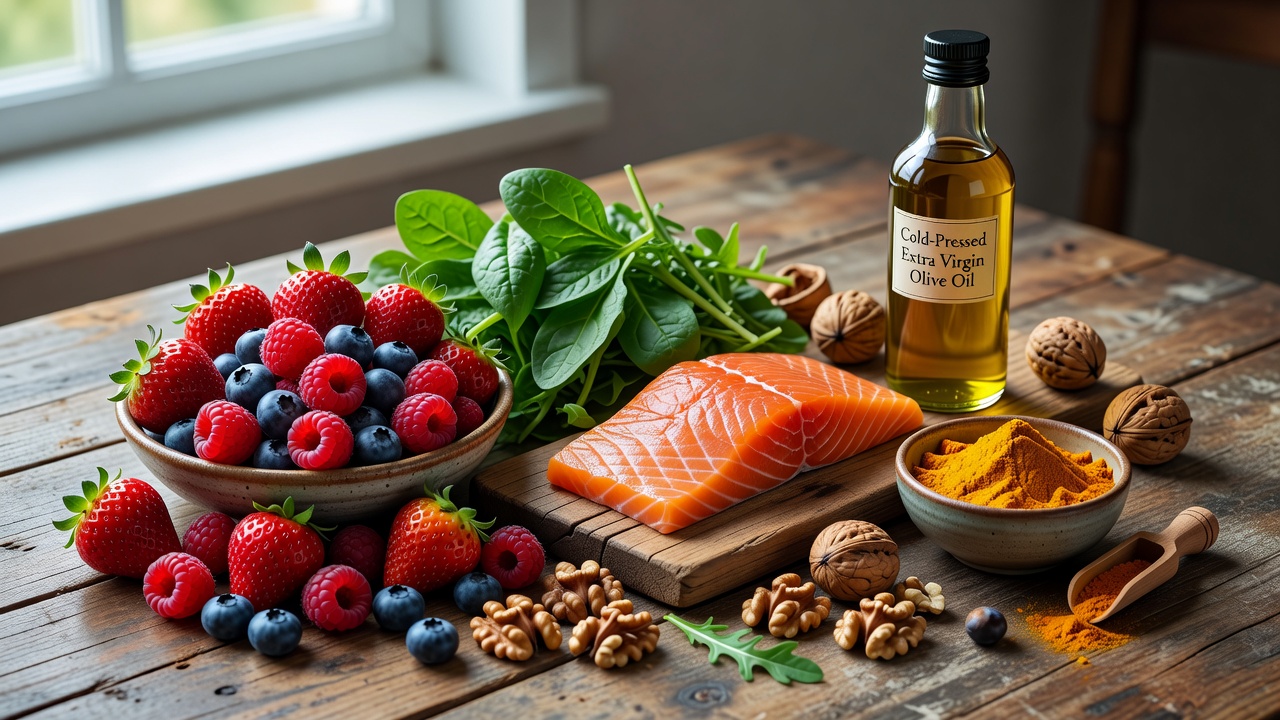
Both diets feature a powerful overlap of inflammation-fighting ingredients. Berries such as blueberries and strawberries deliver antioxidants that combat oxidative stress. Leafy greens like spinach and kale provide vitamins and minerals that support immune balance. Fatty fish including salmon and sardines supply omega-3 fatty acids proven to lower CRP levels. Walnuts, almonds, olive oil, tomatoes, and whole grains like quinoa round out the shared foundation, offering fiber and healthy fats that improve gut health and reduce systemic inflammation when consumed regularly.
Unique Benefits of Each Approach
The anti-inflammatory diet stands out for its inclusion of therapeutic spices like turmeric and ginger, which may provide quicker relief from joint swelling and stiffness in some individuals. It also allows for more flexibility with supplements such as omega-3 capsules when dietary intake falls short. In contrast, the Mediterranean diet excels at supporting heart health through consistent olive oil consumption and offers better long-term adherence due to its enjoyable, varied meals and cultural emphasis on community dining. Real-world examples show that people with rheumatoid arthritis often report faster symptom improvement on the anti-inflammatory plan, while those focused on cholesterol management thrive with Mediterranean principles.
Scientific Evidence
Multiple randomized controlled trials and meta-analyses confirm both diets effectively reduce inflammation. A 2024 review in nutrition journals found comparable drops in CRP and IL-6 levels, though the Mediterranean diet demonstrated stronger improvements in endothelial function and blood pressure. Research from major institutions highlights that consistent adherence over 12 weeks can lower inflammatory markers by 20-30 percent. For evidence-based resources, refer to Mayo Clinic, World Health Organization, and American Heart Association. These organizations stress that combining elements from both diets often yields optimal outcomes for chronic disease prevention.
Sample Meal Ideas
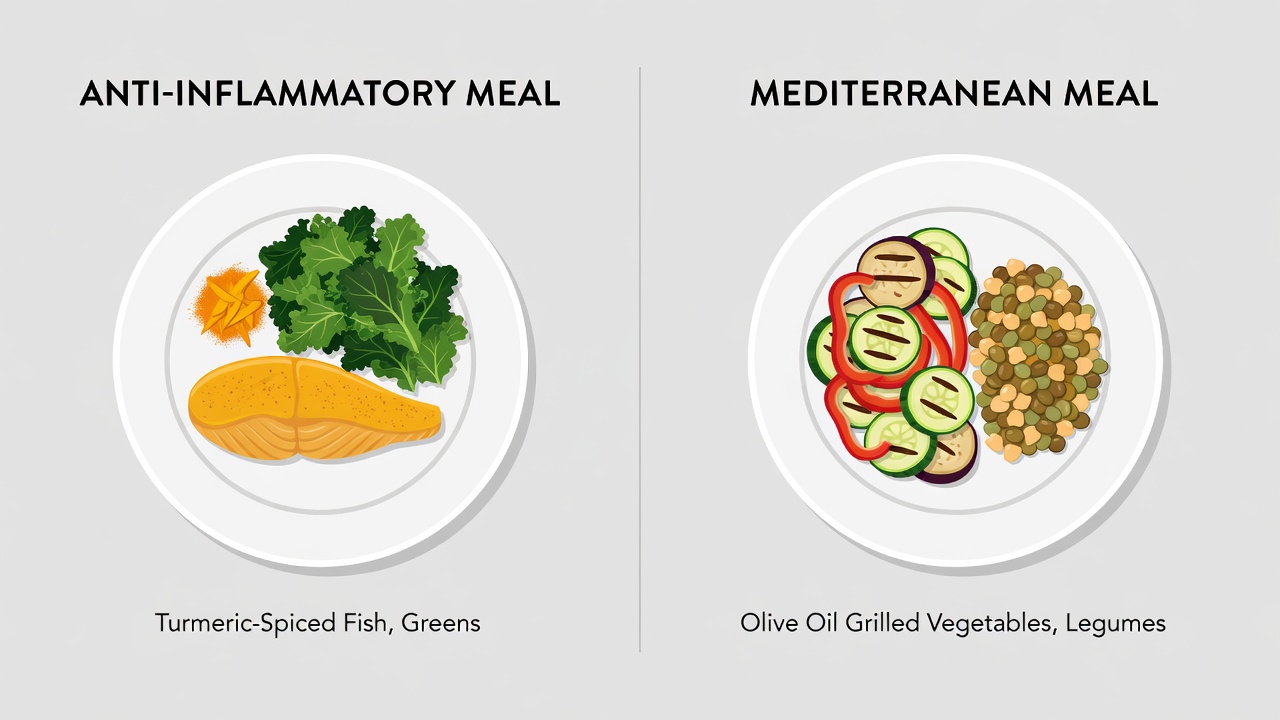
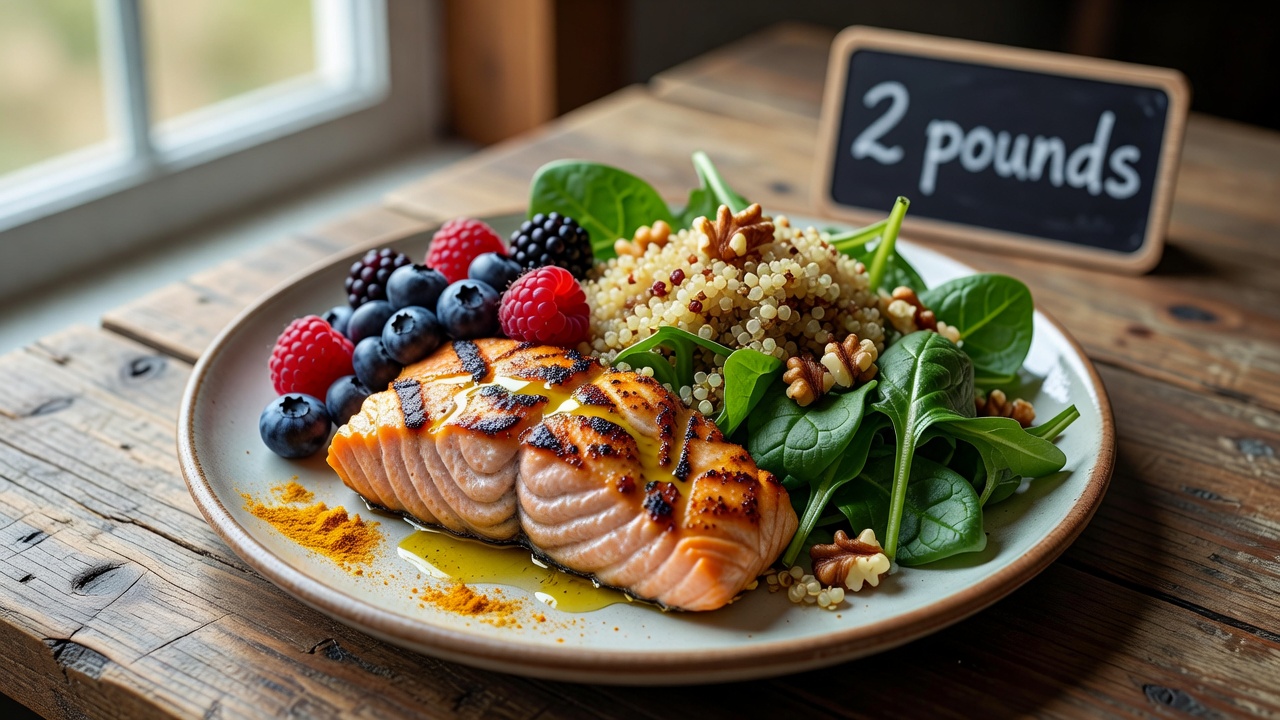
Breakfast options include Greek yogurt topped with blueberries, walnuts, and a sprinkle of turmeric. Lunch ideas feature grilled salmon over mixed greens with olive oil and lemon dressing alongside quinoa. Dinner examples encompass turmeric-spiced lentil stew with spinach and tomatoes or herb-roasted chicken with vegetables and whole-grain bread. Snacks such as a handful of almonds or green tea provide steady energy without spiking inflammation.
Side-by-Side Comparison Chart
| Aspect | Anti-Inflammatory Diet | Mediterranean Diet |
|---|---|---|
| Key Fats | Omega-3 emphasis from fish and seeds | Olive oil as primary fat source |
| Spices and Herbs | Turmeric, ginger, cayenne | Garlic, oregano, rosemary |
| Protein Sources | Fish, plant proteins, limited dairy | Fish, legumes, moderate cheese and yogurt |
| Grains | Whole grains only | Whole grains with occasional moderate portions |
| Alcohol | Generally avoided | Moderate red wine permitted |
Inflammation-Fighting Recipes from Both
Try a Mediterranean-style grilled sardine plate with olive oil, tomatoes, and herbs or an anti-inflammatory golden milk smoothie blending turmeric, ginger, almond milk, and berries. Both recipes leverage overlapping ingredients while highlighting unique elements like turmeric in one and extra-virgin olive oil in the other for maximum anti-inflammatory impact.
Practical Steps for Transitioning
- Begin by replacing processed snacks with nuts, seeds, and fresh fruit to build new habits gradually.
- Incorporate one anti-inflammatory spice such as turmeric into daily meals while maintaining olive oil as your primary cooking fat.
- Track symptoms like joint pain or fatigue for four to six weeks using a simple journal to measure progress.
- Consult a registered dietitian for personalized meal planning and to address any nutrient gaps.
- Experiment with hybrid meals, such as a Mediterranean salad enhanced with ginger dressing, to combine benefits seamlessly.
Mistakes to Avoid
Common pitfalls include over-restricting calories, which can increase stress hormones and inflammation, or neglecting portion sizes of healthy fats. Another error is failing to read labels for hidden sugars in seemingly healthy products. Always prioritize whole foods over supplements alone.
Real-World Examples
One patient with chronic arthritis switched to an anti-inflammatory focus and noticed reduced morning stiffness within three weeks. Another individual adopted Mediterranean habits and lowered their blood pressure significantly after three months while enjoying social meals with family.
FAQ: Combining Elements for Optimal Results in 2026
Can I mix both diets? Yes, many people successfully blend turmeric and ginger from the anti-inflammatory diet with daily olive oil and moderate wine from the Mediterranean approach for enhanced results.
How long until results appear? Most individuals notice reduced stiffness, better energy, and improved digestion within three to six weeks of consistent adherence.
Are there any foods to strictly avoid? Limit added sugars, fried foods, ultra-processed items, and excessive red meat regardless of the framework chosen.
Is exercise necessary alongside these diets? Combining either diet with regular physical activity amplifies anti-inflammatory effects and supports overall health.
Should I consult a doctor before starting? Yes, especially if you have existing medical conditions or take medications that may interact with dietary changes.
Conclusion
Both the anti-inflammatory diet and Mediterranean diet offer proven strategies for combating chronic inflammation. By understanding their overlaps and differences, incorporating evidence-based foods, and following practical transition steps, you can create a sustainable eating pattern tailored to your needs. Start small, stay consistent, and consider professional guidance for the best outcomes in 2026 and beyond.
Explore our Functional Foods Guide for more on bioactive ingredients.
Discover Specialized Nutrition approaches for targeted health goals.
No comments yet. Be the first!