 Func Eats
Introduction to the Anti-Inflammatory Diet for Weight Loss
Many individuals today are searching for sustainable methods to achieve weight loss while simultaneously enhancing their long-term health. Chronic inflammation has been closely linked to obesity, metabolic slowdown, and various chronic conditions. An anti-inflammatory diet addresses this root issue by prioritizing whole, nutrient-dense foods packed with antioxidants, omega-3 fatty acids, fiber, and polyphenols. These components work together to lower inflammation markers, improve insulin sensitivity, and support a healthy metabolism, making weight loss more achievable without the need for drastic calorie cuts or unsustainable restrictions.
In 2026, this approach remains highly relevant as more people recognize the connection between diet quality and body composition. Unlike fad diets that often lead to yo-yo results, the anti-inflammatory framework encourages lifelong habits. This comprehensive guide explores the best foods for calorie control, effective meal timing strategies, detailed portion guidance, five practical recipes with step-by-step instructions, shopping lists, weekly tracking techniques, comparisons to popular diets, common pitfalls, and ways to integrate exercise. By following these evidence-based recommendations, you can expect gradual yet lasting fat loss alongside reduced inflammation symptoms such as joint stiffness and fatigue.
Key Anti-Inflammatory Foods for Calorie Control and Metabolic Support
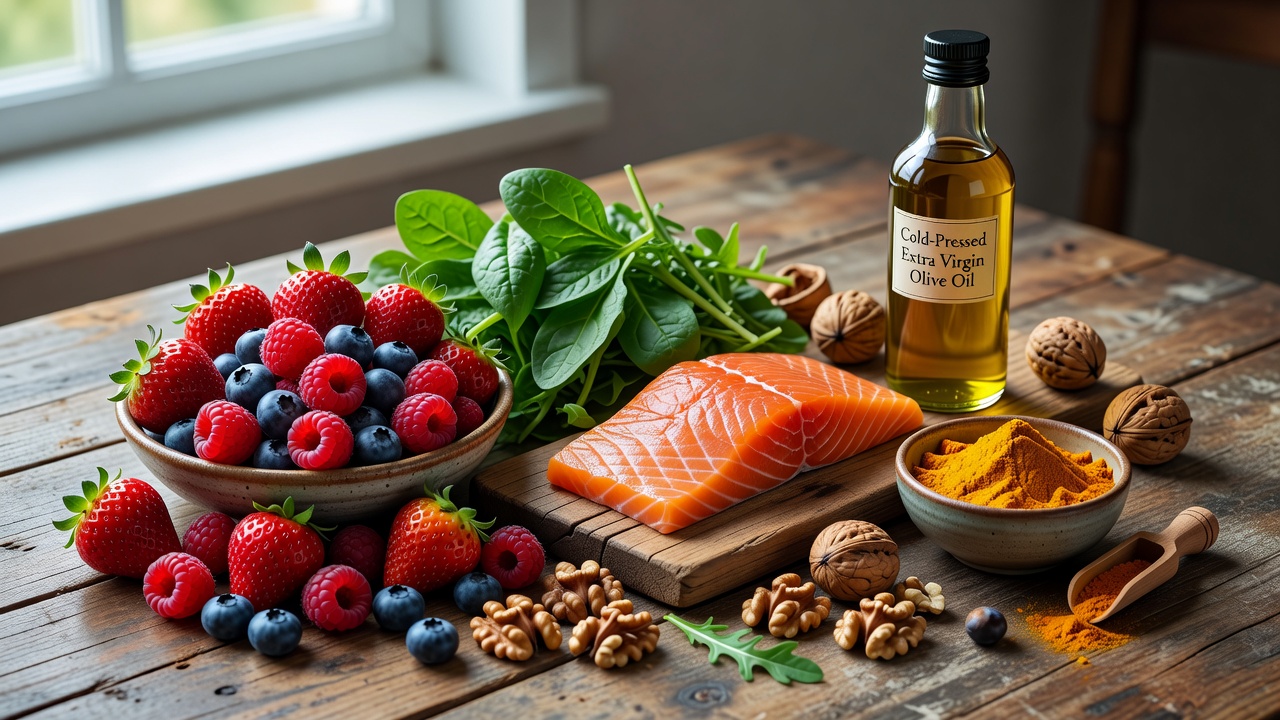
Choosing foods that fight inflammation while naturally controlling calories is foundational. Top options include fatty fish like salmon and sardines for their high omega-3 content, which directly combats inflammatory pathways. Berries such as blueberries, strawberries, and raspberries provide powerful antioxidants with minimal calories. Leafy greens including spinach, kale, and Swiss chard deliver fiber and micronutrients that promote satiety. Nuts and seeds like walnuts, almonds, chia, and flaxseeds offer healthy fats and protein. Spices such as turmeric (with black pepper for absorption) and ginger add flavor without calories while delivering anti-inflammatory compounds.
Additional powerhouses are avocados for monounsaturated fats, olive oil as a primary cooking fat, and whole grains like quinoa or brown rice for sustained energy. Legumes such as lentils and chickpeas provide plant-based protein and fiber. To maximize results, build meals around these items and limit processed foods, refined sugars, and trans fats. A sample daily intake might feature 4-6 ounces of fish, two cups of vegetables, one cup of berries, and a handful of nuts, keeping total calories moderate while maximizing nutrition.
- Salmon or mackerel: 4-6 oz servings for omega-3s
- Berries: 1-2 cups daily for antioxidants
- Leafy greens: Unlimited volume for fiber
- Turmeric and ginger: Daily in meals or teas
- Extra virgin olive oil: 1-2 tablespoons per day
Meal Timing Strategies and Practical Portion Guidance
Effective meal timing enhances the anti-inflammatory benefits. Many find success with a 10-12 hour eating window, such as finishing dinner by 7 PM and delaying breakfast until 7-9 AM. This aligns with natural circadian rhythms and may improve metabolic flexibility. Within the window, front-load protein and fiber at breakfast to stabilize blood sugar. Include balanced lunches with vegetables and healthy fats, then lighter dinners focused on protein and greens.
Portion control remains key for weight loss. Use the plate method: half vegetables, one-quarter lean protein, and one-quarter complex carbs. Hand measurements provide easy guidance—a palm for protein, fist for veggies, cupped hand for grains, and thumb for fats. Track portions initially with a food scale or app for accuracy, aiming for a 300-500 calorie daily deficit through food quality rather than severe restriction. Adjust based on activity levels and progress, reassessing every two weeks.
Five Practical Anti-Inflammatory Recipes with Step-by-Step Instructions
These recipes are designed for simplicity, using readily available ingredients. Each serves two and emphasizes anti-inflammatory components while supporting calorie awareness.
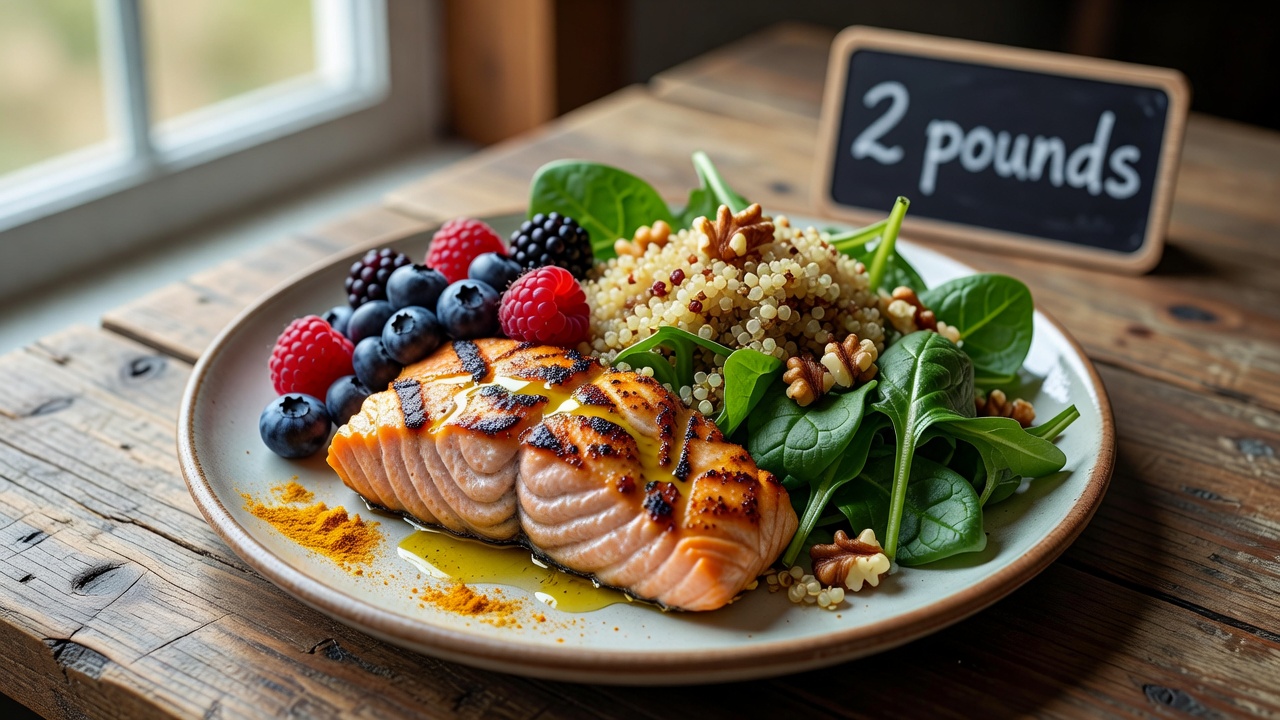
1. Turmeric Baked Salmon with Quinoa and Greens
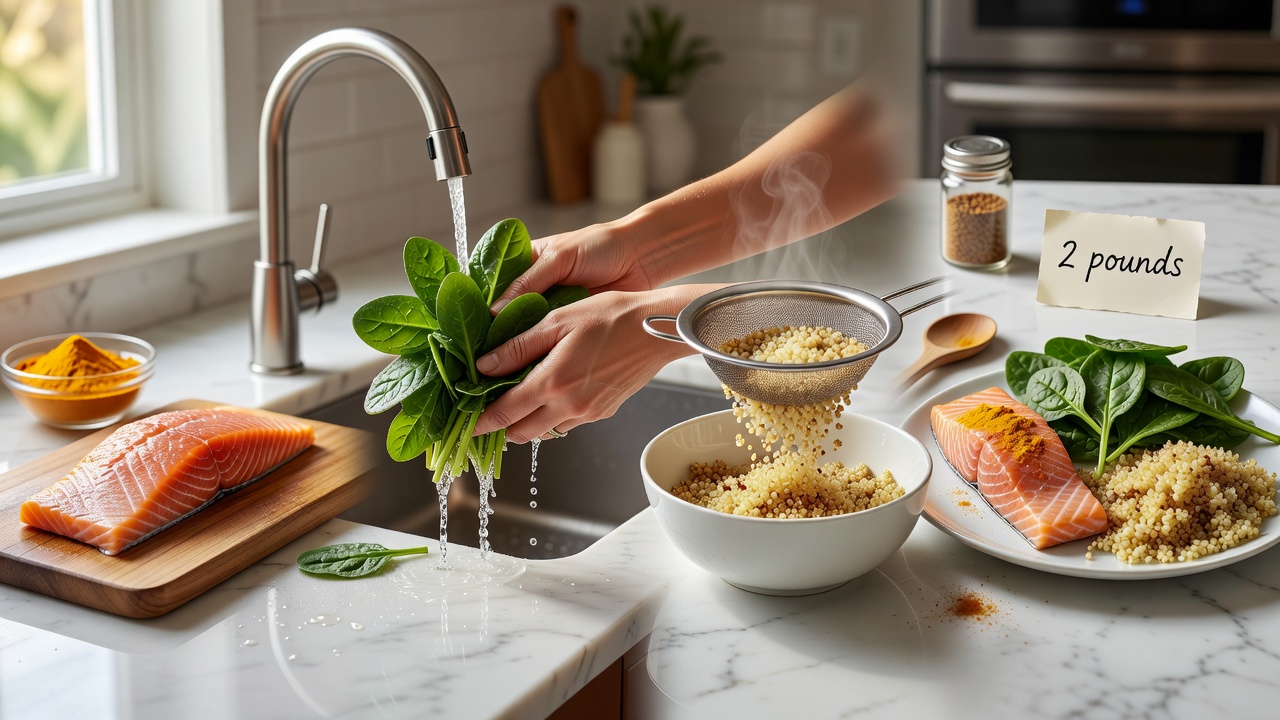
Ingredients: 8 oz salmon fillet, 1 tsp turmeric, 1/2 tsp black pepper, 1 cup cooked quinoa, 2 cups spinach, 1 tbsp olive oil, lemon wedge. Steps: Preheat oven to 400°F. Rub salmon with turmeric, pepper, and half the olive oil. Bake 12-15 minutes. Sauté spinach in remaining oil. Serve salmon over quinoa with spinach and lemon. Nutrition focus: High in omega-3s and fiber for satiety.
2. Berry Spinach Chia Smoothie
Ingredients: 1 cup spinach, 1 cup mixed berries, 1 tbsp chia seeds, 1 cup unsweetened almond milk, 1/2 tsp ginger. Steps: Add all ingredients to blender. Blend until smooth, 1-2 minutes. Pour and enjoy immediately. This breakfast option delivers antioxidants and keeps calories under 250 per serving.
3. Lentil Vegetable Turmeric Stew
Ingredients: 1 cup dry lentils, 4 cups vegetable broth, 1 onion, 2 carrots, 2 celery stalks, 1 tsp turmeric, 1 tsp cumin, spinach. Steps: Sauté chopped vegetables in olive oil for 5 minutes. Add lentils, broth, and spices. Simmer 25-30 minutes until lentils soften. Stir in spinach at end. Portion into 1.5-cup servings for easy lunches.
4. Avocado Walnut Mixed Green Salad with Grilled Chicken
Ingredients: 4 cups mixed greens, 1/4 avocado, 1 oz walnuts, 4 oz grilled chicken, olive oil and lemon dressing. Steps: Grill chicken seasoned with herbs. Assemble greens, top with sliced avocado, walnuts, and chicken. Drizzle dressing. Ready in 15 minutes, this meal balances protein and healthy fats.
5. Ginger Berry Flax Overnight Oats
Ingredients: 1/2 cup rolled oats, 1 cup almond milk, 1 tbsp ground flaxseed, 1/2 cup berries, 1/2 tsp fresh ginger. Steps: Combine oats, milk, flax, and ginger in a jar. Refrigerate overnight. Top with berries before eating. Provides steady energy and fiber for digestion.
Smart Shopping Tips and Weekly Tracking Methods
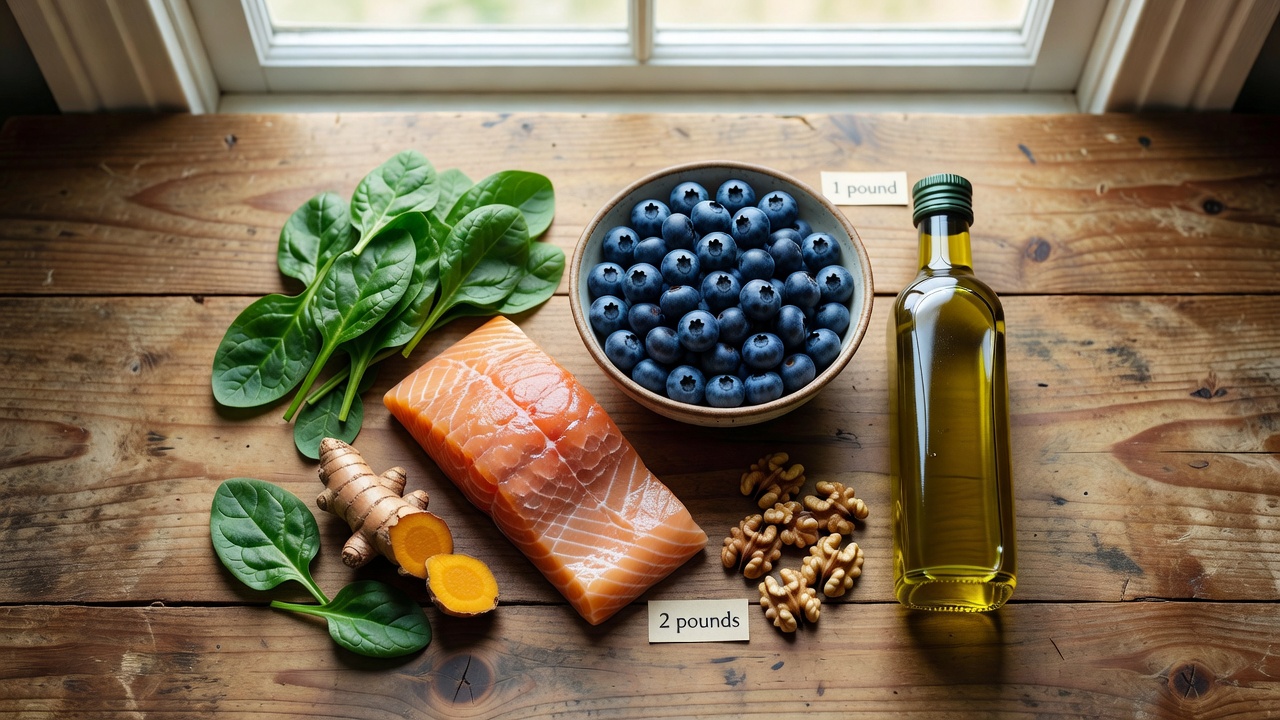
Shop the outer aisles of the grocery store for fresh produce, fish, and nuts while avoiding the center aisles filled with processed items. Prioritize seasonal berries and greens for cost and freshness. Keep turmeric, ginger, olive oil, and frozen fish stocked as staples. Create a weekly meal plan and shopping list to prevent impulse buys of inflammatory foods like sugary snacks or refined oils.
For tracking, maintain a simple journal noting meals, energy, sleep, and weekly weight. Measure inflammation indirectly through how clothes fit or joint comfort. Use free apps for calorie and macro logging. Review progress every Sunday, celebrating non-scale victories like improved focus. Consistent tracking helps identify patterns and sustain motivation over months.
Comparisons to Common Fad Diets
The anti-inflammatory diet contrasts sharply with keto, which severely limits carbs and may increase inflammation from high saturated fat intake in some cases. It differs from strict intermittent fasting by emphasizing food quality over timing alone. Unlike juice cleanses that lack protein and fiber, this approach delivers complete nutrition and avoids rebound weight gain. Compared to paleo, it includes more flexible whole grains and legumes while focusing explicitly on inflammation reduction. Overall, it promotes better adherence because it avoids extreme elimination.
Potential Pitfalls and How to Avoid Hidden Inflammatory Ingredients
Common mistakes include overlooking hidden sugars in salad dressings, yogurt, or "healthy" bars. Refined vegetable oils in restaurants can promote inflammation—request olive oil instead. Processed gluten-free products often contain inflammatory additives. Always scan labels for high-fructose corn syrup, artificial colors, and trans fats. Dining out requires asking about preparation methods. Starting slowly prevents overwhelm; introduce one new anti-inflammatory food weekly to build sustainable habits.
Combining the Diet with Exercise for Enhanced Results
Pairing nutrition with movement amplifies benefits. Aim for 150 minutes of moderate aerobic activity weekly, such as brisk walking, plus two strength sessions. Exercise further reduces inflammation and preserves muscle during weight loss. Post-workout meals featuring protein and anti-inflammatory carbs, like the salmon quinoa recipe, aid recovery. Beginners should start with daily walks and progress gradually, consulting a physician if needed.
FAQ
- How soon will I see results? Reduced bloating often appears within two weeks; measurable weight loss of 1-2 pounds per week typically begins after four to six weeks of consistent adherence.
- Is this diet sustainable long-term? Yes, because it centers on enjoyable, varied whole foods rather than strict prohibitions, allowing flexibility for social occasions.
- Can I combine it with exercise? Absolutely—moderate activity like walking or resistance training complements the diet by boosting metabolism and further lowering inflammation markers.
- What if I have food sensitivities? Customize by swapping ingredients, such as using cauliflower rice instead of quinoa, while maintaining the core anti-inflammatory principles.
Conclusion
An anti-inflammatory diet provides a practical, science-supported pathway to weight loss by nourishing the body and addressing inflammation at its source. Implement the foods, recipes, timing strategies, and tracking methods outlined here for meaningful progress. For additional evidence-based insights, explore resources from Mayo Clinic, National Institutes of Health, and American Heart Association. With patience and consistency, this lifestyle delivers both weight management and vibrant health in 2026 and beyond.
No comments yet. Be the first!