 Func Eats
Introduction to Sustainable Anti-Inflammatory Eating in 2026
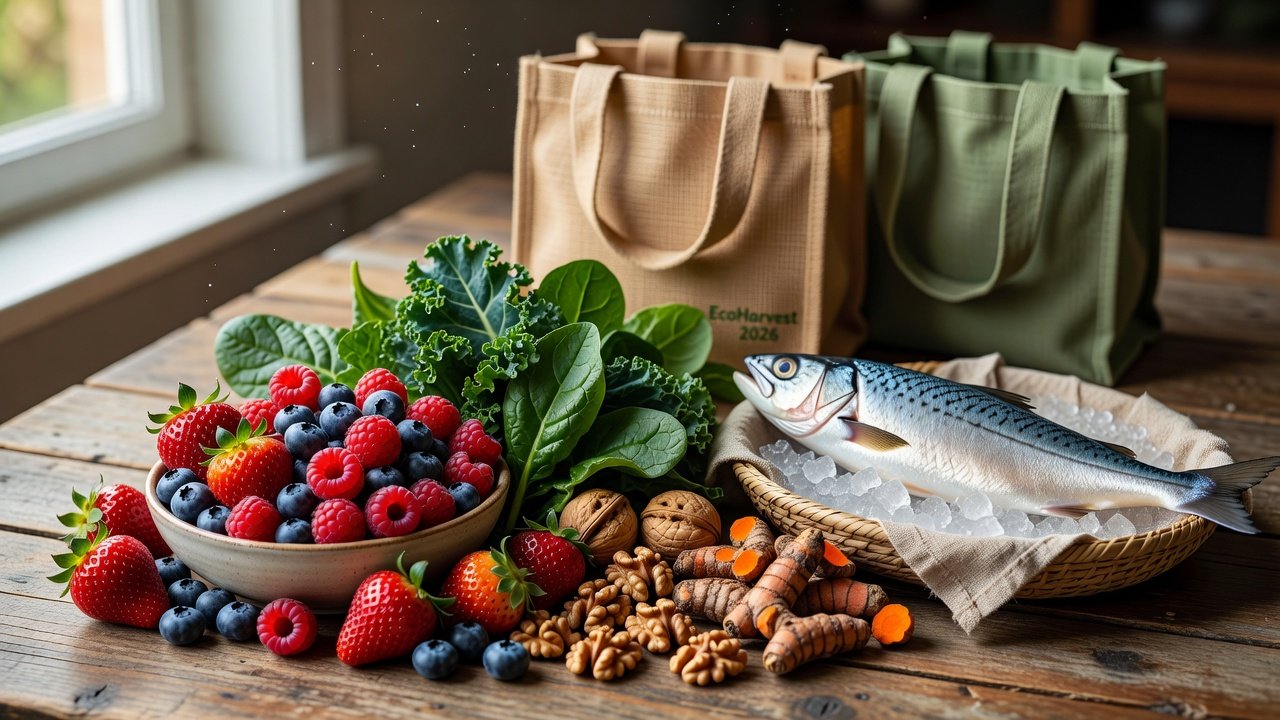
As awareness grows around both personal health and planetary well-being, many people are seeking diets that fight inflammation while minimizing environmental harm. The sustainable anti-inflammatory diet merges nutrient-dense foods known to reduce chronic inflammation with choices that support regenerative agriculture and lower carbon emissions. In 2026, forward-looking trends emphasize local sourcing, biodiversity, and circular food systems that align individual wellness with global sustainability goals. This approach draws from evidence-based nutrition principles while prioritizing foods produced through methods that restore soil health and preserve ecosystems. Readers interested in this intersection will find practical guidance here on selecting ingredients, minimizing waste, and making informed comparisons between plant and animal options. By understanding these connections, individuals can create eating patterns that deliver lasting benefits for metabolic health, reduced inflammation markers, and ecological balance.
The Science Linking Anti-Inflammatory Foods and Low-Impact Agriculture
Anti-inflammatory diets typically highlight foods rich in omega-3s, antioxidants, and polyphenols while limiting processed items and excess sugars. When these foods come from regenerative farms, the benefits multiply: improved soil sequesters carbon, reduced pesticide use protects waterways, and shorter supply chains cut emissions. Organizations like the Food and Agriculture Organization of the United Nations highlight how regenerative practices enhance both nutritional quality and ecological resilience. Research from sources such as the World Health Organization underscores that diets centered on whole, plant-forward foods support metabolic health and may lower risks of inflammatory conditions such as arthritis, cardiovascular disease, and metabolic syndrome. Pairing this with sustainable production methods creates a powerful synergy for 2026 consumers focused on longevity for both body and environment. Additional insights from environmental health studies show that regenerative grazing and cover cropping not only boost soil microbiome diversity but also increase the phytonutrient content in crops, leading to stronger anti-inflammatory effects in the foods themselves.
Selecting Seasonal Produce for Maximum Impact
Choosing seasonal, locally grown fruits and vegetables reduces transportation emissions and often delivers higher nutrient levels. In spring 2026, focus on asparagus, strawberries, and leafy greens; summer brings berries, tomatoes, and zucchini; autumn features apples, squash, and kale; winter offers root vegetables and citrus. These choices support biodiversity by encouraging crop rotation and pollinator habitats typical of regenerative systems. Consumers can check local farmers' markets or community-supported agriculture programs to identify peak-season options. This strategy not only boosts flavor and antioxidants but also aligns with climate-smart agriculture that adapts to shifting weather patterns. For example, selecting strawberries at their natural peak provides higher vitamin C and polyphenol levels compared to off-season imports, directly supporting immune modulation and inflammation control while cutting the carbon footprint associated with long-distance shipping.
Reducing Food Waste While Preserving Nutrient Density
Food waste contributes significantly to greenhouse gases, yet simple habits can turn scraps into value. Store herbs in water like flowers, use vegetable peels in broths, and freeze overripe produce for smoothies. These practices maintain the anti-inflammatory compounds in foods like turmeric, ginger, and cruciferous vegetables. Planning meals around what is already on hand prevents overbuying and keeps nutrient-dense ingredients from spoiling. Composting unavoidable waste further closes the loop, returning nutrients to soil used in regenerative farming. Additional strategies include batch-cooking grains on weekends to use throughout the week, labeling leftovers with dates to ensure timely consumption, and repurposing stale bread into croutons or breadcrumbs that retain fiber content. These methods collectively reduce household waste by up to significant margins while preserving the full spectrum of anti-inflammatory nutrients.
Comparing Plant-Based and Animal-Sourced Options
Plant-based proteins such as lentils, chickpeas, and nuts generally carry lower environmental footprints than conventionally raised meats. They also provide fiber and antioxidants that combat inflammation. However, sustainably sourced small fish like sardines or pasture-raised poultry can offer bioavailable omega-3s and complete proteins with moderated impacts when produced through regenerative methods. The key lies in moderation and sourcing: opt for grass-fed or wild-caught items from verified low-impact operations. This balanced view helps individuals tailor choices to both health markers and carbon reduction targets without extremes. For instance, incorporating two to three plant-based meals per week alongside occasional regenerative animal proteins creates a flexible framework that supports gut health through diverse fibers while respecting planetary boundaries.
Practical Steps for a Zero-Waste Shopping List
Building a sustainable shopping list starts with inventorying your pantry and fridge. Next, prioritize these categories:
- Seasonal vegetables and fruits from local producers to ensure peak freshness and minimal transport
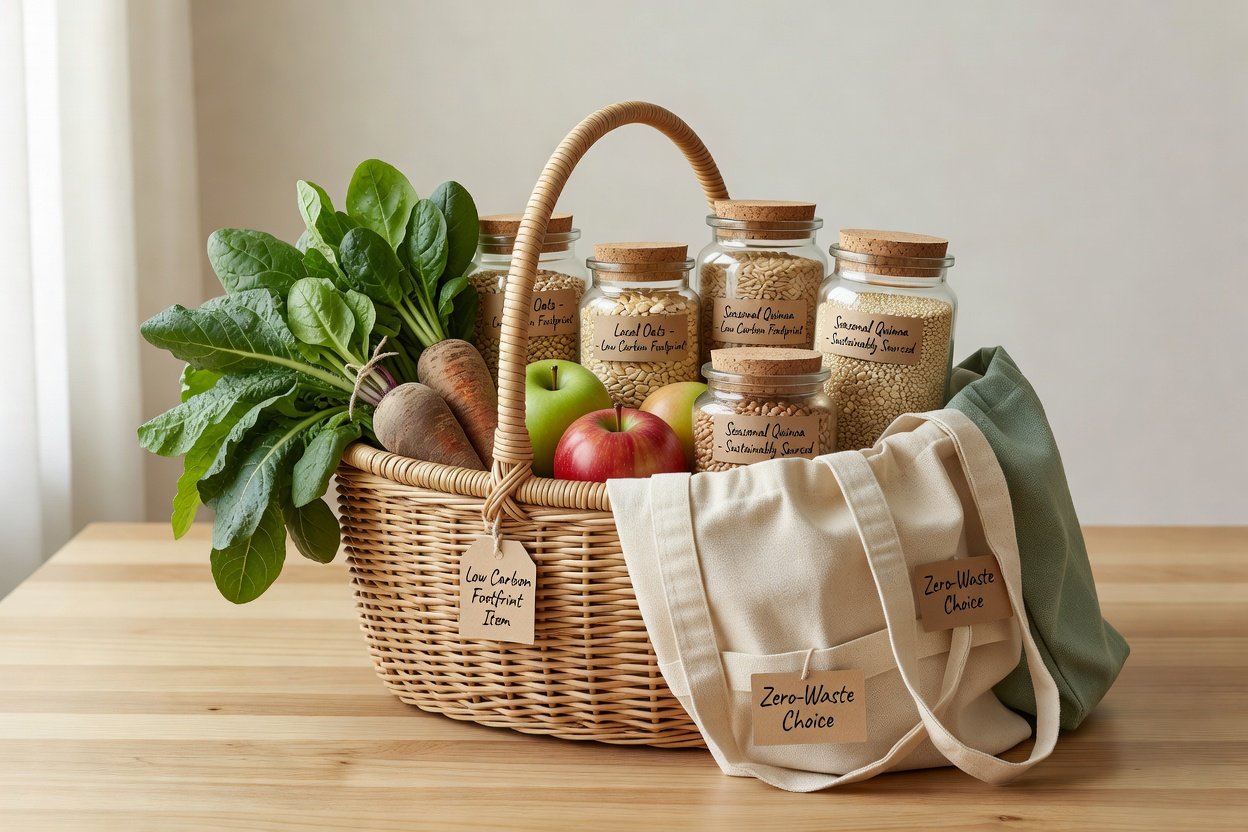
- Whole grains and legumes in bulk to minimize packaging waste and support soil health through crop diversity
- Herbs and spices like turmeric and rosemary for flavor and anti-inflammatory benefits, preferably organic and locally grown
- Reusable containers for nuts, seeds, and oats to eliminate single-use plastics
- Ethically sourced proteins in small quantities, focusing on verified regenerative farms or fisheries
Bring cloth bags, avoid single-use plastics, and buy only what you need for the week. Apps that track seasonal availability and carbon data can further refine decisions. Consider joining a local food co-op or CSA to access pre-selected seasonal boxes that reduce decision fatigue and encourage trying new anti-inflammatory ingredients like nettles or radicchio.
Sample Meal Ideas with Carbon Footprint Considerations
Breakfast: Overnight oats topped with seasonal berries and walnuts. Low transport emissions when berries are local; walnuts provide anti-inflammatory omega-3s and support heart health. Lunch: Lentil salad with roasted root vegetables, spinach, and olive oil dressing. Lentils fix nitrogen in soil, supporting regenerative cycles and delivering plant-based protein with minimal emissions. Dinner: Grilled wild-caught fish with steamed broccoli and quinoa. Focus on smaller fish species to keep ocean impacts minimal while gaining essential fatty acids. Snacks: Apple slices with almond butter or carrot sticks with hummus. These options emphasize whole foods with minimal processing and packaging. For variety, try a quinoa bowl with roasted squash, kale, and pumpkin seeds for a fiber-rich midday option that aligns with low-impact sourcing.
Forward-Looking Trends and Common Mistakes to Avoid
In 2026, emerging trends include precision fermentation for sustainable omega-3 sources and expanded use of cover-crop-fed livestock. Avoid common pitfalls such as over-relying on imported superfoods, ignoring portion control for calorie-dense nuts, or neglecting to verify regenerative certifications on animal products. Another frequent mistake is failing to rotate proteins, which can limit nutrient diversity and increase environmental pressure on single resources. Instead, experiment with new seasonal vegetables each month to maintain excitement and nutritional breadth.
Frequently Asked Questions
Is a sustainable anti-inflammatory diet more expensive?
Not necessarily. Buying in bulk, choosing seasonal items, and reducing waste often lowers overall costs compared to frequent takeout or packaged foods. Many staples like beans and root vegetables remain affordable year-round through local channels.
How accessible are these foods for people in urban or rural areas?
Many ingredients are available at standard grocery stores, while farmers' markets, online CSAs, and community gardens increase access. Frozen seasonal produce offers a convenient, low-waste alternative that retains most nutrients.
Can this diet work for families with different dietary needs?
Yes. Start with shared plant-based meals and customize proteins. Focus on versatile staples like beans and vegetables that suit varied preferences and budgets.
What role does hydration play alongside this diet?
Staying hydrated supports the body's natural detoxification processes and enhances the anti-inflammatory effects of the foods consumed. Opt for filtered water or herbal infusions to keep the approach fully sustainable.
Conclusion
Adopting a sustainable anti-inflammatory diet in 2026 offers dual benefits for personal health and environmental stewardship. By emphasizing seasonal produce, minimizing waste, and thoughtfully comparing protein sources, individuals can create eating patterns that are both nourishing and planet-friendly. Small, consistent actions compound into meaningful change for well-being and ecosystems alike, paving the way for healthier futures on a thriving planet.
No comments yet. Be the first!