 Func Eats
Introduction to Cognitive Nutrition for Students
Students face relentless academic pressures that demand peak mental performance, including prolonged focus during lectures, strong memory retention for exams, and quick problem-solving skills. Cognitive nutrition provides a practical, evidence-based pathway to support these needs by leveraging specific nutrients that enhance brain function over time. Rather than relying on fleeting energy spikes from caffeine or sugar, this approach emphasizes sustainable dietary patterns rich in omega-3 fatty acids, antioxidants, vitamins, and minerals. These components help maintain neuronal health, reduce inflammation, and optimize neurotransmitter activity. By understanding how diet influences cognition, students can make informed choices that not only boost short-term productivity but also protect against age-related decline later in life. This comprehensive guide covers the underlying science, detailed food recommendations, actionable meal plans, shopping strategies, and answers to common questions to help integrate these habits seamlessly into demanding schedules.
The Science Behind Brain Boosting Nutrients
Omega-3 fatty acids, particularly DHA and EPA found in fatty fish, are essential for maintaining the fluidity of brain cell membranes, which facilitates efficient signal transmission between neurons. Deficiencies in these fats have been linked to reduced attention and mood instability. Antioxidants such as flavonoids in berries and polyphenols in dark chocolate neutralize free radicals that accumulate from stress and environmental factors, thereby protecting brain tissue from oxidative damage. Additional nutrients like choline from eggs support the production of acetylcholine, a neurotransmitter critical for memory formation, while vitamin E in nuts acts as a protective shield for cell structures. Research from authoritative sources including the National Institutes of Health and the Mayo Clinic consistently demonstrates these mechanisms through clinical studies. For students, regular consumption correlates with improved academic outcomes, such as better test scores and reduced mental fatigue. The World Health Organization also highlights the role of balanced nutrition in cognitive development across populations at WHO nutrition resources. Long-term adherence builds cognitive reserve, making the brain more resilient to daily stressors and academic challenges.
Top Brain Boosting Foods Recommendations
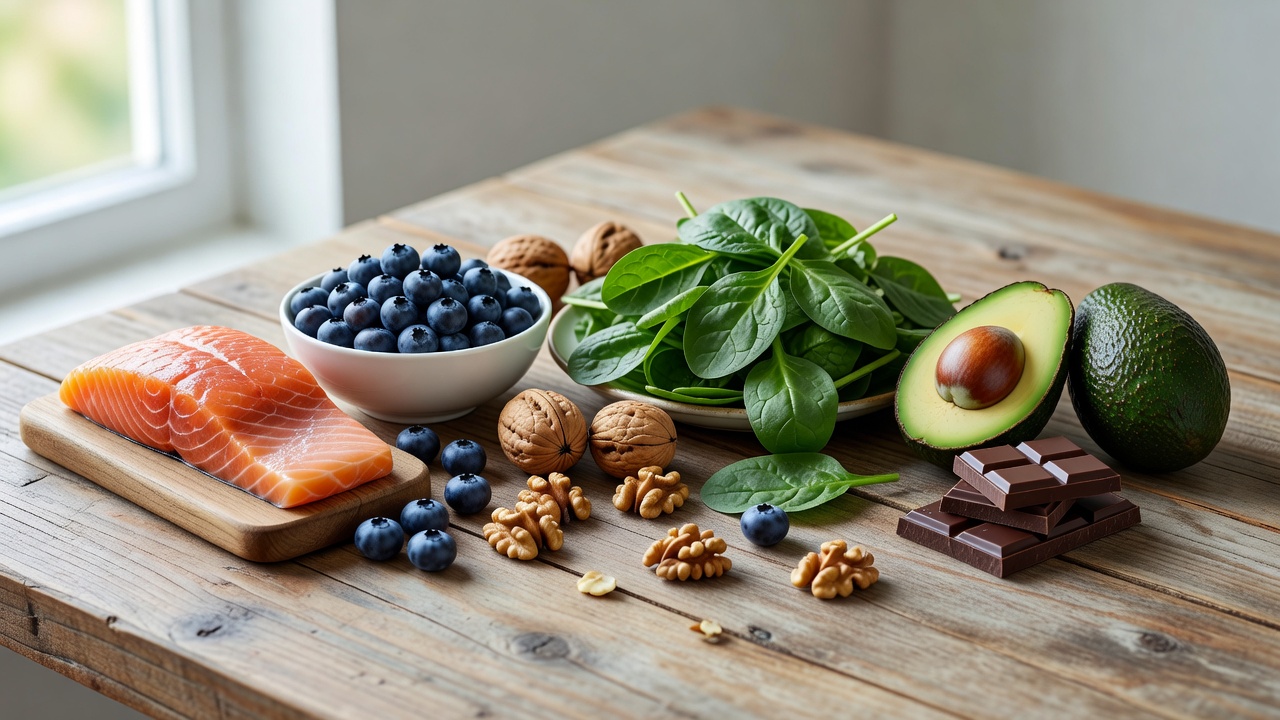
Incorporating a variety of these foods ensures a broad spectrum of benefits. Fatty fish like salmon, mackerel, and sardines deliver high levels of omega-3s; aim for two to three servings weekly. Blueberries and strawberries stand out for their high concentration of anthocyanins that enhance blood flow to the brain and improve memory recall. Walnuts provide alpha-linolenic acid, a plant-based omega-3, along with vitamin E, while almonds offer additional healthy fats and magnesium for nerve function. Leafy greens such as spinach, kale, and broccoli supply folate and lutein, which support cognitive processing speed. Avocados contribute monounsaturated fats that promote healthy blood vessels and steady energy release. Dark chocolate with at least 70 percent cocoa delivers flavonoids that can sharpen attention within hours of consumption. Eggs are an accessible source of choline, and pumpkin seeds add zinc and magnesium for neurotransmitter balance. Each of these foods works synergistically; for example, pairing spinach with avocado increases absorption of fat-soluble vitamins. Students should rotate selections to prevent nutrient gaps and maintain variety that supports gut-brain axis health.
Simple Daily Meal Ideas
Breakfast options include overnight oats made with almond milk, topped with fresh blueberries, walnuts, and a tablespoon of chia seeds for sustained morning focus. A smoothie alternative blends spinach, banana, avocado, and a handful of berries for quick preparation before early classes. Lunch ideas feature a quinoa bowl with grilled salmon, mixed greens, cherry tomatoes, and olive oil dressing, providing balanced macros for afternoon alertness. Dinner could involve baked eggs with sautéed kale and whole-grain toast, or stir-fried vegetables with tofu and walnuts for plant-based variety. Evening snacks might consist of Greek yogurt layered with strawberries and a few dark chocolate shavings. These meals can be adapted for dietary preferences, such as vegetarian swaps using flaxseeds instead of fish. Portion control and balanced plates ensure steady glucose levels without post-meal sluggishness.
Shopping List and Meal Prep Steps
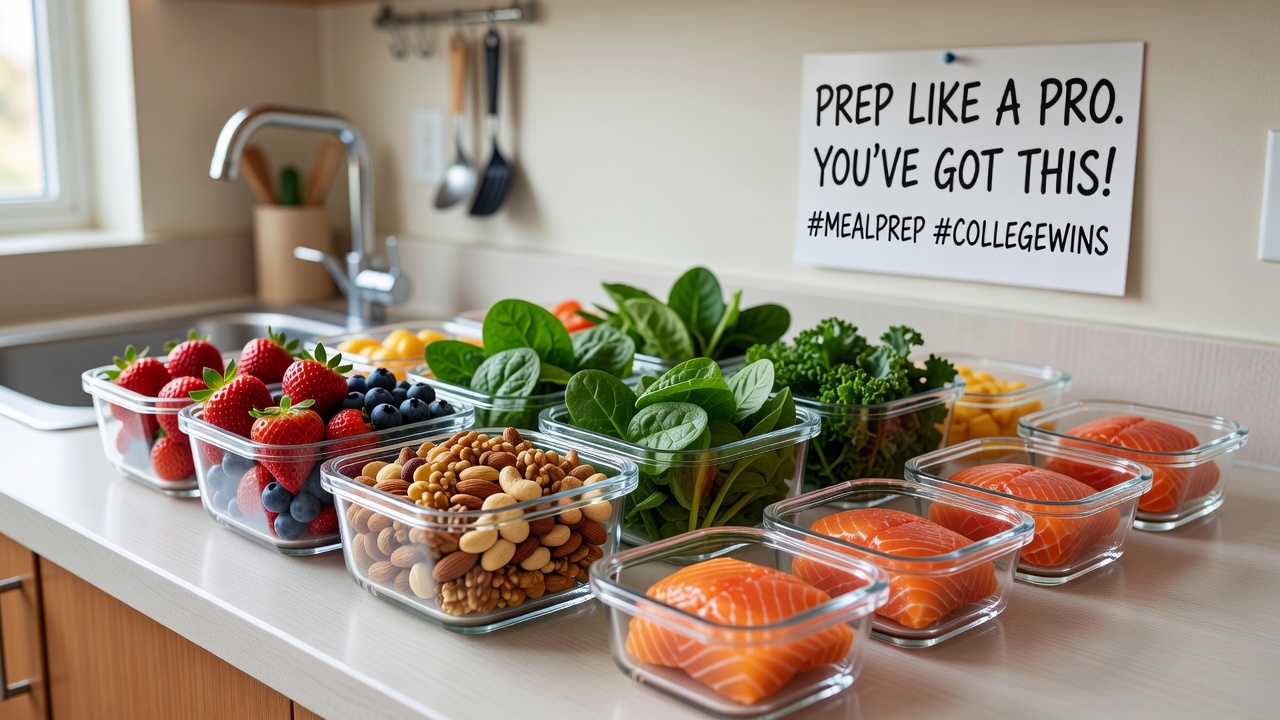
A practical weekly shopping list includes two salmon fillets, two containers of mixed berries, a bag of walnuts, fresh spinach, two avocados, a dozen eggs, dark chocolate bars, quinoa, and chia seeds. Additional staples like olive oil, Greek yogurt, and whole-grain bread round out the list. Meal prep begins on weekends by cooking a large batch of quinoa, washing and chopping greens, portioning nuts into small containers, and hard-boiling several eggs. On weekdays, assemble breakfast jars in advance and pre-portion smoothie ingredients into freezer bags. This system reduces daily cooking time to under 15 minutes and minimizes reliance on convenience foods that lack cognitive nutrients.
Strategies for Busy Schedules
Students can integrate these foods by carrying portable snacks like trail mix of walnuts and dried berries or pre-peeled hard-boiled eggs. Utilize campus cafeterias by adding spinach or avocado to existing meals. Schedule one dedicated grocery run per week and use apps for reminders. Batch cooking on low-energy days and freezing portions prevents last-minute unhealthy choices. Pairing study sessions with nutrient-rich snacks creates positive associations and maintains focus during long library hours.
Snack Comparisons for Cognitive Support
- Apple slices with almond butter versus a candy bar: The former stabilizes blood sugar and supplies fiber plus healthy fats, while the latter causes rapid spikes and crashes.
- A handful of walnuts versus potato chips: Walnuts deliver omega-3s and sustained energy, whereas chips offer minimal nutritional value and excess sodium.
- Blueberry Greek yogurt parfait versus a sugary energy drink: The parfait provides antioxidants and protein for mental clarity, avoiding the jittery effects of high caffeine and sugar.
- Avocado toast versus a pastry: Toast with avocado offers monounsaturated fats and fiber for prolonged satiety and brain fuel.
Common Mistakes to Avoid
Many students overlook consistency, expecting immediate results from a single meal. Another pitfall is relying solely on supplements instead of whole foods, which provide synergistic compounds. Skipping breakfast or choosing processed options high in refined sugars undermines cognitive efforts. Failing to stay hydrated compounds these issues, as even mild dehydration impairs concentration.
Long-Term Brain Health Benefits
Beyond exam seasons, these dietary patterns reduce inflammation linked to cognitive decline and support neuroplasticity for lifelong learning. Students who adopt them early often report better stress management and mood stability throughout their academic careers.
Frequently Asked Questions
How long until results appear?
Most individuals notice improved focus and memory within four to eight weeks of consistent intake, with more pronounced academic benefits emerging after three months as nutrient stores build.
Where to source quality ingredients?
Fresh produce from local farmers markets or reliable grocery stores, supplemented by frozen berries and canned fish for affordability and convenience, ensures high nutrient density year-round.
Are supplements necessary?
Whole foods remain the preferred method; supplements should only be considered after bloodwork confirms deficiencies and under professional guidance.
Conclusion
Embracing cognitive nutrition through targeted brain boosting foods equips students with sustainable tools for enhanced academic performance and lasting mental resilience. Begin with small, consistent additions to your routine and track the cumulative improvements in focus and well-being.


No comments yet. Be the first!