 Func Eats
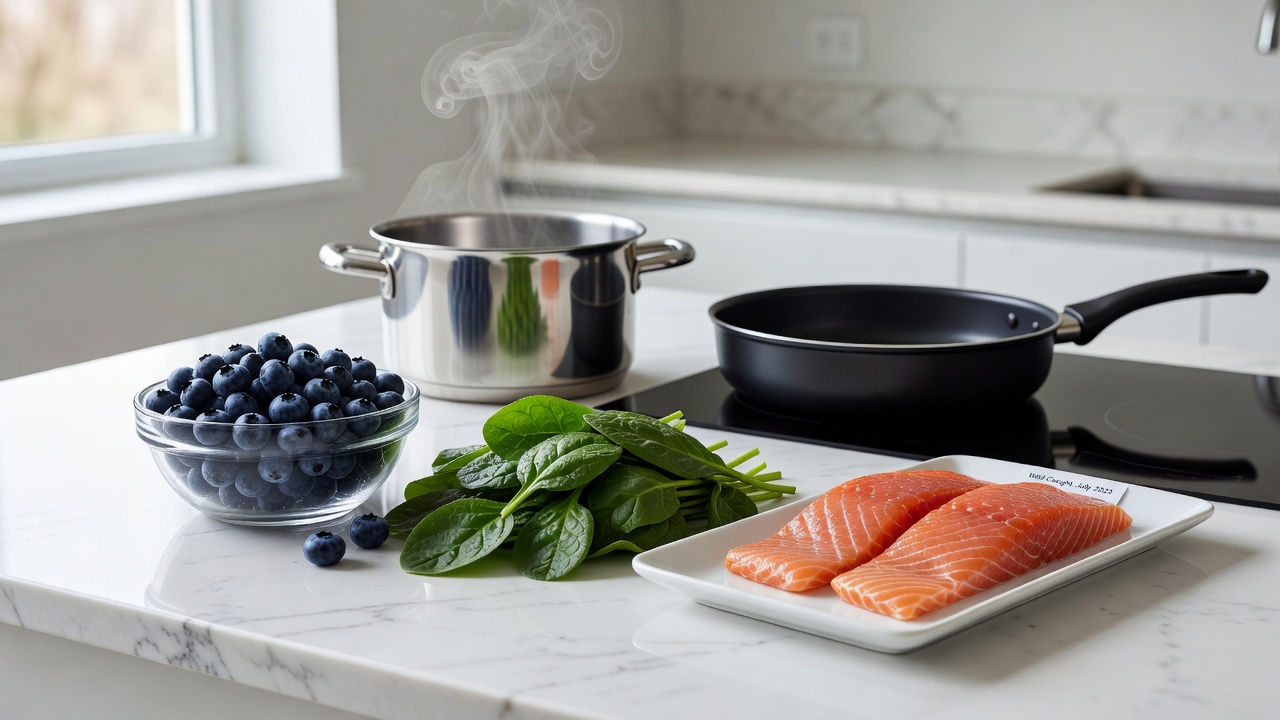
Introduction to Cooking Nootropic Foods
Home cooks focused on cognitive wellness frequently ask how everyday preparation techniques influence the brain-supporting compounds found in nutrient-rich ingredients. Nootropic foods deliver antioxidants, omega-3 fatty acids, vitamins, and minerals that promote memory, concentration, and emotional balance. Heat, prolonged water exposure, and oxidation can diminish these valuable elements, so understanding gentle cooking principles is essential. This comprehensive guide examines the underlying science of nutrient preservation and delivers actionable steps for steaming, raw preparation, and low-heat sautéing, complete with precise temperature ranges and timing recommendations.
By mastering these approaches, anyone can turn routine meals into reliable brain-health rituals that require no specialized tools or costly specialty items. Small, consistent changes in the kitchen compound over time to support sharper thinking and sustained mental performance.
The Science of Nutrient Retention During Cooking
Many cognitive-enhancing nutrients are water-soluble or heat-labile. Folate in leafy greens dissolves readily into cooking liquids, while the polyunsaturated fats in fish become vulnerable to oxidation when temperatures rise too high. Studies compiled by the National Institutes of Health demonstrate that steaming at moderate temperatures can retain over 85 percent of key antioxidants, whereas boiling causes substantial leaching. Enzymatic reactions and oxidative damage accelerate once internal temperatures exceed 212°F, making precise control of heat and moisture critical.
Additional factors include pH levels, light exposure, and the duration between preparation and consumption. Minimizing these stressors preserves the bioavailability of flavonoids in berries and DHA in fatty fish. Home cooks who apply evidence-based methods therefore gain measurable advantages in nutrient delivery without altering flavor profiles dramatically.
Key Nootropic Foods and Their Nutrient Profiles
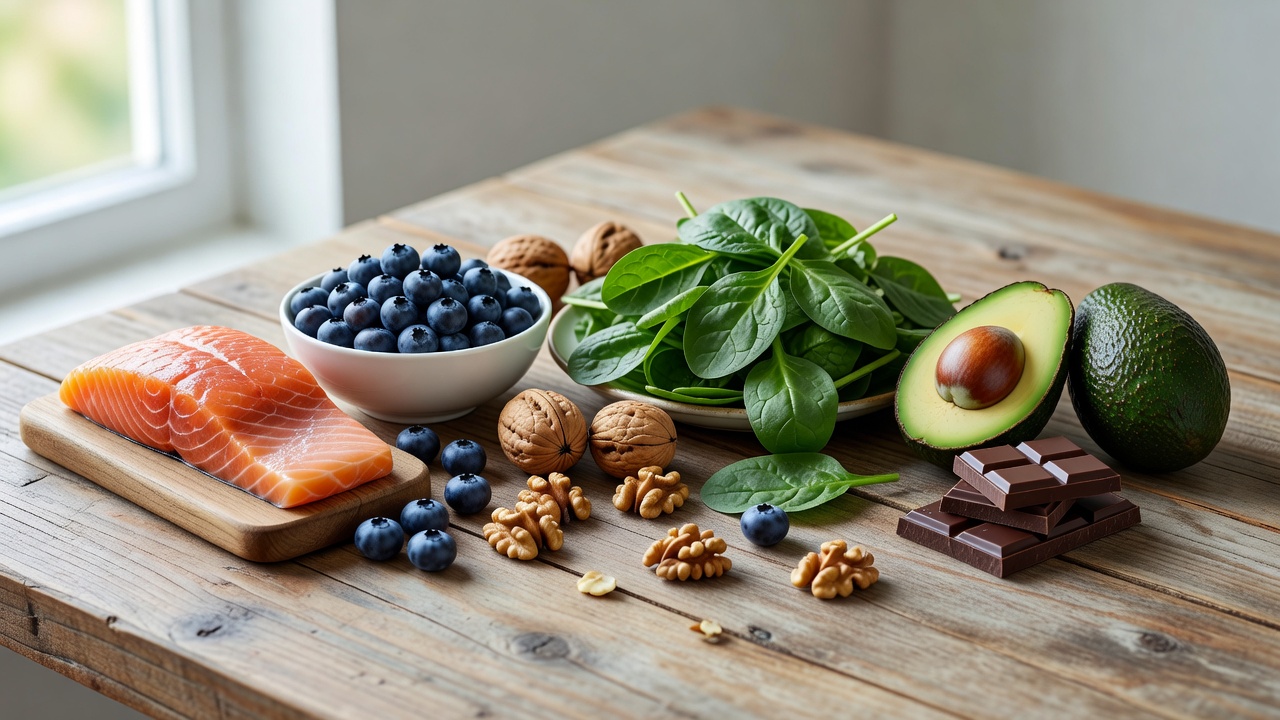
Three core categories stand out for daily brain support. Berries supply anthocyanins and other polyphenols that cross the blood-brain barrier to reduce oxidative stress. Leafy greens contribute folate, lutein, and vitamin K, which aid neurotransmitter synthesis and protect neural membranes. Fatty fish provide long-chain omega-3s essential for cell membrane fluidity and inflammation regulation.
Each food responds differently to heat. Berries lose anthocyanins rapidly above 180°F. Leafy greens shed water-soluble vitamins within minutes of boiling. Fish fats oxidize when surface temperatures surpass 300°F. Selecting the right method for each ingredient maximizes retention while maintaining palatability.
Comparing Cooking Methods with Detailed Guidelines
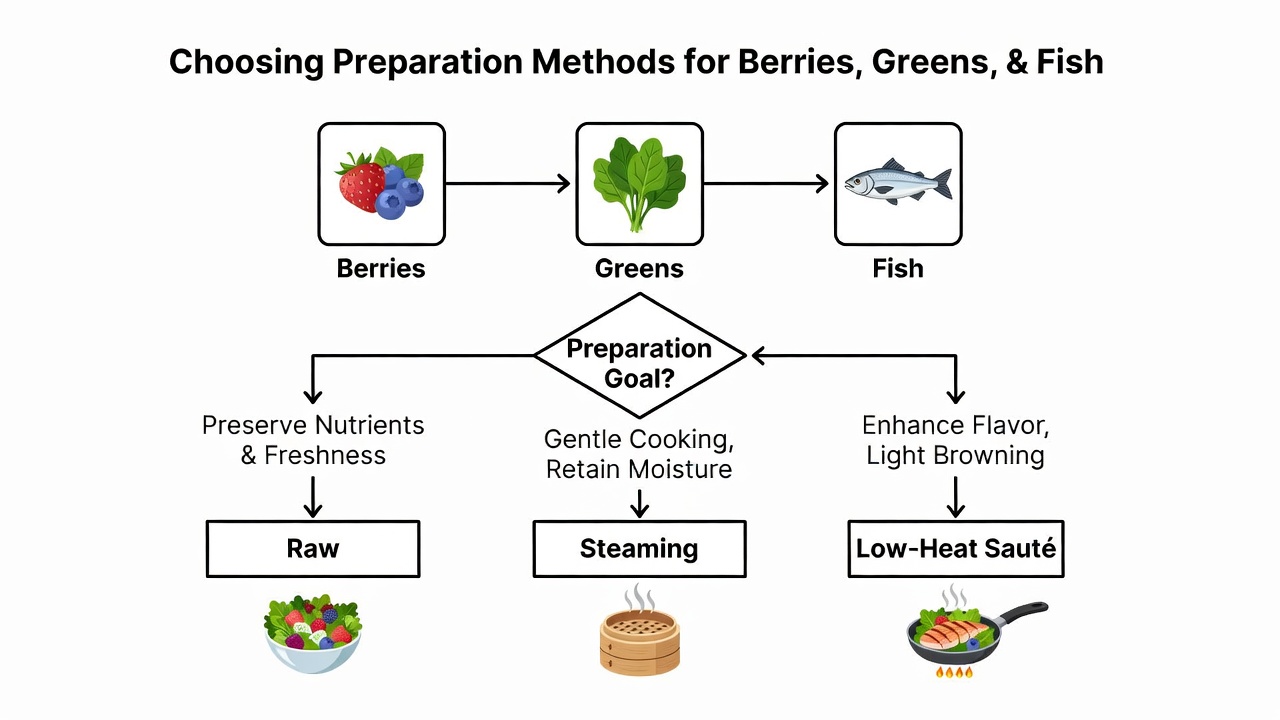
Choosing the appropriate technique depends on the ingredient and desired outcome. Below are expanded instructions for the three primary methods.
Raw Preparation
Raw service eliminates heat-related losses entirely. Rinse berries under cool running water and pat dry immediately before eating. Tear or chop leafy greens just prior to serving to limit enzymatic browning. Pair raw preparations with a small amount of healthy fat such as avocado or olive oil to improve absorption of fat-soluble nutrients. This approach works especially well for breakfast bowls or lunch salads.
Steaming
Steaming uses indirect moist heat that preserves structure and vitamins. Fill a pot with one inch of water and bring to a gentle simmer around 180–200°F. Place greens in a steamer basket for 3–5 minutes until bright green and slightly tender. For fish, steam portions for 8–12 minutes depending on thickness, checking that internal temperature reaches 145°F. The short cooking window and absence of submersion water prevent significant nutrient loss.
Low-Heat Sautéing
Low-heat sautéing delivers cooked texture while staying below oxidation thresholds. Use a heavy-bottomed nonstick pan and maintain surface temperature between 250–300°F. Add a teaspoon of oil and cook fish 3–4 minutes per side. For greens, add them in the final 2–4 minutes and stir continuously. An instant-read thermometer ensures accuracy and prevents accidental overheating.
Real-World Meal Adaptations and Full-Day Examples
Practical integration matters most for long-term adherence. A typical day might begin with overnight oats topped with fresh blueberries and strawberries added after cooking. Mid-morning, a handful of raw spinach can be blended into a smoothie with frozen berries. Lunch could feature steamed kale lightly dressed with lemon and served alongside low-heat sautéed salmon. For dinner, prepare a large raw spinach and berry salad topped with gently steamed mackerel finished in a 275°F oven for 12 minutes. Snacks such as celery sticks with smoked salmon or plain Greek yogurt mixed with fresh raspberries require no cooking at all. These adaptations demonstrate how minor timing adjustments protect nutrients across multiple meals.
Decision Framework for Selecting Techniques
A clear decision process removes guesswork. Begin by identifying the primary ingredient. Berries should remain raw or be added only after all heat is removed. Leafy greens perform best raw in salads or steamed no longer than five minutes. Fatty fish respond well to low-heat sautéing or steaming; avoid any method exceeding 300°F surface temperature. When time is limited, default to raw preparations. When texture variety is desired, alternate between steaming and low-heat methods. Track results by noting how meals taste and how mental clarity feels throughout the day. This iterative approach refines personal preferences while consistently protecting cognitive nutrients.
Storage, Meal Prep, and Reheating Strategies
Nutrient retention continues after cooking. Store prepared items in airtight glass containers in the refrigerator and consume within 24 hours. Reheat gently using a steamer or low oven setting below 200°F rather than high-power microwaving. Batch steaming of greens on the weekend allows quick assembly of weekday meals without repeated nutrient degradation. Frozen berries retain most flavonoids when flash-frozen at peak ripeness, offering a convenient option during off-seasons.
Common Mistakes and How to Avoid Them
Overcooking greens until they turn dark olive destroys folate content. Using high-smoke-point oils at excessive temperatures oxidizes fish oils. Leaving cut produce exposed to air for extended periods accelerates browning and nutrient loss. Always measure temperatures with a reliable thermometer and prepare ingredients immediately before consumption to minimize post-preparation degradation.
Frequently Asked Questions
Does freezing destroy nootropic compounds?
Quick freezing at harvest preserves the majority of antioxidants and omega-3s, making frozen berries and fish fillets reliable choices year-round.
Is microwaving acceptable?
Low-power microwaving with minimal added water can work but often creates hot spots; steaming remains the more consistent option for nutrient retention.
How long can cooked meals retain benefits?
Consume reheated dishes within 24 hours and keep reheating temperatures under 200°F to maintain efficacy.
Can spices enhance nutrient absorption?
Adding black pepper or turmeric during the final minute of low-heat cooking may improve bioavailability of certain antioxidants without raising temperatures significantly.
Are supplements necessary if cooking methods are optimized?
Whole foods prepared correctly supply a broad spectrum of synergistic compounds that isolated supplements cannot fully replicate.
Conclusion
Applying targeted techniques such as raw preparation, controlled steaming, and low-heat sautéing allows home cooks to safeguard the brain-boosting properties of berries, leafy greens, and fatty fish. Precise attention to temperature and timing, combined with thoughtful meal planning, transforms ordinary ingredients into dependable allies for cognitive health. Over weeks and months these evidence-based habits accumulate into meaningful support for memory, focus, and overall mental vitality.
No comments yet. Be the first!