 Func Eats
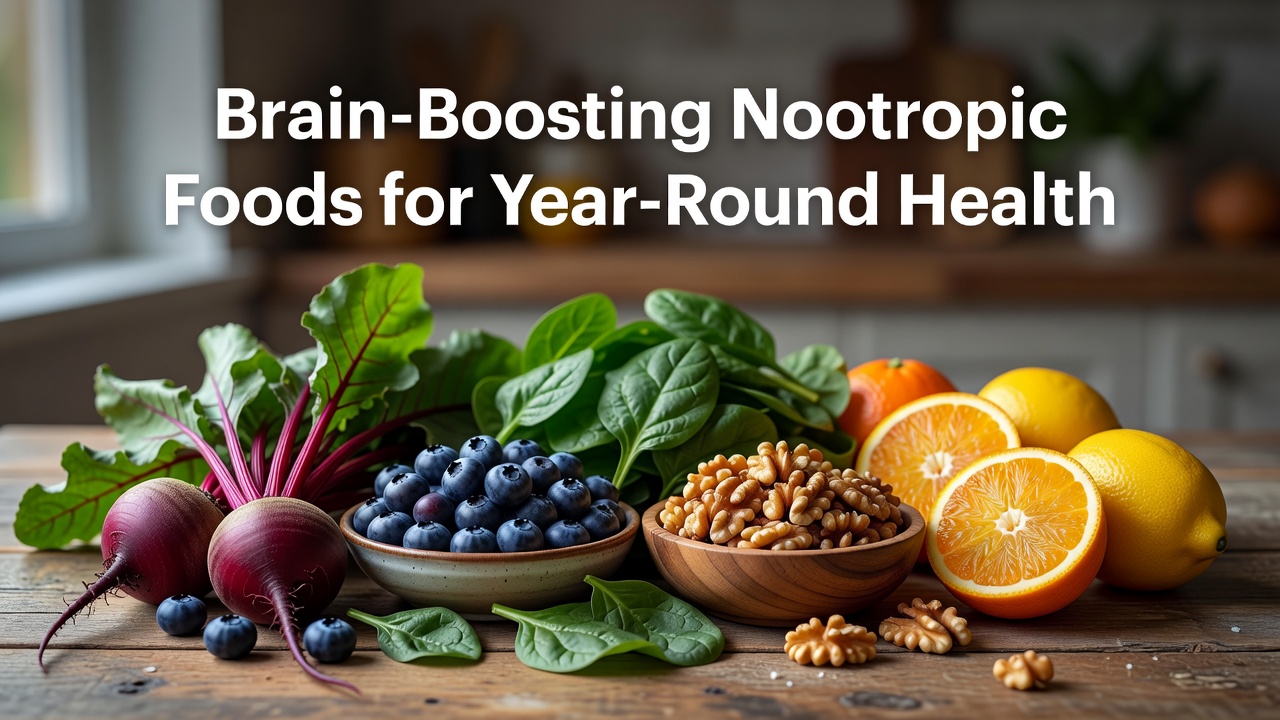
Introduction to Seasonal Nootropic Foods
Eating with the seasons offers a sustainable approach to supporting brain health through nutrient-dense foods. In 2026, climate-adaptive farming practices are helping maintain higher nutrient density in produce by responding to shifting weather patterns. This strategy aligns perfectly with cognitive nutrition goals, providing fresh sources of antioxidants, omega-3s, and other compounds that enhance memory, focus, and mood. Readers seeking foods for brain health often look for practical, year-round solutions rather than relying on supplements alone. Seasonal eating reduces environmental impact while potentially preserving more vitamins and minerals compared to long-distance imports. By focusing on locally available options, individuals can align their diets with natural cycles, which many nutrition experts believe leads to better absorption and consistent intake of brain-supporting nutrients throughout the year.
Research from institutions like the National Institutes of Health highlights how seasonal variations in soil and sunlight can influence the phytochemical content in plants. This makes seasonal nootropic foods particularly valuable for long-term cognitive maintenance. The following sections break down specific recommendations by quarter, along with actionable advice for preparation and sourcing.
Top Seasonal Picks by Quarter
Winter (Q1): Root Vegetables and Citrus
Beets and carrots provide nitrates that support blood flow to the brain. These root vegetables are abundant in winter when other fresh produce is limited. Citrus fruits like oranges and grapefruits deliver vitamin C for antioxidant protection, helping combat oxidative stress that can impair cognitive function. Incorporate roasted beets into salads for steady cognitive support during darker months. For example, a simple winter dish could combine boiled beets with a squeeze of fresh orange juice and a handful of walnuts to add healthy fats. Carrots can be eaten raw as snacks or lightly steamed to retain their beta-carotene, which the body converts to vitamin A for eye and brain health.
Spring (Q2): Leafy Greens and Berries
Spinach and strawberries emerge early, offering folate and polyphenols. These compounds aid neurotransmitter production and reduce oxidative stress. Kale and Swiss chard also become available, providing additional magnesium that supports nerve function. A practical example is adding young spinach leaves to smoothies or omelets for a quick cognitive boost. Early spring berries like strawberries can be paired with yogurt to create a dessert that delivers both probiotics and antioxidants. As the season progresses, asparagus appears and offers folate in high amounts, making it ideal for supporting mental clarity during the transition to warmer weather.
Summer (Q3): Berries and Avocados
Blueberries and avocados peak in summer, rich in anthocyanins and healthy fats. Studies link regular blueberry consumption to improved memory retention, especially when the berries are eaten fresh from local farms. Avocados provide monounsaturated fats that help maintain cell membrane integrity in the brain. Tomatoes and cucumbers also flourish, offering hydration and lycopene. A summer example meal might involve an avocado toast topped with mashed blueberries and a sprinkle of seeds for extra texture and nutrients. Watermelon, another seasonal favorite, contributes hydration and citrulline, which may support blood flow similarly to beets.
Fall (Q4): Nuts and Cruciferous Vegetables
Walnuts and broccoli supply omega-3s and sulforaphane. These support neuroprotection as seasons transition. Pumpkins and apples become prominent, with pumpkins offering beta-carotene and apples providing quercetin, a flavonoid linked to reduced inflammation. An example preparation is roasting broccoli florets with chopped walnuts for a side dish that combines multiple nootropic benefits. Brussels sprouts, another fall staple, can be shredded into slaws to preserve their glucosinolates, compounds that may help detoxify the body and support brain resilience.
Nutrient Retention Tips
Store produce in cool, dark places and consume within days of purchase to minimize nutrient loss. Steaming or light sautéing preserves more heat-sensitive nutrients than boiling, which can leach water-soluble vitamins into cooking water. For 2026 trends, climate-adaptive varieties often show improved resilience, leading to denser nutrient profiles when grown locally. Avoid washing produce until ready to eat, as excess moisture promotes spoilage. Using glass containers instead of plastic for storage can also help maintain freshness. When freezing seasonal items, blanch vegetables briefly first to lock in color and nutrients for later use in smoothies or soups.
Simple Meal Ideas
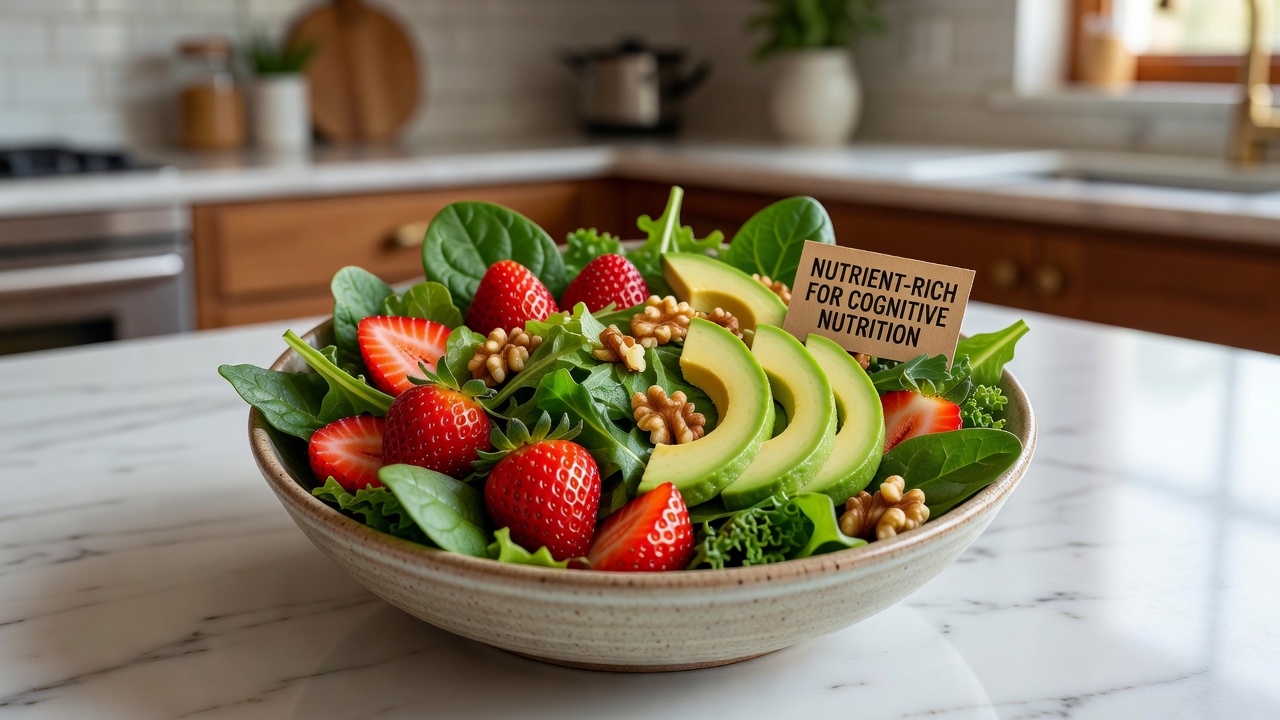
Winter smoothie: Blend frozen beets with citrus and spinach for a vibrant drink that combines nitrates and vitamin C. Spring salad: Top mixed greens with strawberries and walnuts, drizzled with olive oil for better absorption of fat-soluble vitamins. Summer bowl: Combine avocado slices with blueberries, cucumber, and a handful of pumpkin seeds for sustained energy. Fall stir-fry: Sauté broccoli and carrots with fresh herbs like rosemary, which adds additional antioxidant compounds. These ideas can be scaled for family meals or meal-prepped in batches to save time during busy weeks.
Seasonal vs Imported Options Comparison
Local seasonal produce typically travels shorter distances, retaining more freshness and flavor. Imported items may lose up to 30% of certain vitamins during transport, according to agricultural research. However, some off-season imports from climate-controlled farms can still offer value when local options are scarce. Seasonal choices also tend to cost less at peak harvest and support local economies. In contrast, imported nootropic foods like certain tropical berries often require more packaging and refrigeration, increasing their carbon footprint. Choosing seasonal reduces reliance on global supply chains that can be disrupted by weather events, a growing concern highlighted in 2026 discussions around food security.
Practical Steps for Sourcing Locally
- Visit farmers markets weekly to select peak produce and ask growers about growing methods.
- Join community-supported agriculture programs for regular deliveries of mixed seasonal boxes that introduce variety automatically.
- Check seasonal charts from local extension services or agricultural departments for region-specific availability.
- Grow herbs or small vegetables at home for immediate access to ultra-fresh options without transportation delays.
- Partner with neighbors for bulk buying or bartering to expand access to less common nootropic items like fresh walnuts.
Sample Weekly Rotations
Week 1: Focus on winter roots with one berry dish, such as beet-orange salads for lunch and carrot sticks as snacks. Week 2: Rotate in spring greens by preparing spinach-based breakfast scrambles and strawberry yogurt parfaits. Week 3: Emphasize summer items with avocado salads and blueberry oatmeal. Week 4: Incorporate fall cruciferous vegetables through broccoli stir-fries and apple-walnut desserts. Adjust portions based on availability to maintain variety and nutrient balance throughout the year, ensuring no single nutrient group dominates for too long.
Impact of 2026 Climate-Adaptive Farming Trends
Climate-adaptive farming emphasizes drought-resistant crops and soil regeneration techniques that can increase the concentration of beneficial compounds in nootropic foods. For instance, certain berry varieties now bred for resilience show higher polyphenol levels. These developments help ensure consistent quality even as traditional growing seasons shift. Consumers can support these trends by choosing farms that practice regenerative methods, which often label their produce accordingly at markets.
Mistakes to Avoid When Eating Seasonally
One common error is overcooking seasonal vegetables, which diminishes their nootropic compounds. Another is ignoring portion variety, leading to repetitive meals that miss out on a broad spectrum of nutrients. Relying solely on one source like a single farmers market can also limit options; exploring multiple vendors or online local directories expands choices. Finally, storing items improperly, such as leaving berries at room temperature, causes rapid spoilage and nutrient degradation.
FAQ: Common Myths About Seasonal Efficacy
Does seasonal eating really boost brain function more than year-round imports?
Yes, fresher produce often contains higher levels of active compounds, supporting better cognitive outcomes when combined with consistent habits. The difference becomes noticeable over months of sustained practice.
Are climate-adaptive farming methods affecting nutrient density in 2026?
Emerging practices emphasize soil health, which can enhance mineral content in crops as noted in ongoing agricultural reports from sources like the Food and Agriculture Organization.
Can I achieve the same benefits with frozen seasonal foods?
Frozen options picked at peak ripeness retain excellent nutritional value and provide convenient alternatives during off-seasons, often matching or exceeding the quality of out-of-season fresh imports.
How does seasonal eating compare to taking nootropic supplements?
Whole foods deliver synergistic nutrients that supplements may not fully replicate, though supplements can fill gaps when seasonal access is limited.
Conclusion
Integrating seasonal nootropic foods creates a resilient foundation for brain health. By prioritizing local sourcing and simple preparations, individuals can enjoy sustained cognitive benefits aligned with 2026 sustainability trends. Start with one seasonal swap this week to experience the difference, and gradually build a rotation that fits personal preferences and regional availability. This approach not only supports mental performance but also contributes to broader environmental goals.
No comments yet. Be the first!