 Func Eats
Introduction to Nootropic Foods and Intermittent Fasting Synergies
In 2026, individuals seeking advanced brain health strategies are increasingly turning to the combination of nootropic foods and intermittent fasting. This approach leverages the natural cognitive-enhancing properties of specific nutrients during carefully timed eating windows to amplify mental clarity, memory retention, and overall neurological resilience. Research highlights how these practices work together to optimize brain-derived neurotrophic factor (BDNF) levels and reduce oxidative stress in neural tissues. The synergy arises because intermittent fasting creates metabolic conditions that heighten the brain's responsiveness to nutrient-dense foods consumed during feeding periods. Foods rich in healthy fats, antioxidants, and polyphenols become particularly effective when the body is in a fasted state primed for efficient nutrient uptake and ketone utilization as an alternative brain fuel source.
Many professionals and students report sustained productivity gains when aligning their nutrition this way. Unlike standalone supplementation, whole-food sources provide synergistic compounds that support multiple brain pathways simultaneously. This article delves deeply into the mechanisms, protocols, and real-world applications to help readers implement an effective routine tailored to modern demands.
Understanding the Science Behind the Synergy
Intermittent fasting triggers cellular repair processes like autophagy, which clears damaged proteins from brain cells while promoting the growth of new neural connections. When paired with nootropic foods, this process is enhanced as key compounds from avocados, walnuts, and dark chocolate support mitochondrial function and neurotransmitter production. Studies from authoritative sources such as NIH demonstrate elevated BDNF levels during fasting, making the brain more receptive to omega-3s and flavonoids found in these foods. Additional mechanisms include improved insulin sensitivity, which stabilizes blood glucose and prevents energy crashes that impair focus. Fasting also reduces chronic inflammation markers, allowing anti-inflammatory compounds in nootropic foods to exert stronger protective effects on neural pathways and hippocampal volume.
Furthermore, the shift to fat metabolism during fasting increases ketone production, which serves as a clean-burning fuel for brain cells and may enhance mental endurance during demanding tasks. This metabolic flexibility, combined with targeted nutrition, creates compounding benefits that isolated dieting approaches rarely achieve. Emerging 2026 research continues to explore how these synergies influence long-term neuroplasticity and resilience against age-related decline.
Optimal Fasting Windows for Cognitive Enhancement
The most effective protocols for cognitive benefits include the 16/8 method, where eating occurs within an 8-hour window, typically from noon to 8 PM. This aligns with natural circadian rhythms and allows for morning focus during the fasted state when cortisol levels naturally support alertness. Another option is the 14/10 approach for beginners, providing flexibility while still promoting mild ketosis and ketone production for brain fuel without excessive hunger. Advanced users may experiment with 18/6 windows on select days for deeper autophagy benefits, though consistency matters more than extreme restriction.
Timing of meals within the window is critical: consuming nootropic foods early in the eating period maximizes absorption when the body is most efficient at utilizing fats and polyphenols for sustained mental energy. Avoid late-night eating to preserve melatonin production and sleep quality, which indirectly supports cognitive recovery. Individuals with varying work schedules can adjust windows accordingly, such as shifting to 2 PM to 10 PM for evening-focused professionals.
Top Nootropic Foods That Fit Eating Periods
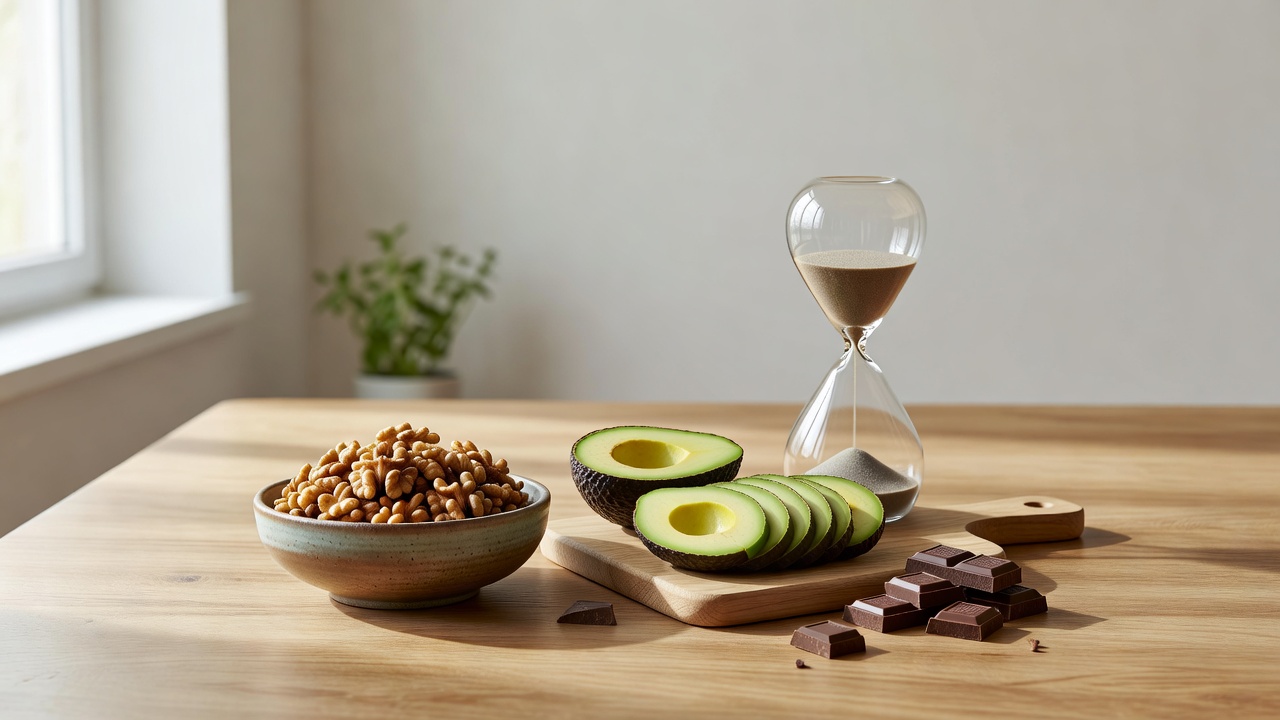
Avocados provide monounsaturated fats that support cell membrane integrity in neurons and deliver lutein for visual processing and memory support. Walnuts deliver alpha-linolenic acid, a plant-based omega-3 linked to improved memory consolidation and reduced oxidative damage in the prefrontal cortex. Dark chocolate (70%+ cacao) supplies flavonoids that enhance blood flow to the brain and boost mood-regulating neurotransmitters like serotonin. These foods integrate seamlessly into meals during the feeding window without disrupting ketosis or requiring complex preparation.
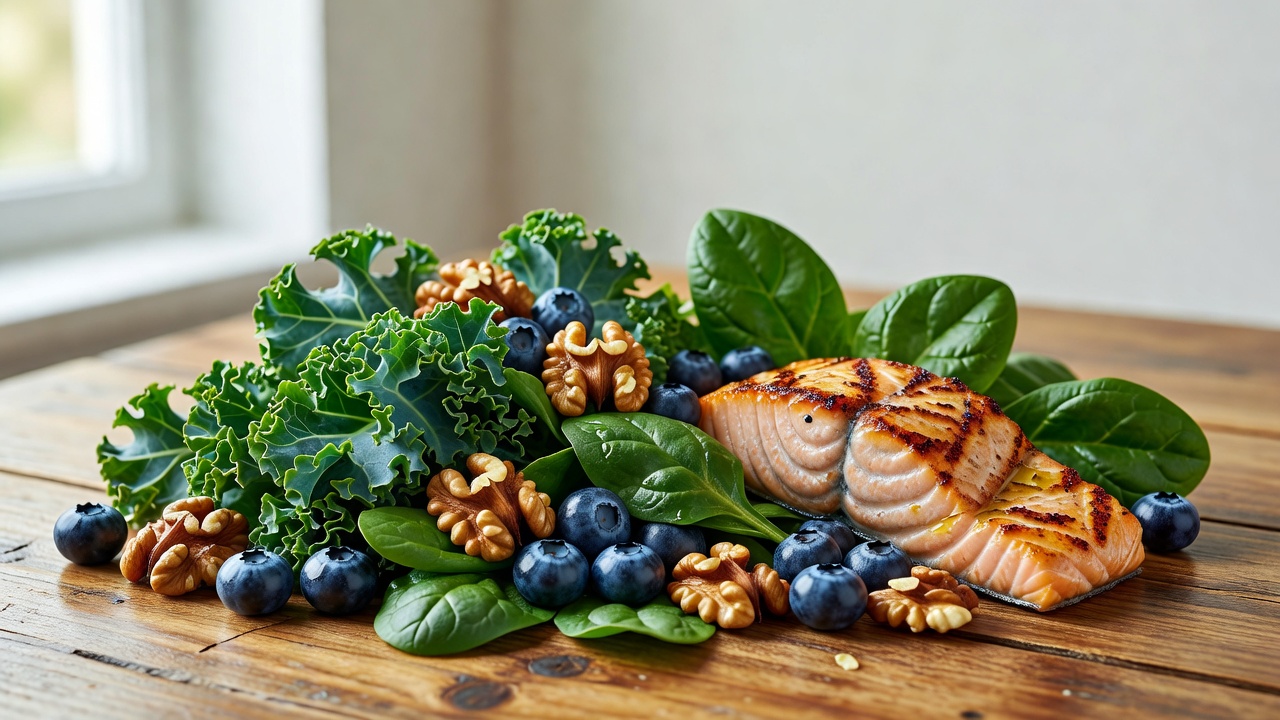
Additional powerful options include blueberries for anthocyanins that protect against neuroinflammation, fatty fish such as salmon for direct DHA intake, and leafy greens rich in folate and vitamin K. A practical list of daily targets might include one avocado, a quarter-cup of walnuts, and one ounce of high-cacao chocolate to meet optimal intake thresholds during the eating window.

Sample Daily Schedule for Maximum Cognitive Results
A practical 16/8 schedule might look like this: Wake at 7 AM and hydrate with water or black coffee until noon. Break the fast at 12 PM with a meal featuring avocado toast topped with walnuts and a side of berries. Mid-afternoon includes a handful of dark chocolate paired with green tea for sustained focus. Dinner by 7 PM focuses on balanced proteins, vegetables, and olive oil to round out anti-inflammatory benefits. This structure supports steady focus from morning through evening without energy dips.
For shift workers or different lifestyles, a 14/10 example could involve eating from 10 AM to 8 PM, starting with a walnut-avocado smoothie and ending with a dark chocolate dessert. Track personal responses over two weeks to fine-tune timing and portion sizes for individual metabolic needs.
Benefits for Focus, Memory, and Long-Term Brain Health
Users report enhanced sustained attention and faster recall after 4-6 weeks of consistent practice. The combination reduces brain fog by stabilizing energy supply via ketones while delivering targeted nutrients that support synaptic plasticity. Long-term, it may lower risks associated with cognitive decline through cumulative anti-inflammatory and antioxidant effects, potentially preserving hippocampal volume as supported by ongoing nutritional neuroscience findings. Additional perks include better stress resilience and improved sleep architecture when fasting aligns with circadian cues.
Comparisons Versus Non-Fasting Approaches
Without fasting, nootropic foods still offer benefits but lack the amplified uptake and metabolic switching that fasting provides. Non-fasting diets often result in more variable blood sugar levels, diminishing the consistent cognitive edge seen in combined protocols. Fasting adds an edge by promoting cellular cleanup and BDNF upregulation that food alone cannot fully replicate, leading to superior outcomes in focus duration and memory encoding tasks. Comparative observations show fasting adherents maintain sharper performance during prolonged mental work compared to those relying solely on nutrient intake spread across the day.
Beginner Tips and Real-World Examples
Start with a 12-hour fast and gradually extend the window by 30 minutes every few days. Stay hydrated with electrolytes and monitor energy levels via a simple journal. One software developer reported improved afternoon productivity and fewer mid-day lulls after adding walnuts and avocado to their 1 PM meal within a 16/8 protocol. A graduate student noted better exam recall after incorporating dark chocolate during her eating window and extending her fast to 15 hours. Track progress with simple cognitive tests like memory apps over 30 days and adjust based on sleep quality and mood stability.
Frequently Asked Questions
- How soon will I notice benefits? Most experience sharper focus within 1-2 weeks, with memory improvements building progressively over a month of adherence.
- Can I exercise while fasting? Yes, light to moderate activity such as walking or yoga enhances the synergy by further promoting ketosis, but listen to your body and avoid intense sessions initially.
- Are there any risks? Consult a healthcare provider if you have underlying conditions such as diabetes or eating disorders; the approach suits healthy adults seeking optimization when implemented gradually.
- What if I feel hungry during the fast? Black coffee, herbal tea, or sparkling water can help; ensure adequate sleep and protein in the eating window to minimize cravings over time.
- Should I take supplements? Whole foods are prioritized, but some add omega-3 capsules during eating periods for extra support if dietary intake is low.
Conclusion
Pairing nootropic foods with intermittent fasting represents a powerful, science-supported strategy for cognitive enhancement in 2026. By understanding mechanisms, selecting optimal foods, and following structured schedules, individuals can achieve superior focus and memory outcomes that surpass isolated approaches. Consistency and personalization remain key to long-term success and sustainable brain health improvements.

No comments yet. Be the first!