 Func Eats
Introduction to Neuroplasticity and Cognitive Nutrition
Neuroplasticity refers to the brain's remarkable ability to reorganize itself by forming new neural connections throughout life. This adaptability supports learning, memory, and recovery from injury. In 2026, research continues to highlight how specific foods can support this process through cognitive nutrition strategies that go beyond generic advice. By focusing on foods that promote brain-derived neurotrophic factor (BDNF), individuals can create practical daily habits for long-term brain health. Evidence shows that nutrition plays a key role alongside other lifestyle factors. This guide explores targeted food choices, integration techniques, optimal timing, progress tracking, and comparisons with sleep and exercise for a complete approach that delivers measurable improvements in cognitive flexibility.
Understanding the science behind these foods helps users make informed decisions. BDNF acts as a fertilizer for the brain, encouraging the growth of new neurons and strengthening existing synapses. Dietary compounds like omega-3 fatty acids, flavonoids, and polyphenols trigger increased BDNF production, leading to better adaptability over time. This article provides depth on implementation rather than surface-level lists.
Selecting Nootropic Foods Rich in BDNF-Supporting Compounds
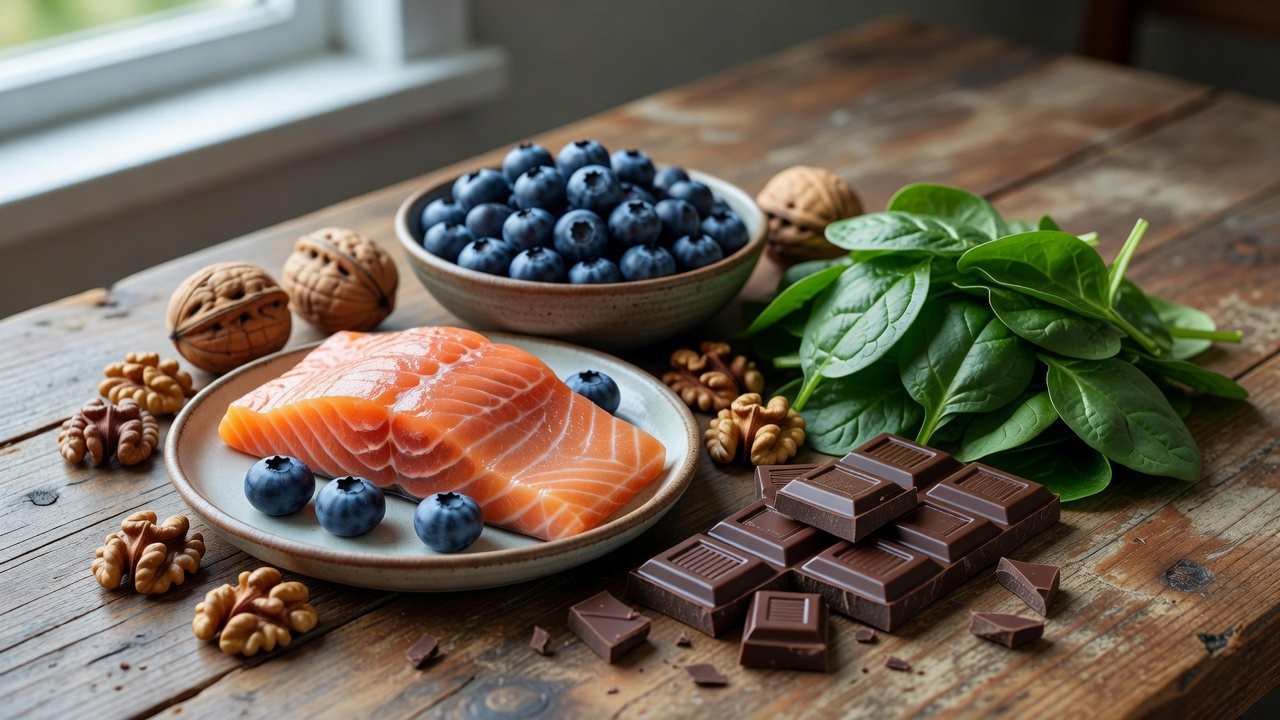
BDNF is a protein that encourages neuron growth and survival. Certain foods contain compounds like omega-3 fatty acids, flavonoids, and polyphenols that naturally elevate BDNF levels. Prioritize these evidence-backed options for maximum impact:
- Fatty fish such as salmon and mackerel for DHA, which directly influences BDNF expression and reduces inflammation in neural tissue.
- Blueberries and other dark berries packed with anthocyanins that cross the blood-brain barrier to support synaptic plasticity.
- Leafy greens like spinach and kale providing folate and vitamin K for neural support and protection against oxidative stress.
- Nuts and seeds, especially walnuts and flaxseeds, delivering alpha-linolenic acid and vitamin E to maintain membrane integrity in brain cells.
- Dark chocolate (70%+ cacao) for flavanols that stimulate BDNF pathways and improve cerebral blood flow.
- Additional options include turmeric for curcumin, which has been shown in studies to upregulate BDNF, and green tea for its catechins that enhance focus and neuroprotection.
Choose organic varieties when possible to minimize pesticide exposure that could counteract benefits. Rotate selections weekly to ensure broad nutrient intake and prevent dietary monotony. Consider sourcing from reputable suppliers to guarantee freshness and potency of active compounds.
Daily Integration Techniques with Meal Examples
Seamless incorporation into routines maximizes consistency. Start with simple swaps and build complexity based on personal schedules and preferences. Preparation methods matter—light steaming or raw consumption preserves more heat-sensitive nutrients compared to heavy frying.
Breakfast example: Overnight oats topped with blueberries, walnuts, and a sprinkle of flaxseeds. Add a side of Greek yogurt for extra protein synergy that supports sustained energy and amino acid delivery to the brain.
Lunch example: Grilled salmon salad with spinach, kale, and olive oil dressing. Include a handful of mixed berries for dessert. This combination delivers both omega-3s and antioxidants in one satisfying meal.
Dinner example: Stir-fried mackerel with broccoli and a small square of dark chocolate afterward. Pair with quinoa for sustained energy and additional minerals that aid neurotransmitter function.
Snack ideas: A handful of almonds mid-morning or a blueberry smoothie in the afternoon. For variety, try turmeric-spiced golden milk in the evening using plant-based milk and a pinch of black pepper to enhance absorption.
Weekly planning can include batch-prepping salads or smoothies on weekends. Experiment with herbs like rosemary, which contains compounds that may further support memory, to enhance flavor without extra calories.

Timing Strategies for Maximum Effect
Nutrient timing aligns with circadian rhythms and brain activity peaks. Consume BDNF-rich foods in the morning to support daytime learning and focus when cortisol levels naturally rise. Evening meals emphasizing omega-3s aid overnight consolidation of memories during deep sleep stages. Avoid heavy meals close to bedtime to prevent interference with sleep quality, which also influences neuroplasticity.
Consistency matters more than perfection. Aim for these foods at least five days per week, adjusting based on personal energy patterns observed over two weeks. For shift workers or irregular schedules, focus on front-loading nutrient intake during active hours. Pairing meals with hydration and mindful eating practices can further amplify absorption and benefits.
Tracking Personal Progress
Monitor cognitive changes through simple methods. Keep a journal noting memory recall, focus duration, and mood stability weekly. Use free apps for basic cognitive tests or maintain a habit streak for food intake. Reassess after 30 days to identify what works best. Track variables like sleep quality alongside diet to spot correlations. Consult a healthcare professional for personalized bloodwork if needed to measure inflammation markers linked to brain health, such as CRP levels.
Comparing Food Sources to Lifestyle Factors Like Sleep and Exercise
While foods provide direct nutritional support, they work best combined with other habits. Quality sleep (7-9 hours nightly) clears brain toxins and consolidates learning, amplifying food-derived BDNF effects. Regular aerobic exercise, such as 150 minutes weekly, independently boosts BDNF but pairs powerfully with omega-3 intake for additive results. Resistance training also contributes by improving overall circulation and reducing stress hormones that impair plasticity.
Foods offer steady, accessible support without equipment needs, whereas sleep and exercise require behavioral discipline. A balanced approach—nutrient-dense meals plus consistent rest and movement—yields superior long-term adaptability compared to any single factor alone. Studies from institutions like the National Institutes of Health reinforce this synergy. Additional insights can be found through resources at World Health Organization on brain health guidelines.
Common Mistakes to Avoid
- Relying solely on supplements instead of whole foods, which provide synergistic compounds that supplements often lack.
- Inconsistent intake that fails to build cumulative BDNF benefits over months.
- Ignoring portion control, leading to excess calories that may promote inflammation and counteract gains.
- Overlooking individual tolerances, such as fish allergies, without suitable swaps like chia seeds or walnuts.
- Expecting overnight transformations instead of viewing changes as gradual, cumulative processes supported by ongoing research.
Conclusion
Neuroplasticity thrives on targeted cognitive nutrition when integrated thoughtfully into daily life. By selecting BDNF-supporting foods, timing meals strategically, and combining them with sleep and exercise, sustainable brain adaptability becomes achievable. Start small, track results, and refine habits for meaningful gains over time. This evidence-based framework empowers long-term cognitive resilience in 2026 and beyond.
FAQ
How long until results appear from these foods?
Most people notice subtle improvements in focus within 2-4 weeks, with more pronounced neuroplasticity benefits after 8-12 weeks of consistent use. Individual responses vary based on age, baseline diet, and lifestyle factors.
Can these foods replace medication for cognitive issues?
No. They complement professional care but do not substitute for prescribed treatments. Always consult a doctor before making dietary changes if managing a condition.
Is there an ideal age to start these strategies?
Benefits apply across adulthood, though earlier adoption supports preventive brain health. Adjustments for seniors focus on easy-to-prepare options and consulting physicians for interactions with medications.
What if dietary restrictions limit options?
Plant-based swaps like algae oil for omega-3s and a variety of colorful produce maintain effectiveness. Gluten-free or allergy-friendly adaptations are straightforward with careful label reading.
How does stress management fit into this plan?
Chronic stress elevates cortisol, which can suppress BDNF. Incorporating brief mindfulness practices alongside nutrient-rich meals enhances overall outcomes and supports sustained neuroplasticity.


No comments yet. Be the first!