 Func Eats
Introduction: Why Nootropic Foods Matter More Than Ever in 2026
Environmental toxins from air pollution, pesticides, heavy metals and plastics continue to rise, posing serious risks to cognitive function. Nootropic foods offer a proactive nutritional strategy to protect the brain by reducing oxidative stress, supporting detoxification pathways and enhancing neuroplasticity. This approach emphasizes prevention through whole foods rather than relying solely on reactive supplements. In 2026, with increasing urban pollution and chemical exposure, understanding these protective mechanisms becomes essential for long-term brain health. Individuals seeking cognitive nutrition strategies can benefit from targeted dietary choices that address rising environmental concerns directly. The focus remains on accessible, everyday ingredients that build resilience without requiring expensive interventions or complex regimens.
How Environmental Toxins Harm the Brain
Airborne particulate matter, lead, mercury and microplastics cross the blood-brain barrier, triggering inflammation and accelerating cognitive decline. These toxins generate free radicals that damage neurons and impair memory formation. According to the World Health Organization, exposure to these pollutants is linked to higher rates of memory impairment and neurodegenerative conditions. Chronic low-level exposure disrupts neurotransmitter balance and reduces cerebral blood flow. Nootropic foods counteract these effects through antioxidants, anti-inflammatory compounds and nutrients that bolster cellular repair. Understanding these pathways helps prioritize foods rich in specific protective elements like polyphenols and omega fatty acids. Additional research from environmental health bodies highlights how prolonged exposure may also affect mood regulation and attention spans in adults and children alike.
Top Nootropic Foods and Their Protective Mechanisms
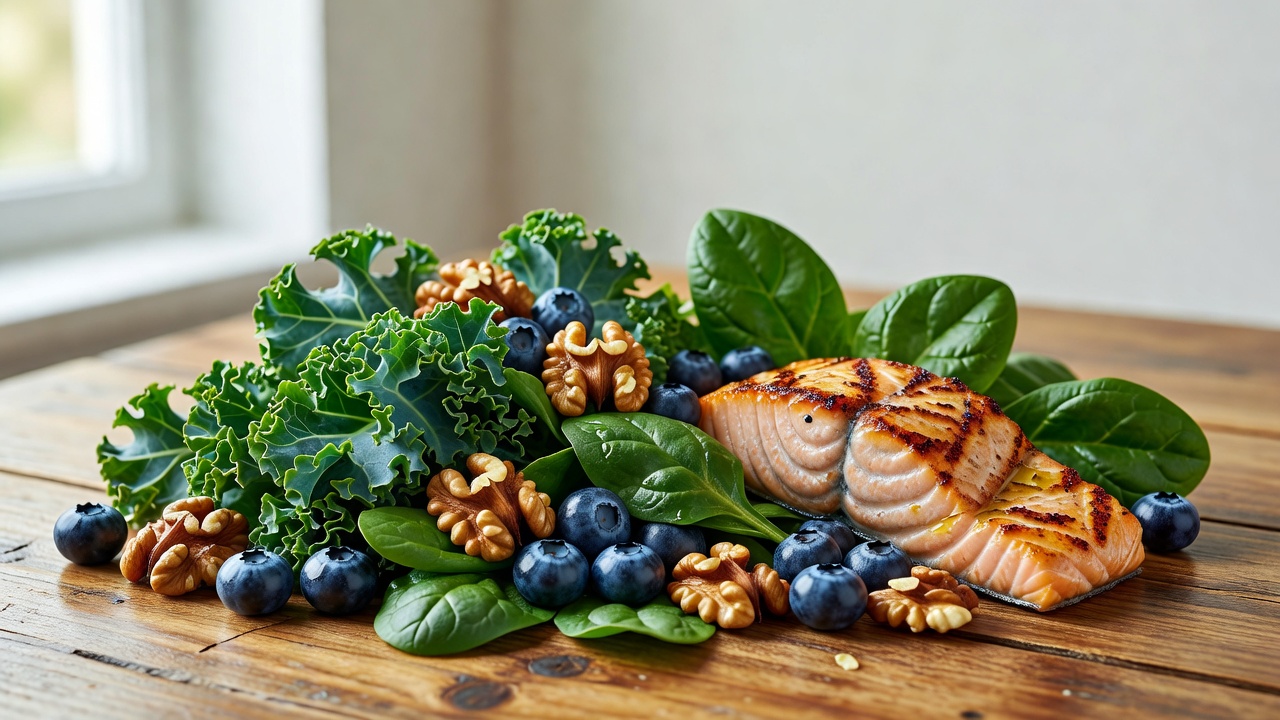
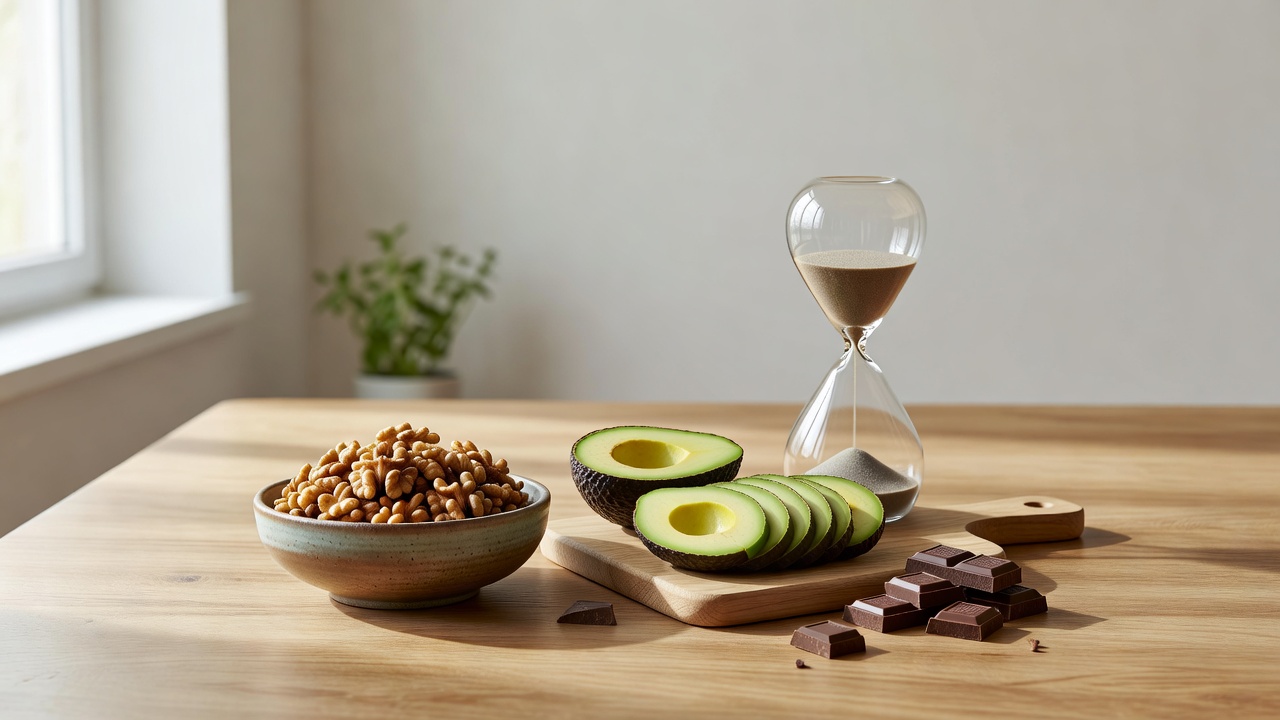
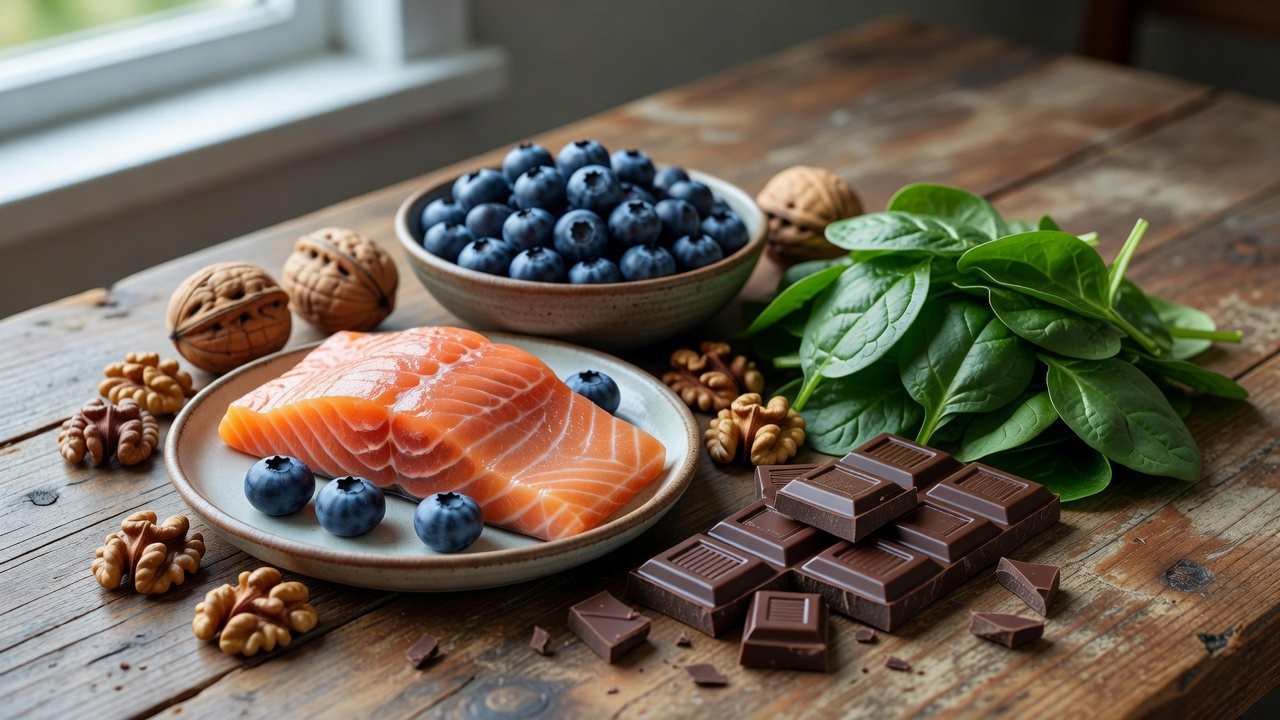
Leafy greens such as spinach and kale supply folate and lutein that reduce neuroinflammation while supporting methylation processes critical for toxin clearance. Nuts, especially walnuts and almonds, deliver omega-3s and vitamin E that shield neuronal membranes from oxidative damage. Berries provide anthocyanins that improve cerebral blood flow and enhance synaptic plasticity. Fatty fish offers DHA critical for maintaining brain cell integrity against heavy metal intrusion. Additional options include avocados for monounsaturated fats that aid nutrient absorption and turmeric for curcumin that modulates inflammatory responses. Each food works through distinct yet complementary mechanisms to build resilience against daily toxin loads. Incorporating a variety ensures broad-spectrum coverage of key nutrients needed for optimal brain defense.
Nutrient Breakdown and 2026 Research Highlights
Recent findings referenced by the National Institutes of Health underscore how these compounds mitigate toxin-induced damage. Studies show daily consumption of these foods correlates with improved executive function scores and lower biomarkers of oxidative stress. Lutein from greens accumulates in the brain to filter harmful wavelengths and reduce inflammation. Vitamin E from nuts prevents lipid peroxidation in cell membranes. Anthocyanins cross the blood-brain barrier to neutralize reactive oxygen species generated by pollutants. These 2026-aligned insights reinforce food-based prevention as a sustainable strategy amid growing environmental challenges. Emerging data also points to synergistic effects when multiple nootropic foods are combined in meals, amplifying overall protective outcomes beyond single-food consumption.
Daily Integration: Sample Meal Plans and Portion Guidelines
Consistent intake requires practical planning. Aim for two servings of leafy greens daily, one ounce of nuts, and half a cup of berries. A sample day includes spinach in breakfast, walnuts as a mid-morning snack, kale salad at lunch, and salmon with berries for dinner. Portion guidelines suggest one cup cooked greens per serving to deliver adequate folate without excess calories. Track progress over four weeks to observe subtle improvements in focus and mental clarity. Adjust portions based on activity level and individual tolerance. For busy schedules, prepare components in advance such as washing greens or portioning nuts into containers. This ensures adherence even during hectic days while maintaining nutrient density.
- Breakfast: Spinach omelet with walnuts (1 cup greens, 1 oz nuts)
- Lunch: Kale salad topped with blueberries and salmon (2 cups greens, ½ cup berries, 4 oz fish)
- Snack: Handful of almonds (1 oz)
- Dinner: Grilled fish with mixed berry dessert and steamed broccoli
- Evening option: Turmeric golden milk with a small avocado slice
Simple Recipes for Brain Protection
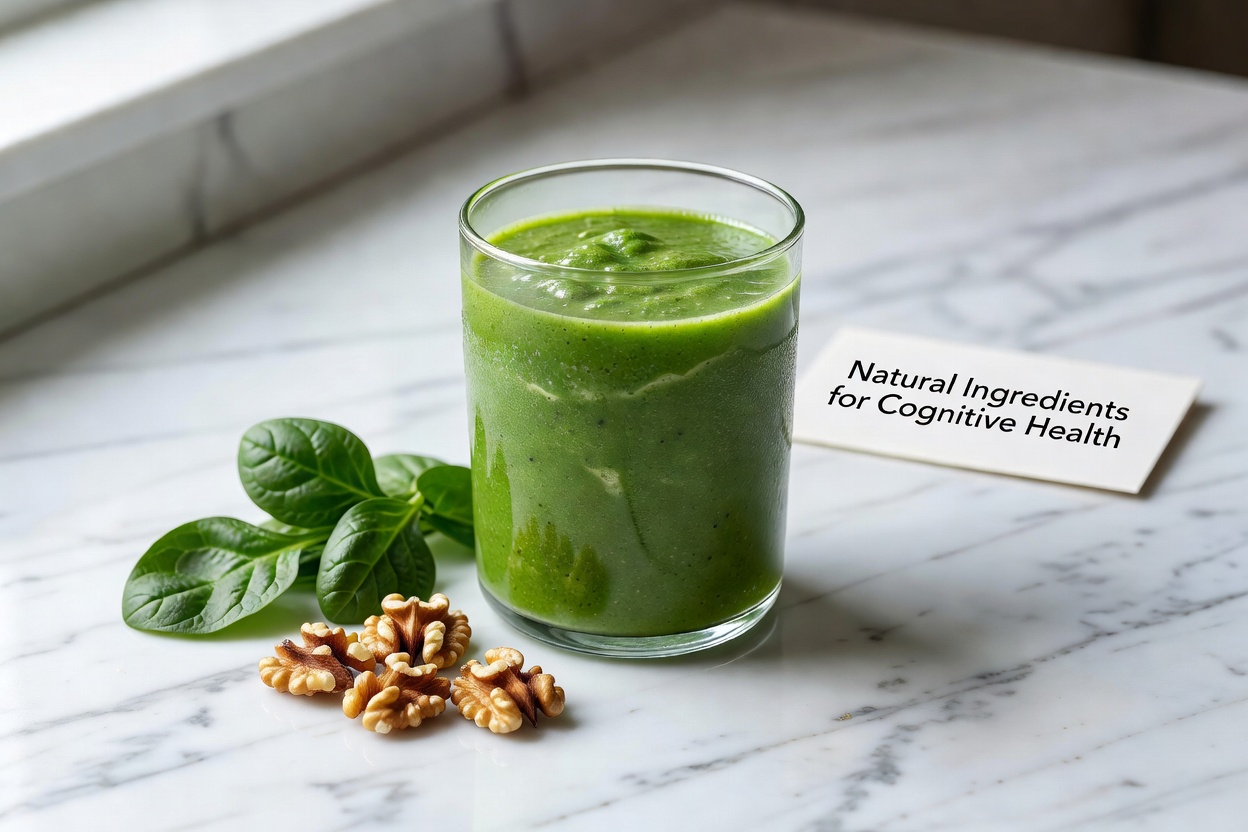
Detox Green Smoothie
Blend 2 cups spinach, 1 cup blueberries, 1 tablespoon almond butter and water. Consume daily for consistent antioxidant delivery. Add a teaspoon of turmeric for extra anti-inflammatory support. This quick recipe takes under five minutes and can be customized with additional greens or seeds for variety.
Walnut-Crusted Salmon
Coat 4 oz salmon with crushed walnuts and bake at 400°F for 12 minutes. Pair with steamed kale for maximum nutrient synergy. This recipe combines omega-3s with lutein-rich greens in one satisfying meal. Serve alongside a side of quinoa to add fiber that supports overall detoxification.
Berry and Nut Overnight Oats
Mix rolled oats with almond milk, top with berries and chopped almonds, and refrigerate overnight. This provides sustained energy and steady nutrient release throughout the morning. Experiment with different berry types to maintain interest and nutrient diversity over time.
Efficacy Comparison: Foods vs. Supplements
Whole foods provide synergistic nutrients absent in isolated supplements. Research favors food-first approaches for sustained protection without the risks of over-supplementation. Foods deliver fiber and cofactors that enhance bioavailability, while supplements may lack these supportive elements. In head-to-head observations, dietary patterns rich in nootropic foods show broader cognitive benefits than single-nutrient pills alone. Long-term adherence tends to be higher with enjoyable meals compared to daily pill routines.
Mistakes to Avoid When Using Nootropic Foods
Common errors include inconsistent consumption, overcooking vegetables which reduces nutrient density, and neglecting variety that limits nutrient diversity. Avoid pairing these foods with high-sugar items that can counteract anti-inflammatory effects. Focus on whole forms rather than processed versions to maintain protective compounds. Another pitfall is ignoring seasonal availability, which may lead to reliance on less nutrient-dense imports; instead, choose local produce when possible for fresher options.
FAQ
How quickly do these foods show benefits?
Most individuals notice improved focus within 4–6 weeks of consistent intake as nutrient levels stabilize and inflammation decreases.
Are organic versions necessary?
Organic produce reduces additional pesticide exposure, enhancing overall protective effects against environmental toxins.
Can children benefit?
Age-appropriate portions of these foods support developing brains facing environmental stressors while building lifelong healthy habits.
Do these foods interact with medications?
Consult a healthcare provider, as high intakes of leafy greens may affect certain blood thinners due to vitamin K content.
What if I dislike fish?
Substitute with flaxseeds or walnuts to obtain plant-based omega-3 precursors that support similar brain-protective pathways.
Conclusion
Incorporating nootropic foods into daily routines offers a powerful, accessible defense against rising environmental toxins. Start with small, consistent changes for lasting cognitive resilience and overall well-being in 2026 and beyond.
No comments yet. Be the first!