 Func Eats
Introduction: Why Nutrition Matters for Brain Health After 50
As adults reach their 50s and beyond, maintaining cognitive function becomes a priority. Age-related changes such as reduced blood flow to the brain, increased oxidative stress, chronic low-grade inflammation, and gradual decline in neurotransmitter production can affect memory, focus, and overall mental sharpness. Nootropic foods—those that naturally enhance brain performance—offer a practical, sustainable way to support long-term cognitive health through everyday diet rather than relying solely on supplements. Research shows that consistent dietary choices can help slow cognitive aging, improve recall, and reduce the risk of mild cognitive impairment.
This comprehensive guide examines specific foods backed by clinical studies, compares whole foods to supplements, provides actionable incorporation strategies with multiple meal examples, and highlights synergies with lifestyle habits like exercise. Readers will also find an expanded beginner shopping list, detailed safety considerations, common mistakes to avoid, and answers to frequently asked questions about tracking progress over months and years.
Key Nootropic Foods and Their Mechanisms
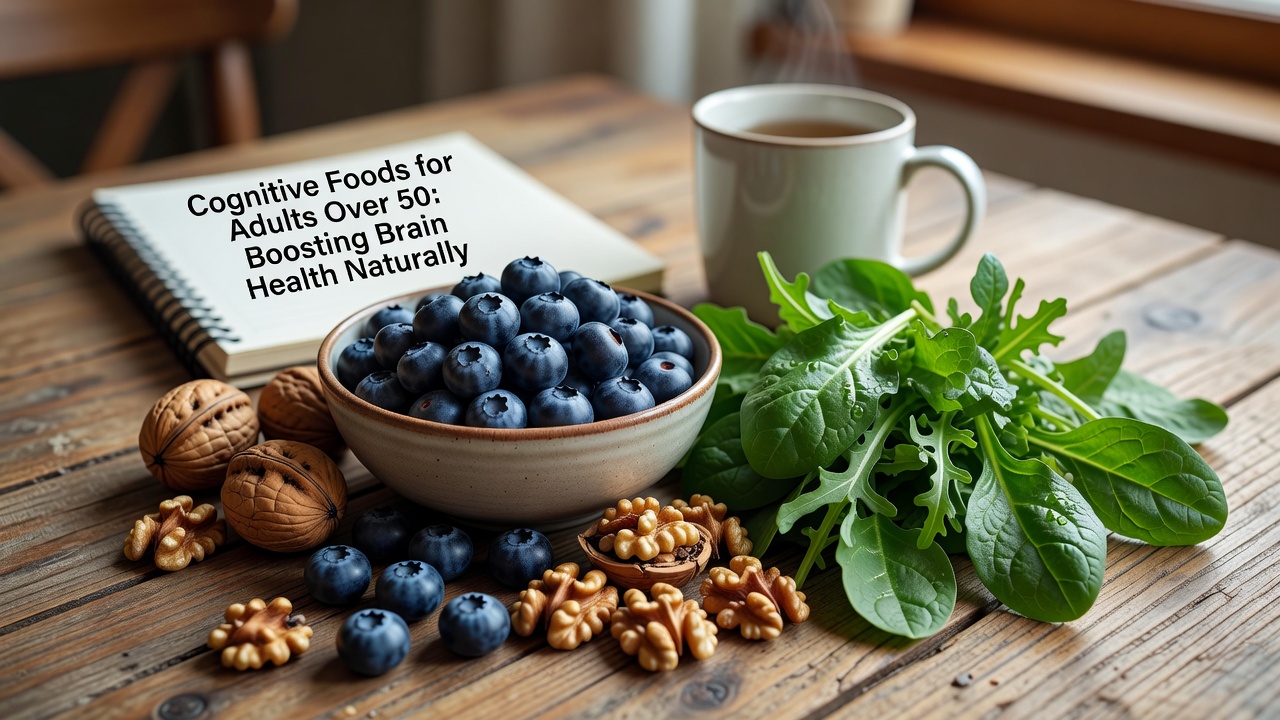
Three standout foods consistently appear in studies on cognitive nutrition for adults over 50: blueberries, walnuts, and leafy greens. Each works through distinct biological pathways that help protect the aging brain from oxidative damage, support vascular health, and promote neuroplasticity.
Blueberries: Antioxidant Powerhouses for Memory
Blueberries contain high levels of anthocyanins and flavonoids that cross the blood-brain barrier. These compounds reduce oxidative stress and inflammation in the hippocampus, the brain region responsible for memory formation. Regular consumption has been linked to better verbal memory recall and delayed cognitive decline in adults over 50. Studies suggest eating one cup daily can improve executive function within eight to twelve weeks by enhancing signaling between neurons.
Walnuts: Omega-3 and Polyphenol Support for Focus
Walnuts are rich in alpha-linolenic acid, a plant-based omega-3 fatty acid, plus polyphenols that promote healthy blood flow. Improved cerebral circulation helps deliver oxygen and nutrients to brain tissue while reducing plaque buildup in arteries. The unique shape of walnuts even resembles the brain, but more importantly, their combination of healthy fats and antioxidants supports focus, mood stability, and protection against age-related decline in processing speed.
Leafy Greens: Folate, Vitamin K, and Lutein for Neuroprotection
Spinach, kale, and Swiss chard supply folate for neurotransmitter synthesis, vitamin K for maintaining brain cell membranes, and lutein for shielding neurons against oxidative damage. Daily intake of at least one cup cooked or two cups raw correlates with slower rates of cognitive aging according to longitudinal research. These greens also provide magnesium that helps regulate stress responses in the brain.
National Institute on Aging resources emphasize that consistent dietary patterns rich in these foods can meaningfully influence brain aging trajectories when started in midlife.
Food Sources Versus Supplements: Evidence-Based Comparison
Whole foods provide synergistic nutrients, fiber, and phytonutrients that isolated supplements often lack. A recent review found that food matrices enhance bioavailability compared with single-nutrient pills. For example, the fiber in blueberries slows sugar absorption while delivering multiple flavonoids at once, something a capsule cannot replicate. Supplements may be useful when dietary gaps exist due to medical conditions or limited access to fresh produce, but they cannot fully replace the benefits of eating the actual foods. Experts generally recommend prioritizing colorful plates over capsules for sustainable cognitive support, reserving supplements for targeted deficiencies confirmed by blood tests.
Daily Incorporation Steps and Sample Meal Ideas
Start small by adding one serving of each key food daily and build consistency over four weeks. Here is a simple progression plan:
- Week 1: Add a handful of blueberries to breakfast oatmeal or yogurt.
- Week 2: Include a small serving of walnuts as an afternoon snack or salad topping.
- Week 3: Incorporate one cup of cooked leafy greens at dinner, perhaps sautéed with garlic.
- Week 4: Combine all three in a single day and experiment with smoothies or grain bowls.
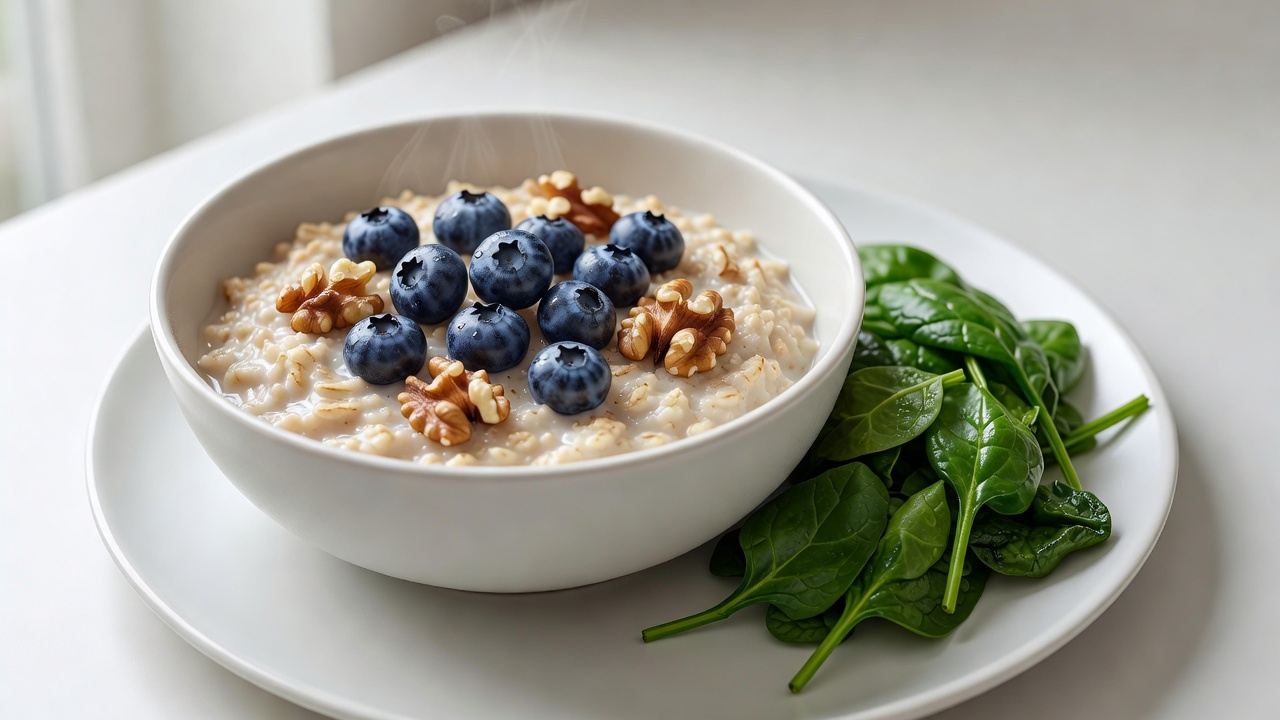
Sample daily menu for cognitive support: Oatmeal topped with one cup blueberries and a quarter cup walnuts for breakfast; a spinach and kale salad with olive oil, avocado, and chickpeas for lunch; grilled salmon with sautéed Swiss chard and a walnut garnish for dinner. Another option is a blueberry-walnut smoothie with spinach blended in for a quick lunch. These meals deliver fiber, healthy fats, and antioxidants in balanced portions that support steady energy without blood sugar spikes.
Lifestyle Synergies: Exercise and Cognitive Nutrition
Combining nootropic foods with regular physical activity amplifies benefits through complementary mechanisms. Aerobic exercise such as brisk walking or cycling increases brain-derived neurotrophic factor (BDNF), which supports neuron growth, while the nutrients from these foods reduce inflammation. Aim for 150 minutes of moderate activity weekly alongside the dietary changes. Strength training twice weekly further protects against sarcopenia that can indirectly affect brain health. Even short daily walks after meals improve blood flow and help the body utilize the antioxidants from blueberries and greens more effectively.
Beginner-Friendly Shopping List
- Fresh or frozen blueberries (2–3 pints or bags for the week)
- Raw walnuts, unsalted (8-ounce bag, stored in the refrigerator to maintain freshness)
- Spinach, kale, and Swiss chard (mixed bunch or pre-washed containers)
- Olive oil and avocados for healthy fats that aid nutrient absorption
- Whole grains such as oats or quinoa for sustained energy
- Garlic, onions, and lemons for flavoring greens without added salt
- Optional add-ins: ground flaxseed as a walnut alternative for nut allergies
Potential Side Effects and Safety Notes
Most adults tolerate these foods well when introduced gradually. Individuals with nut allergies should avoid walnuts or choose ground flaxseed instead. Those on blood thinners should monitor vitamin K intake from greens and discuss consistent consumption with their doctor. High fiber intake from greens and berries may cause temporary digestive adjustment, so increase portions slowly. Always consult a healthcare provider before making major dietary shifts, especially when managing existing conditions or medications.
Common Mistakes to Avoid
Many people make the error of expecting overnight results or eating these foods sporadically. Another frequent mistake is choosing sweetened blueberry products that add excess sugar, negating benefits. Overcooking leafy greens can reduce some nutrient levels, so light steaming or raw preparations preserve more value. Finally, relying only on one food rather than combining several limits the range of protective compounds reaching the brain.
FAQ: Tracking Cognitive Improvements Over Time
How long does it take to notice benefits?
Many people report subtle improvements in focus and mental clarity within 4–8 weeks of consistent intake, though measurable memory changes often take 3–6 months of daily consumption.
What simple tests can track progress?
Keep a daily journal noting recall tasks such as remembering names or appointments. Use free online cognitive screeners from reputable health organizations every three months to monitor trends objectively.
Can these foods replace medication?
No. Nootropic foods complement but do not replace prescribed treatments for cognitive conditions or neurological disorders.
Are there seasonal substitutions?
Frozen blueberries retain most antioxidants year-round. In winter months, use frozen spinach or kale and consider adding Brussels sprouts as an alternative cruciferous green.
Conclusion
Adopting nootropic foods such as blueberries, walnuts, and leafy greens provides a science-supported strategy for supporting memory, focus, and neuroprotection after 50. When paired with exercise and mindful lifestyle habits, these dietary choices form a powerful foundation for healthy brain aging. Begin with small, sustainable additions to your plate today, track your cognitive well-being over time, and adjust as needed for lasting results.

No comments yet. Be the first!