 Func Eats
2026 Functional Foods for Immune Resilience Guide
In 2026, rising health awareness is driving interest in functional foods that support immune resilience through natural bioactive compounds. This comprehensive guide explains the science behind key options like elderberry and garlic, compares them to supplements, and provides actionable steps including daily dosages, recipe ideas, seasonal sourcing, and a complete 7-day meal plan. Readers will also find practical advice on affordable swaps, measurable outcomes, common mistakes to avoid, and answers to frequently asked questions about medication interactions.
Understanding Immune Resilience in 2026
Immune resilience refers to the body's ability to respond effectively to pathogens while maintaining balance to avoid overreactions. Functional foods rich in polyphenols, flavonoids, and sulfur compounds can contribute to this balance by providing ongoing nutritional support. As awareness grows, many people are turning to everyday ingredients rather than relying solely on isolated nutrients. Incorporating these foods consistently helps build habits that sustain energy, digestion, and overall vitality throughout the year.
The Science Behind Elderberry
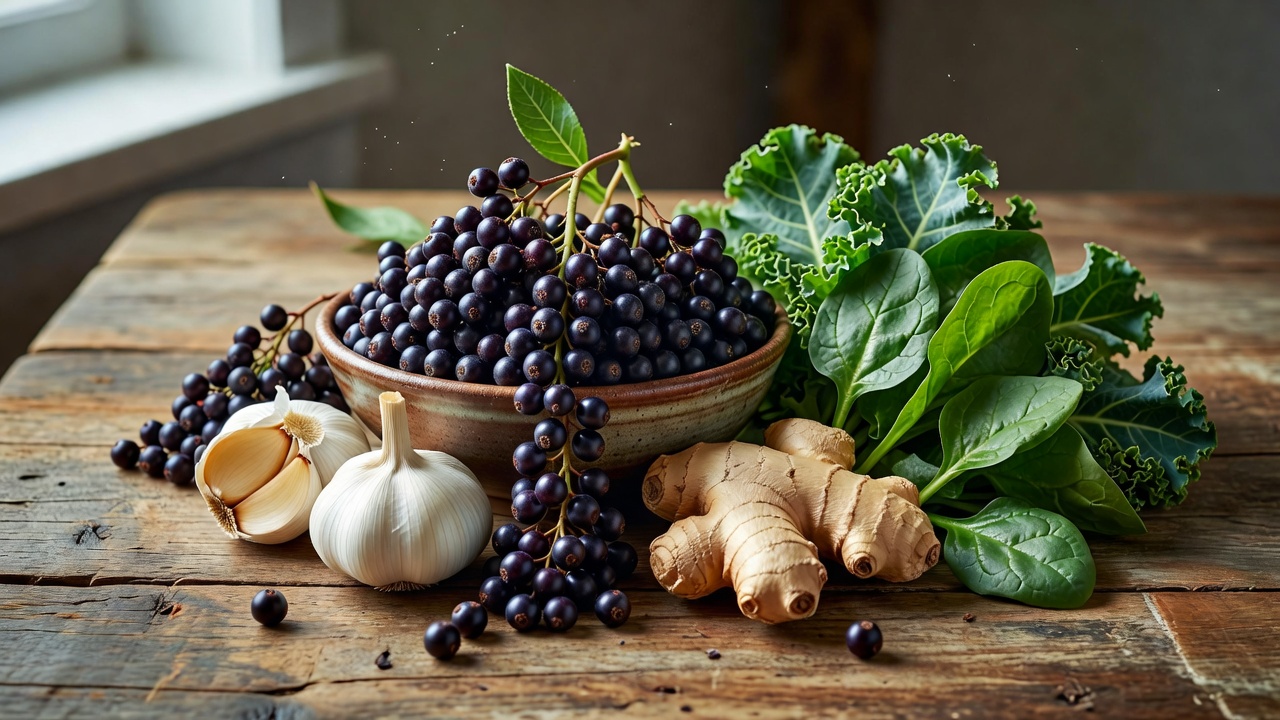
Elderberry contains anthocyanins and flavonoids that may help modulate immune responses and reduce inflammation. Studies suggest these compounds support cytokine production and antioxidant activity. Research from World Health Organization highlights the role of plant-based bioactives in overall wellness strategies. When consumed regularly, elderberry may shorten the duration of occasional colds and support respiratory comfort, making it a popular choice during seasonal transitions.
The Science Behind Garlic
Garlic delivers allicin and sulfur compounds linked to antimicrobial activity. These elements may enhance natural killer cell function and promote healthy inflammatory responses. Fresh garlic retains the highest levels of active enzymes, while aged extracts offer stable benefits for daily use. The compound allicin forms when garlic is crushed or chopped, so proper preparation maximizes its potential contributions to immune support.
Comparing Functional Foods to Supplements
Whole foods offer synergistic nutrients that supplements often isolate. Elderberry syrup provides fiber and polyphenols absent in capsules, while fresh garlic retains enzymes lost during processing. Foods also tend to be more affordable and easier to incorporate daily without risk of over-supplementation. Supplements can deliver concentrated doses quickly but lack the additional vitamins, minerals, and digestive benefits found in whole forms. For most people seeking long-term resilience, starting with food-first approaches yields better adherence and broader nutritional impact.
Daily Dosage Recommendations
For elderberry, 1–2 tablespoons of syrup or 500 mg of dried extract daily supports maintenance. Garlic dosage is typically 1–2 fresh cloves or 600–1,200 mg aged extract. Always start low and monitor tolerance. For example, begin with half a clove of garlic in the evening and gradually increase. Those new to elderberry can mix one tablespoon into warm water at breakfast. Consistency matters more than high doses; exceeding recommendations without guidance offers no additional benefit and may cause digestive discomfort.
Simple Recipe Integrations
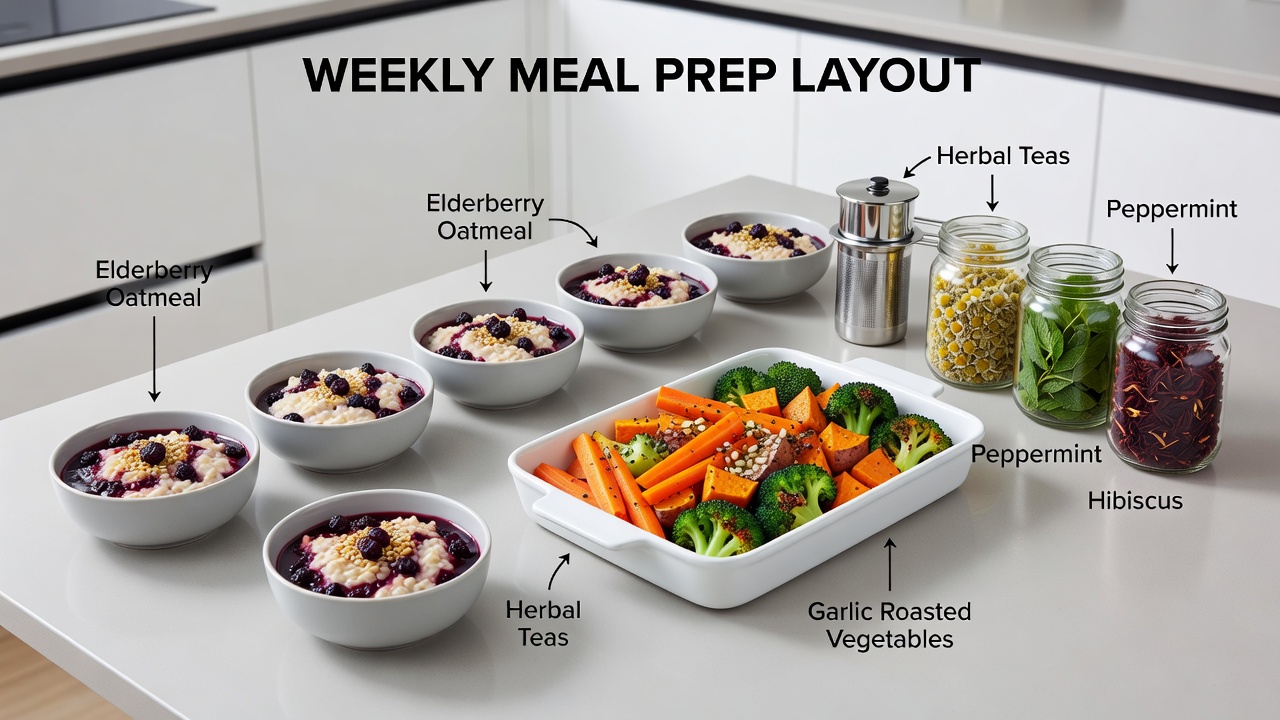
Stir elderberry syrup into morning oatmeal or yogurt parfaits. Roast whole garlic bulbs with olive oil and rosemary for lunch sides that pair well with grains. Add minced garlic to soups, stir-fries, and salad dressings for an easy flavor boost. Another option is blending elderberry into smoothies with banana and spinach or creating garlic-herb marinades for roasted vegetables. These small swaps deliver consistent bioactives without extra effort or time in the kitchen.
Seasonal Sourcing Tips for 2026
Shop local farmers markets in fall for fresh elderberries and year-round for garlic bulbs. Choose organic when possible to maximize nutrient density and minimize pesticide exposure. Freeze elderberries or dry garlic for off-season use while preserving potency. In winter months, look for frozen elderberry products or high-quality syrups from reputable producers. Spring offers early garlic scapes that can be sautéed similarly to green beans. Building relationships with local growers ensures fresher, more affordable options throughout 2026.
7-Day Meal Plan Example
The following plan demonstrates how to weave functional foods into regular meals. Day 1 starts with elderberry oatmeal, includes garlic-roasted chicken at lunch, and finishes with ginger-elderberry tea. Day 2 features garlic scrambled eggs, lentil soup with extra garlic, and a berry-garlic smoothie. Day 3 offers an elderberry yogurt parfait, garlic stir-fry vegetables, and herb-roasted fish. Day 4 suggests garlic avocado toast for breakfast, quinoa salad with roasted garlic for lunch, and elderberry chia pudding for dessert. Day 5 includes berry-garlic overnight oats, a garlic hummus wrap, and spiced lentil stew. Day 6 uses an elderberry smoothie bowl, garlic mushroom risotto, and baked salmon with garlic. Day 7 wraps up with a garlic herb omelet, vegetable broth with garlic, and elderberry compote. Adjust portions based on individual needs and preferences.
Affordable Swaps and Measurable Outcomes
Replace expensive imported berries with frozen local options or dried elderberry from bulk bins. Use store-brand garlic instead of specialty varieties when budgets are tight. Track outcomes by noting energy levels, fewer seasonal sniffles, and improved digestion over 4–6 weeks. Keep a simple journal logging daily intake and how you feel each evening. Many people observe steadier energy and better recovery from minor illnesses after consistent use. These measurable changes reinforce the habit of functional eating for sustained resilience.
Common Mistakes to Avoid
One frequent error is cooking garlic at high heat for too long, which destroys beneficial enzymes. Another is using elderberry products with added sugars that reduce overall benefits. Skipping variety by relying on one food only limits nutrient diversity. Always verify product labels for purity and avoid exceeding suggested dosages without professional advice.
FAQs on Potential Medication Interactions
Can elderberry interact with immunosuppressants? Yes, it may stimulate immune activity; consult your doctor first.
Does garlic affect blood thinners? Garlic compounds can enhance anticoagulant effects; monitor with medical guidance.
Are there interactions with diabetes medications? Both foods may influence blood sugar; regular monitoring is advised.
How soon can results appear? Many notice benefits within 2–4 weeks of consistent intake.
Is it safe to combine elderberry and garlic daily? Most healthy adults tolerate the combination well when introduced gradually.
Conclusion
Integrating elderberry and garlic into daily meals offers an evidence-informed path to immune resilience in 2026. Use the provided dosages, recipes, and meal plan to start building lasting habits today that support year-round wellness.
No comments yet. Be the first!