 Func Eats
Introduction to Functional Foods for Longevity
In 2026, midlife adults are increasingly turning to functional foods as a proactive strategy for extending healthspan and supporting healthy aging. These are whole foods naturally rich in bioactive compounds that deliver benefits beyond basic nutrition, such as modulating gene expression, supporting cellular repair, and reducing the risk of age-related diseases. Unlike isolated supplements, functional foods offer synergistic interactions among nutrients, fibers, and phytochemicals that researchers associate with improved outcomes in cardiovascular health, cognitive function, and metabolic balance.
The focus remains on evidence-based approaches without relying on pills or powders. Bioactive elements like polyphenols, flavonoids, and healthy fats target root causes of aging, including chronic low-grade inflammation and oxidative damage. This article provides in-depth coverage of mechanisms, standout food examples, incorporation strategies, sample meal plans, absorption optimization, dietary comparisons, and answers to common questions for readers seeking practical preventive nutrition.
Key Mechanisms: Reducing Inflammation and Oxidative Stress
Chronic inflammation and oxidative stress accelerate cellular aging by damaging DNA, proteins, and lipids. Functional foods counteract these through multiple pathways. Polyphenols activate the Nrf2 transcription factor, which upregulates antioxidant enzymes such as superoxide dismutase and glutathione peroxidase. Flavonoids inhibit nuclear factor kappa B, lowering production of pro-inflammatory cytokines including IL-6, TNF-alpha, and CRP. 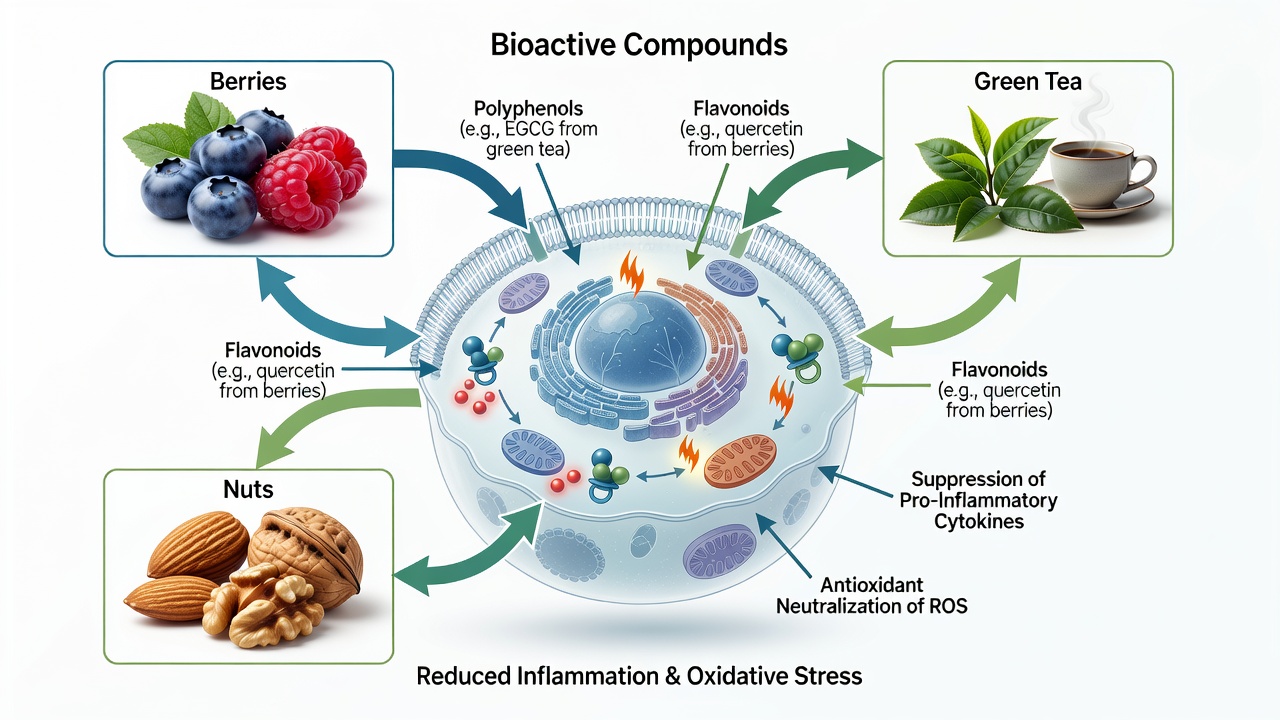
Omega-3 fatty acids from plant sources compete with arachidonic acid in cell membranes, shifting eicosanoid production toward anti-inflammatory resolvins. These mechanisms collectively support mitochondrial efficiency, endothelial function, and autophagy—the cellular cleanup process. Authoritative sources such as Mayo Clinic and National Institutes of Health highlight consistent dietary patterns rich in these compounds as linked to lower incidence of metabolic syndrome and neurodegenerative conditions over time.
Additional Pathways Supporting Longevity
Beyond direct antioxidant effects, certain bioactives influence sirtuin activity and telomere maintenance. Epigallocatechin gallate from green tea enhances DNA repair enzymes, while ellagic acid in berries promotes apoptosis in damaged cells. Regular consumption builds cumulative resilience against environmental stressors.
Standout Functional Foods and Their Bioactive Benefits
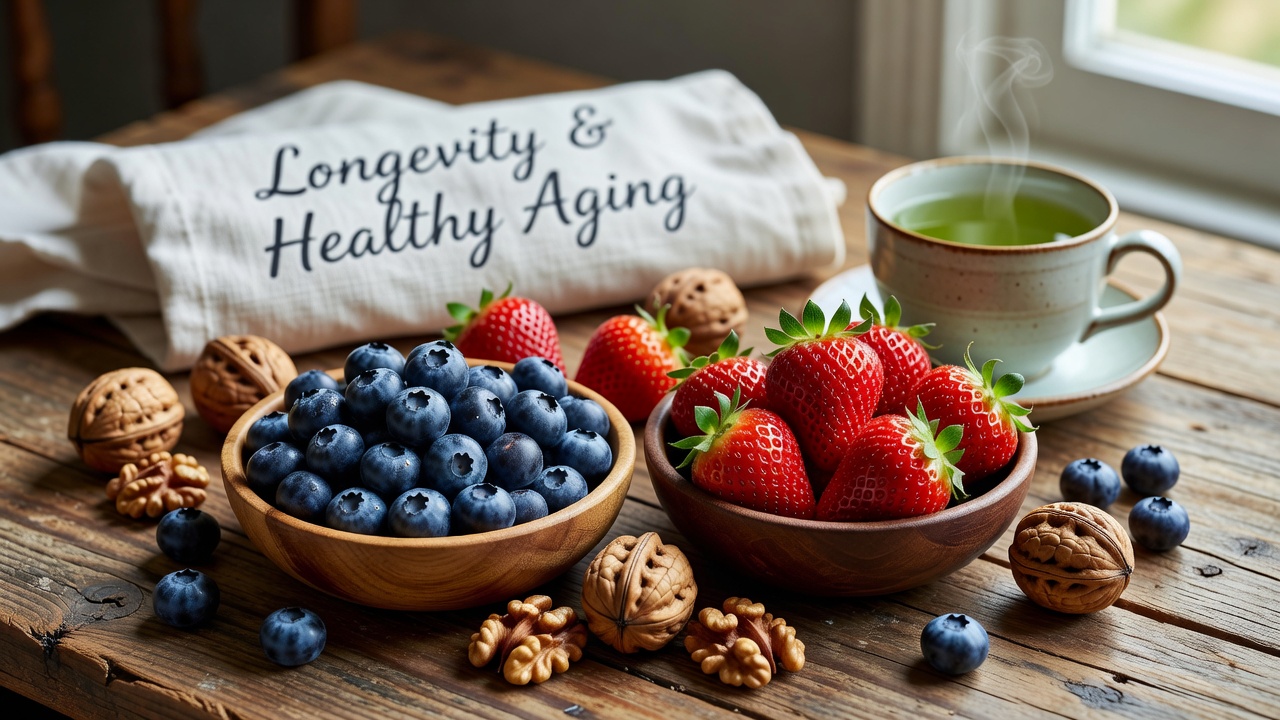
Berries rank among the most researched options due to high anthocyanin and ellagitannin content. Blueberries improve cerebral blood flow and insulin sensitivity, while strawberries provide vitamin C and quercetin for vascular protection. Green tea delivers concentrated catechins, particularly EGCG, that boost metabolic rate and support liver detoxification enzymes. Nuts, especially walnuts and almonds, supply alpha-linolenic acid, vitamin E, and magnesium for lipid profile improvement and stress reduction.
- Berries: One to two cups daily associated with enhanced memory recall and reduced arterial stiffness in observational studies
- Green tea: Two to three cups provide thermogenic effects and may improve fasting glucose levels
- Nuts: A 30-gram portion daily correlates with better weight management and lower LDL oxidation
- Additional options: Incorporate turmeric for curcumin's NF-kB inhibition or fatty fish for marine omega-3s when plant sources are limited
These foods work best as part of varied intake rather than isolated superfood reliance.
Step-by-Step Incorporation into Daily Routines
Begin with a food diary to identify gaps. Replace one afternoon processed snack with fresh berries. Prepare green tea by steeping at 80°C for three minutes to preserve catechins, and consume mid-morning. Add chopped walnuts to overnight oats or salads. Gradually increase portions while monitoring tolerance. Track energy levels, digestion, and sleep quality over four weeks to refine habits. For busy schedules, batch-prep berry smoothies or portion nuts in advance. Consistency matters more than perfection; aim for five to seven servings weekly across categories.
Sample Meal Plans for Longevity Support
Day 1 Breakfast: Oatmeal topped with blueberries, strawberries, and almonds, drizzled with a teaspoon of honey. Mid-morning: Cup of green tea. Lunch: Grilled salmon over mixed greens with olive oil, cherry tomatoes, and walnuts. Afternoon snack: Greek yogurt with raspberries. Dinner: Quinoa stir-fry with broccoli, bell peppers, turmeric, and herbs. Evening: Herbal infusion if desired.
Day 2 Breakfast: Smoothie blending spinach, mixed berries, green tea brew, and chia seeds. Lunch: Lentil soup with added nuts and side salad. Dinner: Baked cod with roasted vegetables and a berry compote dessert. These plans emphasize variety, fiber, and bioactive density while remaining accessible for home preparation.
Absorption Tips and Bioavailability Enhancement
Many bioactives are fat-soluble, so pairing berries with yogurt or nuts improves uptake. Consume green tea away from meals high in calcium to avoid tannin interference. Light steaming of vegetables preserves heat-sensitive compounds better than boiling. Rotate sources weekly—alternate blueberry types or tea varieties—to maintain diverse polyphenol exposure. Individuals with digestive sensitivities may benefit from gradual introduction and pairing with ginger for better tolerance.
Comparisons with Other Longevity Diets
The Mediterranean diet overlaps significantly through emphasis on fruits, nuts, and olive oil but places greater weight on fish and whole grains. Okinawan patterns highlight sweet potatoes and green tea alongside lower calorie density. A functional-foods approach allows targeted additions to any base eating style, offering flexibility for cultural preferences or existing habits. Unlike restrictive protocols, it focuses on inclusion rather than elimination, making adherence more sustainable for midlife transitions.
Addressing Common Myths, Safety Considerations, and FAQs
Many assume functional foods deliver rapid dramatic results; in reality, benefits accumulate gradually through consistent intake. They do not replace prescribed medications but can complement medical advice. Potential interactions exist for those on blood thinners—consult professionals before major dietary shifts. Safety profile remains excellent for most adults when foods are consumed in normal dietary amounts.
FAQ 1: How do functional foods differ from regular healthy eating? They specifically target bioactive mechanisms rather than general nutrient provision. FAQ 2: What if allergies limit options? Substitutions such as swapping nuts for seeds or berries for other colorful produce maintain benefits. FAQ 3: Can these foods extend lifespan directly? Evidence points more reliably to healthspan extension through disease risk reduction. FAQ 4: Are organic versions necessary? Conventional produce still delivers meaningful bioactives; prioritize volume and variety.
Monitoring Progress and Overcoming Challenges
Track biomarkers like hs-CRP or fasting glucose during routine checkups to observe trends. Common barriers include cost or availability; frozen berries and bulk nuts offer economical alternatives year-round. Build support through meal prep communities or apps that log functional food servings. Over time, these habits integrate seamlessly into lifestyle, fostering both physical resilience and mindful eating practices.
Conclusion
Functional foods represent a sustainable, science-aligned strategy for longevity in 2026. By understanding mechanisms, selecting key examples like berries, green tea, and nuts, following structured incorporation and meal plans, optimizing absorption, and comparing approaches thoughtfully, midlife readers can implement preventive strategies that promote extended healthspan and overall vitality.

No comments yet. Be the first!