 Func Eats
Introduction to Functional Foods for Athletic Recovery
Athletes and fitness enthusiasts constantly seek natural methods to enhance recovery after intense training. Functional foods rich in bioactive compounds offer targeted support for reducing inflammation, easing muscle soreness, and promoting faster repair. This 2026 guide examines the mechanisms behind key superfoods, practical timing strategies, sample meal plans, and comparisons between whole and processed options. By integrating these foods into daily routines, individuals can achieve measurable improvements in performance and reduced downtime from soreness.
Bioactive compounds in foods such as tart cherries and omega-rich seeds interact with the body's inflammatory pathways. Research from institutions like the National Institutes of Health highlights how these nutrients modulate cytokines and support muscle protein synthesis. Understanding these interactions allows athletes to make informed dietary choices that complement training regimens effectively.
The Science of Anti-Inflammatory Superfoods
Understanding the biological mechanisms is essential for effective use. Tart cherries contain anthocyanins that inhibit COX-2 enzymes, similar to some anti-inflammatory medications but without side effects. Omega-3 fatty acids from seeds like flax and chia reduce prostaglandin production, lowering overall inflammation markers post-exercise. These processes help mitigate the oxidative stress that accumulates during high-intensity sessions.
Studies demonstrate that consistent intake can decrease delayed onset muscle soreness (DOMS) by 20-30% in trained individuals. These effects stem from antioxidant activity that neutralizes free radicals generated during workouts. Additional research shows impacts on cortisol levels and improved sleep architecture, both critical for tissue repair and hormonal balance in active populations.
Key Functional Foods and Their Mechanisms
Several standout foods deliver recovery benefits through specific bioactives. Expanding on core options reveals additional layers of support for athletic needs.
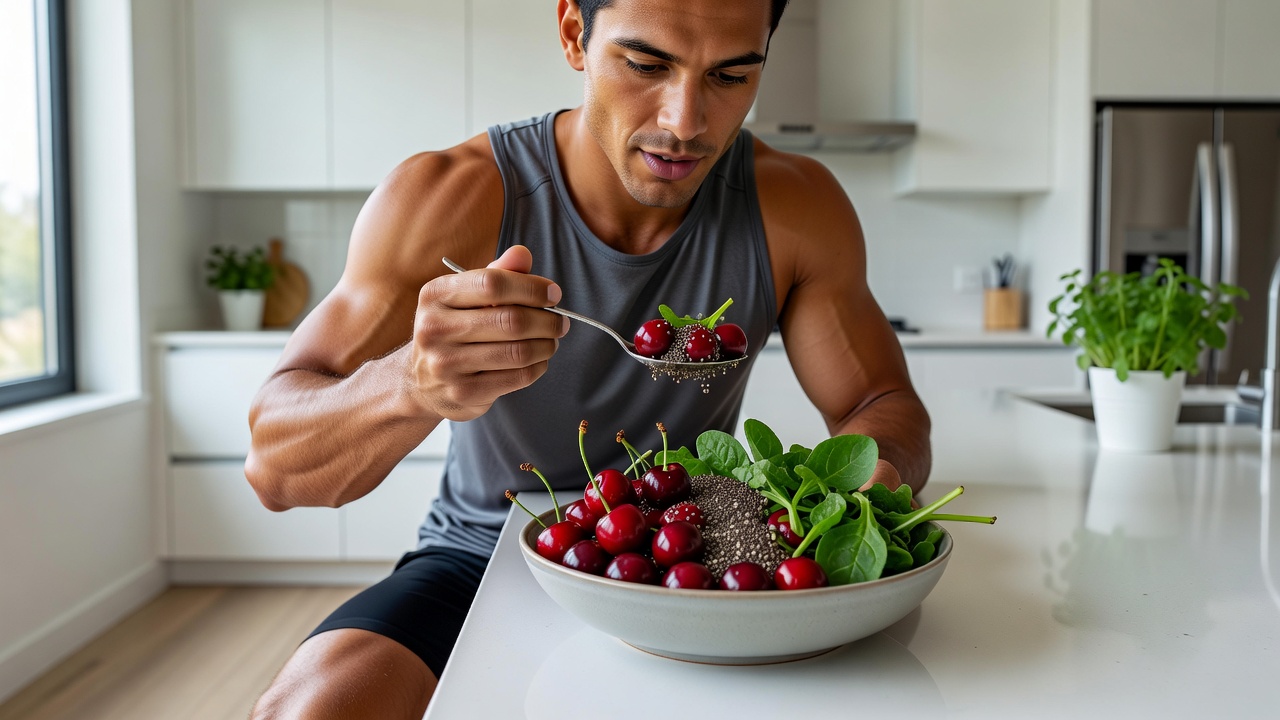
- Tart Cherries: High in anthocyanins and melatonin; reduce oxidative stress and improve sleep quality for overnight repair. They also support hydration through natural electrolytes.
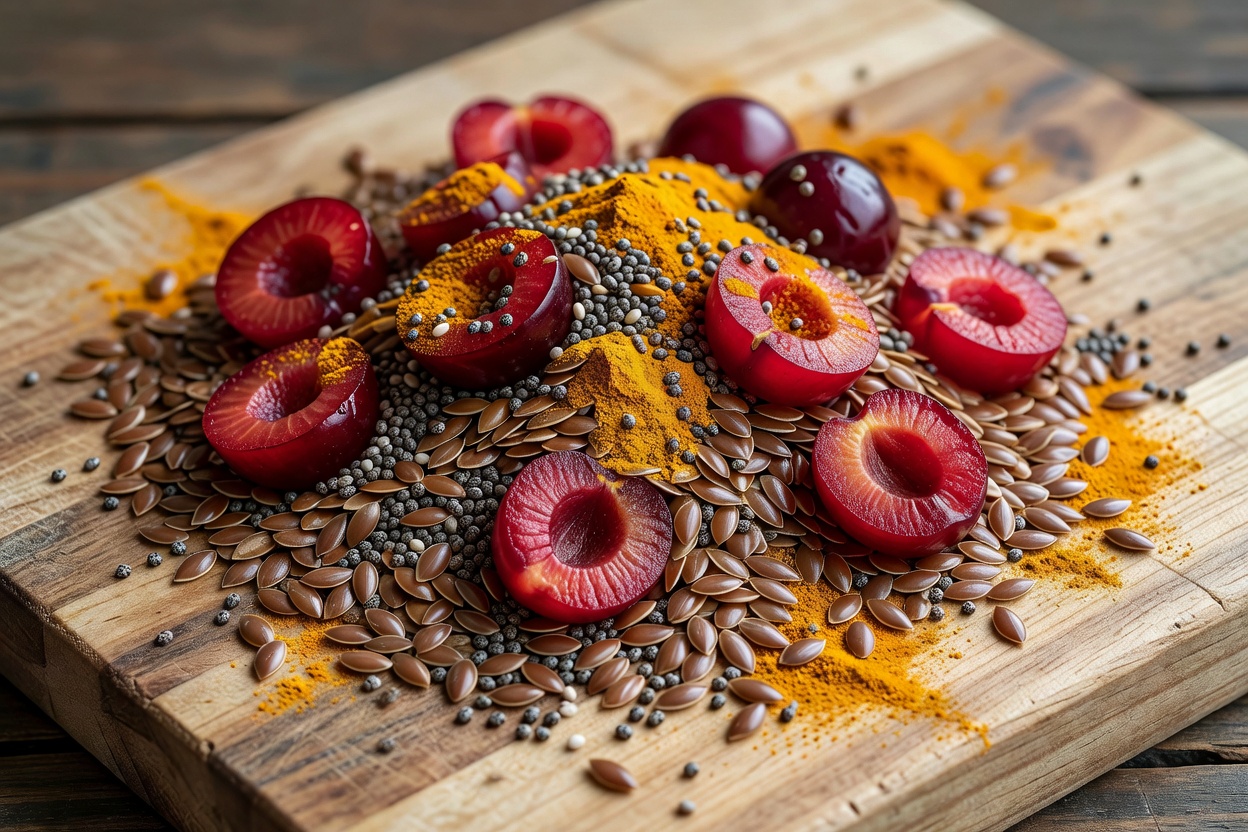
- Omega-Rich Seeds: Flaxseeds, chia seeds, and hemp seeds provide ALA omega-3s that convert to EPA and DHA, supporting joint health and decreasing swelling while aiding in cell membrane integrity.
- Turmeric and Ginger: Curcumin and gingerol compounds block NF-kB pathways, curbing chronic inflammation common in athletes and providing digestive support for better nutrient uptake.
- Beets and Leafy Greens: Nitrates improve blood flow while vitamins support collagen synthesis for tendon recovery and enhanced endurance capacity.
- Berries and Citrus Fruits: Additional polyphenols boost immune function and accelerate clearance of metabolic byproducts from intense efforts.
National Center for Biotechnology Information provides extensive peer-reviewed data on these compounds and their applications in sports nutrition.
Optimal Timing Strategies for Absorption
Nutrient timing maximizes bioactive impact. Consume tart cherry concentrate within 30-60 minutes post-workout to leverage the anabolic window. Omega seeds benefit from pairing with healthy fats at evening meals to aid overnight recovery processes. Spread intake across the day rather than loading at one time for sustained anti-inflammatory effects. Pre-workout consumption of beets can enhance nitric oxide levels for better performance, while post-session ginger tea aids in immediate inflammation control.
Consider individual factors such as training time, digestion rates, and sleep schedules when planning intake. For morning athletes, a seed-enhanced breakfast supports sustained energy and recovery throughout the day. Evening trainers may prioritize melatonin-rich cherries to align with circadian rhythms.
Sample Post-Workout Meal Plans
Here are balanced plans incorporating functional foods with specific portions and variations for different dietary preferences:
- Plan 1 (Endurance Focus): Tart cherry smoothie with chia seeds, banana, and Greek yogurt. Add ginger for extra anti-inflammatory boost. Include a side of spinach for added nitrates.
- Plan 2 (Strength Focus): Grilled salmon bowl with flaxseed sprinkle, quinoa, beets, and turmeric dressing. Pair with a small serving of berries to round out antioxidants.
- Plan 3 (Plant-Based): Overnight oats made with hemp seeds, tart cherry juice, and spinach. Top with sliced citrus for vitamin C synergy.
- Plan 4 (Quick Recovery): Turkey wrap with leafy greens, beet slices, and a tart cherry relish, suitable for on-the-go athletes.
Easy Recipes for Recovery
Try these simple preparations with step-by-step guidance: Blend 1 cup tart cherry juice with 2 tablespoons chia seeds and protein powder for a quick shake. Roast beets with ginger and serve over greens drizzled in olive oil. Prepare a seed energy bar by mixing flax, hemp, and dried cherries with nut butter, then chilling for 30 minutes. These recipes require minimal prep and deliver concentrated bioactives while allowing customization based on available ingredients.
Whole Foods vs. Processed Options
Whole foods retain synergistic nutrients and fiber that processed supplements often lack. While protein powders or isolated extracts offer convenience, they may miss the full spectrum of compounds found in fresh produce. Choose minimally processed versions when possible for superior absorption and additional micronutrients. Processed options can serve as backups during travel but should not replace fresh sources regularly due to potential additive content and reduced bioavailability.
Expert Tips on Sourcing High-Quality Ingredients
Select organic tart cherries and cold-pressed seed oils to avoid contaminants. Check for third-party testing on packaged seeds. Store items properly to preserve bioactive potency—refrigerate seeds and use fresh cherries within days of purchase. Rotate suppliers seasonally to maintain variety and freshness. Resources from World Health Organization emphasize food safety standards for optimal nutritional value, and consulting local farmers markets can yield superior produce quality.
Common Mistakes to Avoid
Many athletes overlook consistent daily intake, expecting overnight results. Another pitfall involves combining too many new foods at once, which can cause digestive discomfort. Ignoring portion control may lead to excess calories, while neglecting hydration diminishes the benefits of these functional foods. Always introduce changes gradually and monitor personal responses through training logs.
FAQ: Common Myths About Superfoods in Functional Eating
Do superfoods replace medical treatment? No, they complement recovery but do not substitute professional care for injuries.
Are all tart cherry products equally effective? Whole or concentrated forms outperform sweetened juices due to higher anthocyanin content.
How long until results appear? Consistent use over 7-14 days typically yields noticeable soreness reduction.
Can beginners benefit? Yes, even moderate exercisers experience improved recovery with regular inclusion.
Is there risk of overconsumption? Moderation prevents issues; excessive seed intake may affect digestion if not balanced with water.
Conclusion
Incorporating functional foods strategically elevates athletic recovery through proven bioactive pathways. By focusing on timing, whole-food sources, and quality ingredients, athletes can achieve sustainable performance gains in 2026 and beyond. Experiment with the provided plans and recipes to personalize your approach for long-term success.

No comments yet. Be the first!