 Func Eats
Understanding Chronic Inflammation and the Role of Bioactive Foods
Chronic inflammation contributes to joint pain, digestive discomfort, and broader health challenges. Many readers seek natural strategies through functional eating rather than relying exclusively on medication. Bioactive compounds in everyday foods offer targeted support by modulating inflammatory pathways in the body. In 2026, emphasis remains on evidence-based dietary patterns that deliver consistent results. Functional foods provide polyphenols, carotenoids, and other compounds that work synergistically with a balanced lifestyle. This approach addresses search intent from individuals experiencing persistent discomfort who prefer food-based solutions first.
Research highlights how diet influences cytokine production and oxidative stress. By focusing on whole foods rather than isolated nutrients, people can achieve sustainable reductions in inflammation markers over weeks and months. The following sections break down the science, practical applications, and real-world integration strategies.
Key Bioactive Compounds: Curcumin and Flavonoids
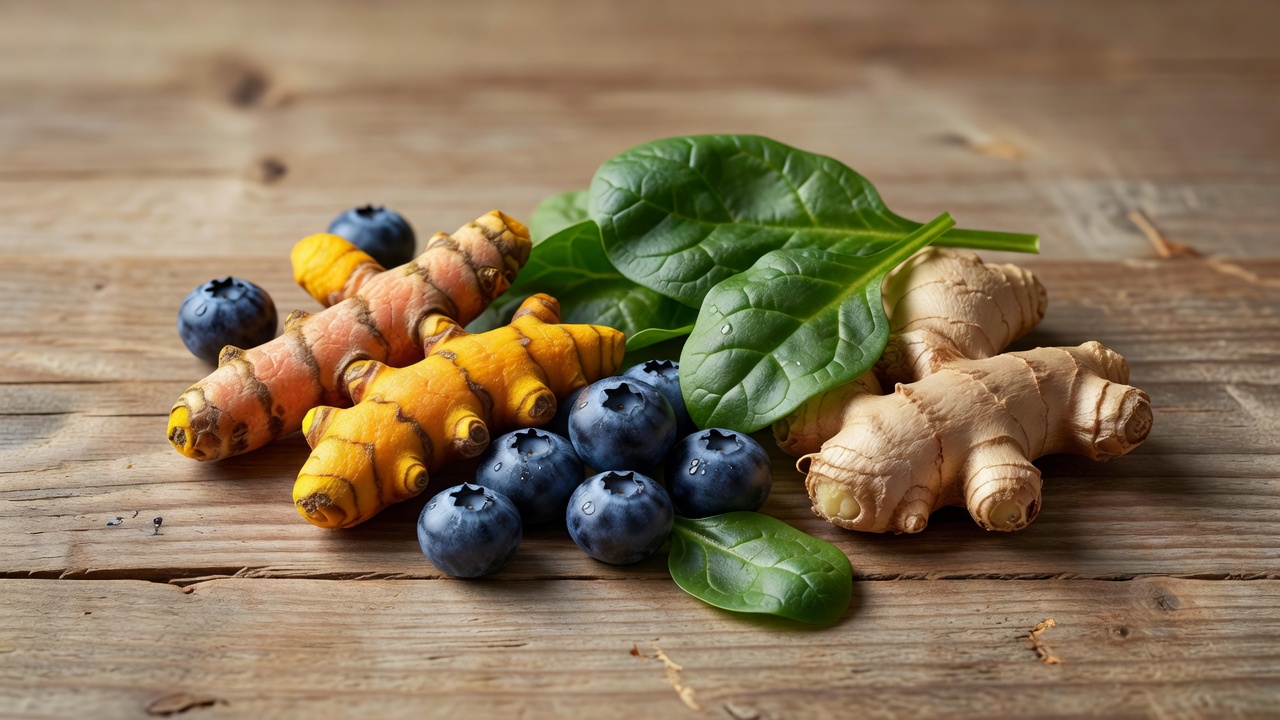
Curcumin, the primary compound in turmeric, inhibits NF-kB signaling, a central regulator of inflammation. Flavonoids found in berries and citrus fruits support antioxidant defenses and endothelial function. These compounds complement each other when consumed regularly through whole foods. Additional bioactives such as gingerols in ginger and lutein in leafy greens further enhance the anti-inflammatory effect by targeting multiple pathways simultaneously.
Mechanisms of Action Explained
Curcumin blocks pro-inflammatory enzymes like COX-2 while flavonoids neutralize free radicals before they damage tissues. When combined in meals, these effects multiply. For instance, a breakfast bowl with turmeric and berries delivers both immediate antioxidant support and longer-term modulation of gut microbiota, which plays a key role in systemic inflammation.
Specific Food Examples for Daily Use
Turmeric and ginger provide concentrated curcuminoids and gingerols that ease joint stiffness. Blueberries, strawberries, and raspberries supply anthocyanins and flavonols shown to lower C-reactive protein levels. Spinach, kale, and Swiss chard deliver lutein and other carotenoids that protect digestive linings. Green tea offers catechins that calm intestinal inflammation, while dark chocolate in moderation adds epicatechins. Incorporating these items daily creates cumulative benefits without drastic dietary overhauls.
Bioactive Foods Versus Supplements: Direct Comparisons
Whole foods deliver fiber, vitamins, and synergistic phytonutrients absent in isolated supplements. For example, consuming turmeric with black pepper and healthy fats enhances curcumin absorption more effectively than many standalone capsules. Studies consistently show that food matrices improve bioavailability over time. Supplements may suit specific deficiencies, yet daily functional eating builds sustainable habits without the risk of over-supplementation. Readers managing joint pain often notice better outcomes when combining both approaches under professional guidance. Food-first methods also avoid potential fillers or inconsistent product quality found in some supplement brands.
Practical 7-Day Meal Integration Plan
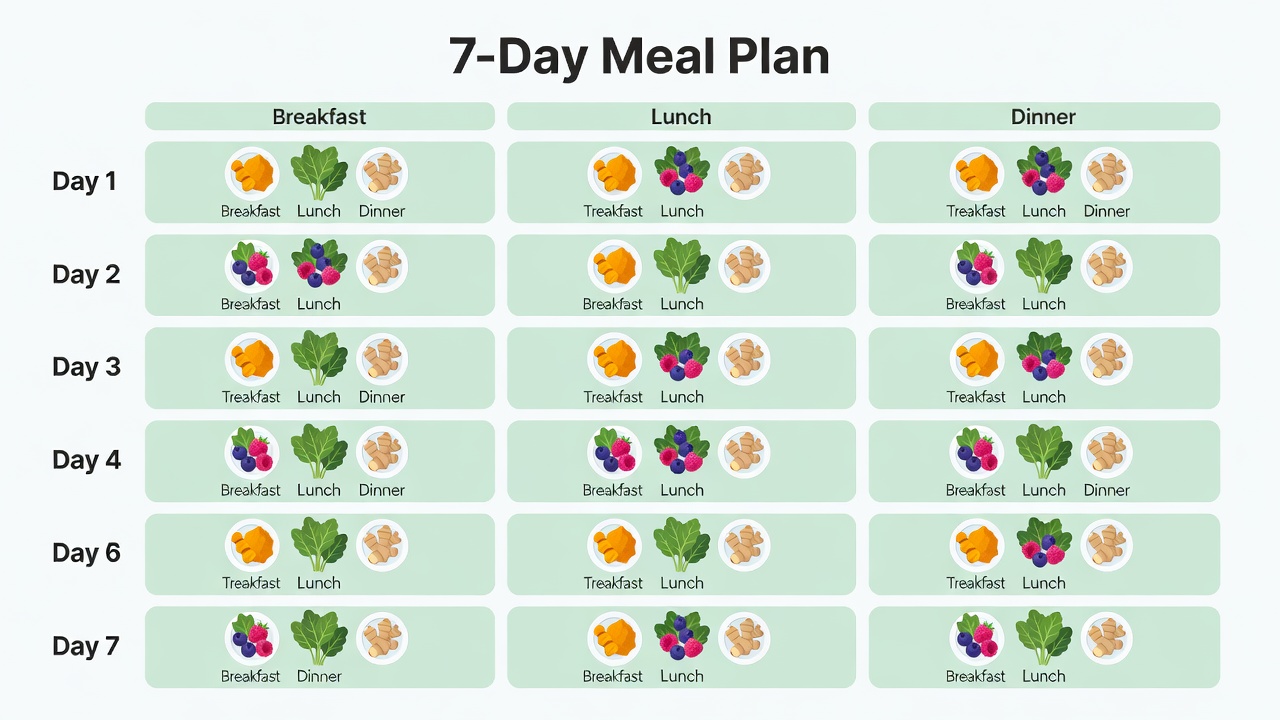
Integrate bioactive foods gradually to avoid digestive upset. Focus on one or two additions per meal and build variety across the week. The plan below provides concrete examples that fit busy schedules while maximizing compound intake.
- Day 1-2: Add turmeric to morning oats with berries and a pinch of black pepper. Lunch features a spinach salad topped with ginger dressing. Dinner includes turmeric-roasted vegetables with olive oil.
- Day 3-4: Include spinach smoothies with ginger and green tea as a mid-morning drink. Prepare quinoa bowls with kale, strawberries, and turmeric-spiced chickpeas for dinner.
- Day 5-7: Start with berry and yogurt parfaits. Midday meals rotate large salads of mixed greens, blueberries, and turmeric vinaigrette. Evening options feature ginger-turmeric soups or stir-fries with leafy greens.
Repeat and rotate ingredients weekly for variety. Track symptoms such as joint stiffness or bloating to refine portions. This structured approach helps readers translate knowledge into consistent action.
Absorption Tips for Maximum Benefit
Pair curcumin sources with piperine from black pepper and dietary fats. Consume flavonoid-rich berries with yogurt or nuts to improve uptake. Steaming or lightly cooking leafy greens preserves nutrients while enhancing carotenoid absorption. Avoid excessive heat that degrades delicate compounds. Additional strategies include consuming these foods with vitamin C sources like citrus to further boost flavonoid bioavailability and spacing meals to allow steady compound release throughout the day.
Managing Joint Pain and Digestive Issues with Targeted Eating
Individuals with joint pain benefit from consistent turmeric and berry intake, which may reduce morning stiffness within two to four weeks. For digestive concerns, ginger and leafy greens support gut barrier integrity and reduce bloating. A sample daily routine might start with a turmeric-ginger tea upon waking, followed by berry-enhanced meals. Monitoring personal responses allows adjustments, such as increasing leafy green portions during flare-ups. This targeted method complements other lifestyle factors like movement and stress management.
Common Mistakes to Avoid
- Overcooking vegetables, which diminishes flavonoid content.
- Consuming turmeric without black pepper or fat, limiting absorption.
- Relying solely on supplements instead of building diverse meal patterns.
- Ignoring portion variety, leading to nutrient gaps or digestive monotony.
Frequently Asked Questions
What dosage of bioactive foods is considered safe?
Most adults tolerate 1–3 grams of turmeric daily and one to two cups of berries without issue. Individual responses vary; consult a healthcare provider for personalized advice, especially with existing conditions or medications.
Can these foods interact with medications?
Curcumin may influence blood clotting and certain drug metabolisms. Flavonoids generally pose low interaction risk but can affect iron absorption when consumed in very high amounts. Professional medical review remains essential before major dietary shifts.
How long until results appear?
Many notice improvements in energy and reduced discomfort within three to six weeks of consistent intake, though full benefits often require two to three months alongside overall healthy habits.
Conclusion
Adopting bioactive-rich functional foods offers a practical, food-first approach to easing chronic inflammation. Consistent inclusion of turmeric, berries, and leafy greens, combined with smart preparation techniques, supports joint comfort and digestive health. The 2026 strategies outlined here prioritize sustainable habits over quick fixes, empowering readers to take control through daily choices. For further reading, explore resources from Mayo Clinic, National Institutes of Health, and World Health Organization.

No comments yet. Be the first!