 Func Eats

Introduction to Sustainable Sourcing in Functional Foods
Environmentally conscious consumers increasingly seek functional foods and superfoods that deliver targeted health benefits without contributing to ecological damage. Sustainable sourcing ensures these bioactive-rich ingredients, such as turmeric, maca, and spirulina, are produced through methods that preserve soil health, biodiversity, and water resources. This approach aligns with ethical health functional eating by prioritizing transparency from farm to table. As demand grows for ingredients that support immunity, cognitive function, and energy levels, understanding the origins of these foods becomes essential for minimizing harm to ecosystems while maximizing personal wellness outcomes.
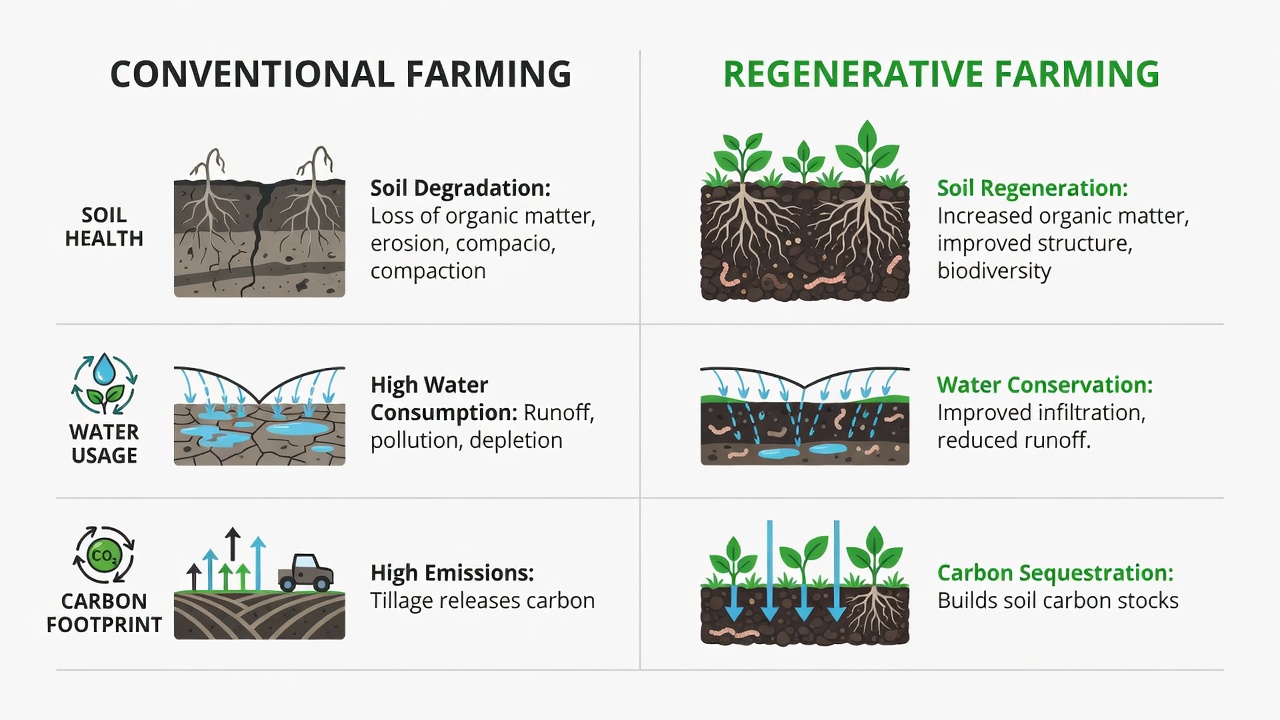
Conventional farming often relies on synthetic inputs that degrade ecosystems, while regenerative practices rebuild them. Understanding these differences helps readers make informed choices that support both personal wellness and planetary health. Over the coming sections, we will examine farming methods, supplier identification, environmental metrics, and actionable integration strategies backed by real examples.
Key Benefits of Choosing Sustainably Sourced Functional Foods
Opting for sustainably sourced options delivers enhanced nutrient profiles because regenerative soils often produce crops with higher concentrations of antioxidants and bioactive compounds. Consumers also contribute to reduced deforestation, improved water quality, and support for farming communities that use ethical labor standards. These choices create a positive feedback loop where demand encourages more producers to adopt responsible techniques, ultimately expanding availability of high-quality superfoods worldwide.
Health advantages extend beyond basic nutrition; for instance, sustainably grown turmeric retains potent curcumin levels that aid inflammation management, while regeneratively farmed maca supports hormonal balance with fewer environmental trade-offs. Broader societal benefits include strengthened local economies and resilience against climate variability, making this sourcing model a cornerstone of responsible consumption in 2026.
Conventional vs Regenerative Farming for Bioactive Foods
Conventional methods for key superfoods frequently involve monocultures and chemical fertilizers, leading to soil erosion and higher greenhouse gas emissions. In contrast, regenerative farming uses cover crops, rotational grazing, and minimal tillage to enhance carbon sequestration and nutrient density in crops like ashwagandha and blueberries. These practices foster microbial diversity in the soil, which translates to more robust plants capable of withstanding pests naturally.
Long-term studies demonstrate that regenerative approaches can restore degraded land within five to ten years while maintaining or increasing yields. FAO sustainable agriculture resources detail how integrated systems reduce reliance on external inputs. Conventional systems, however, often require ongoing irrigation and pesticides that contaminate nearby waterways, diminishing the very biodiversity needed for resilient superfood production.
Identifying Certified Sustainable Suppliers
Look for certifications such as Regenerative Organic Certified, Fair Trade, and USDA Organic when selecting suppliers. Brands like Navitas Organics source their goji berries and cacao from verified regenerative farms in Peru and Ecuador, ensuring traceability and fair labor practices. Another example is Patagonia Provisions, which partners with small-scale farms using soil-building techniques for their functional snack lines. Additional reputable players include Terrasoul Superfoods, known for direct relationships with regenerative growers of hemp seeds and spirulina in the United States.
Always verify supplier audits and third-party reports to confirm claims. This step prevents greenwashing and guarantees the superfoods retain maximum bioactive compounds. Building a shortlist of vetted suppliers allows consistent access to ingredients that meet both quality and ethical benchmarks, streamlining weekly grocery decisions.
Understanding Carbon Footprints of Popular Ingredients
Carbon footprints vary significantly across ingredients. Spirulina produced in closed-loop systems emits far less than conventionally grown almonds used in some functional bars. Factors include transportation distance, water usage, and packaging materials. Ingredients such as moringa and acai also show dramatic differences depending on whether they originate from agroforestry systems or intensive plantations.
Consumers can reduce impact by choosing locally sourced or regeneratively farmed options. EPA resources on sustainable practices provide data on emissions from agriculture that inform better purchasing decisions. Tracking these metrics empowers individuals to prioritize lower-impact superfoods without sacrificing nutritional goals.
Practical Steps for Daily Incorporation
Incorporating sustainably sourced functional foods into routines starts with small, consistent actions. Begin by replacing conventional staples with certified alternatives in smoothies or meals. Track progress using apps that calculate personal carbon savings from food choices. Over time, these habits compound into meaningful reductions in individual environmental footprints while enhancing daily energy and focus through better-sourced nutrition.
Simple 5-Step Sourcing Checklist
- Research certifications and request farm-level documentation from suppliers to ensure alignment with regenerative standards and ethical labor policies.
- Calculate approximate carbon impact using online tools for each ingredient, factoring in origin, processing methods, and shipping routes to identify lower-burden alternatives.
- Prioritize seasonal and local regenerative options when available, visiting farmers markets or joining community-supported agriculture programs that feature superfood producers.
- Build relationships with transparent brands and cooperatives through direct inquiries or loyalty programs that reward sustainable purchasing patterns.
- Monitor soil health reports and biodiversity metrics annually by subscribing to supplier updates or independent verification services that publish ongoing performance data.
Comparison Table of Impacts
| Ingredient | Conventional Impact | Regenerative Impact |
|---|---|---|
| Turmeric | High water use, soil depletion | Improved biodiversity, lower emissions |
| Maca | Monoculture erosion risks | Enhanced soil carbon storage |
| Spirulina | Energy-intensive ponds | Closed-loop systems reduce footprint |
| Ashwagandha | Chemical runoff concerns | Natural pest resistance and soil vitality |
Real-World Examples and Case Studies
One notable case involves a cooperative in Ecuador that transitioned to regenerative cacao farming, resulting in measurable increases in soil organic matter and improved yields of functional-grade beans used in superfood powders. Similarly, a spirulina producer in California implemented solar-powered drying processes that cut energy use dramatically while maintaining high nutrient density. These examples illustrate scalable models that other operations can adapt.
Common Mistakes to Avoid
Many buyers overlook hidden supply chain emissions by focusing only on the final product label. Another frequent error is assuming all organic certifications equate to regenerative outcomes; always cross-reference with soil health metrics. Finally, inconsistent purchasing patterns undermine supplier stability, so committing to regular orders from verified sources yields better long-term results.
Conclusion
Sustainable sourcing transforms how we access the benefits of functional foods and superfoods. By adopting regenerative methods and verified suppliers, individuals contribute to healthier ecosystems while enjoying superior nutrition. Start with the checklist today to align daily habits with long-term environmental goals and experience the compounded advantages of ethical health functional eating.
FAQ
Are sustainably sourced superfoods more expensive in 2026?
Costs vary by region and certification level, but availability has improved, often making options comparable to conventional alternatives through wider distribution networks and increased competition among ethical producers.
Where can I find these ingredients locally in 2026?
Many health stores and online platforms now stock certified regenerative products, with expanded farmer networks improving access in urban and rural areas alike through seasonal availability and subscription models.
How does sustainable sourcing affect nutrient quality?
Regenerative practices frequently enhance nutrient density by fostering healthier soils that allow plants to absorb more minerals and produce higher levels of beneficial compounds, directly supporting the superfoods benefits sought by health-conscious consumers.
What role does USDA certification play in verifying sustainability?
USDA Organic standards provide a baseline for avoiding prohibited substances, but pairing them with regenerative certifications offers fuller assurance of ecological restoration and reduced carbon footprints across the supply chain.

No comments yet. Be the first!