 Func Eats
Introduction: Making Functional Foods Accessible
Functional foods provide health benefits beyond basic nutrition through bioactive compounds. Many people assume these come only at premium prices, but strategic swaps allow anyone to enjoy similar advantages affordably. This guide focuses on sustainable, cost-effective ways to integrate bioactive ingredients into daily meals throughout 2026. By understanding how to identify high-value ingredients and apply simple exchanges, readers can build lasting habits that support immunity, digestion, energy levels, and long-term wellness without straining household budgets.
Understanding High-Value Bioactive Ingredients
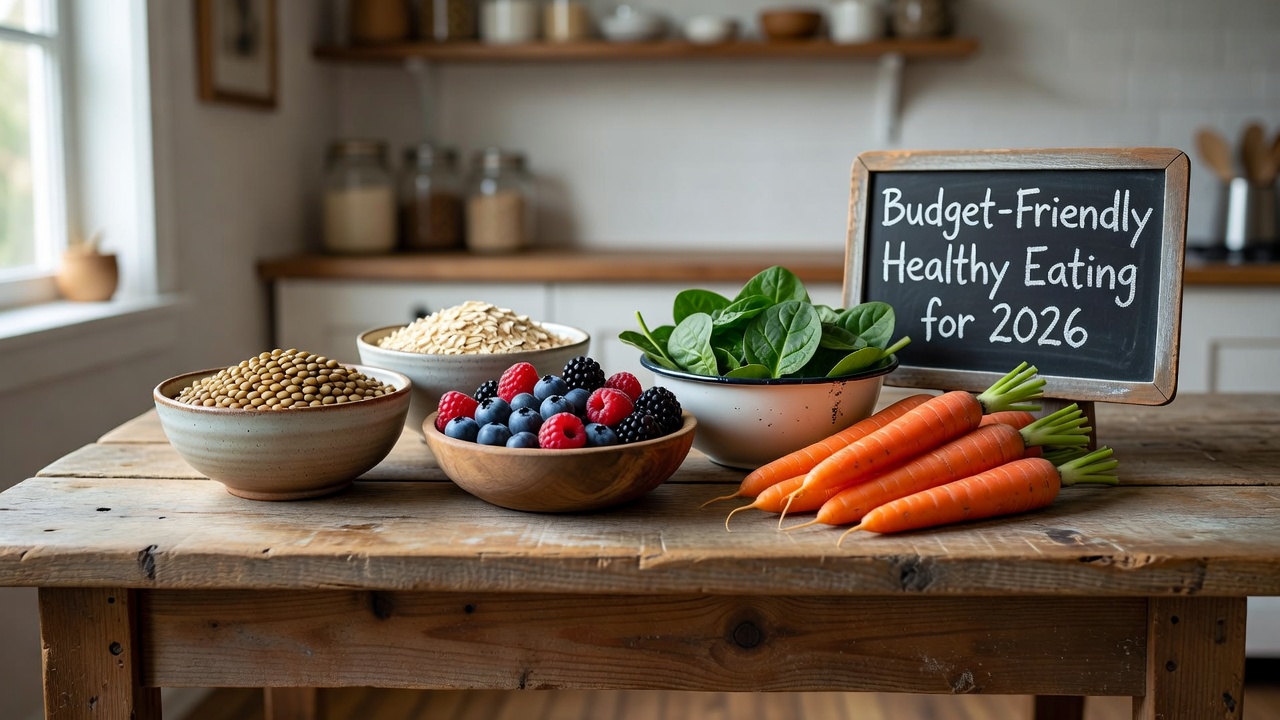
Bioactive compounds like antioxidants, fiber, polyphenols, and omega-3 fatty acids support immunity, digestion, and overall wellness. Affordable staples such as lentils, oats, and seasonal vegetables often match or exceed the value of pricier options like goji berries or acai. Prioritizing whole foods grown locally maximizes both nutrition and savings while reducing environmental impact. Lentils contain high levels of resistant starch and plant protein that promote gut health, while oats supply beta-glucan known for cholesterol management. Seasonal root vegetables deliver carotenoids and fiber that rival more exotic imports in supporting cellular health and reducing oxidative stress.
Smart Swaps: Replacing Expensive Superfoods
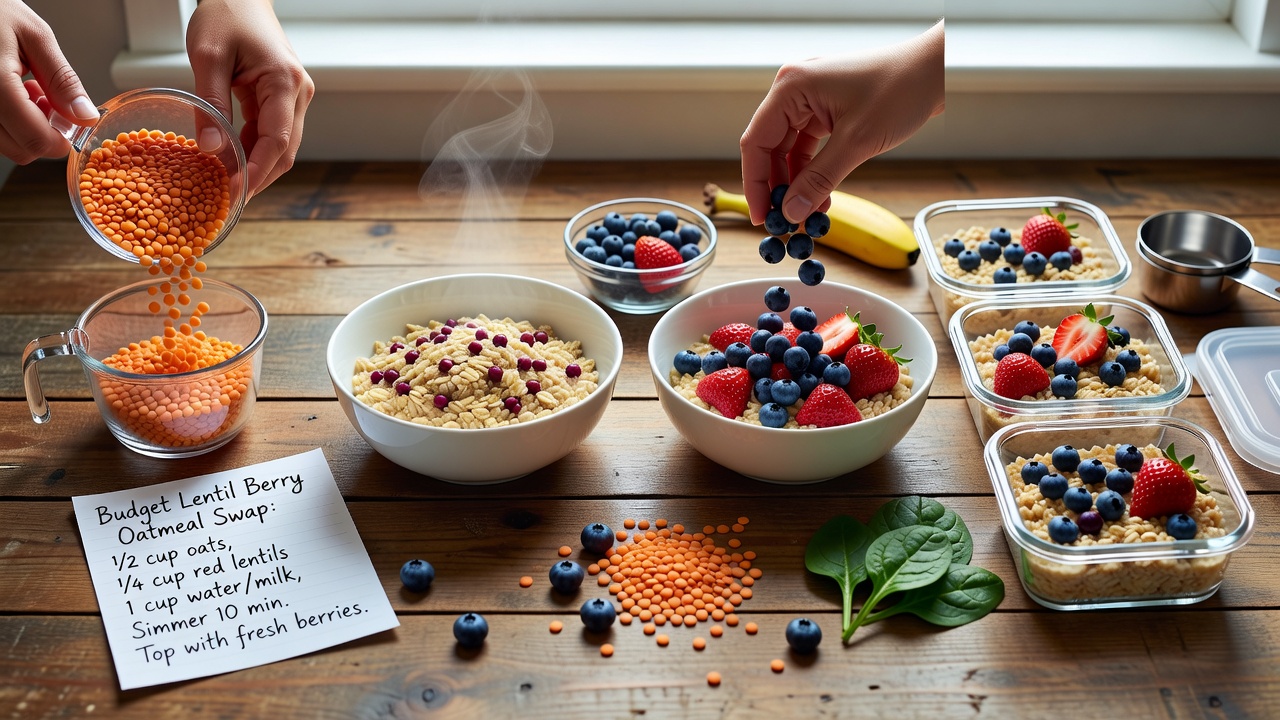
Practical exchanges make functional eating realistic on any budget. For example, swap goji berries for red lentils in smoothies or salads; lentils deliver comparable protein and fiber at a fraction of the cost while adding hearty texture. Blueberries can replace exotic acai bowls—both offer anthocyanins for brain health and inflammation support. Use spinach instead of kale in some recipes, as both provide lutein and vitamins with similar benefits for eye health and detoxification. Other effective swaps include replacing chia seeds with ground flaxseeds for omega-3 content, or substituting expensive spirulina powders with fresh parsley for chlorophyll and vitamin K. These changes maintain nutrient density while cutting costs dramatically over time.
Cost-Benefit Comparisons
Evaluating value involves more than sticker price. Lentils provide sustained energy and gut support, making them ideal daily staples that outperform single-use packaged superfood mixes. Oats offer beta-glucan for heart health, outperforming many processed bars in fiber content and versatility. Chickpeas deliver plant-based protein and saponins that aid digestion, offering better long-term value than imported powders. These choices emphasize consistency and whole-food nutrition over short-term trends, leading to measurable improvements in energy and satiety when incorporated regularly.
Real-World Shopping Lists for 2026
Building an effective shopping list starts with focusing on versatile staples available at most grocery stores and farmers markets. Consider these core categories and expand based on seasonal availability:
- Legumes: lentils (red, green, brown), chickpeas, black beans, and split peas for protein and fiber
- Grains: rolled oats, brown rice, barley, and quinoa for sustained energy and beta-glucan
- Produce: seasonal berries, leafy greens like spinach and cabbage, carrots, beets, and apples for antioxidants and vitamins
- Pantry: olive oil, sunflower seeds, pumpkin seeds, ground flax, turmeric, ginger, and cinnamon for flavor and anti-inflammatory compounds
- Proteins: eggs, canned sardines or tuna, Greek yogurt, and cottage cheese for complete amino acids
Shop mid-week for produce to avoid weekend crowds and check store apps for sales on bulk legumes and grains. Buying in larger quantities of dry goods reduces packaging waste and overall expense while ensuring you always have functional ingredients on hand.
Simple Recipes for Daily Integration
Lentil Berry Breakfast Bowl: Cook one cup of red lentils until tender, mix with half a cup of rolled oats and a handful of fresh berries, then top with sunflower seeds and a dash of cinnamon. This delivers protein, fiber, and antioxidants in under 20 minutes and keeps you full until lunch.
Turmeric Carrot Soup: Simmer two cups of chopped carrots with fresh ginger and a teaspoon of turmeric in vegetable broth, blend until smooth, and finish with a squeeze of lemon. Serve alongside whole-grain toast for anti-inflammatory benefits that support joint comfort and immunity.
Spinach Chickpea Salad: Combine one can of chickpeas with two cups of spinach, drizzle with olive oil and lemon, then add roasted beets for extra betalains that aid natural detoxification processes.
Flaxseed Overnight Oats: Stir two tablespoons of ground flax into half a cup of oats and Greek yogurt, refrigerate overnight, and top with sliced apple in the morning for omega-3s and digestive support.
Beet and Lentil Stir-Fry: Sauté cooked lentils with shredded beets, garlic, and spinach, seasoning with ginger and turmeric. This quick dinner provides sustained energy and blood-pressure-supporting nitrates.
Meal Integration Tips for Long-Term Success
Start by adding one functional swap per meal and gradually build from there. Batch-cook legumes on weekends to have ready-to-use portions throughout the week. Rotate seasonal produce to maintain variety, prevent flavor fatigue, and minimize food waste. Pair foods strategically by combining vitamin C sources like citrus or bell peppers with iron-rich lentils for better absorption. Track how your body responds over two weeks by noting energy levels, digestion, and sleep quality. For families, involve children in simple prep tasks like rinsing beans or measuring oats to encourage acceptance of new flavors.
Common Misconceptions and FAQ
Does higher price always mean better quality? No. Many budget foods undergo minimal processing and retain more nutrients than expensive packaged alternatives that may contain added sugars or fillers.
Are organic options necessary for functional benefits? Conventional produce still provides significant bioactive compounds when washed properly. Focus on variety and freshness over certification when budgets are tight.
How quickly will I notice benefits? Consistent intake over several weeks supports gradual improvements in energy, digestion, and mood rather than instant dramatic results.
Can these swaps work for families with picky eaters? Yes. Simple recipes scale easily and appeal to all ages when flavors are balanced with familiar herbs, spices, and textures.
Is it possible to get enough variety without exotic imports? Absolutely. Rotating local and seasonal items provides a broad spectrum of bioactives that support overall health just as effectively as imported superfoods.
Do I need supplements alongside these foods? Whole-food swaps usually supply sufficient nutrients for most people. Consult a healthcare provider before adding supplements, especially if you have specific dietary restrictions.
Conclusion
Affordable functional foods empower sustainable health habits without compromise. By focusing on swaps like lentils for goji berries and prioritizing whole ingredients, daily meals become both nourishing and budget-friendly. Embrace these strategies for lasting wellness in 2026 and beyond. For more on nutrition science, explore resources from the National Institutes of Health and the World Health Organization.

No comments yet. Be the first!