 Func Eats
Why Breakfast-for-Dinner Works for High-Protein Goals
The breakfast-for-dinner trend delivers quick, satisfying meals that support muscle maintenance and satiety without complex cooking. Eggs and alternative proteins like Greek yogurt or cottage cheese provide complete amino acid profiles in minutes. This approach aligns with recommendations from Mayo Clinic on balanced protein intake for energy and recovery. By focusing on 15-minute assemblies, you avoid the longer prep times of traditional dinners like roasted meats or slow-cooked stews, making it ideal for busy weeknights when time is limited.
Pairing methods such as combining eggs with fiber-rich vegetables ensure sustained energy release, preventing mid-evening crashes. Research from health authorities shows that spreading protein across meals helps maintain steady blood sugar levels and supports overall metabolic health.
Essential Protein Swaps and Flavor Variations
Eggs form the base for most recipes, but swaps like smoked salmon, turkey bacon, or plant-based options such as tofu keep meals fresh and prevent repetition. Use common spices including smoked paprika, cumin, chili flakes, and fresh herbs like basil or cilantro for variety without extra time. These additions enhance taste while supporting anti-inflammatory benefits. For dietary preferences, replace eggs with extra-firm tofu scrambled with nutritional yeast for a vegan twist or use cottage cheese as a creamy base in place of scrambled eggs.
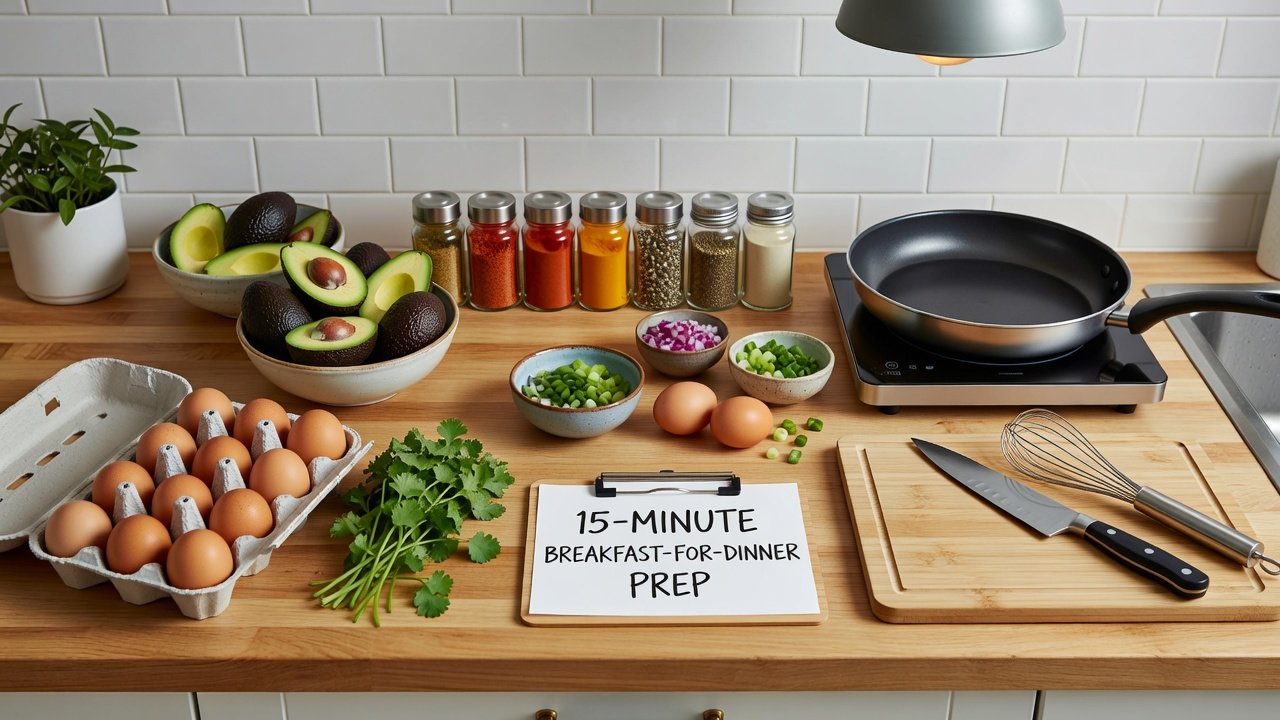
Time-saving hacks include pre-chopping vegetables on weekends, keeping hard-boiled eggs ready in the fridge, and using one-pan methods to minimize cleanup. A simple list of flavor boosters includes everything bagel seasoning, hot sauce, fresh dill, garlic powder, and lemon zest to transform basic ingredients into restaurant-quality dishes.
6-8 Quick Recipes with Macros and Step-by-Step Instructions
1. Veggie Egg Scramble
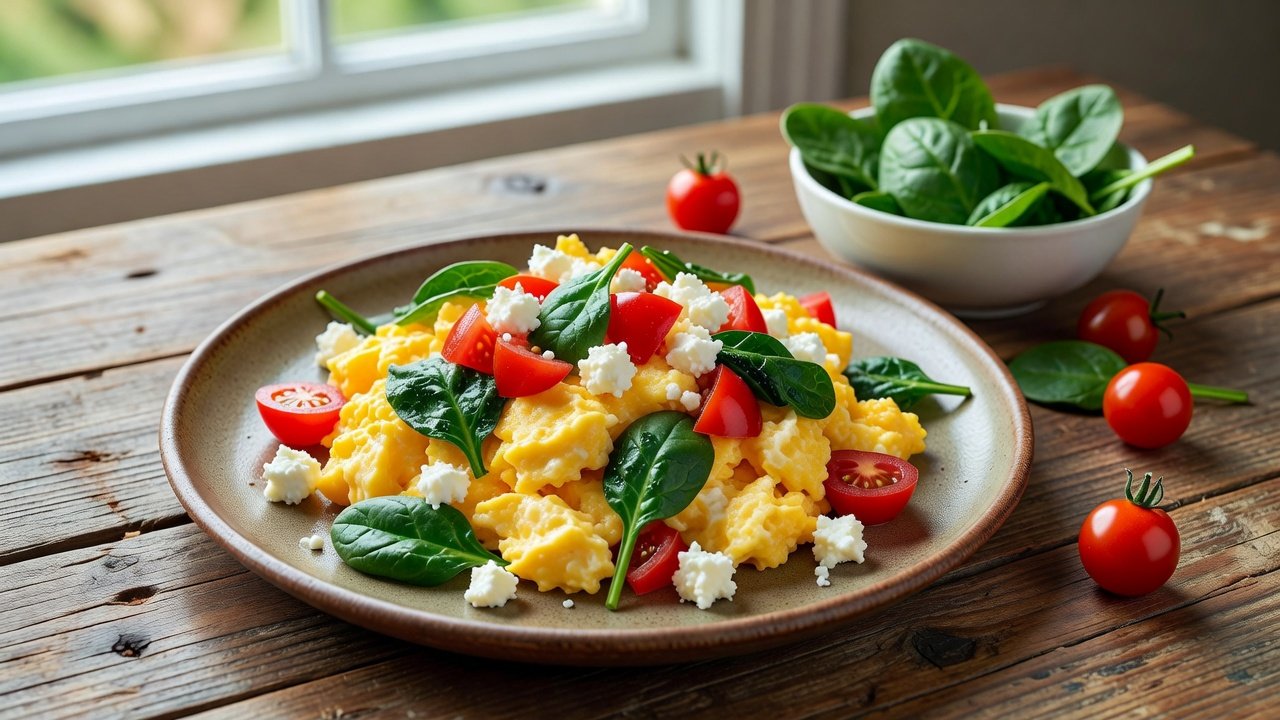
Ingredients: 3 large eggs, 1 cup spinach, 1/2 cup diced tomatoes, 2 tablespoons feta cheese, salt and pepper. Steps: Heat a nonstick skillet over medium heat, sauté spinach and tomatoes for 3 minutes until softened, whisk eggs with seasoning and pour over vegetables, stir gently for 5 minutes until set, then top with feta. Macros per serving: 320 calories, 24g protein, 8g carbs, 20g fat. This recipe provides a balanced start to evening energy needs.
2. Smoked Salmon Omelet
Ingredients: 2 large eggs, 3oz smoked salmon, 1 tablespoon cream cheese, fresh dill. Steps: Whisk eggs with a pinch of salt, pour into a heated pan, add salmon and cream cheese when edges set, fold and cook 2 more minutes. Macros: 380 calories, 32g protein, 4g carbs, 26g fat. Ideal for omega-3 benefits alongside high protein.
3. Greek Yogurt Breakfast Bowl
Ingredients: 1 cup plain Greek yogurt, 1/2 cup mixed berries, 1 tablespoon almonds, 1 teaspoon chia seeds. Steps: Layer yogurt in a bowl, top with berries, nuts, and seeds for no-cook assembly in under 5 minutes. Macros: 290 calories, 22g protein, 25g carbs, 12g fat. Perfect when you want minimal heat in the kitchen.
4. Cottage Cheese Toast Trio
Ingredients: 2 slices whole grain toast, 1/2 cup cottage cheese, 1/2 avocado, sliced tomato. Steps: Toast bread, spread cottage cheese, layer avocado and tomato, season with pepper. Macros: 340 calories, 21g protein, 30g carbs, 16g fat. Offers a satisfying crunch and creaminess combination.
5. Turkey Bacon Egg Muffins
Ingredients: 4 large eggs, 4 slices turkey bacon, 1/2 cup diced peppers. Steps: Preheat oven or skillet, line muffin cups with bacon, pour beaten eggs mixed with peppers, cook 10 minutes. Macros: 310 calories, 28g protein, 6g carbs, 18g fat. Make a batch for multiple servings.
6. Tofu Scramble Alternative
Ingredients: 150g extra-firm tofu, 1/2 teaspoon turmeric, 1 cup spinach, 2 tablespoons nutritional yeast. Steps: Crumble tofu into pan, add spices and spinach, cook 8 minutes while stirring. Macros: 260 calories, 20g protein, 10g carbs, 15g fat. Great plant-based option with egg-like color from turmeric.
7. Protein-Packed Frittata Slice
Ingredients: 3 large eggs, 2oz diced ham, 1 cup zucchini slices. Steps: Sauté zucchini 3 minutes, add ham and eggs, cook covered 7 minutes until firm, slice and serve. Macros: 350 calories, 30g protein, 8g carbs, 22g fat. Versatile for using leftover vegetables.
8. Avocado Egg Boats
Ingredients: 1 ripe avocado halved, 2 large eggs, everything bagel seasoning. Steps: Remove pit, crack egg into each half, bake or air-fry 12 minutes at 375°F, season and serve. Macros: 400 calories, 18g protein, 12g carbs, 32g fat. Combines healthy fats with protein for satiety.
Cooking Time Comparison Chart
Traditional dinners often require 35-45 minutes of active cooking plus prep, while these breakfast-for-dinner options consistently finish in 10-15 minutes. This efficiency frees up evening time for family or rest. The chart below illustrates the difference clearly:
| Meal Type | Avg. Cook Time | Prep Effort |
|---|---|---|
| Traditional Dinner (steak & veggies) | 35-45 min | High |
| Breakfast-for-Dinner Recipes | 10-15 min | Low |
These timings highlight efficiency for busy weeknights and reduce decision fatigue around meal planning.
Pairing for Sustained Energy, Storage, and Portion Tips
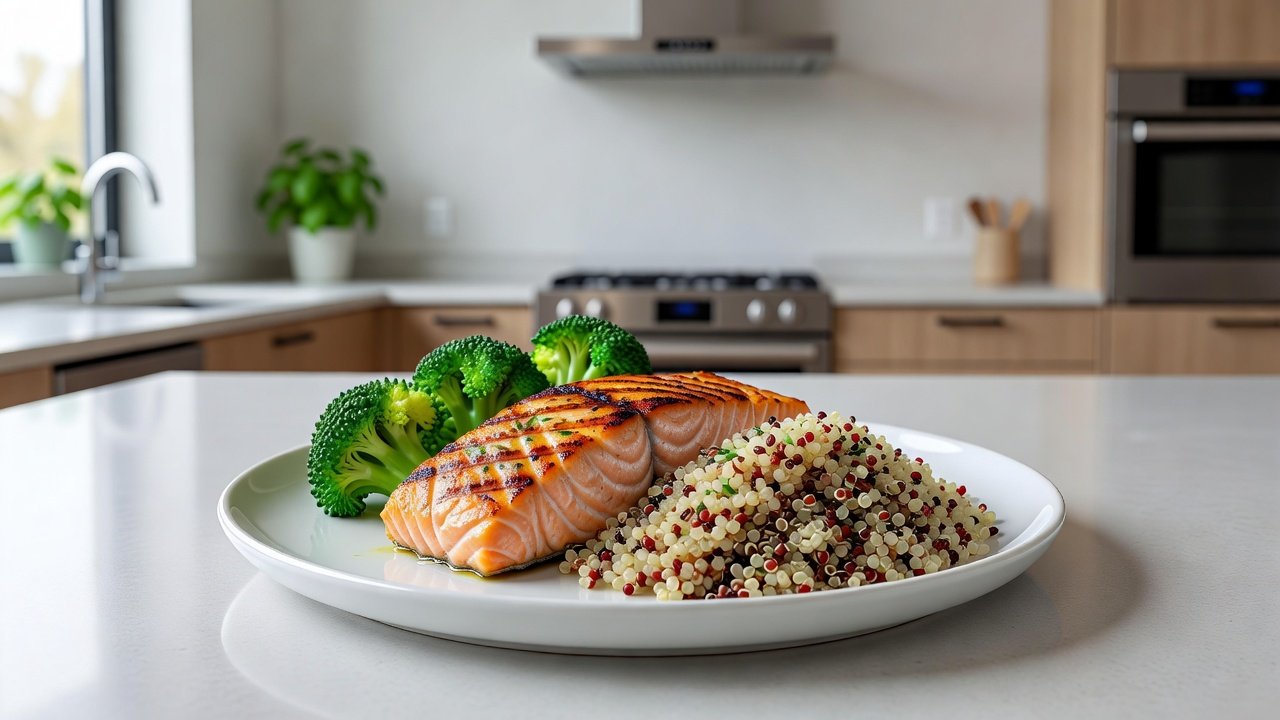
Combine proteins with complex carbs like sweet potatoes or oats and healthy fats for balanced plates that keep you full longer. Store leftovers in airtight containers up to 3 days in the fridge; reheat gently to preserve texture. For portion sizing, target 20-30g protein per serving depending on activity level and body goals. Batch-prep egg bases on Sunday for faster weeknight assembly.
Common Mistakes to Avoid
- Overcooking eggs, which makes them rubbery—remove from heat while slightly soft.
- Skipping vegetables, leading to lower fiber and quicker hunger return.
- Using high-heat settings that burn spices and reduce flavor quality.
- Ignoring storage guidelines, causing food waste on busy nights.
FAQ
How do I size portions for different needs? Start with 20-30g protein and adjust based on daily activity and hunger cues.
Can I prep ahead for multiple nights? Yes, cook egg or tofu bases in batches and store separately from fresh toppings.
What if I follow a vegetarian diet? Swap eggs for tofu or add extra Greek yogurt and cheese for complete proteins.
How long do leftovers last safely? Refrigerate promptly and consume within three days for best quality and safety.
Are these suitable for weight management? Yes, the high protein content promotes fullness while keeping calories controlled through quick, measured portions.
Conclusion
These high-protein breakfast-for-dinner recipes make hitting daily goals simple and enjoyable. With detailed macros, step-by-step guidance, and practical hacks, you can rotate through variations without boredom while saving significant time compared to conventional dinners. Experiment with the flavor ideas and pairings to create meals tailored to your preferences and schedule.
No comments yet. Be the first!