 Func Eats
Introduction to Quick High Protein Salads
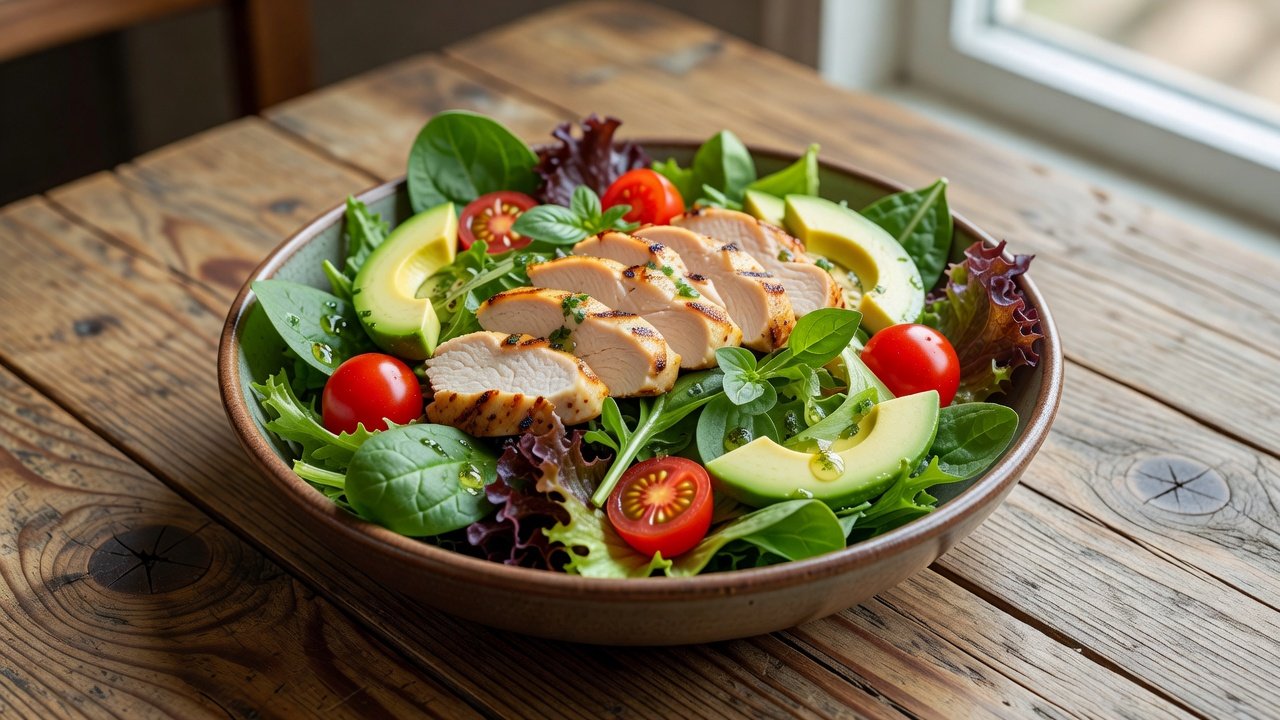
High protein meals don't have to involve hours in the kitchen or heavy skillets. Salads offer a light yet filling option perfect for dinners when you want something satisfying without the heaviness of traditional cooked meals. This guide focuses on assembly-style builds that deliver over 30 grams of protein per serving while staying under 15 minutes from start to finish. These approaches help busy individuals meet daily protein needs for muscle maintenance, satiety, and overall energy without relying on complex cooking techniques.
By focusing on layered ingredients rather than one-pan methods, you gain flexibility to customize based on what is in your fridge. Research from sources like Mayo Clinic highlights how protein-rich meals support weight management and sustained fullness. The builds below use common pantry and produce items to create restaurant-quality results at home.
Core Assembly Principles for High Protein Salads
Every great high protein salad starts with a solid base. Choose sturdy greens like romaine, spinach, or kale to hold up to dressings and toppings without wilting immediately. Aim for 2-3 cups of greens per serving to create volume and fiber that complements the protein. Rotate between types to avoid boredom and introduce varied nutrients such as vitamin K from kale or folate from spinach.
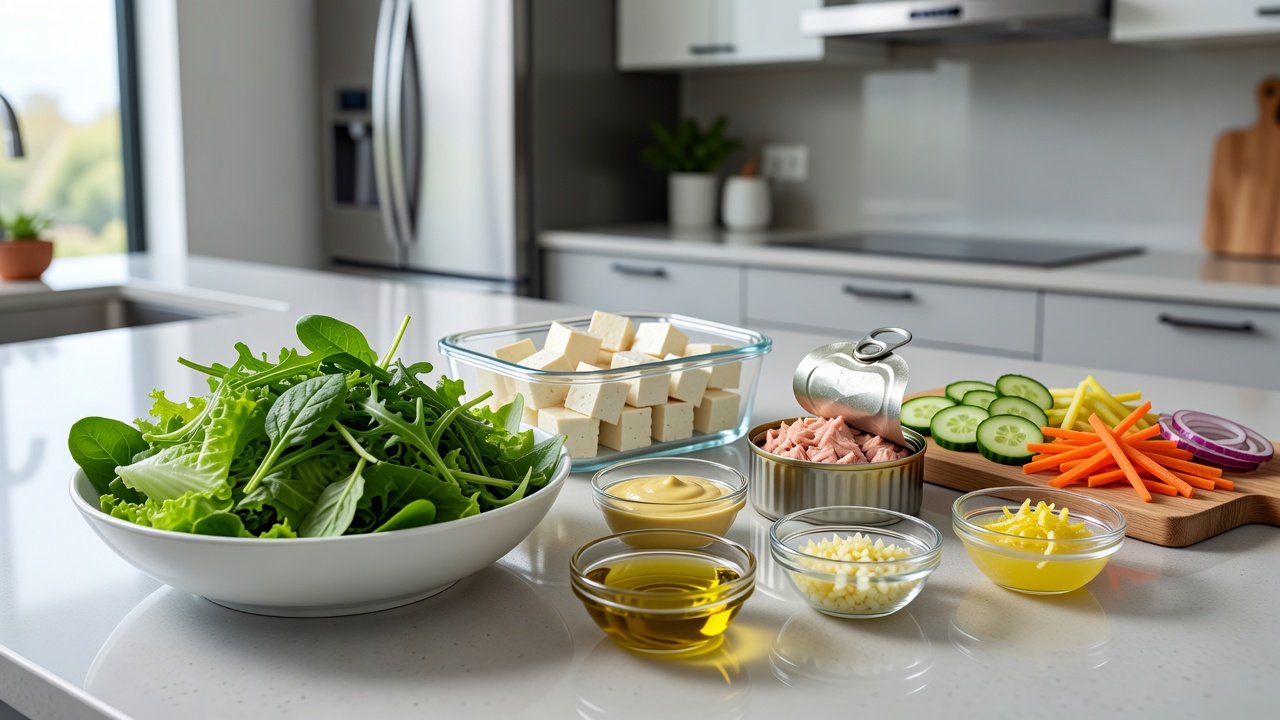
Next, layer in your protein source. Options include pre-grilled chicken strips, canned tuna or salmon (drained), firm tofu cubes, hard-boiled eggs, or even canned chickpeas for plant-based variety. Each provides a substantial protein boost. For example, 4 ounces of grilled chicken delivers around 30 grams of protein on its own, while a 5-ounce can of tuna offers similar amounts. Add texture with extras like seeds or nuts in moderation.
Finish with flavor-balancing dressings. Combine olive oil, lemon juice, herbs, and a touch of mustard or yogurt for creaminess. This keeps calories in check while enhancing taste and helps the body absorb fat-soluble vitamins from the greens. Always prepare dressing separately to control portions and prevent sogginess.
Timing Strategies to Stay Under 15 Minutes
Prep ahead where possible. Wash and chop greens the night before, storing them in airtight containers lined with paper towels to absorb moisture. Use pre-cooked proteins like rotisserie chicken or canned fish straight from the pantry. For tofu, press it briefly with paper towels and cube it—no cooking required for cold salads.
Batch-cook proteins on weekends if desired, but these builds focus on zero-cook or minimal-prep methods. Assemble in stages: greens first, then protein, followed by add-ins like cucumber, tomatoes, or avocado. Dress just before eating to maintain crunch. Keep a small toolkit of pre-measured spice mixes and bottled lemon juice on hand to shave off extra minutes during weeknights.
Portion Calculations for 30g+ Protein Targets
Calculate portions simply. A standard serving of canned tuna (5 ounces) provides about 25-30 grams of protein. Pair it with 3 ounces of Greek yogurt in the dressing for an extra 10 grams. Grilled chicken breast at 4 ounces hits 30 grams precisely. For tofu, use 6 ounces of firm variety to reach similar levels when combined with beans or seeds.
Track totals by checking labels on packaged items. Add nuts or seeds sparingly—1 ounce of almonds adds 6 grams but keeps the meal balanced. These calculations ensure each dinner meets or exceeds 30 grams without guesswork. Adjust upward for larger appetites by adding an extra egg or half-cup of legumes.
Five Flavor Profile Comparisons
Here are five distinct profiles with step-by-step builds. Each uses everyday ingredients for variety and works across dietary preferences.
Mediterranean Profile
Base: Romaine and spinach mix. Protein: Canned chickpeas and feta. Add-ins: Olives, cucumber, cherry tomatoes. Dressing: Olive oil, lemon, oregano. Steps: Layer greens, add drained chickpeas and crumbled feta, top with veggies, drizzle dressing. Total protein: 32 grams. This profile shines for its bright, briny flavors that feel indulgent yet light.
Asian-Inspired Profile
Base: Shredded cabbage and spinach. Protein: Firm tofu cubes. Add-ins: Shredded carrots, edamame, green onions. Dressing: Soy sauce, rice vinegar, sesame oil, ginger. Steps: Toss greens with carrots, top with tofu and edamame, mix dressing separately and pour over. Total protein: 31 grams. The umami elements make it a satisfying alternative to takeout.
Mexican-Inspired Profile
Base: Mixed greens. Protein: Canned black beans and grilled chicken. Add-ins: Corn, bell peppers, avocado. Dressing: Lime juice, cumin, garlic powder, olive oil. Steps: Build greens, layer beans and chicken, add veggies, whisk and apply dressing. Total protein: 35 grams. Corn adds natural sweetness while avocado contributes healthy fats.
Italian Profile
Base: Arugula and romaine. Protein: Canned tuna and hard-boiled egg. Add-ins: Cherry tomatoes, artichoke hearts. Dressing: Balsamic vinegar, olive oil, basil. Steps: Arrange greens, flake tuna and slice egg on top, scatter add-ins, finish with dressing. Total protein: 33 grams. The peppery arugula balances the richness of tuna and egg.
Greek Profile
Base: Kale and spinach. Protein: Grilled chicken and olives. Add-ins: Cucumber, red onion, tomatoes. Dressing: Greek yogurt, lemon, dill, garlic. Steps: Massage kale lightly, add chicken and olives, incorporate veggies, blend yogurt dressing and toss. Total protein: 34 grams. Yogurt creates a tangy, probiotic-rich finish.
Shopping Shortcuts for Quick Builds
Stock pantry staples like canned proteins, jars of olives or artichokes, and spice blends. Buy pre-washed salad mixes and rotisserie chicken from the deli section. Frozen edamame or pre-cut veggies reduce prep time further. Focus on versatile items that work across multiple profiles to minimize waste and maximize flexibility throughout the week.
Common Mistakes to Avoid
One frequent error is overdressing, which can add unnecessary calories and make greens soggy. Start with one tablespoon and add more only if needed. Another is using delicate greens like butter lettuce as the sole base; they collapse quickly under heavy toppings. Always include at least one sturdy green. Skipping acid in the dressing leads to flat flavors—lemon or vinegar brightens everything. Finally, neglecting portion awareness with add-ins like cheese or nuts can push protein goals but also calories; measure these carefully for consistent results.
Short FAQ on Common Concerns
- How to prevent wilting? Use hearty greens and add dressing at the table. Store components separately for meal prep.
- Meal-prep storage tips? Keep dressed salads in the fridge for up to one day; undressed versions last three days in sealed containers.
- Can these be made vegan? Swap animal proteins for tofu, beans, or lentils and use plant-based yogurt alternatives in dressings.
- Are they suitable for weight management? Yes, the high protein and fiber content promotes satiety while keeping portions controlled.
- What if I dislike certain greens? Substitute with cabbage slaw mixes or arugula for different textures and milder tastes.
- How do I scale for family dinners? Multiply ingredients proportionally and prepare a large shared bowl with proteins on the side for customization.
Conclusion
These high protein salad builds transform simple ingredients into filling dinners quickly. By mastering the core principles and experimenting with flavor profiles, you can enjoy variety every night while hitting your protein goals efficiently. Start with one profile tonight and build from there for ongoing satisfaction. Additional guidance from World Health Organization reinforces the value of balanced, protein-forward eating patterns for long-term health.
No comments yet. Be the first!