 Func Eats
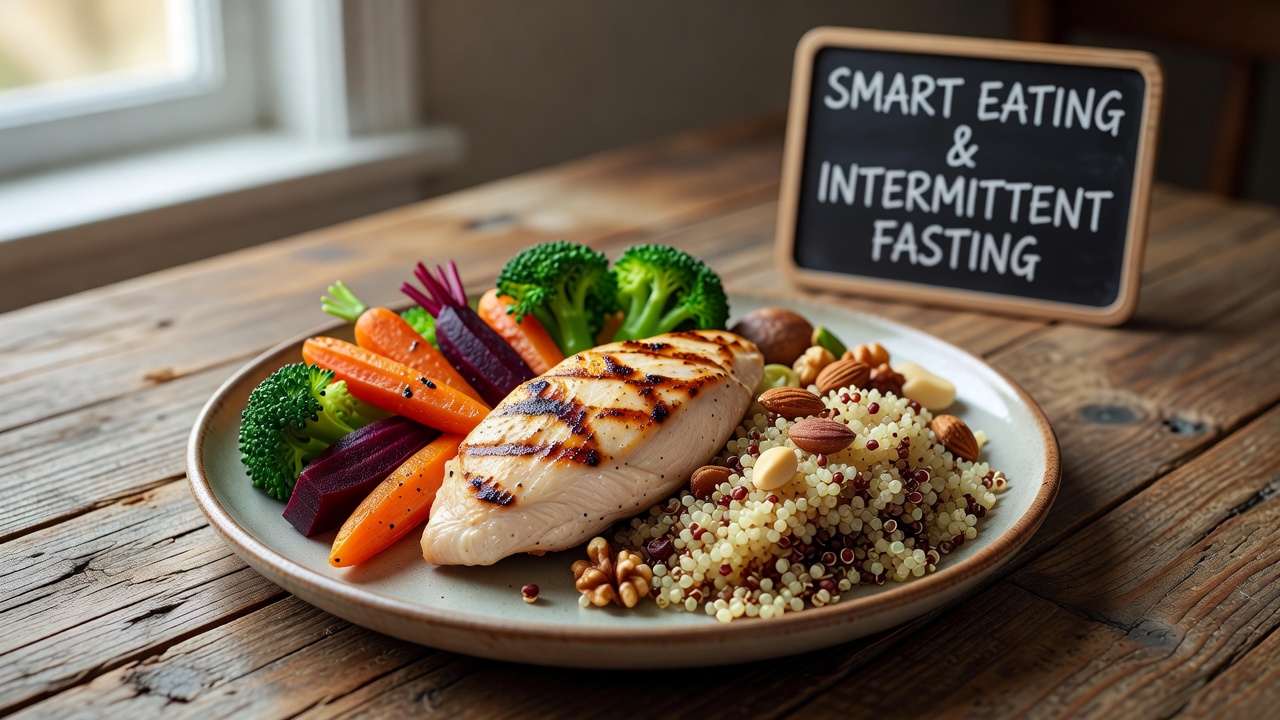
Introduction to Smart Eating and Intermittent Fasting
Combining smart eating principles with intermittent fasting creates a powerful approach to metabolic health and sustainable nutrition habits. In 2026, many people seek practical ways to integrate mindful eating during eating windows to prevent overeating and support long-term wellness. This guide provides step-by-step plans, sample meals, protocol comparisons, and evidence-based tips focused on whole foods and mindful awareness. Smart eating emphasizes nutrient-dense choices, portion awareness, and listening to your body, while intermittent fasting cycles eating and fasting periods to optimize fat metabolism and insulin sensitivity. Together they help avoid common pitfalls like binge eating during windows by promoting intentional food selection. Research from authoritative sources like the World Health Organization highlights the benefits of balanced nutrition patterns for overall health, and studies continue to support these combined strategies for improved energy and weight management.
Understanding the Foundations of Smart Eating
Smart eating prioritizes whole foods such as vegetables, lean proteins, healthy fats, and complex carbohydrates over processed options. It involves mindful awareness to recognize true hunger and fullness cues, reducing emotional or habitual eating. This approach supports stable blood sugar levels and sustained energy, which becomes especially important when fasting windows limit meal frequency. Key benefits include better digestion, reduced inflammation, and improved nutrient absorption. Practitioners often report fewer cravings after adapting because meals focus on volume from fiber-rich plants paired with satisfying proteins and fats.
Key Principles of Smart Eating
- Focus on fiber-rich vegetables and fruits for satiety and gut health.
- Choose high-quality proteins like fish, eggs, legumes, and poultry to maintain muscle mass during fasting periods.
- Incorporate healthy fats from avocados, olive oil, nuts, and seeds for hormone balance.
- Practice portion control through visual cues and slow eating rather than strict calorie counting.
- Stay hydrated with water and herbal teas to distinguish thirst from hunger signals.
Exploring Intermittent Fasting Protocols
Intermittent fasting involves cycling between eating and fasting periods without specifying particular foods. Common protocols include the 16/8 method (16 hours fasting, 8-hour eating window), 18/6 for deeper ketosis, and the 5:2 approach with five normal days and two restricted-calorie days. Each offers flexibility based on lifestyle needs and goals. Comparisons show that 16/8 suits beginners due to its manageable fasting duration and alignment with sleep, while 18/6 may accelerate metabolic benefits for those already adapted. The 5:2 protocol works well for social schedules. The Centers for Disease Control and Prevention provides general guidance on dietary patterns that align with fasting for health maintenance, and the Mayo Clinic notes potential improvements in metabolic markers when protocols are followed consistently.
Step-by-Step Implementation Plan
Beginners can start with these practical steps for seamless integration of smart eating and intermittent fasting:
- Choose a protocol matching your schedule, such as 16/8 starting at 8 PM and ending at noon the next day.
- Plan meals around whole foods to maximize nutrition density within the window.
- Track hunger signals and adjust the fasting window gradually over two weeks.
- Hydrate during fasting with water, herbal tea, or black coffee to curb appetite.
- Monitor energy levels daily and adjust meal timing based on personal feedback.
- Prepare meals in advance to avoid impulsive choices when the window opens.
Sample Daily Meal Examples
Here are aligned meal ideas for a 16/8 window from noon to 8 PM, emphasizing smart nutrition and mindful portions:
Break-fast meal (12 PM): Grilled salmon with quinoa, steamed broccoli, and olive oil drizzle. This provides lean protein and omega-3s for sustained energy without heaviness.
Mid-window snack (3 PM): Greek yogurt with berries, chia seeds, and a handful of almonds for probiotics, fiber, and healthy fats.
Dinner (7 PM): Lentil soup with mixed greens salad, avocado slices, and a side of roasted sweet potato. Focus on vegetable volume to promote fullness and prevent overeating before the window closes.
For variety on another day, try a breakfast-style meal at noon with scrambled eggs, spinach, tomatoes, and whole-grain toast, followed by a dinner of turkey stir-fry with brown rice and plenty of colorful vegetables. These examples avoid common pitfalls like overeating by balancing macros and incorporating mindful pauses between bites to assess satiety.

Maintaining Energy Levels During Fasting
Energy dips often occur early in adaptation as the body shifts fuel sources. Combat this with electrolyte-rich hydration such as adding a pinch of sea salt to water, light movement like walking or yoga, and prioritizing seven to nine hours of quality sleep nightly. Whole-food focus during eating windows supplies steady fuel from complex carbohydrates and proteins, minimizing crashes. Avoid caffeine overload in the afternoon to protect evening wind-down.
Real-World Adjustments for Beginners
New practitioners should ease in by shortening fasting windows initially and building tolerance. Women may need to consider hormonal cycles and avoid overly restrictive windows during certain phases. Active individuals can align workouts near the end of the fasting period or beginning of the eating window for optimal performance. Shift workers might adapt by choosing flexible protocols like 14/10 to start. Always listen to your body and consult healthcare professionals for personalized tweaks, especially if managing medical conditions.
Common Pitfalls and How to Avoid Them
Many beginners overeat at the start of the window due to extreme hunger. Counter this by breaking the fast gently with a small balanced meal and waiting 20 minutes before adding more. Another pitfall is neglecting micronutrients; combat it by including a variety of colorful produce daily. Social events can disrupt schedules, so plan ahead by shifting the eating window occasionally or choosing mindful options when dining out.
Progress Tracking and Long-Term Success
Effective tracking goes beyond the scale. Monitor energy levels, sleep quality, mood, and how clothes fit on a weekly basis. Journaling meals and fasting times reveals patterns, while apps help log consistency. Celebrate non-scale victories like improved focus or reduced bloating to stay motivated.
FAQs on Hunger Management and Progress Tracking
How do I manage hunger pangs effectively?
Stay well hydrated, distract with light activities, and ensure the previous meal included enough protein and fiber. Hunger often subsides within 20 minutes as the body adjusts.
What metrics track progress most effectively?
Focus on weekly averages for weight, energy ratings, and sleep rather than daily fluctuations. Consistent fasting adherence and whole-food choices are strong indicators of success.
Can I exercise while fasting?
Yes, light to moderate exercise is generally fine and may enhance fat burning. Schedule intense sessions close to your eating window for best results and recovery.
How long until I see results?
Many notice improved energy and reduced cravings within two to four weeks, with metabolic changes becoming more evident after one to three months of consistency.
Conclusion
Smart eating paired with intermittent fasting delivers enhanced metabolic health through mindful, whole-food choices. By following these evidence-based strategies, individuals build sustainable habits that support wellness goals in 2026 and beyond. Start small, stay consistent, and refine based on personal results for lasting benefits.
No comments yet. Be the first!