 Func Eats
Introduction: Why Smart Eating Matters for Your Eyes in 2026
In an era of constant screen exposure from work, entertainment, and social connectivity, protecting your vision through diet has never been more relevant. Smart eating for better vision focuses on nutrient-dense choices that support retinal health, reduce oxidative stress, and combat digital eye strain. This comprehensive guide dives deep into the science-backed connection between nutrition and eyesight, offering practical steps, detailed examples, and sustainable strategies for long-term visual wellness. With increasing hours spent in front of devices, proactive dietary changes can make a meaningful difference in maintaining sharp vision over decades.
The Science Behind Nutrition and Eye Health
Extensive research from the National Institutes of Health demonstrates that specific nutrients play critical roles in maintaining the macula and lens integrity. Lutein and zeaxanthin function as natural blue-light filters, absorbing harmful wavelengths before they reach sensitive retinal tissues. Omega-3 fatty acids, especially DHA, contribute to the structural integrity of photoreceptor cells and help regulate inflammatory responses in ocular tissues. Longitudinal studies reveal these compounds accumulate gradually in the retina, delivering cumulative protection when consumed consistently through whole foods. Oxidative damage from free radicals, accelerated by prolonged screen time and environmental factors, can be mitigated by antioxidants like vitamins C and E, which neutralize these molecules effectively.
Understanding Oxidative Stress and Blue Light Exposure
Modern lifestyles expose eyes to high levels of blue light from LED screens, which penetrates deep into the retina. This exposure generates reactive oxygen species that damage cellular components over time. Smart eating counters this by supplying bioavailable antioxidants that bolster the eye's natural defense mechanisms. Evidence indicates that populations with higher dietary intake of carotenoid-rich foods exhibit lower rates of age-related macular degeneration and cataracts, highlighting the preventive power of nutrition.
Key Nutrients for Vision Support
Lutein and zeaxanthin are macular pigments that selectively absorb blue light and reduce glare sensitivity. They are not synthesized by the body, making dietary sources essential. Omega-3s support the tear film layer, alleviating dry eye symptoms common among heavy computer users. Vitamin C strengthens collagen in ocular blood vessels, while vitamin E protects cell membranes from lipid peroxidation. Zinc facilitates the transport of vitamin A to the retina, enabling proper night vision and overall function. Additional supportive nutrients include beta-carotene, which converts to vitamin A, and flavonoids from berries that enhance vascular health in the eyes.
Top Vision-Supporting Foods and Their Benefits
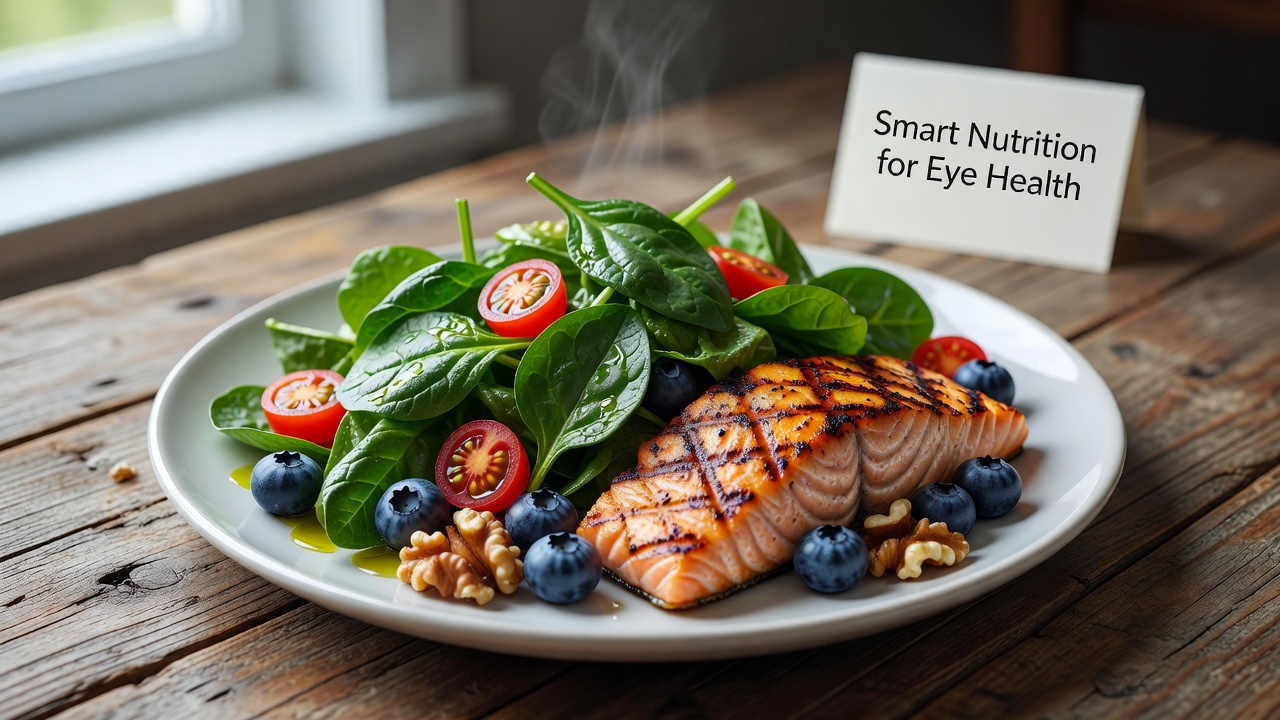
Building meals around these powerhouse ingredients ensures steady nutrient delivery. Leafy greens such as spinach, kale, and collards provide concentrated lutein and zeaxanthin. Fatty fish like salmon, mackerel, and sardines deliver DHA-rich omega-3s. Eggs offer highly bioavailable forms of lutein due to their fat content. Citrus fruits, strawberries, and bell peppers supply vitamin C. Almonds, sunflower seeds, and avocados contribute vitamin E and healthy fats that aid absorption. Orange vegetables including carrots, sweet potatoes, and butternut squash deliver beta-carotene. Incorporating a variety prevents nutrient gaps and supports overall health.
- Spinach salad with olive oil dressing enhances lutein uptake
- Grilled salmon twice weekly meets omega-3 needs
- Hard-boiled eggs as portable snacks
- Berry smoothies for daily vitamin C
- Handfuls of mixed nuts for vitamin E
Sample Weekly Meal Plan for Vision Health
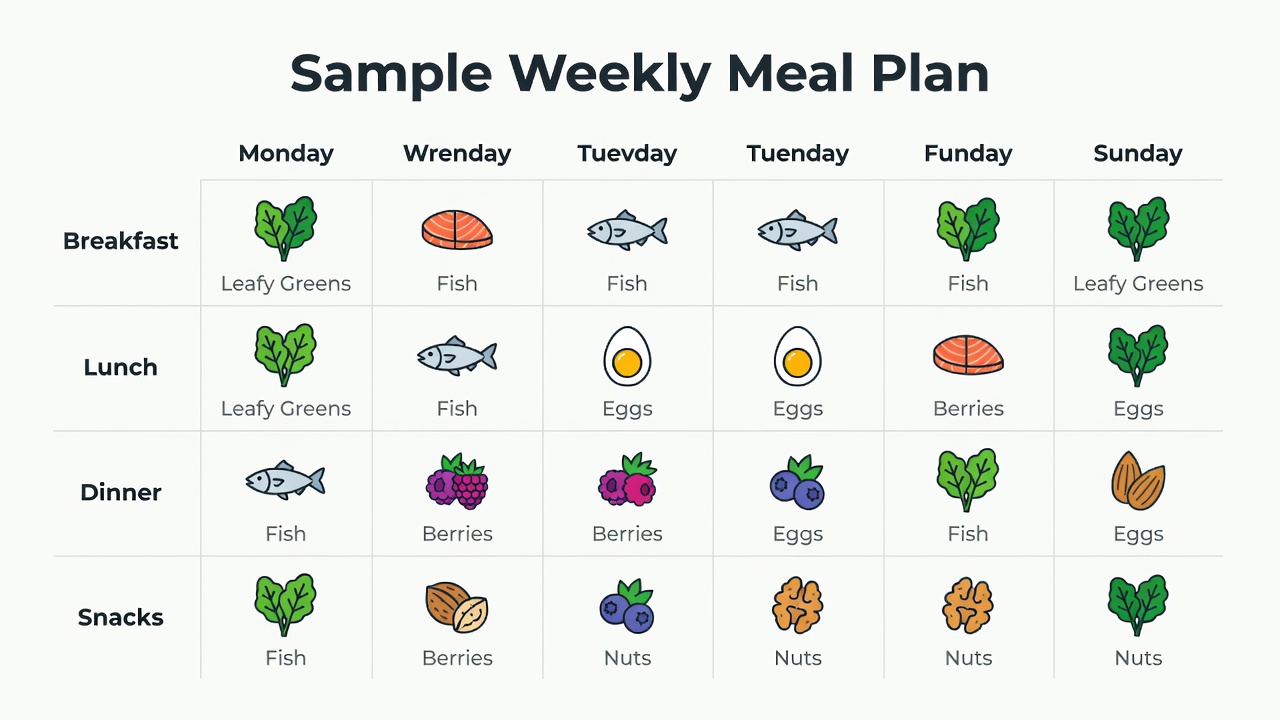
A structured plan simplifies adoption. Monday begins with oatmeal topped with blueberries and walnuts, followed by a quinoa and spinach salad with chickpeas at lunch, and baked salmon with kale at dinner. Tuesday features a veggie omelet for breakfast, lentil soup with carrots for lunch, and grilled mackerel with sweet potato mash for dinner. Wednesday includes a green smoothie, turkey and avocado wrap, and stir-fried broccoli with eggs. Thursday and Friday rotate similar proteins and greens, while weekends emphasize batch-cooked soups and fresh fruit bowls. This rotation ensures diversity, prevents boredom, and maintains consistent nutrient intake throughout the week.
Whole Foods Versus Supplements: Detailed Comparison
Whole foods provide synergistic compounds, dietary fiber, and superior absorption compared to isolated supplements. For example, consuming spinach alongside a source of fat dramatically improves lutein bioavailability. Supplements serve as convenient backups during travel or dietary shortfalls but cannot replicate the full matrix of nutrients found in produce. The World Health Organization emphasizes food-first approaches for sustainable health outcomes. Always consult healthcare providers before introducing high-dose supplements to avoid interactions.
Practical Daily Incorporation Steps and Habits
Start each morning with a nutrient-packed smoothie blending kale, berries, and flaxseeds. Prepare snack containers of almonds and carrot sticks for midday energy. Plan two fish-based dinners weekly and add colorful vegetables to every main meal. Hydration supports tear production, so aim for consistent water intake. Track progress by noting reduced eye fatigue after four to six weeks of adherence. These small, repeatable actions compound into lasting visual protection.
Common Pitfalls to Avoid and How to Overcome Them
Many individuals fall into the trap of inconsistent consumption or over-reliance on processed snacks lacking these nutrients. Excessive added sugars promote inflammation that indirectly harms ocular tissues. Another frequent error is neglecting variety, leading to imbalanced intake. Overcome these by meal prepping on weekends, reading labels for hidden sugars, and gradually introducing new greens and proteins. Mindful eating practices, such as eating without screens, further enhance digestion and nutrient absorption.
Real-World Examples and Long-Term Success Stories
Remote workers who integrated daily spinach salads and weekly fish reported fewer instances of dry eyes and improved focus during long screen sessions. Families that adopted berry-rich breakfasts noted better overall energy and fewer complaints of eye strain among children using tablets. These examples illustrate how targeted nutrition integrates seamlessly into busy schedules, yielding measurable improvements in comfort and visual clarity within months.
FAQ: Addressing Myths Around Diet and Eyesight
Does eating carrots dramatically improve night vision? While carrots support general eye function through beta-carotene, they do not create superhuman night vision in individuals with normal eyesight. Can nutrition reverse established vision conditions? Diet primarily helps maintain current health and slow degenerative processes rather than reversing conditions like myopia. How long until benefits appear? Antioxidant accumulation in the retina typically requires three to six months of consistent intake for noticeable effects. Are all supplements equally effective? Quality and formulation vary widely; whole-food sources remain preferable for most people.
Conclusion: Embrace Mindful Eating for Lifelong Vision Wellness
Smart eating transforms eye health from a reactive concern into a proactive strategy. By consistently prioritizing lutein-rich greens, omega-3 sources, antioxidant-packed produce, and balanced meals, individuals invest in clearer, more resilient vision for years to come. Begin with one or two changes this week and build sustainable habits that protect your eyes naturally while enhancing overall well-being.
No comments yet. Be the first!