 Func Eats

Introduction to Smart Eating for Joint Health
Joint discomfort affects millions worldwide, but smarter nutrition offers a powerful path to relief. In 2026, focusing on anti-inflammatory eating patterns helps reduce swelling, improve mobility, and support long-term wellness. This guide dives deep into practical strategies that combine nutrient-dense foods with mindful habits for lasting results. Evidence shows that diet plays a key role in managing inflammation, influencing everything from daily comfort to overall quality of life. By choosing foods rich in omega-3s, antioxidants, and fiber, individuals can naturally support joint comfort without relying solely on medications. Many people overlook how consistent dietary shifts can complement exercise and other lifestyle factors, creating a holistic approach to joint care.
Understanding personal triggers is essential, as responses to foods vary. This article provides actionable advice tailored for readers seeking sustainable improvements through mindful eating practices that emphasize awareness and balance.
Understanding the Link Between Diet and Joint Inflammation
Chronic inflammation contributes to conditions like arthritis and general stiffness. Processed foods high in sugars and unhealthy fats can worsen symptoms, while whole foods calm the body's response. Research from authoritative sources highlights how dietary choices influence cytokine levels, directly impacting joint tissues. For instance, excessive intake of refined carbohydrates may promote oxidative stress, whereas colorful produce supplies compounds that neutralize free radicals. Mayo Clinic emphasizes the role of nutrition in inflammatory conditions, recommending balanced plates over restrictive regimens. The connection extends beyond immediate symptoms, as long-term habits shape cartilage health and synovial fluid quality. Exploring this link reveals why small daily choices accumulate into meaningful mobility gains over months and years.
Top Anti-Inflammatory Foods for Joint Support
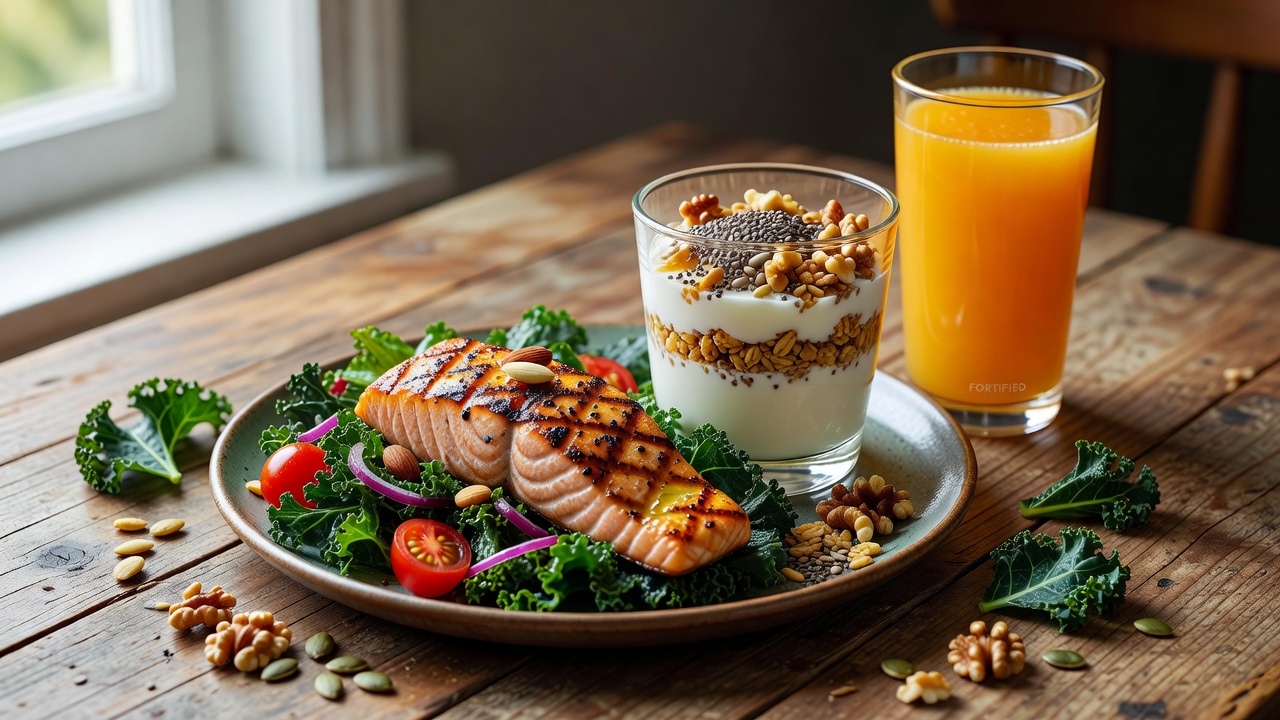
Incorporate these staples into daily meals for targeted benefits. Fatty fish like salmon and mackerel provide omega-3 fatty acids that lower inflammatory markers and support cardiovascular health alongside joints. Berries such as blueberries and strawberries deliver anthocyanins for antioxidant protection that combats cellular damage. Leafy greens including spinach and kale offer vitamins K and C to maintain cartilage health and aid collagen production. Nuts and seeds supply healthy fats and magnesium for muscle relaxation around joints, reducing tension that exacerbates pain. Turmeric and ginger add curcumin and gingerol compounds known for their anti-inflammatory properties, which studies suggest may rival some over-the-counter options in mild cases. Additional options include olive oil for its oleocanthal content and tomatoes for lycopene, both contributing to a diverse anti-inflammatory profile when rotated regularly.
Sample Meal Plans for Joint Health
Start your day with overnight oats topped with berries, chia seeds, and a sprinkle of turmeric for a fiber-rich breakfast that stabilizes blood sugar. For lunch, enjoy a quinoa salad with grilled salmon, avocado, and mixed greens drizzled in olive oil to combine protein, healthy fats, and micronutrients. Dinner could feature baked mackerel with roasted vegetables and a side of lentils, providing sustained energy without heaviness. Snacks like Greek yogurt with walnuts or apple slices with almond butter keep energy steady while fighting inflammation. For variety, a midweek plan might swap in a chickpea stir-fry with ginger and broccoli or a smoothie bowl blending kale, pineapple, and flaxseeds. These examples emphasize variety and balance, making adherence easier for busy lifestyles while ensuring consistent nutrient intake across the week.
Comparing Popular Diets for Joint Wellness
The Mediterranean diet stands out for its emphasis on fish, olive oil, and produce, showing strong evidence for reducing joint pain through its focus on monounsaturated fats and polyphenols. In contrast, the DASH diet focuses more on blood pressure but overlaps in vegetable and whole-grain recommendations, offering secondary joint benefits. Keto diets may offer short-term benefits by limiting processed carbs but often lack sufficient fiber for sustained joint support and can increase inflammation if poorly implemented. Plant-based approaches excel when they prioritize diverse, nutrient-rich options over processed alternatives, delivering high volumes of antioxidants. Each diet requires personalization, as individual tolerances differ, and combining elements from multiple styles often yields optimal outcomes for mobility and comfort.
Step-by-Step Guide to Mindful Eating Practices
- Begin meals by assessing hunger levels on a scale of 1-10 to prevent overeating that can trigger inflammatory responses.
- Chew slowly and savor flavors to improve digestion and portion awareness, allowing better nutrient absorption.
- Eliminate distractions like screens during eating sessions to foster presence and recognize fullness cues earlier.
- Keep a simple food journal noting how meals affect energy and joint comfort, identifying personal patterns over time.
- Practice gratitude for nourishing choices to build sustainable habits that reinforce positive behaviors long-term.
- Experiment with one new anti-inflammatory ingredient weekly to expand palate without overwhelming changes.
Real-Life Case Studies and Applications
Consider Sarah, a 52-year-old office worker who integrated fatty fish twice weekly and daily turmeric tea. Within eight weeks, she reported improved knee flexibility during walks and reduced morning stiffness. Similarly, a group of participants in a community program using Mediterranean-style plates experienced measurable decreases in stiffness, highlighting the approach's accessibility across demographics. Another example involves a retiree who combined mindful eating with portion control and noted enhanced joint comfort during gardening activities after three months. These stories demonstrate that small, consistent changes yield meaningful mobility gains when tracked and adjusted based on feedback from the body.

How to Track Your Progress with Smart Eating
Monitoring improvements helps maintain motivation and refine strategies. Use a weekly mobility checklist rating pain levels, range of motion, and energy on simple scales. Apps designed for food logging can correlate intake with symptoms, revealing effective patterns. Regular check-ins with a healthcare provider every few months provide objective measures like inflammation blood markers. Celebrate non-scale victories such as easier stair climbing or longer walks to sustain engagement with the plan.
Common Mistakes to Avoid
Many overlook hidden sugars in beverages or underestimate the impact of portion sizes on inflammation. Skipping meals can lead to overeating later, spiking inflammatory responses. Relying too heavily on supplements without food foundations misses synergistic benefits. Always consult professionals before major shifts, especially with existing conditions, to ensure safety and effectiveness.
Frequently Asked Questions
How quickly can diet changes affect joint health?
Many notice subtle improvements in 4-6 weeks, with more significant benefits emerging over 3 months of consistent practice as cumulative effects build.
Are supplements necessary alongside smart eating?
Whole foods provide synergistic benefits, though some may benefit from targeted additions under medical guidance for specific deficiencies.
Can these tips work for all ages?
Yes, the principles apply broadly, with adjustments for individual needs like higher protein for older adults or calorie considerations for younger active individuals.
What role does hydration play in joint support?
Adequate water intake maintains synovial fluid viscosity, complementing anti-inflammatory nutrition for smoother movement throughout the day.
Conclusion
Smart eating for joint health empowers individuals with actionable tools rooted in science. By prioritizing anti-inflammatory foods, thoughtful meal planning, and mindful practices, long-term comfort and mobility become achievable goals. Start today with one small change and build from there for transformative results that enhance overall wellness.

No comments yet. Be the first!