 Func Eats
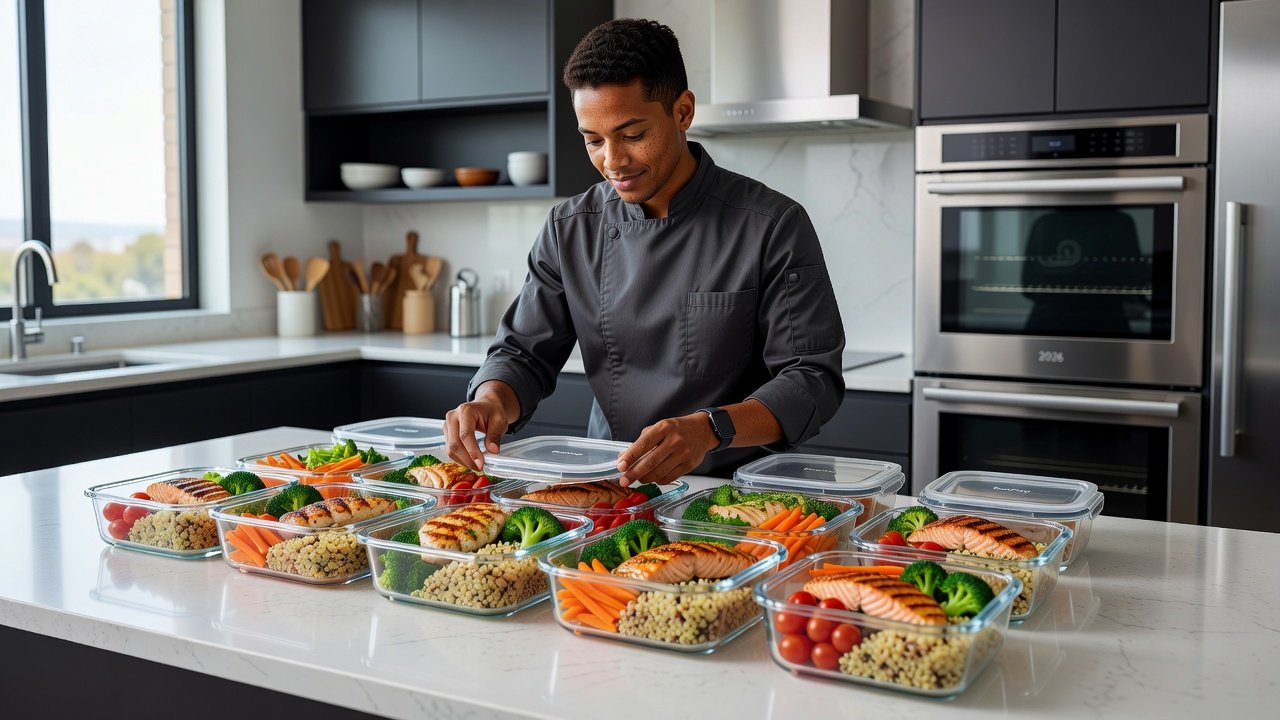
Introduction to Smart Eating Through Meal Prep
Smart eating emphasizes mindful, nutrient-focused choices that promote lasting health instead of short-term restrictions. In 2026, pairing these principles with consistent meal prep allows busy professionals, parents, and students to maintain balanced nutrition without daily overwhelm. This comprehensive guide delivers practical frameworks for weekly planning, detailed grocery strategies, batch cooking across dietary needs, time-saving methods, and evidence-based tips drawn from leading health authorities such as the World Health Organization. By investing a few hours upfront, you create systems that reduce decision fatigue, control portions, and support energy stability throughout the week. Whether your goals involve weight management, improved focus, or simply eating more vegetables, the strategies below turn intentions into repeatable habits that last beyond January resolutions.
Weekly Planning Steps for Consistent Nutrition
Successful meal prep starts with intentional weekly planning. Begin by printing or opening a digital calendar and blocking two to three hours on a low-stress day, typically Sunday afternoon. Next, review your upcoming schedule for meetings, workouts, or family obligations that might affect meal timing. Set three specific nutrition targets, such as hitting 30 grams of protein at breakfast or adding two vegetable servings per lunch. Then map out breakfast, lunch, dinner, and two snacks for each day, allowing one flexible evening for dining out or leftovers. Finally, create a simple prep timeline: chop vegetables on Saturday evening, cook proteins Sunday morning, and assemble containers by mid-afternoon. This structured approach prevents last-minute takeout and builds momentum as you see progress by Wednesday.
Creating Effective Grocery Lists
A strategic grocery list is the backbone of smart eating. Divide your list into four categories: proteins, produce, whole grains, and pantry staples. Under proteins include chicken breast, salmon, eggs, Greek yogurt, lentils, and tofu. For produce, prioritize leafy greens, broccoli, bell peppers, berries, and avocados. Grains might feature quinoa, brown rice, and oats, while pantry items cover olive oil, herbs, nuts, and low-sodium broth. Always shop with a list sorted by store layout to save time and avoid impulse purchases of processed snacks. Consider buying pre-washed greens or frozen berries to further reduce prep time without sacrificing nutrition.
Selecting Nutrient-Dense Ingredients
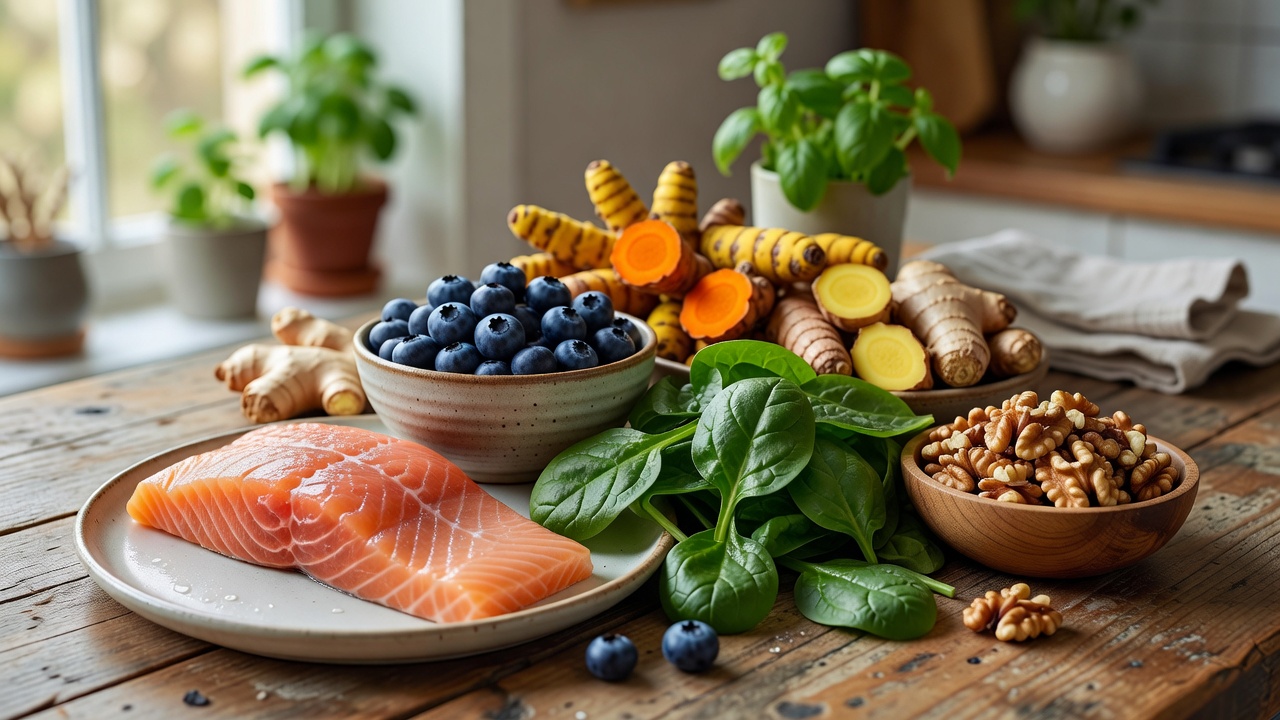
Nutrient-dense ingredients deliver maximum vitamins, minerals, and fiber per calorie. Focus on colorful produce like spinach for iron and folate, blueberries for antioxidants, and sweet potatoes for beta-carotene and fiber. Incorporate fatty fish such as salmon twice weekly for omega-3s that support brain and heart health. Legumes provide plant protein and prebiotic fiber that nourishes gut bacteria. Pair foods strategically: combine vitamin C-rich tomatoes with spinach to enhance iron absorption. These choices align with recommendations from Mayo Clinic on building sustainable eating patterns that reduce chronic disease risk over time.
Batch Cooking Examples for Different Dietary Needs
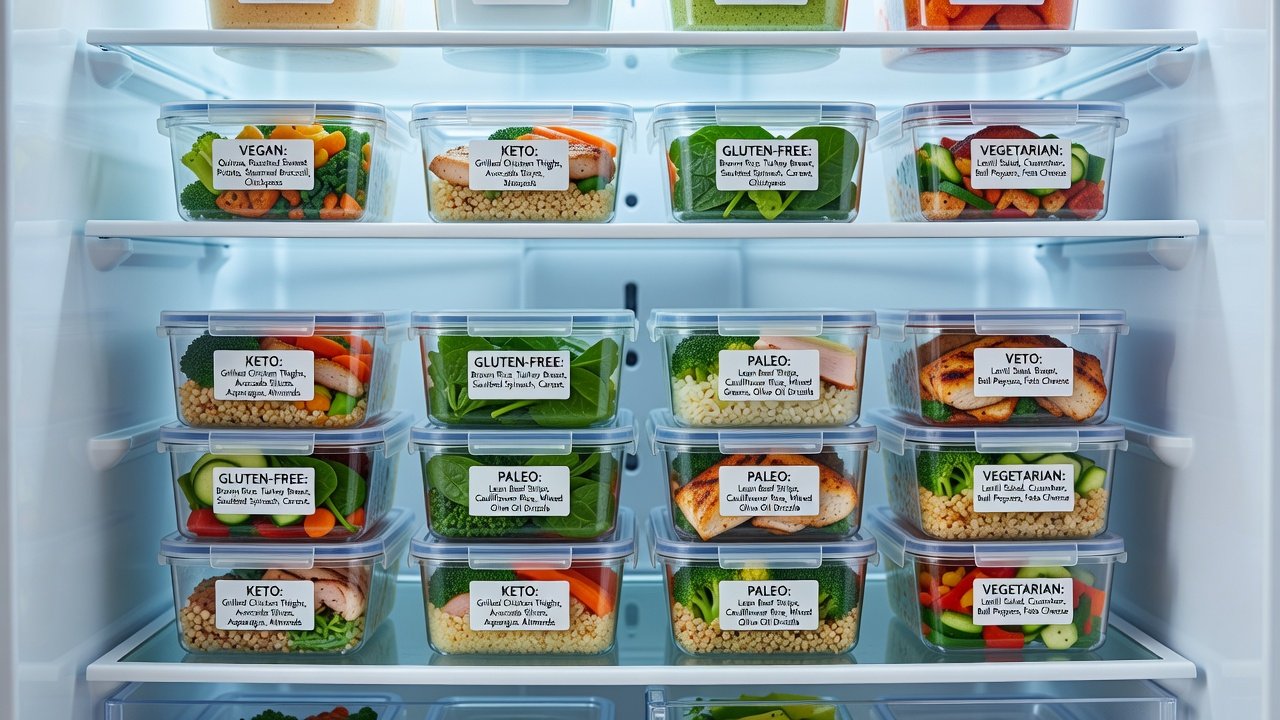
Batch cooking multiplies effort into multiple meals. Omnivores can grill four chicken breasts alongside a sheet pan of mixed vegetables and quinoa, then portion into five lunches. Vegetarians might simmer a large pot of lentil and vegetable stew, divide it into containers, and serve over brown rice. For gluten-free needs, prepare baked salmon with roasted broccoli and sweet potato wedges. Vegan options include chickpea curry with spinach and cauliflower rice. Those following higher-protein plans can hard-boil a dozen eggs, cook ground turkey with spices, and portion Greek yogurt parfaits. Each batch yields four to six servings that reheat well and maintain texture when stored properly.
Time-Saving Techniques
Maximize efficiency with proven shortcuts. Use one-pan methods such as sheet-pan dinners where proteins and vegetables roast together. Invest in a slow cooker or Instant Pot for hands-off cooking of stews and grains while you handle other tasks. Purchase pre-chopped onions and garlic or frozen vegetable blends to skip chopping entirely. Label every container with the date and contents using painter’s tape and a marker. Double recipes when possible so one cooking session feeds you for two weeks when items are frozen. These techniques turn a two-hour session into a week of effortless, balanced meals.
Prepped Meals vs Spontaneous Eating: A Comparison
- Nutrient Consistency: Prepped meals guarantee balanced macros and micronutrients; spontaneous choices frequently skew toward processed foods high in sodium and added sugars.
- Time Investment: Two hours of prep replaces daily 30-minute cooking decisions, freeing evenings for family or hobbies.
- Financial Impact: Planned shopping reduces food waste and restaurant spending compared to daily improvisation.
- Flexibility Trade-off: Spontaneous eating offers immediate variety but risks energy crashes and nutrient shortfalls during hectic periods.
- Stress Reduction: Knowing meals are ready lowers decision fatigue and supports better sleep and mood regulation.
Long-term data from public health sources like the Centers for Disease Control and Prevention show that structured meal patterns correlate with improved dietary quality.
Real-World Case Studies
Sarah, a 34-year-old marketing manager, struggled with 3 p.m. energy dips. After implementing Sunday prep of overnight oats, turkey roll-ups, and roasted vegetable quinoa bowls, she maintained steady blood sugar and reported sharper afternoon focus within three weeks. David, a father of two working night shifts, batch-cooked family-friendly turkey chili and breakfast burritos on his days off. His children began requesting the prepped options over fast food, and family grocery bills dropped noticeably. Maria, a graduate student following a plant-based diet, used weekend prep of black bean burgers and farro salads to avoid campus vending machines, improving both her budget and academic performance. These examples illustrate how smart eating adapts to diverse schedules and preferences.
Actionable Checklists
Weekly Prep Checklist
- Review calendar and define three nutrition targets
- Build categorized grocery list and shop in one trip
- Batch cook two proteins and two vegetable sides
- Prepare grab-and-go snacks like portioned nuts
- Assemble and label all containers by Sunday evening
- Freeze two extra portions for unexpected busy days
Daily Smart Eating Reminders
- Hydrate first thing and include protein at breakfast
- Pack lunch and snacks the night before
- Eat mindfully without screens during at least one meal
- Track how you feel after meals to refine future plans
Storage, Variety, and Common Challenges
Store cooked proteins and grains in airtight glass containers for up to four days in the refrigerator or three months in the freezer. Keep sauces separate to preserve texture. To combat meal boredom, rotate global flavor profiles: one week Mediterranean with herbs and olive oil, the next Mexican with cumin and lime. Add fresh elements like chopped cilantro or a squeeze of lemon just before eating. Address common storage concerns by investing in divided containers that keep wet and dry items separate. If variety feels limited, prepare base components and customize with different toppings each day, such as switching between salsa, yogurt sauce, or tahini dressing.
2026 Trends for Long-Term Adherence
Current trends highlight personalized nutrition apps that sync with wearable data and sustainable sourcing of ingredients. Many individuals now incorporate “flex days” where one meal remains unplanned to satisfy cravings without derailing progress. Mindful eating practices, such as eating slowly and noting satisfaction levels, further support adherence. Community challenges on social platforms encourage accountability while emphasizing whole-food patterns over perfection.
FAQ
How do I handle storage for meal prep?
Use airtight containers, cool food completely before refrigerating, and consume refrigerated items within four days. Freeze extras and thaw overnight in the refrigerator for safety.
What if I get bored with the same meals?
Rotate recipes weekly, experiment with new spice blends, and incorporate seasonal produce to keep flavors fresh without increasing prep time.
Can meal prep work for families with different needs?
Yes. Cook versatile bases like grilled chicken or quinoa and let each family member add preferred toppings or sides to suit individual tastes or dietary requirements.
How can I maintain variety on a tight budget?
Focus on versatile staples like beans, eggs, and cabbage that stretch across multiple dishes. Buy frozen produce when fresh options are expensive and use herbs to change flavor profiles.
Conclusion
Smart eating combined with strategic meal prep creates a reliable foundation for consistent nutrition and reduced daily stress. By following the planning steps, ingredient selections, and batch techniques outlined above, you build sustainable habits that support energy, focus, and long-term wellness throughout 2026 and beyond. Start with one prep session this week and refine your system as results become evident.
No comments yet. Be the first!