 Func Eats
Smart Eating Habits for Sustained Daily Energy in 2026
Many people experience energy crashes that disrupt focus and productivity during demanding days. Smart eating habits centered on blood sugar stability offer a practical solution. This comprehensive guide explains the underlying science, provides meal timing approaches suited to hectic schedules, and details nutrient pairings that deliver lasting fuel. Readers will find actionable examples, step-by-step guidance, and comparisons that support sustainable changes without requiring extensive preparation.
The Science Behind Blood Sugar Stability
Blood sugar levels directly influence daily energy patterns. Consuming refined carbohydrates alone causes rapid glucose spikes followed by sharp drops that trigger fatigue and cravings. Pairing macronutrients slows digestion and promotes gradual glucose release. Protein and healthy fats delay gastric emptying, while fiber adds bulk that moderates absorption rates. World Health Organization guidelines stress balanced intake for metabolic health. Studies show that consistent blood sugar control reduces afternoon lethargy and supports cognitive performance throughout the workday. Simple awareness of these mechanisms empowers better on-the-spot choices at cafés, meetings, or home kitchens.
Understanding glycemic response helps explain why some breakfasts sustain energy longer than others. A plain bagel spikes levels quickly, whereas adding eggs and avocado creates a more stable curve. This principle applies across all meals and snacks, forming the foundation of smart eating habits for 2026 professionals and families alike.
Meal Timing Strategies for Busy Schedules
Effective timing does not demand rigid clocks but rather responsive spacing aligned with natural hunger cues and activity levels. Eating within one hour of waking helps regulate circadian rhythms and prevents mid-morning hunger. For commuters or early meetings, portable options such as a hard-boiled egg paired with fruit provide immediate balance. Spacing subsequent meals every three to four hours maintains steady glucose without overwhelming digestion.
Office workers facing back-to-back calls benefit from keeping protein-rich items nearby. A small afternoon portion of Greek yogurt with seeds can bridge the gap until dinner. Parents managing after-school activities find that pre-portioned nuts or cheese sticks allow quick decisions during transitions. Evening meals should conclude two to three hours before sleep to avoid nighttime disruptions. These flexible strategies accommodate varied lifestyles while prioritizing energy consistency.
Nutrient-Dense Food Pairings That Deliver Results
Strategic pairings transform everyday foods into reliable energy sources. Combining fiber-rich produce with protein and fats creates sustained release. Examples include celery sticks with peanut butter, whole-grain crackers topped with tuna, or cottage cheese mixed with berries. These combinations avoid the rapid rise and fall associated with isolated carbohydrates. 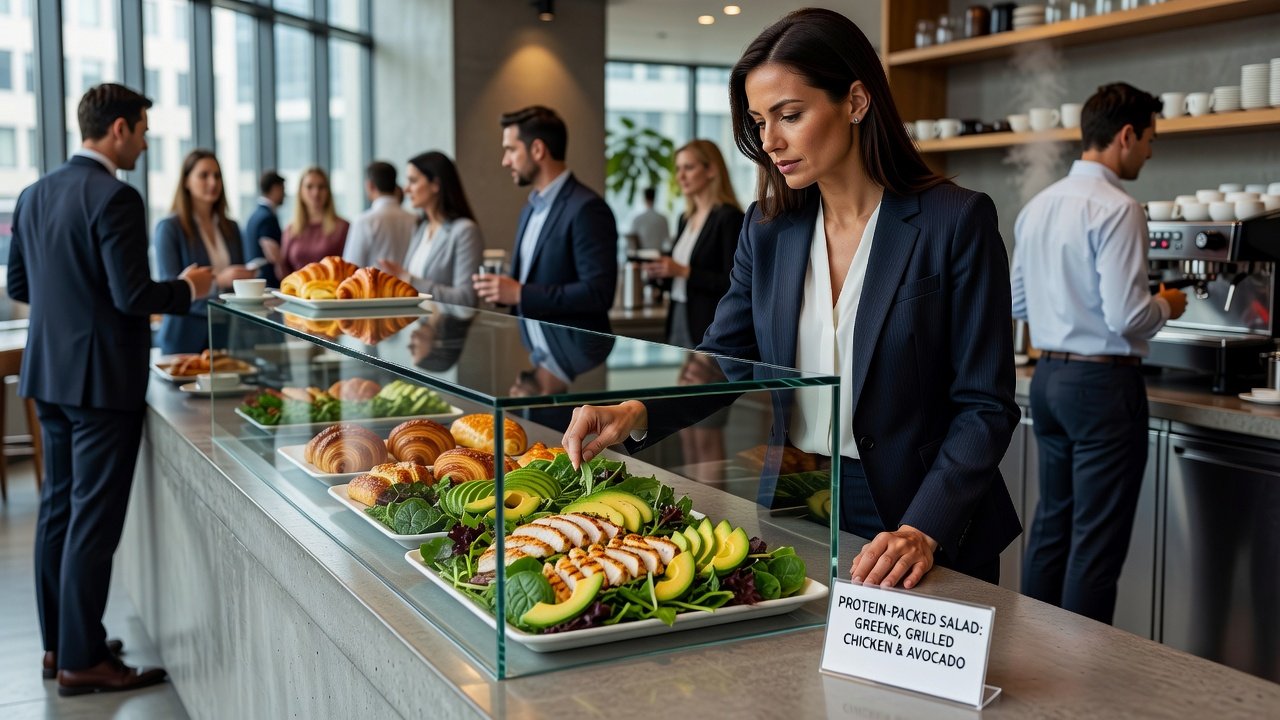
Additional pairings worth adopting include spinach salads with chickpeas and olive oil, or smoothies blending unsweetened yogurt, spinach, and a tablespoon of flaxseed. Each choice emphasizes availability and minimal decision time, fitting the demands of busy 2026 routines.
Sample Daily Menus Built Around Mindful Choices
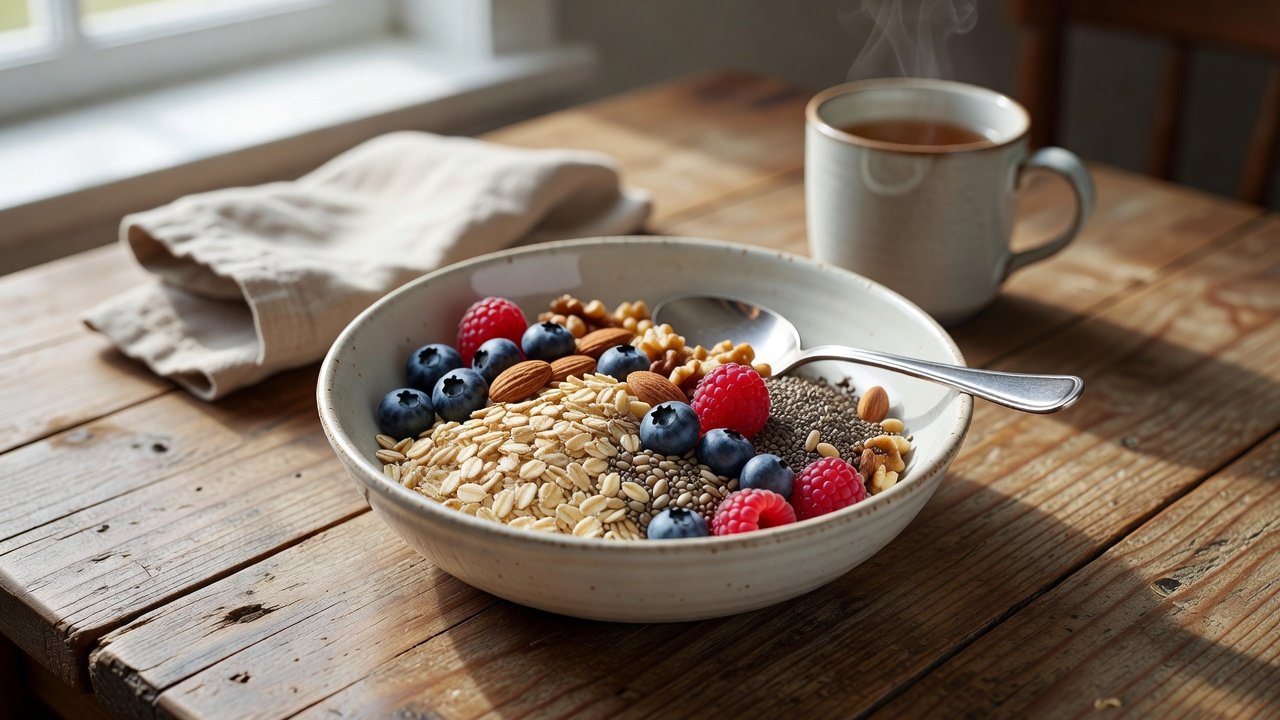
Breakfast might feature overnight oats prepared the night before using rolled oats, unsweetened almond milk, and a spoonful of chia seeds topped with fresh strawberries. Mid-morning, select a handful of walnuts and a banana from available options. Lunch could consist of a mixed green salad with grilled turkey, cucumber slices, and a drizzle of vinaigrette. An afternoon snack of edamame pods or a small piece of dark chocolate with almonds maintains momentum. Dinner focuses on baked fish, quinoa, and roasted vegetables. Variations for different preferences include swapping proteins or using seasonal produce while preserving the core balance of macronutrients.
Step-by-Step Implementation for Real Life
Begin by tracking energy patterns over three consecutive days to identify consistent dips. Next, identify three portable items that combine protein and fiber and keep them accessible at work or in transit. Practice the half-plate vegetable rule during main meals whenever possible. When hunger arises unexpectedly, pause to drink water and reassess whether the sensation reflects true need or habit. Adjust portions according to physical activity rather than fixed rules. Revisit choices weekly and refine based on observed energy levels. These incremental steps build lasting habits without overwhelming daily schedules.
Common Energy-Draining Habits vs Smart Alternatives
Reaching for sugary pastries during mid-morning meetings often leads to subsequent crashes. A smarter alternative involves selecting a cheese wedge and apple slices when available. Sugary cereals at breakfast produce quick spikes; replacing them with scrambled eggs and spinach yields steadier focus. Late-day coffee on an empty stomach can intensify jitters, whereas pairing it with a protein snack smooths the effect. Evening chip consumption disrupts sleep quality, while cucumber rounds with hummus support overnight recovery. Each swap demonstrates how minor adjustments compound into noticeable daily improvements.
Hydration and Its Role in Energy Maintenance
Dehydration frequently mimics fatigue and impairs concentration. Integrating water intake with meals enhances nutrient absorption and supports metabolic processes. Carry a reusable bottle and sip regularly, especially during long commutes or desk work. Herbal teas or infused water provide variety without added sugars that could counteract blood sugar goals. Consistent hydration complements food choices and contributes to overall vitality.
Frequently Asked Questions
How can I handle unexpected long workdays without crashing?
Keep a small emergency supply of roasted chickpeas or cheese sticks in your bag or desk. Pair any available fruit with a protein source to moderate glucose response during extended hours.
What if I have dietary restrictions such as gluten or dairy intolerance?
Focus on naturally suitable whole foods like quinoa bowls with beans and vegetables or lactose-free yogurt with seeds. These options maintain the same macronutrient balance for stable energy.
Is coffee compatible with this approach?
Moderate consumption works well when paired with food. Enjoying black coffee alongside a balanced snack prevents the blood sugar fluctuations that occur on an empty stomach.
How do travel days or irregular schedules affect these habits?
Pack versatile items like individual nut butter packets and whole fruit. Airports and hotels often offer salads or yogurt, allowing quick decisions that preserve energy patterns despite disrupted routines.
Conclusion
Implementing smart eating habits focused on blood sugar balance, responsive timing, and thoughtful pairings supports reliable daily energy. These evidence-based practices require only minor shifts in decision-making yet deliver meaningful improvements in focus and endurance. Begin with one adjustment and expand gradually to experience sustained benefits throughout 2026 and beyond.

No comments yet. Be the first!