 Func Eats
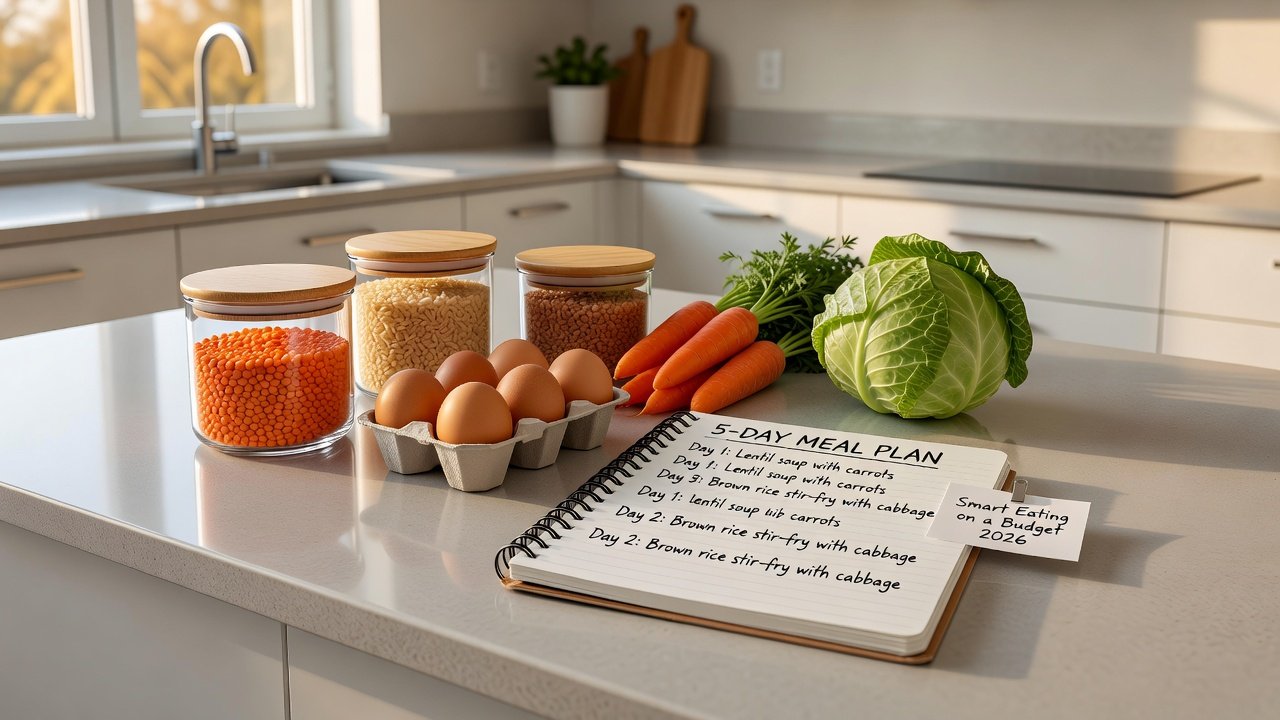
Introduction to Smart Eating on a Budget
Smart eating on a budget in 2026 emphasizes short weekly cycles that make healthy choices sustainable and achievable. Rather than committing to lengthy month-long meal plans that often lead to burnout, focusing on five-day rotations helps boost completion rates by keeping menus manageable and exciting. This method supports mindful eating by encouraging you to pay attention to flavors, portions, and how food makes you feel, all while keeping expenses in check through strategic grocery selections and efficient batch preparation techniques.
The core idea is to build meals around affordable, nutrient-packed ingredients that stretch across multiple servings. By planning in short bursts, you reduce food waste, minimize decision fatigue, and create room for flexibility on weekends. This approach aligns perfectly with both smart eating principles and mindful eating practices, turning everyday meals into opportunities for better health without financial strain.
Selecting Nutrient-Dense Staples Under $5
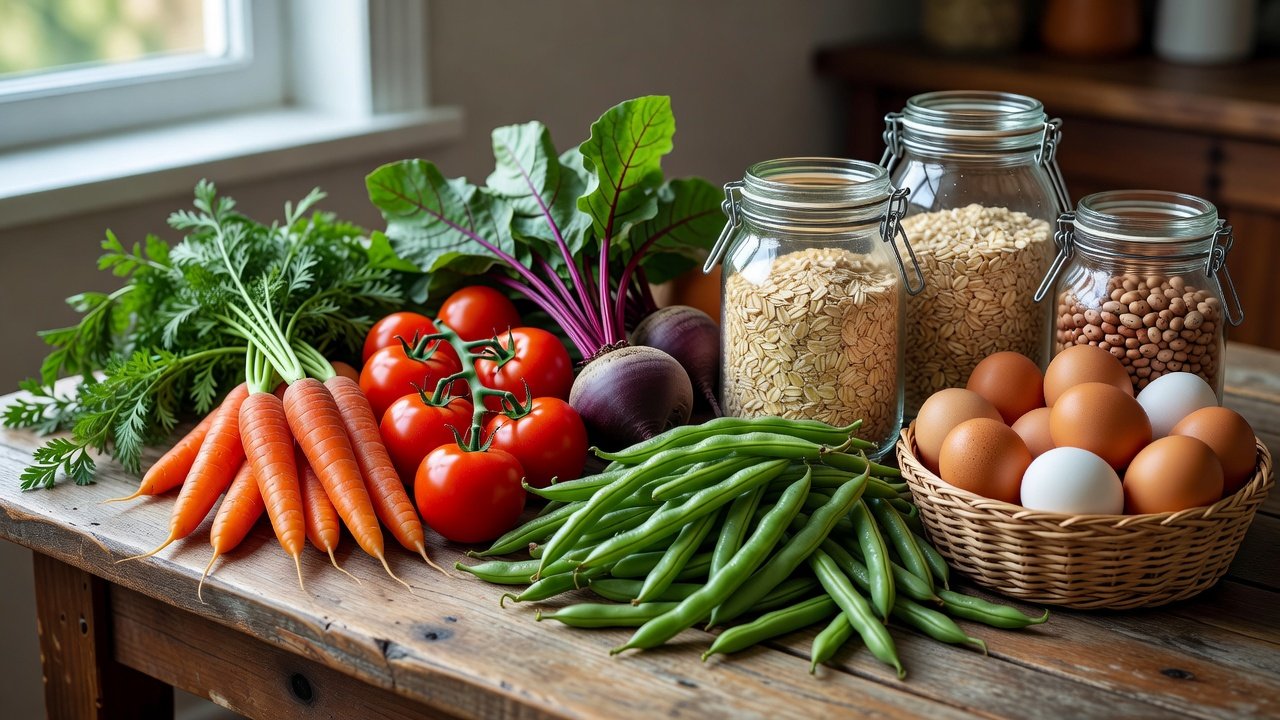
Begin by identifying versatile staples that deliver maximum nutrition for minimal cost. Dried lentils, black beans, rolled oats, brown rice, eggs, carrots, cabbage, potatoes, and canned tomatoes form an excellent foundation. These items pack protein, fiber, vitamins, and minerals while remaining widely available at low prices. Frozen spinach and seasonal produce like apples or squash add variety without breaking the bank.
Consider how each staple contributes to balanced plates. Lentils provide plant-based protein and cook quickly, while oats serve as a breakfast base or thickener for soups. Eggs offer quick protein options for any time of day. When selecting produce, choose whole vegetables over pre-cut versions to maximize value. Pairing these with affordable spices like cumin, garlic powder, and paprika enhances flavor, supporting mindful eating by making meals more enjoyable and satisfying.
Practical Examples of Staple Usage
For instance, a single bag of dried lentils can become soup one day, salad the next, and taco filling later in the week. Brown rice acts as a side or main component in stir-fries. This thoughtful selection reduces the need for frequent shopping trips and keeps your kitchen stocked for spontaneous adjustments.
Building 5-Day Rotating Menus
Construct your menu around five consecutive days to maintain momentum while allowing weekend flexibility for leftovers or simple experiments. Day 1 could feature lentil vegetable soup paired with brown rice. Day 2 shifts to a cabbage and carrot stir-fry served over oats or quinoa for a different texture. Day 3 highlights egg frittatas mixed with potatoes and spinach, creating a hearty breakfast-for-dinner option.
Day 4 incorporates bean-based tacos using black beans, cabbage slaw, and tomatoes for freshness. Day 5 wraps up with a potato and lentil stew that utilizes any remaining ingredients. Rotate grains and proteins daily to prevent repetition. This structure makes it easy to scale portions for lunches and dinners alike.
Each day includes at least one vegetable serving and a protein source to support sustained energy. Adjust based on preferences by swapping in extra herbs or alternative grains when available. The short cycle encourages experimentation without overwhelming planning time.
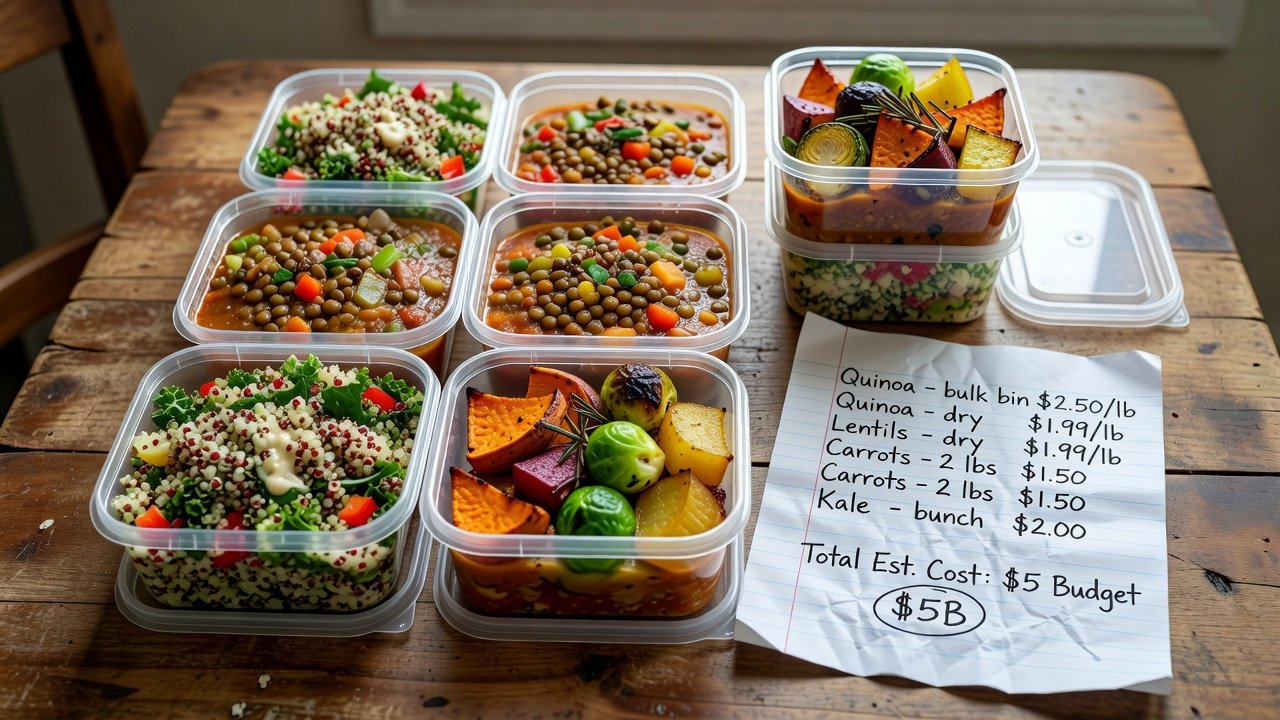
Comparing Grocery Totals Versus Takeout
Home-prepared meals using a 5-day plan deliver superior nutrition and cost efficiency compared to regular takeout. Restaurant meals often include added sugars, larger portions leading to waste, and hidden fees that accumulate quickly. In contrast, cooking at home lets you control ingredients, portion sizes, and quality while building skills that last.
Over several weeks, the difference becomes evident in both your wallet and energy levels. Smart eating encourages tracking simple comparisons, such as noting how many servings one grocery run provides versus multiple takeout orders. This awareness fosters mindful eating habits that extend beyond the plate. For broader guidance on balanced nutrition, check resources from the World Health Organization and the U.S. Department of Agriculture.
Simple Shopping Lists and Batch-Prepped Lunches
Develop a reusable shopping list template that centers on your core staples plus a handful of fresh additions each week. Typical items include oats, rice, lentils, eggs, carrots, cabbage, potatoes, and canned tomatoes. Supplement with seasonal finds like zucchini or apples when prices drop. This focused list prevents impulse buys and streamlines store visits.
Batch preparation is key to success. Dedicate one afternoon to cooking a large batch of lentils, roasting carrots and potatoes, and hard-boiling eggs. These components combine into varied lunches such as lentil quinoa bowls with slaw or egg salad wraps with cabbage. Store in clear containers for easy access, promoting mindful eating by making healthy choices the default option during busy weekdays.
Step-by-Step Batch Prep Guide
- Sort and rinse all dry staples like lentils and rice.
- Cook grains and legumes in separate pots while vegetables roast.
- Portion into individual servings immediately after cooling.
- Label containers with dates to track freshness.
Seasonal Swaps for Ongoing Savings
Adapt menus to seasonal availability to maintain low costs and peak flavor. In colder months, rely on root vegetables and hearty greens like cabbage and potatoes. Warmer periods allow lighter swaps such as zucchini for cabbage or berries for apples. These changes keep meals interesting and support smart eating by aligning purchases with natural price fluctuations at markets.
Experiment with one or two swaps per week to avoid waste. For example, replace potatoes in stews with squash when it is abundant. This flexibility enhances both nutrition and enjoyment while reinforcing mindful eating practices through intentional ingredient choices.
Mistakes to Avoid for Better Results
Common pitfalls include buying too many fresh items without a plan, leading to spoilage. Always match purchases to your five-day menu. Another error is skipping batch prep, which increases daily cooking time and reduces adherence. Overcomplicating recipes with exotic ingredients also inflates costs—stick to staples. Finally, ignoring portion control can undermine both budget and mindful eating goals. Start small and refine based on what works for your household.
Common Budget Pitfalls: FAQ
- How do I avoid overspending on fresh items? Create a strict list tied to the menu and opt for frozen versions when seasonal produce is unavailable.
- What if I get tired of the same meals? Rotate herbs, spices, and cooking methods like roasting versus simmering to refresh flavors without new purchases.
- Can these plans work for families? Scale batch quantities upward and assign simple tasks like chopping to involve everyone, increasing engagement.
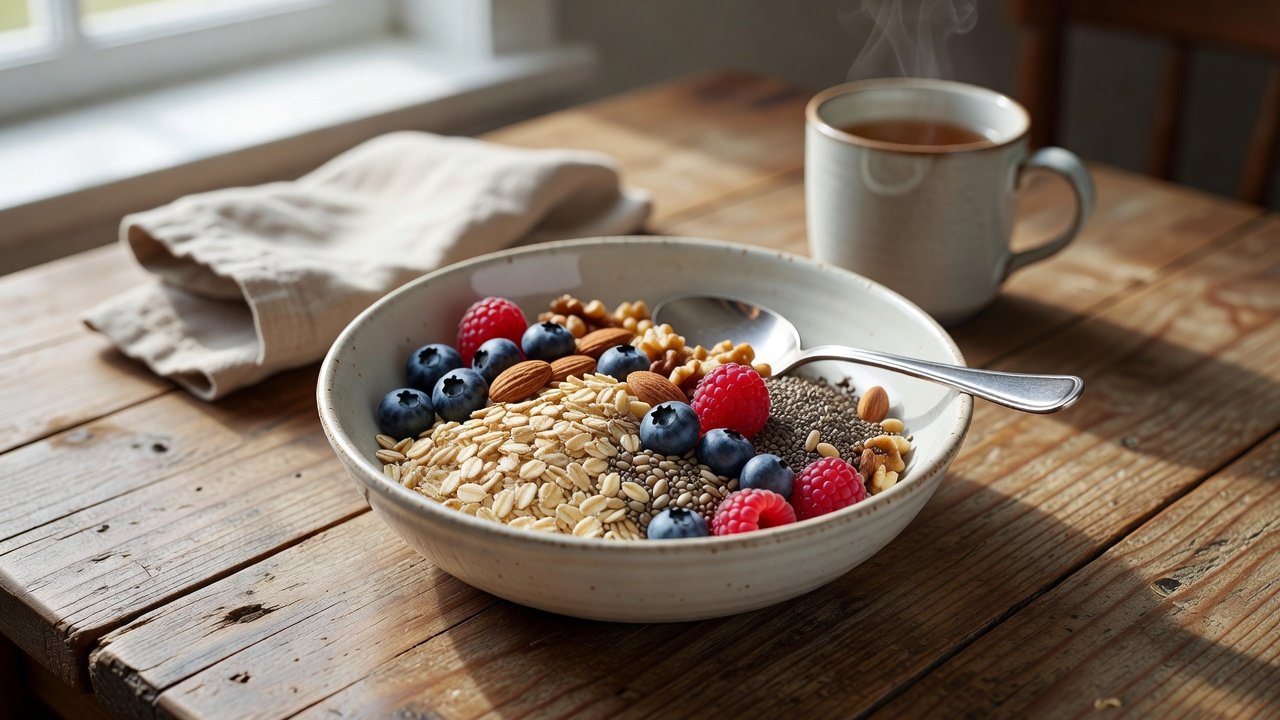
- How do I handle unexpected cravings? Prepare a flexible snack option using staples, such as oatmeal topped with seasonal fruit, to stay aligned with your goals.
- What about dietary restrictions? Substitute ingredients like using extra beans for eggs or gluten-free grains for oats while keeping the structure intact.
- How often should I update the menu? Review and tweak every two weeks based on what sold out or what new seasonal items appear.
By implementing these detailed strategies, smart eating on a budget transforms into a reliable habit that delivers consistent savings, better nutrition, and greater satisfaction throughout 2026 and beyond.
No comments yet. Be the first!