 Func Eats

Introduction to Smart Eating on a Budget
In 2026, households across the country are prioritizing nutrition while managing tight budgets. Smart eating involves making intentional choices that deliver maximum nutritional value without unnecessary spending. This approach centers on whole foods, thoughtful preparation, and adaptable habits that fit real-life schedules and financial constraints. Rather than viewing healthy eating as expensive, the focus shifts to accessible strategies that support energy, immunity, and overall wellness.
Budget-conscious readers benefit from understanding how to select nutrient-packed ingredients that stretch further. Guidance from organizations such as the World Health Organization highlights the importance of balanced diets rich in fruits, vegetables, and whole grains. By applying these principles at home, individuals can maintain health goals while controlling costs effectively.
Identifying Affordable Nutrient-Dense Foods
Many nutrient-dense foods remain inexpensive when purchased strategically. Staples such as dried beans, lentils, oats, eggs, cabbage, carrots, potatoes, and peanut butter provide protein, fiber, vitamins, and healthy fats. Frozen vegetables and fruits often retain more nutrients than out-of-season fresh produce and cost significantly less per serving. Canned options like tomatoes, tuna, or chickpeas work well in soups, salads, and casseroles when rinsed to reduce sodium.
Store brands frequently match or exceed the quality of premium labels. Shoppers should compare nutrition facts panels and ingredient lists rather than assuming higher prices mean better value. For example, generic rolled oats deliver the same whole-grain benefits as branded versions at a fraction of the cost. Building a core shopping list around these items creates the foundation for multiple meals throughout the week.
Building Balanced Plates on Limited Funds
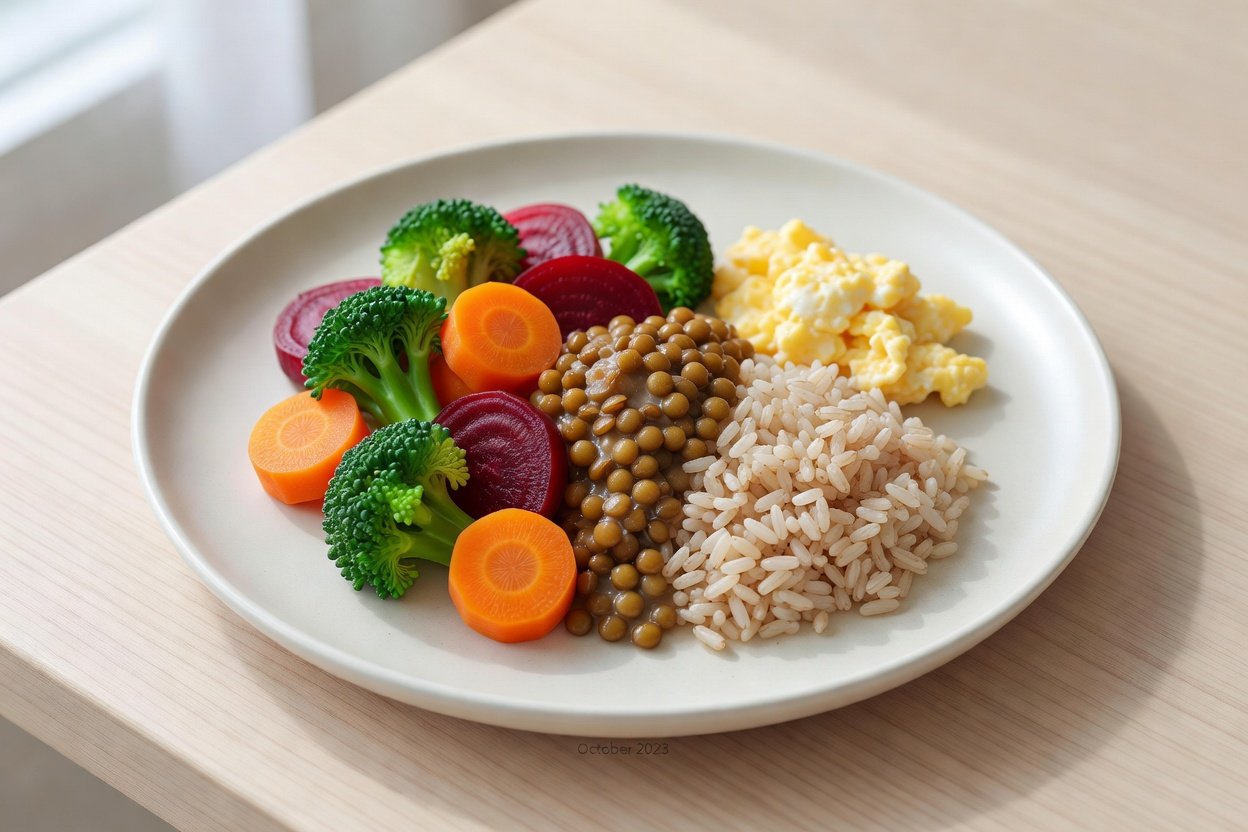
Creating balanced plates starts with the simple guideline of filling half the plate with vegetables or fruit, one-quarter with protein, and one-quarter with whole grains. This method ensures variety and satiety without complex calculations. Practical examples include black bean and rice bowls topped with shredded cabbage and salsa, or scrambled eggs mixed with spinach and served alongside roasted potatoes.
Households can rotate base recipes to prevent boredom while reusing ingredients. One common approach involves preparing a large batch of quinoa or brown rice on Sunday, then pairing it differently each day with available proteins and produce. This flexibility supports balanced nutrition even when funds are limited.
Weekly Meal Planning Steps
Successful meal planning reduces both waste and stress. Begin by taking inventory of pantry, refrigerator, and freezer items. Next, choose five to seven recipes that share overlapping ingredients. The following numbered action plan provides a repeatable framework:
- Review weekly sales flyers and seasonal produce lists before creating the menu.
- Batch-cook grains, beans, and proteins on the weekend to save time on busy evenings.
- Portion meals into reusable containers immediately after cooking to encourage grab-and-go options.
- Designate one midweek check-in to adjust the plan based on leftovers or unexpected schedule changes.
- Keep a running list of frequently used spices and staples to avoid emergency store trips.
Following these steps consistently leads to lower grocery bills and fewer last-minute decisions that often result in higher spending.
Seasonal Shopping and Avoiding Waste
Seasonal produce offers peak flavor and nutrition at lower prices. Summer offers affordable berries and leafy greens, while winter brings root vegetables and citrus. Purchasing directly from farmers markets or participating in community-supported agriculture programs further reduces costs. CDC nutrition resources emphasize that reducing food waste supports both personal budgets and environmental goals.
Smart prep techniques include washing and chopping vegetables immediately after purchase, then storing them in clear containers for visibility. Vegetable scraps can be simmered into broth, and overripe fruit works well in smoothies or baked goods. These habits prevent spoilage and maximize every purchase.
Store Brands Versus Premium Options
Direct comparisons often reveal that store brands contain identical or very similar formulations to premium products. The primary differences appear in packaging and marketing rather than nutritional content. Shoppers who focus on unit pricing and ingredient quality can confidently choose generic versions for pantry staples without sacrificing health benefits.
Overcoming Common Barriers: Time and Availability
Time constraints and limited store access represent frequent obstacles. Solutions include one-pot meals such as lentil stews or sheet-pan roasted vegetables with eggs. Frozen and canned items reduce preparation time while maintaining nutrition. For those in areas with fewer grocery options, stocking non-perishables and planning consolidated shopping trips helps maintain consistency.
Real-World Household Examples
Consider a family of four that prepares large batches of bean chili on Sundays, stretching it across three dinners with added seasonal vegetables. Another household uses oatmeal as a versatile base for breakfasts and even savory dinners topped with eggs and greens. These examples illustrate how small, repeatable habits create sustainable nutrition on limited resources.
FAQ
How can I eat healthy if fresh produce is unavailable?
Frozen and canned vegetables without added salt or sugar provide comparable nutrition and convenience. They require minimal storage space and resist spoilage.
Is meal prepping worth the initial time investment?
Yes. Spending two to three hours on weekends produces multiple ready-to-eat meals, reducing daily decision fatigue and overall food expenses.
Do store brands compromise on quality?
Most store brands match premium nutrition profiles. Always compare labels to confirm absence of unnecessary additives.
What if I lack cooking equipment or skills?
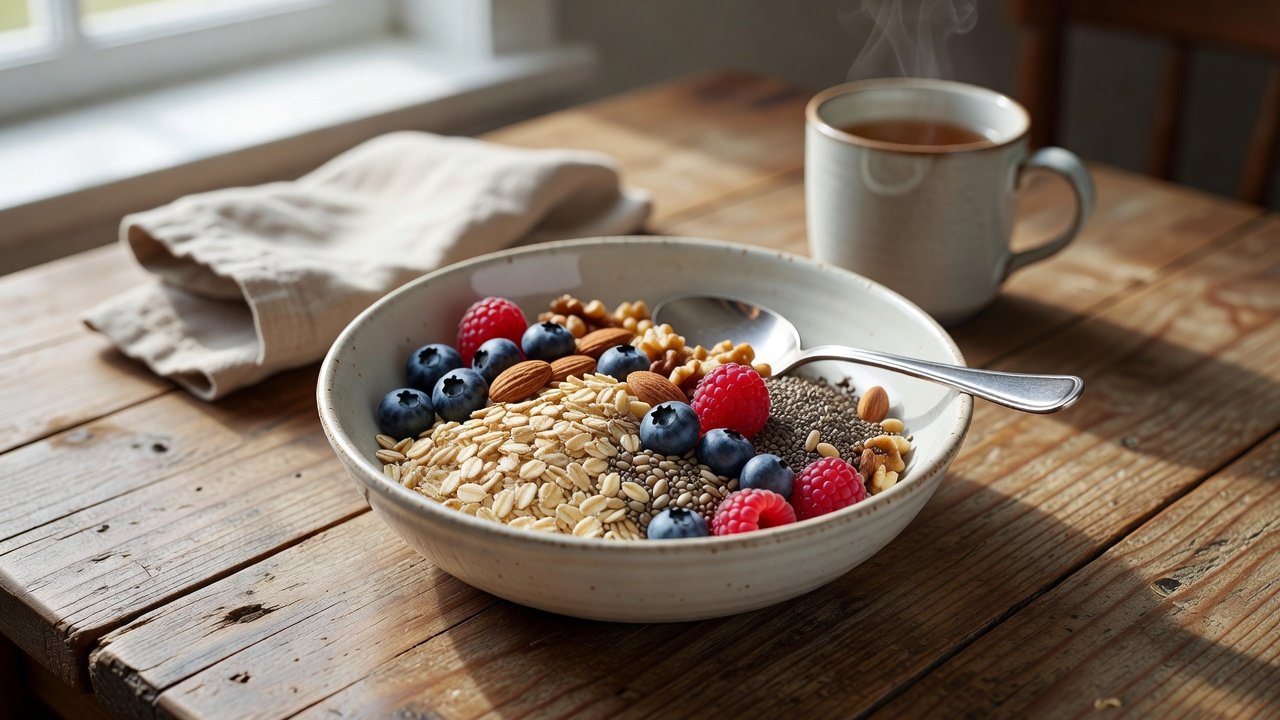
Start with no-cook options like overnight oats or simple salads. Free online resources from USDA offer beginner-friendly guidance.
How do I handle dietary restrictions on a budget?
Focus on naturally compliant whole foods such as beans, rice, and seasonal produce. Adjust recipes gradually using affordable substitutions.
Conclusion
Smart eating on a budget in 2026 relies on planning, seasonal awareness, and consistent habits. By selecting nutrient-dense staples, minimizing waste, and following structured meal plans, households achieve better nutrition without high costs. Begin with one weekly planning session and build from there for lasting improvements in both health and finances.
No comments yet. Be the first!