 Func Eats
Introduction to Evidence-Based Smart Eating in 2026
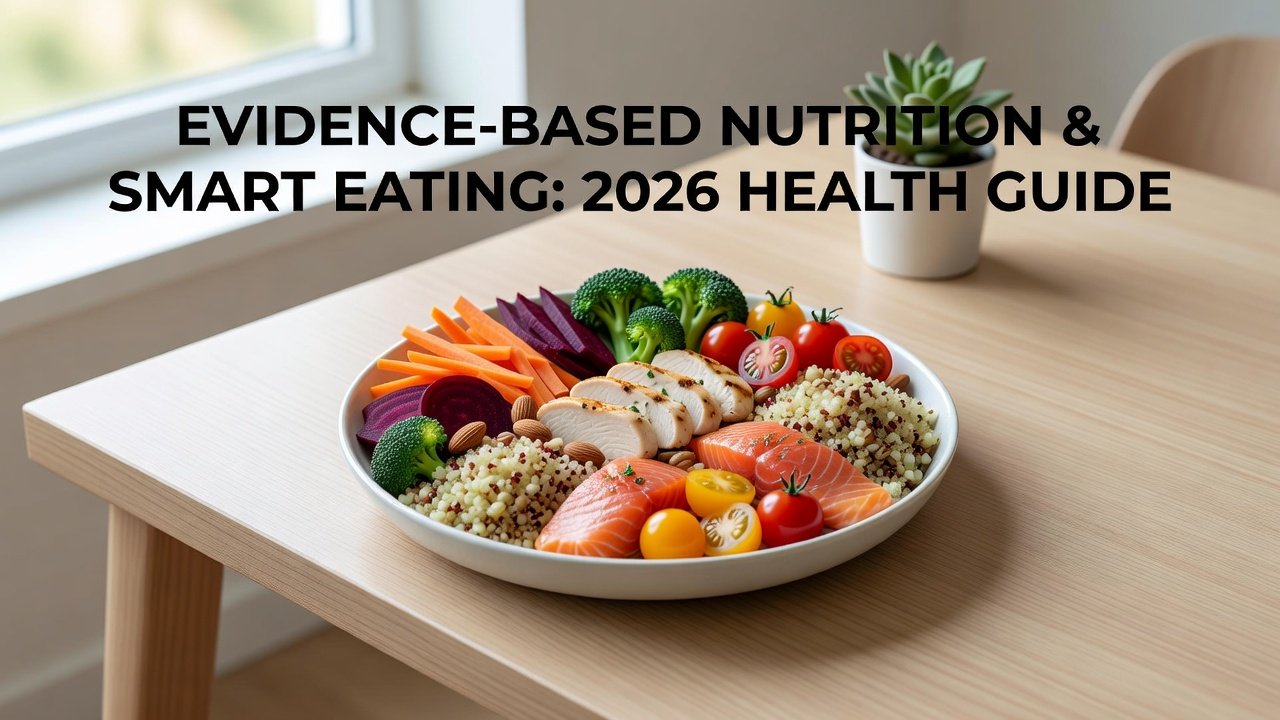
In an era flooded with conflicting diet advice from social media influencers and outdated websites, separating nutrition myths from facts is essential for achieving sustainable health outcomes. This comprehensive guide examines prevalent misconceptions around smart eating using the latest research available in 2026, helping readers cut through online noise with actionable, science-backed strategies that promote long-term wellness rather than short-term fixes. Understanding these principles allows individuals to make informed decisions that align with their unique lifestyles and health goals.
Common Myths Debunked with Scientific Evidence
Myth 1: Carbs Are the Enemy of Weight Management
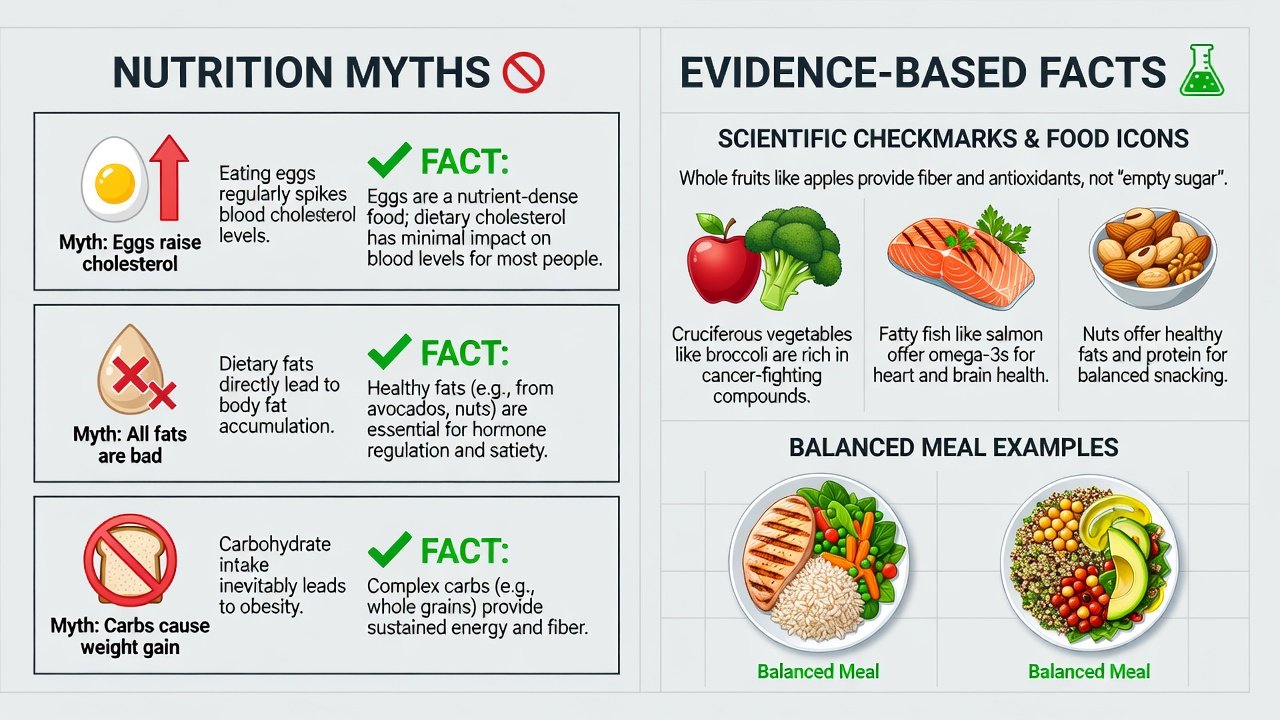
Many still believe eliminating carbohydrates leads to optimal health and rapid weight loss. In reality, whole grains and complex carbs provide essential energy and fiber that support digestion and stable blood sugar levels. Studies from major health organizations confirm that balanced carb intake supports metabolic function when paired with protein and vegetables, preventing the energy crashes associated with very low-carb approaches. For example, incorporating oats or quinoa into breakfast can enhance satiety without derailing progress.
Myth 2: All Fats Should Be Avoided
Outdated low-fat diets have given way to a nuanced understanding of healthy fats like those found in avocados, nuts, and olive oil. Evidence shows these support brain health, hormone balance, and reduced inflammation, contrasting sharply with processed trans fats that harm cardiovascular systems over time. Modern research emphasizes quality over quantity, encouraging moderate inclusion of sources such as fatty fish for omega-3 benefits.
Myth 3: Supplements Can Replace Whole Foods
While convenient for filling occasional gaps, supplements do not replicate the synergistic benefits of real foods containing fiber, antioxidants, and phytonutrients working together. World Health Organization guidelines emphasize dietary patterns over isolated nutrients for long-term wellness, noting that whole foods provide broader protective effects against chronic conditions.
Myth 4: Eating After 8 PM Causes Weight Gain
Timing matters less than total daily intake and food quality. Modern research highlights circadian rhythms but debunks strict cutoffs, favoring consistent meal patterns instead. Individuals who shift calories to later hours while maintaining overall balance often see no adverse effects, provided the foods chosen remain nutrient-dense.
Myth 5: Detox Diets Cleanse the Body Effectively
The liver and kidneys handle detoxification naturally when supported properly. Evidence-based approaches focus on hydration, adequate sleep, and nutrient-dense meals rather than restrictive cleanses that can lead to nutrient deficiencies and rebound weight gain. Real detoxification occurs daily through balanced eating habits.
Myth 6: Protein Shakes Are Superior to Food Sources
Whole proteins from eggs, fish, and legumes offer additional micronutrients and fiber absent in many powders. Comparisons reveal whole-food advantages for satiety, better absorption rates, and sustained energy, making them preferable for most daily needs unless convenience dictates otherwise.
Myth 7: Low-Calorie Diets Are Always Best
Severe restriction often leads to metabolic slowdown and muscle loss. Updated 2026 perspectives promote nutrient density and mindful portions for sustainable results, encouraging focus on food quality to naturally regulate appetite without extreme deficits.
Myth 8: Superfoods Alone Guarantee Health
Single ingredients like kale or berries contribute valuable nutrients but do not override overall diet quality. Balanced variety remains key according to authoritative sources, as relying on any one food creates imbalances that undermine long-term health objectives.
Outdated Approaches Versus Modern Evidence-Based Methods
Traditional calorie-counting apps have evolved into holistic tracking of macros, micronutrients, and gut health markers. National Institutes of Health resources now stress personalized nutrition informed by genetics, lifestyle data, and continuous glucose monitoring for more precise outcomes. Outdated elimination diets are being replaced by inclusive patterns that emphasize variety and enjoyment.
2026 Research Highlights Shaping Nutrition Advice
Recent findings underscore the importance of gut microbiome diversity, with studies linking fiber-rich diets to improved mental health markers. Research also explores chrononutrition, showing how aligning meals with natural body clocks enhances metabolic efficiency without rigid rules. These insights move beyond one-size-fits-all models toward tailored recommendations that account for individual responses to different foods.
Practical Steps for Implementing Evidence-Based Nutrition
Adopting smarter habits requires deliberate planning. Begin by assessing current intake with a detailed food journal for one full week, noting portions, timing, and how foods make you feel. Next, incorporate half your plate as vegetables at each meal to boost fiber and micronutrient intake naturally. Choose whole grains over refined options at least 80 percent of the time for steady energy. Include sources of healthy fats daily while monitoring portions to avoid excess calories. Stay hydrated primarily with water, aiming for consistent intake throughout the day. Finally, consult registered dietitians for personalized plans when facing specific health conditions or performance goals. These steps build gradually to prevent overwhelm and foster lasting change.
Real-World Examples of Applying Correct Principles
A busy professional replaced sugary afternoon snacks with Greek yogurt topped with berries and a handful of almonds, reporting sustained energy and fewer cravings within two weeks. Another individual shifted from periodic juice cleanses to meals emphasizing whole grains, lean proteins, and colorful produce, improving digestion markers confirmed during routine medical checkups. A third example involves a family that introduced weekly meal prep sessions focused on balanced plates, resulting in reduced reliance on takeout and better weight management across all members.
Mistakes to Avoid When Updating Your Approach
Common pitfalls include over-restricting entire food groups without professional guidance, which can lead to deficiencies. Another error is chasing trending superfoods without considering overall calorie balance or variety. Ignoring individual tolerance, such as sensitivity to certain fibers, often causes digestive discomfort. Finally, neglecting sleep and stress management undermines even the best dietary intentions, as these factors heavily influence hunger hormones and food choices.
Frequently Asked Questions
How much protein do adults need daily?
General recommendations suggest approximately 0.8 grams per kilogram of body weight as a baseline, adjustable upward for higher activity levels or muscle-building goals based on recent guidelines from health authorities.
Are intermittent fasting protocols safe long-term?
Evidence supports short-term benefits for metabolic health in some populations, but individual responses vary widely; professional medical oversight is strongly advised before adopting extended fasting windows.
What role does sleep play in smart eating outcomes?
Adequate rest directly influences hunger hormones like ghrelin and leptin, improving decision-making around food choices and supporting consistent energy levels throughout the day.
Can evidence-based eating accommodate vegetarian or vegan preferences?
Absolutely, as plant-based sources of protein, healthy fats, and complex carbohydrates can fully meet nutritional needs when thoughtfully combined and supplemented where necessary, such as with vitamin B12.
Conclusion
Adopting evidence-based nutrition transforms conflicting advice into clear, empowering habits that deliver measurable improvements. By focusing on whole foods, balance, personalization, and avoidance of common pitfalls, individuals can achieve meaningful health enhancements in 2026 and sustain them for years ahead.

No comments yet. Be the first!