 Func Eats
Introduction to Custom Nutrition for Athletic Recovery
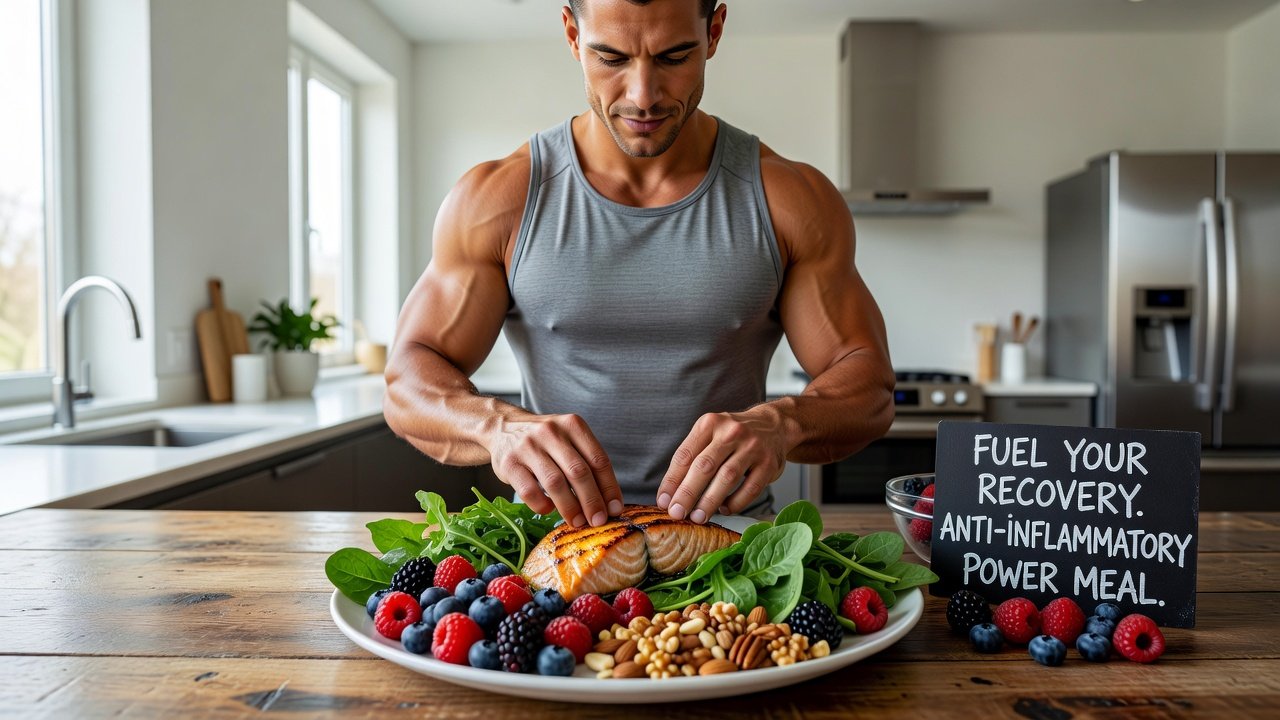
In 2026, athletes across all levels are embracing personalized nutrition strategies to speed up recovery from intense training and injuries while effectively controlling inflammation. Custom nutrition plans move far beyond one-size-fits-all recommendations by carefully matching macronutrients, micronutrients, and precise meal timing to an individual’s sport, body composition, training load, and specific recovery objectives. This targeted method draws on emerging research showing how deliberate food choices can shorten downtime, lower chronic inflammation markers, and support sustained high performance over entire competitive seasons.
Goal-based eating forms the core of these plans. Rather than focusing solely on calorie counts, athletes prioritize foods that actively reduce inflammation and promote tissue repair. Organizations such as the National Institutes of Health continue to publish findings linking dietary patterns rich in omega-3s and antioxidants with faster return-to-play timelines for both professional and recreational athletes.
The Science Behind Anti-Inflammatory Targeted Diets
Anti-inflammatory eating works primarily by down-regulating pro-inflammatory cytokines and reducing oxidative stress created during high-volume training. Key pathways include lowering interleukin-6 (IL-6) and C-reactive protein (CRP) levels through consistent intake of omega-3 fatty acids, polyphenols, and specific micronutrients. Clinical observations indicate that athletes following structured anti-inflammatory protocols often experience 25-35% less delayed-onset muscle soreness after intense sessions.
Modern approaches blend elements of the Mediterranean, Nordic, and DASH dietary patterns but modify them for higher protein and carbohydrate demands typical in sports. Emphasizing fatty fish, colorful vegetables, nuts, seeds, and fermented foods helps neutralize free radicals generated during repeated bouts of exercise. Long-term adherence also supports joint health and may reduce injury recurrence rates.
Key Nutrients: Omega-3s, Antioxidants, and Supporting Compounds
Omega-3 fatty acids, particularly EPA and DHA found in salmon, mackerel, and algae oil, play a central role in cell-membrane repair and resolution of joint swelling. Most athletes aim for 2–3 grams of combined EPA/DHA daily, obtained through whole foods or quality supplements when dietary intake falls short. Antioxidants such as vitamins C and E, along with flavonoids from berries, tart cherries, and dark leafy greens, counteract exercise-induced oxidative damage that can otherwise delay recovery.
Additional supportive nutrients include curcumin from turmeric, which inhibits COX-2 enzymes similar to some anti-inflammatory medications, and magnesium, which aids muscle relaxation and sleep quality. Blood testing every 8–12 weeks allows athletes to adjust intake precisely rather than guessing. Pairing these nutrients with adequate protein (1.6–2.2 g per kg body weight) ensures amino acids are available for muscle-protein synthesis during the critical post-exercise window.
Building Custom Nutrition Plans Tailored to Sport-Specific Demands
Creating an effective plan begins with a thorough assessment of sport demands. Power athletes require elevated protein and slightly higher overall calories for tissue repair, while endurance athletes need strategic carbohydrate timing to restore glycogen without triggering excessive inflammation. Calculate baseline energy needs using resting metabolic rate plus training expenditure, then add 10–15% more calories during heavy recovery phases.
The customization process typically follows four clear steps: first, complete a seven-day food and symptom log; second, identify and reduce common inflammatory triggers such as added sugars and trans fats; third, introduce five to seven servings of anti-inflammatory foods daily; and fourth, schedule follow-up testing and performance reviews every four weeks. Sport-specific tweaks might include extra tart cherry juice for runners or increased collagen-rich bone broth for contact-sport athletes.
Sample Meal Frameworks and Practical Examples
Breakfast options include Greek yogurt parfaits layered with blueberries, chia seeds, and walnuts, or overnight oats made with almond milk, flaxseeds, and sliced strawberries. Mid-morning snacks can feature a smoothie blending spinach, pineapple, ginger, and hemp protein. Lunch ideas center on large salads topped with grilled salmon, avocado, olive oil, and colorful vegetables. Post-training meals often combine lean protein with complex carbohydrates, such as quinoa bowls with turkey, roasted beets, and kale. Dinner examples feature turmeric-spiced chicken or tofu with steamed broccoli and sweet potatoes drizzled in olive oil. Evening recovery snacks might include cottage cheese with tart cherries or a small handful of almonds paired with herbal tea.
Nutrient Timing Strategies for Maximum Recovery
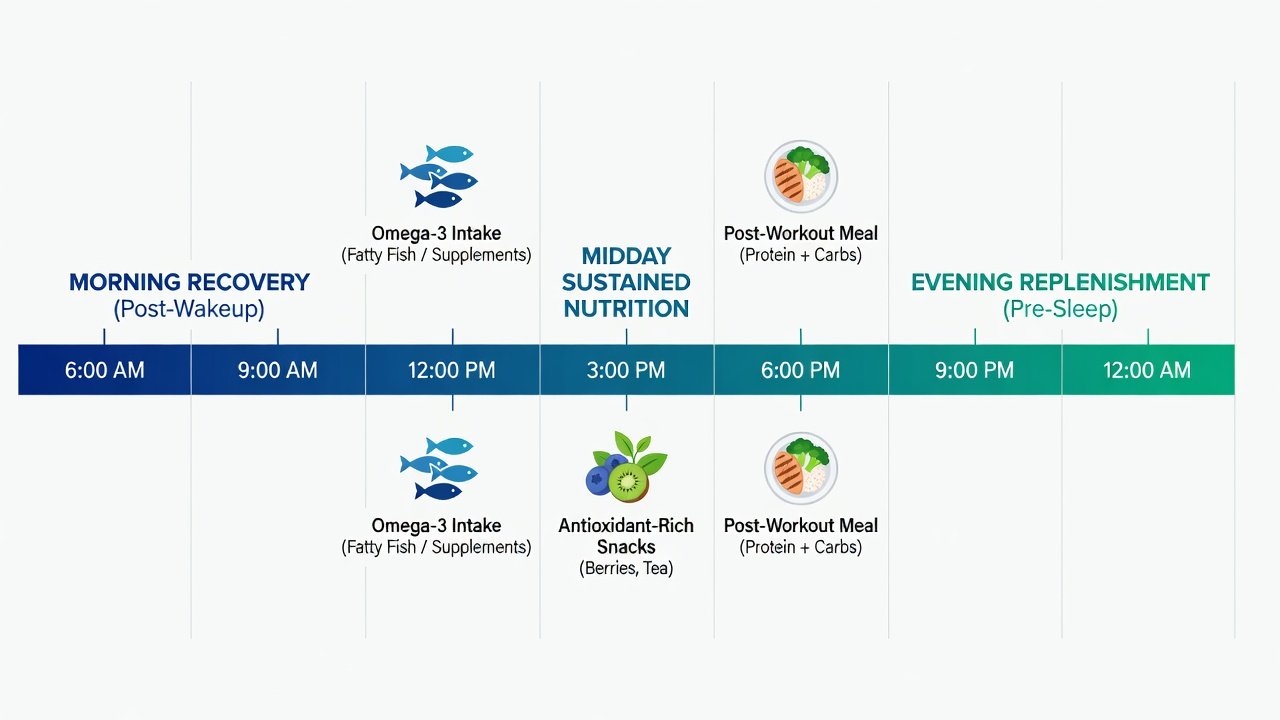
Strategic timing amplifies the benefits of the right foods. Consuming an omega-3-rich meal or shake within two hours after training optimizes absorption and initiates the resolution phase of inflammation. Carbohydrate intake should occur within 30–60 minutes post-exercise when muscle glycogen resynthesis rates peak. Evening meals containing casein protein support overnight muscle repair while magnesium-rich foods improve sleep architecture. Athletes training twice daily benefit from a small anti-inflammatory snack between sessions to maintain steady nutrient delivery.
Comparisons of Popular Recovery Diets
The Mediterranean diet offers excellent sustainability and cardiovascular support but often needs additional lean protein for strength athletes. The paleo approach eliminates many processed foods yet restricts certain whole grains that can aid recovery. The Nordic diet delivers robust anti-inflammatory benefits through fatty fish and berries but may prove expensive outside coastal regions. Hybrid models that combine the best elements of each—such as Mediterranean plus targeted paleo swaps—frequently produce the highest adherence and best objective recovery markers.
Real-World Case Examples
A professional cyclist reduced average recovery time between stage races from five days to three by adding daily 3 g EPA/DHA and 8 oz tart cherry juice. A collegiate soccer player with recurring Achilles tendonitis incorporated antioxidant-dense smoothies twice daily and saw CRP levels drop 40% within four weeks, allowing full return to play. A masters triathlete managing knee osteoarthritis increased magnesium-rich foods and collagen peptides while tracking sleep; within six weeks, morning stiffness decreased noticeably and training volume could be maintained without flare-ups.
Step-by-Step Customization Tips and Progress Tracking Methods
Begin by consulting a registered sports dietitian for baseline bloodwork and body-composition analysis. Use tracking apps such as Cronometer to monitor daily inflammatory index scores alongside macronutrients. Keep a simple recovery journal logging soreness (1–10 scale), energy, and sleep quality. Reassess every four weeks and adjust calories or food choices based on objective data. For athletes with dietary restrictions, reliable swaps include algae oil for fish, hemp seeds for nuts, and coconut yogurt for dairy. Progress is best measured through a combination of performance metrics, blood markers, and subjective well-being rather than weight alone.
FAQ: Addressing Common Challenges During Recovery
How do I manage dietary restrictions while maintaining anti-inflammatory benefits? Focus on safe equivalents such as algae-based omega-3 supplements instead of fish, or seed-based butters when avoiding nuts. Always verify labels for hidden inflammatory additives.
What should I do if progress stalls after initial improvements? Re-evaluate total calorie and protein intake first, then consider increasing polyphenol sources like green tea or pomegranate. Adding a short deload week often helps the body respond better to nutrition.
Are supplements required, or can whole foods suffice? Whole foods remain the foundation, yet targeted supplements can close gaps when travel, allergies, or seasonal availability limit food options. Blood testing guides precise dosing.
How long until most athletes notice measurable changes? Consistent adherence typically yields noticeable reductions in soreness and improved energy within 10–14 days, with more significant biomarker shifts appearing after four to six weeks.
Conclusion
Custom nutrition plans in 2026 give athletes powerful, evidence-based tools to control inflammation and accelerate recovery. By focusing on key nutrients, precise timing, sport-specific adjustments, and ongoing monitoring, individuals can reduce downtime and sustain peak performance. Start with small, consistent changes, track results diligently, and refine the plan every few weeks. Authoritative resources such as NIH, Mayo Clinic, and CDC provide additional research-backed guidance for building and maintaining these plans successfully.
No comments yet. Be the first!