 Func Eats
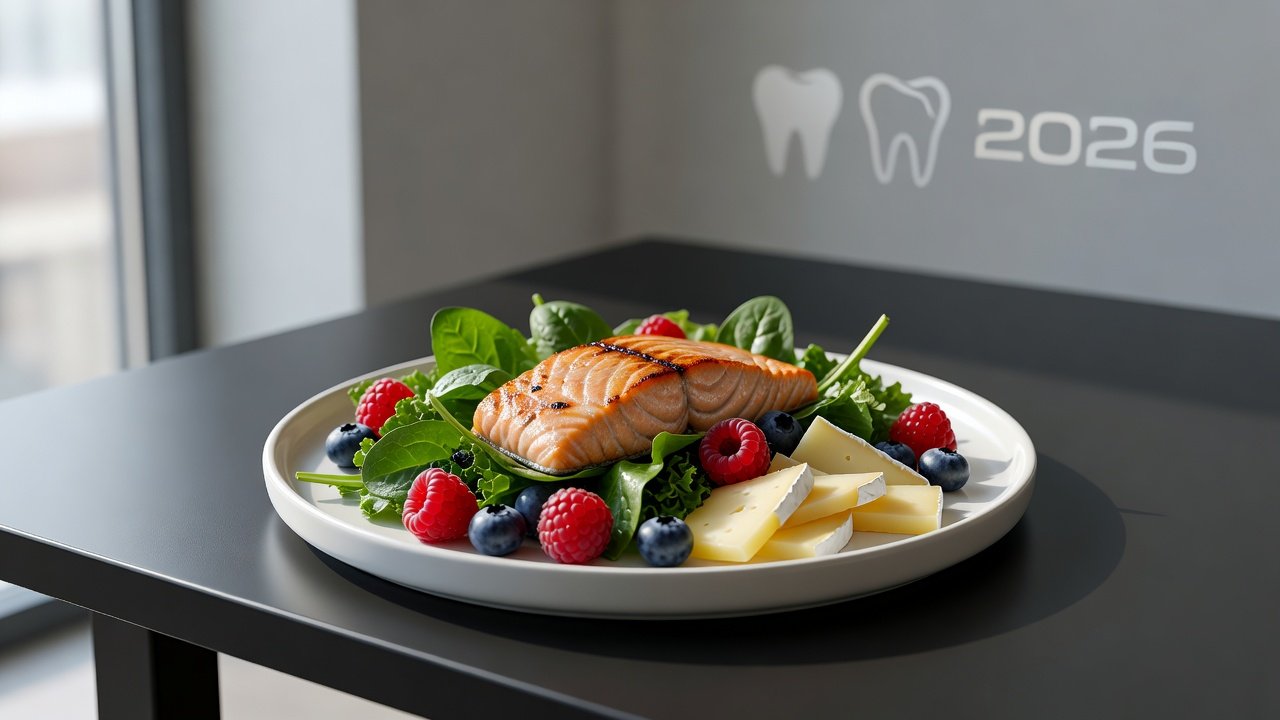
Introduction to Goal-Based Eating for Dental Wellness
In 2026, goal-based eating plans are transforming how people approach oral health optimization. Rather than following generic diets, these targeted strategies focus on supporting the oral microbiome, strengthening enamel, and reducing inflammation through precise nutrient choices. This approach moves beyond basic brushing and flossing by addressing nutrition at the root level. The oral microbiome consists of trillions of bacteria that influence everything from breath freshness to gum integrity. Disruptions in this delicate balance can lead to cavities, gingivitis, and more serious periodontal conditions. By customizing intake around key goals like microbiome balance and enamel remineralization, individuals achieve measurable improvements in dental outcomes. Modern research underscores that dietary patterns directly modulate bacterial populations in the mouth, offering a proactive layer of protection that complements traditional hygiene routines.
Many adults overlook the connection between daily meals and long-term tooth health until problems arise. Goal-based plans fill this gap by providing clear frameworks tailored to specific concerns such as enamel erosion or chronic inflammation. These plans draw from emerging nutritional science and emphasize whole-food sources that deliver synergistic benefits. Users report not only better dental checkups but also improved energy and digestion as secondary advantages.
Key Nutrients for Oral Health Optimization
Several standout nutrients form the foundation of these 2026 plans. Vitamin K2 plays a critical role in directing calcium to bones and teeth rather than soft tissues, helping prevent arterial calcification while supporting strong enamel. Coenzyme Q10 supports cellular energy in gum tissues and helps combat oxidative stress that contributes to tissue breakdown. Polyphenol-rich foods, such as berries and green tea, provide antioxidant power that fights harmful bacteria in the mouth and promotes a healthy microbial environment.
Additional supportive elements include vitamin D for calcium absorption, magnesium for overall mineral balance, and omega-3 fatty acids for inflammation control. Together, these create a synergistic effect that promotes long-term oral resilience. For example, combining vitamin K2 with vitamin D amplifies calcium utilization, while polyphenols work alongside omega-3s to lower inflammatory markers in gum tissue. Individuals following these focused nutrient protocols often experience reduced bleeding during flossing within weeks. Sources range from fermented dairy for K2 to fatty fish for CoQ10 and colorful produce for polyphenols. Understanding these connections allows for more intentional meal construction that addresses multiple oral health goals simultaneously.
Step-by-Step Guide to Building Custom Nutrition Plans
Creating a personalized plan starts with assessing current habits and dental history. Follow these steps for success:
- Evaluate baseline oral health with a dental professional and note any inflammation or sensitivity issues.
- Identify primary goals, such as cavity prevention or microbiome support, and rank them by urgency.
- Select core nutrients and map them to daily food sources that fit your lifestyle and preferences.
- Build weekly meal frameworks that incorporate variety and practicality while avoiding nutrient gaps.
- Track progress through symptoms, energy levels, and follow-up dental visits every three months.
- Adjust based on results, adding or reducing specific foods as needed and monitoring tolerance.
This methodical process ensures the plan remains sustainable and effective over time. Many people begin with a simple food journal to identify patterns before making changes. Consulting a registered dietitian familiar with oral health can further refine the approach and prevent common pitfalls like over-restricting food groups.
Sample Meal Ideas for Oral Health Goals
Here are practical examples tailored to common objectives. A breakfast focused on enamel support might include eggs cooked with spinach and cheese, paired with a side of fermented kefir and a handful of almonds. For lunch, consider a salad of leafy greens, salmon, avocado, and olive oil dressing to deliver healthy fats and anti-inflammatory compounds. Dinner ideas include grilled chicken with broccoli, quinoa, and a polyphenol-packed berry dessert. Snacks such as carrots with hummus, green tea, or yogurt topped with seeds provide steady support between meals. These combinations emphasize whole foods while targeting multiple nutrients simultaneously.
For those seeking variety, a Mediterranean-inspired day could feature Greek yogurt with berries at breakfast, lentil soup with olive oil at lunch, and baked mackerel with roasted vegetables at dinner. Each meal is designed to maintain stable blood sugar levels, which indirectly benefits the oral environment by limiting acid-producing bacteria. Over a week, rotating these options prevents boredom and ensures broad nutrient coverage.
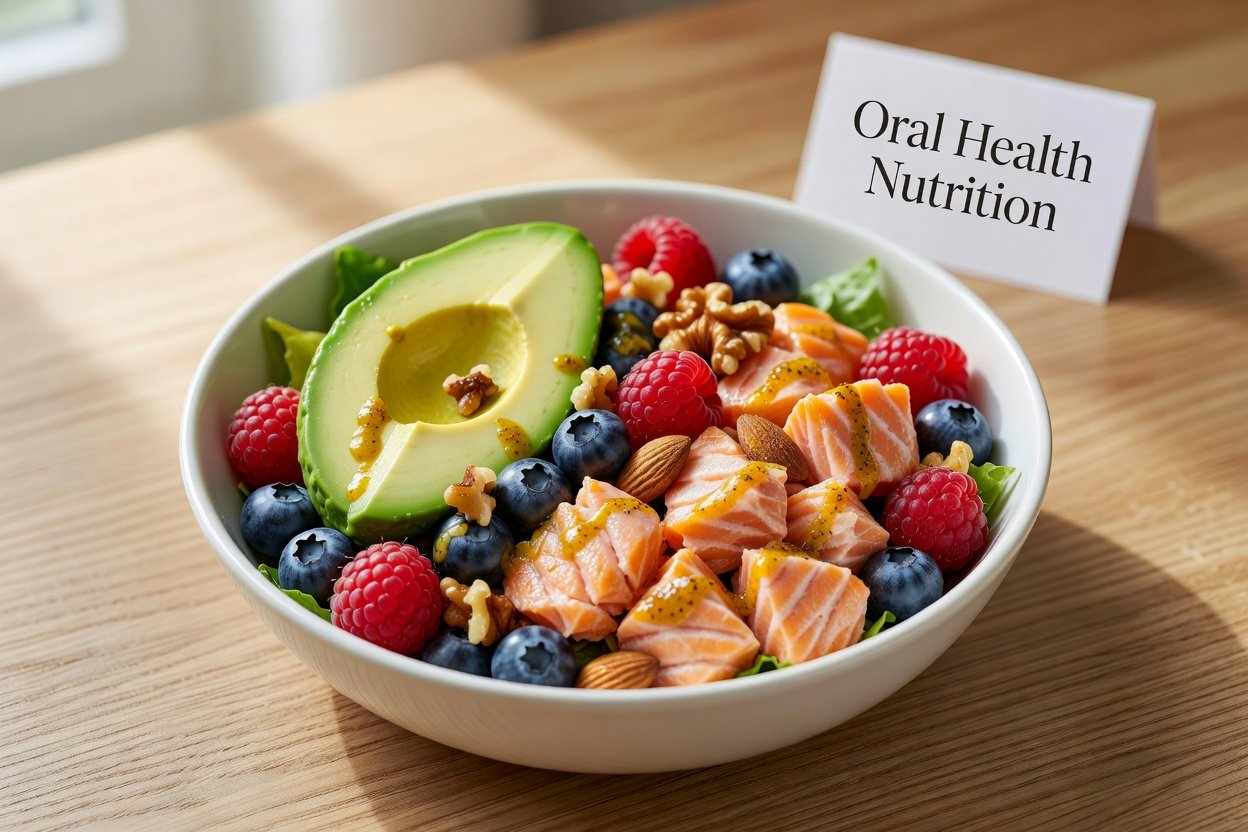
General Eating Patterns vs. Goal-Based Strategies
Standard diets like the Mediterranean or plant-based approaches offer broad benefits but often lack specificity for oral concerns. Goal-based strategies refine these by prioritizing certain foods at optimal times and quantities. For instance, while a general anti-inflammatory diet reduces overall swelling, a targeted plan times polyphenol intake around meals to directly disrupt oral bacteria. Comparisons show that goal-oriented eaters experience faster reductions in plaque indices and pocket depths during periodontal evaluations. The result is faster, more visible improvements in gum health and reduced cavity risk compared to non-specialized eating patterns. Real differentiation appears in how goal-based plans incorporate timing, such as consuming vitamin K2-rich foods with fat-containing meals to enhance absorption.
Practical Tips for Preventing Cavities and Gum Issues
Integrate these habits for maximum impact: chew xylitol gum after meals to neutralize acids, stay hydrated to maintain saliva production, and limit frequency of sugary or acidic snacks. Choose crunchy vegetables that naturally clean teeth surfaces while delivering essential vitamins. Additional strategies include rinsing with water after coffee or wine, incorporating fermented foods daily for microbiome diversity, and avoiding constant grazing that keeps oral pH low. Consistency matters more than perfection. Small daily choices compound into significant protection against periodontal disease and decay. Tracking these behaviors in a simple app helps maintain adherence during busy periods.
Real-World Case Examples
One individual with recurring gum inflammation shifted to a plan emphasizing K2-rich foods and CoQ10 sources. Within three months, dental checkups showed reduced pocket depths and less bleeding. Another case involved a family incorporating polyphenol smoothies daily, resulting in fewer cavities among children during annual visits. A third example featured a professional athlete who added targeted omega-3 and magnesium intake, reporting quicker recovery from minor gum irritation after intense training sessions. These examples highlight how personalized nutrition delivers tangible, lasting results when combined with standard oral hygiene.
Conclusion
Goal-based eating plans represent a forward-thinking method for optimizing oral health in 2026. By focusing on specific nutrients, structured planning, and practical daily habits, individuals can achieve stronger enamel, balanced microbiomes, and reduced inflammation. The strategies outlined here provide a clear pathway from assessment to implementation, supported by real-world outcomes and expert-aligned principles. Start small, stay consistent, and partner with dental professionals for the best long-term success. National Institutes of Health resources and Centers for Disease Control and Prevention guidelines further reinforce the value of nutrition in comprehensive oral care.
FAQ
How long does it take to see results from goal-based eating plans?
Most people notice improvements in gum comfort within four to six weeks, with enamel and microbiome changes becoming evident after three months of consistent application.
Can these plans replace regular dental visits?
No. Nutrition strategies complement professional care but do not substitute for cleanings and examinations. World Health Organization guidelines emphasize integrated approaches to oral health.
Are supplements necessary or can food sources suffice?
Whole foods provide the best synergy, though targeted supplements may help fill gaps under professional guidance. Focus first on dietary patterns for sustainable benefits.
What if I have dietary restrictions?
Plans can be adapted for vegetarian, vegan, or allergy-friendly needs by swapping equivalent nutrient-dense alternatives while maintaining core goals.
How do I handle social eating situations?
Plan ahead by choosing restaurants with suitable options or bringing nutrient-focused dishes to gatherings. Focus on overall weekly patterns rather than single meals to maintain progress without stress.

No comments yet. Be the first!