 Func Eats
Introduction to Plant-Based Nutrition for Endurance Athletes in 2026
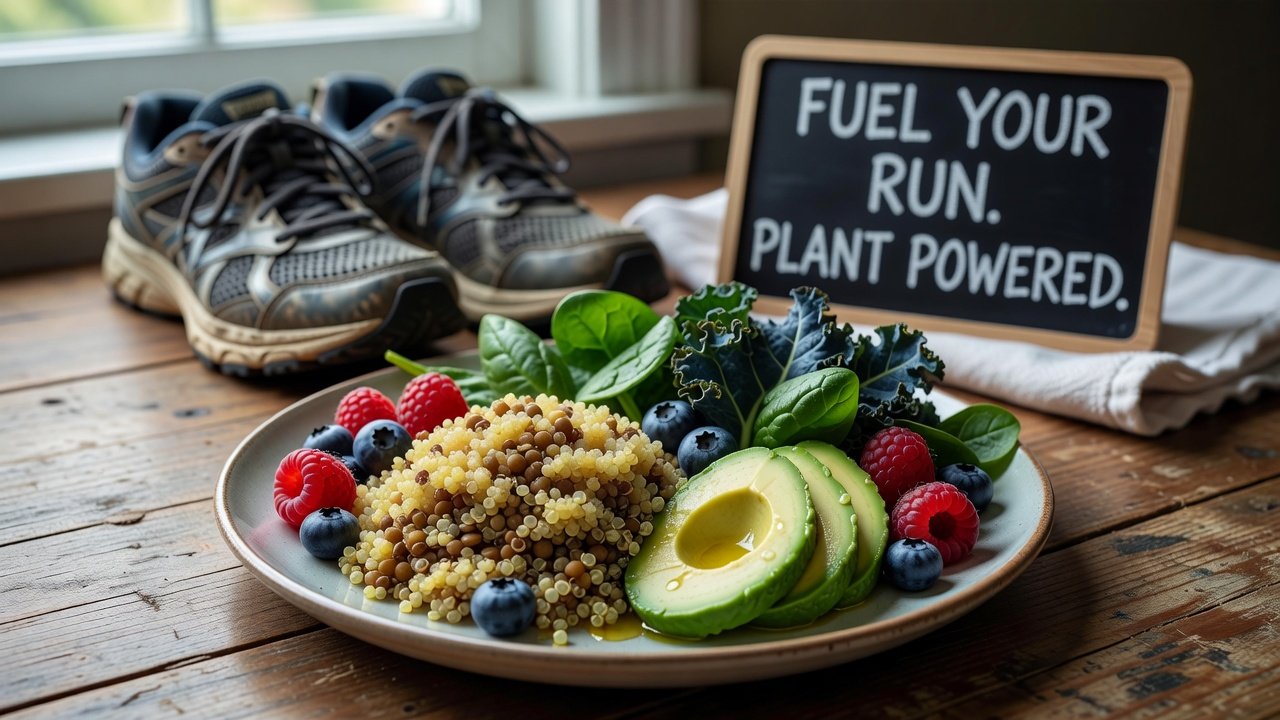
Endurance athletes training for marathons, triathlons, ultra-marathons, or Ironman events require precise fueling strategies to sustain long efforts and promote efficient recovery. In 2026, plant-based custom nutrition plans have emerged as a leading approach for those avoiding animal products while pursuing peak performance. These specialized plans focus on goal-based eating that delivers sustained energy through optimized macronutrient distribution, faster recovery via targeted protein intake, and injury prevention through consistent micronutrient support. Athletes worldwide are turning to vegan and vegetarian frameworks because they align with ethical values, reduce inflammation, and provide ample fiber for digestive health during high-volume training blocks.
Modern plant-based strategies emphasize timing macronutrients around workouts and tracking micronutrients to avoid the fatigue that often derails training cycles. Whether an athlete follows a strict whole-food plant-based diet or incorporates targeted supplements, success depends on personalization. Research from leading health organizations highlights that well-planned plant-based diets can fully support the demands of long-distance training without animal products, provided athletes pay close attention to key nutrients like leucine, complex carbohydrates, iron, B12, vitamin D, and omega-3 fatty acids.
Leucine-Rich Vegan Protein Sources for Muscle Recovery
Leucine is the branched-chain amino acid most responsible for triggering muscle protein synthesis after intense endurance sessions. Plant-based athletes must strategically combine foods to reach the recommended 2.5–3 grams of leucine per meal. Excellent sources include cooked lentils delivering approximately 1.8 grams per cup, hemp seeds at 0.9 grams per ounce, pea protein powder isolates, and soy-based options such as tempeh or edamame. Spirulina and pumpkin seeds also contribute meaningful amounts when added to smoothies or salads. Combining these throughout the day, for example pairing lentil soup with a hemp-seed-topped quinoa bowl, ensures consistent muscle repair even during back-to-back training days. Athletes who spread leucine intake across four to five meals report improved recovery times and reduced muscle soreness compared to those who consume protein in only two large sittings.
Carb Timing Strategies for Sustained Energy During Long-Distance Training
Effective carbohydrate timing prevents the dreaded bonk and maintains steady glycogen stores. For efforts lasting longer than 90 minutes, athletes should target 60–90 grams of carbohydrates per hour using easily digestible sources such as dates, bananas, rice cakes, and sports gels derived from plant starches. Pre-workout meals two to three hours before a session should emphasize complex carbs like oats or sweet potatoes paired with moderate protein. Immediately post-workout, quick-absorbing options such as fruit smoothies or white rice with maple syrup replenish glycogen within the critical 30-minute window. During multi-hour rides or runs, athletes often rotate between solid foods and liquid nutrition to avoid gastrointestinal distress. Custom plans adjust these ratios based on body weight, with heavier athletes sometimes requiring closer to 120 grams per hour on race day.
Micronutrient Tracking for Sustained Energy and Deficiency Prevention
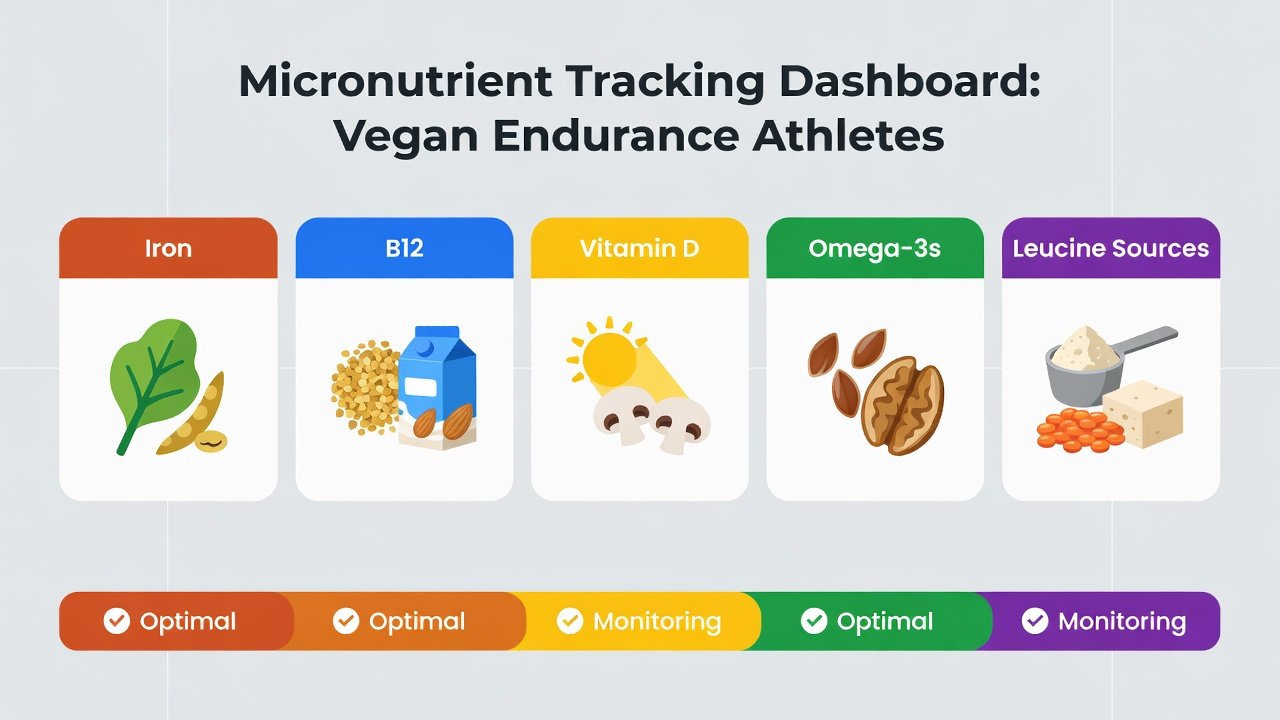
Consistent micronutrient tracking protects against common shortfalls that sap endurance. Iron, vitamin B12, vitamin D, calcium, zinc, and omega-3s top the priority list. Athletes can meet iron needs through spinach, lentils, and fortified cereals while always pairing them with vitamin C sources such as bell peppers or citrus. B12 requires fortified plant milks or supplements because natural plant sources are unreliable. Vitamin D levels are best maintained through safe sun exposure or fortified foods, especially for athletes training indoors during winter months. Omega-3 intake improves with daily flaxseeds, chia seeds, and algae-based oils. Many athletes use smartphone apps to log meals and set reminders for bloodwork every three to six months. Early signs of deficiency include persistent fatigue, frequent illness, or slow recovery, prompting immediate dietary adjustments.
Comparing Whole-Food Plant-Based Versus Supplemented Approaches
Whole-food plant-based diets center on minimally processed ingredients including beans, whole grains, nuts, seeds, fruits, and vegetables. This approach delivers high nutrient density and supports long-term gut health but may require larger food volumes to reach calorie targets during peak training weeks. Supplemented approaches incorporate protein powders, fortified bars, and isolated nutrients for convenience and precise dosing, which proves valuable during travel or heavy training blocks. Many athletes adopt a hybrid model: whole foods for daily meals and strategic supplements around workouts. The choice ultimately depends on personal preferences, digestive tolerance, and lifestyle constraints, with both methods capable of supporting elite performance when executed thoughtfully.
Step-by-Step Customization Guide for Your Plant-Based Endurance Plan
- Begin by logging your current training load, weekly mileage, and performance goals for the next three months.
- Calculate baseline macros using 1.6–2.0 grams of protein per kilogram of body weight, 6–10 grams of carbohydrates per kilogram, and the remainder from healthy fats.
- Map carbohydrate intake to specific workout intensities, increasing portions on high-volume days.
- Build a micronutrient checklist and schedule regular blood panels to monitor levels.
- Test the full plan during shorter training sessions before implementing it on race day.
- Reassess every four weeks and adjust portions or food choices based on energy levels and recovery metrics.
Sample 7-Day Meal Plan for High-Volume Training
Day 1 focuses on recovery: overnight oats with hemp seeds and berries for breakfast, a lentil-quinoa bowl with avocado at lunch, and tempeh stir-fry with brown rice for dinner. Day 2 emphasizes long-run fueling with sweet potato hash, chickpea pasta salad, and a large salad topped with pumpkin seeds. Days 3 through 7 rotate similar balanced plates while incorporating seasonal vegetables, green smoothies, and post-workout recovery shakes. Each day targets roughly 3,000–4,000 calories depending on training volume, with snacks such as apple slices with almond butter or trail mix added as needed. Athletes can scale portions upward on peak mileage weeks while maintaining the leucine and carb timing principles outlined earlier.
Common Mistakes to Avoid When Building Custom Plans
Many athletes under-eat total calories, leading to stalled progress and hormonal disruptions. Others neglect to combine complementary proteins, resulting in suboptimal leucine delivery. Skipping post-workout nutrition or failing to track micronutrients consistently are additional pitfalls. Finally, introducing too many new foods at once can cause digestive issues during important training periods. Gradual implementation and careful monitoring help sidestep these problems.
FAQs on Avoiding Common Deficiencies in Plant-Based Endurance Diets
- How do I ensure adequate iron intake? Pair non-heme iron sources like spinach and lentils with vitamin C-rich foods at every meal.
- Is B12 supplementation necessary? Yes, most plant-based athletes rely on fortified foods or a daily supplement to maintain healthy levels.
- What are reliable omega-3 sources? Daily flaxseeds, chia seeds, and algae oil provide the essential fatty acids needed for recovery and cardiovascular health.
- How often should I get bloodwork? Every three to six months during heavy training seasons allows early detection and correction of any shortfalls.
Conclusion
Custom plant-based nutrition plans empower endurance athletes in 2026 to achieve new personal records sustainably while avoiding animal products. By prioritizing leucine-rich protein sources, strategic carbohydrate timing, and diligent micronutrient tracking, athletes build the resilience needed for long-distance training. Use the step-by-step guide and sample meal plan as starting points, then refine based on your body’s unique feedback. Additional authoritative information is available from World Health Organization nutrition guidelines, Mayo Clinic resources on plant-based diets, and Academy of Nutrition and Dietetics. Start implementing these principles today for stronger, healthier training seasons ahead.


No comments yet. Be the first!