 Func Eats

Introduction to Custom Nutrition for Surgical Recovery
Recovering from surgery requires more than rest and medication. Targeted nutrition plays a pivotal role in reducing inflammation, supporting tissue repair, and strengthening immunity. In 2026, personalized nutrition plans leverage advanced tracking apps and biomarker data to deliver measurable outcomes. This guide outlines science-backed approaches tailored to common procedures such as joint replacements, abdominal operations, cardiac surgeries, and orthopedic interventions. Patients who adopt structured nutrition protocols often experience reduced hospital stays and fewer post-operative complications according to recent clinical observations.
Anti-Inflammatory Food Choices
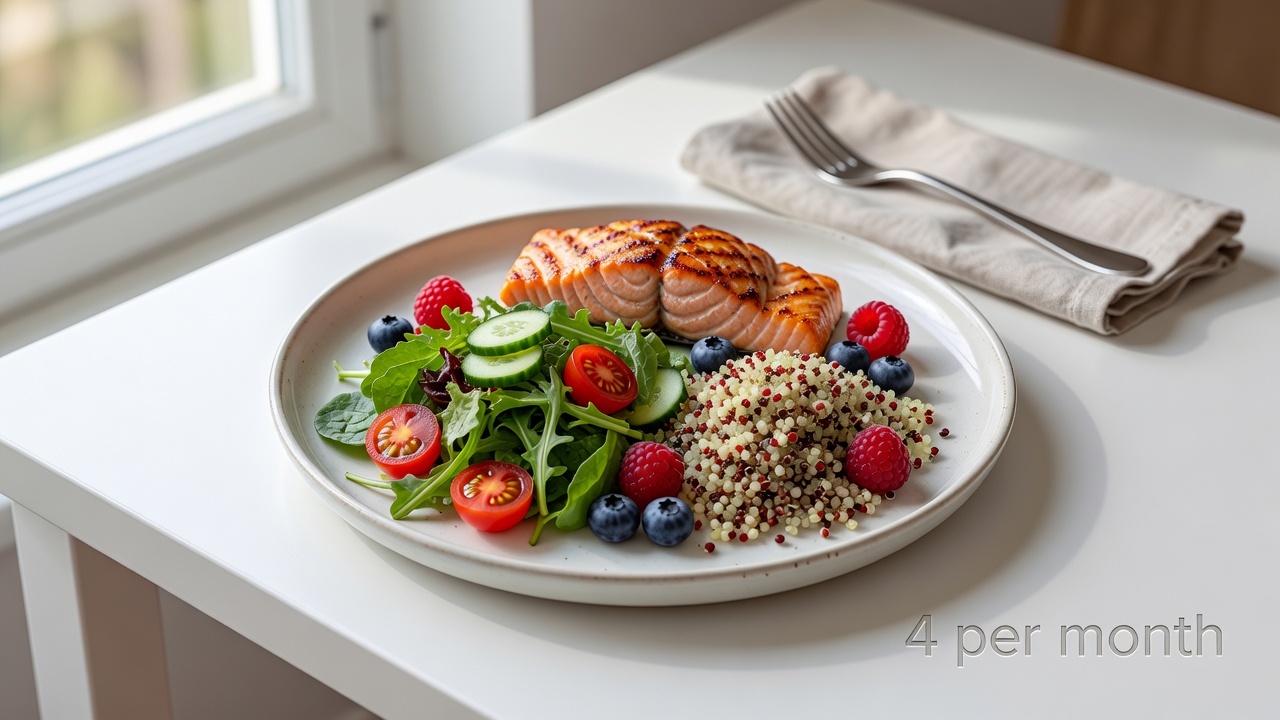
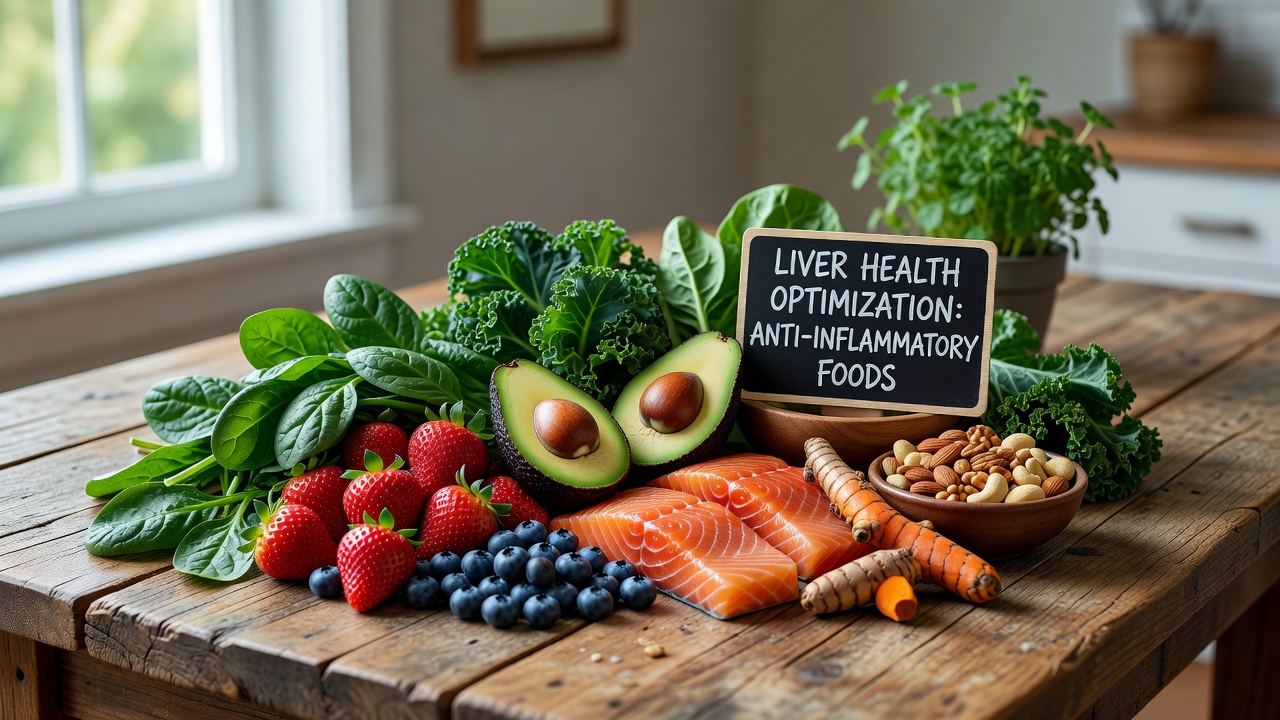
Chronic inflammation delays healing and increases discomfort. Focus on foods rich in omega-3 fatty acids, polyphenols, and antioxidants. Incorporate fatty fish such as salmon or mackerel three times weekly, along with daily servings of berries, turmeric, ginger, and leafy greens like spinach and kale. Limit processed sugars, refined carbohydrates, and trans fats that can exacerbate swelling. A sample daily anti-inflammatory breakfast might include oatmeal topped with blueberries, walnuts, and a sprinkle of cinnamon. For lunch, try a quinoa salad with avocado, cherry tomatoes, and olive oil dressing. These choices help modulate cytokine levels and promote faster resolution of surgical edema.
Protein Timing for Tissue Repair
Protein synthesis peaks within two hours after consumption, making timing critical for wound healing and muscle preservation. Aim to consume 20-30 grams of high-quality protein every three to four hours throughout the day. Options include eggs, Greek yogurt, cottage cheese, or plant-based blends combining pea and rice proteins. For evening recovery, a casein-rich snack like cottage cheese provides sustained amino acid release overnight. Patients recovering from orthopedic procedures benefit from this approach because it supports collagen formation and reduces muscle atrophy during periods of limited mobility.
Micronutrient Optimization for Immune Support
Vitamins A, C, D, E, and minerals such as zinc, selenium, and magnesium accelerate wound closure and bolster immune function. Pre-operative blood tests guide precise supplementation needs. Foods like sweet potatoes, citrus fruits, bell peppers, nuts, seeds, and fortified dairy provide natural sources. Mayo Clinic resources highlight that vitamin D deficiency is common after surgery and can prolong recovery if unaddressed. Patients should monitor levels and include sunlight exposure or fortified foods where appropriate.
Hydration Protocols
Proper hydration supports cellular function, nutrient transport, and waste removal. Aim for at least 3 liters of fluid daily, adjusted for body weight, surgical site, and activity level. Electrolyte-balanced beverages help prevent imbalances that may arise from medications or reduced appetite. Herbal teas, bone broth, and water infused with cucumber or lemon offer variety while maintaining fluid intake goals.
Step-by-Step Custom Nutrition Plan Examples
Plan for Knee Replacement Surgery
- Pre-op phase (one week before): Emphasize collagen-rich broths, vitamin C sources, and adequate protein to prepare tissues.
- Days 1-3 post-op: Focus on easily digestible options such as protein smoothies with whey isolate, banana, and spinach.
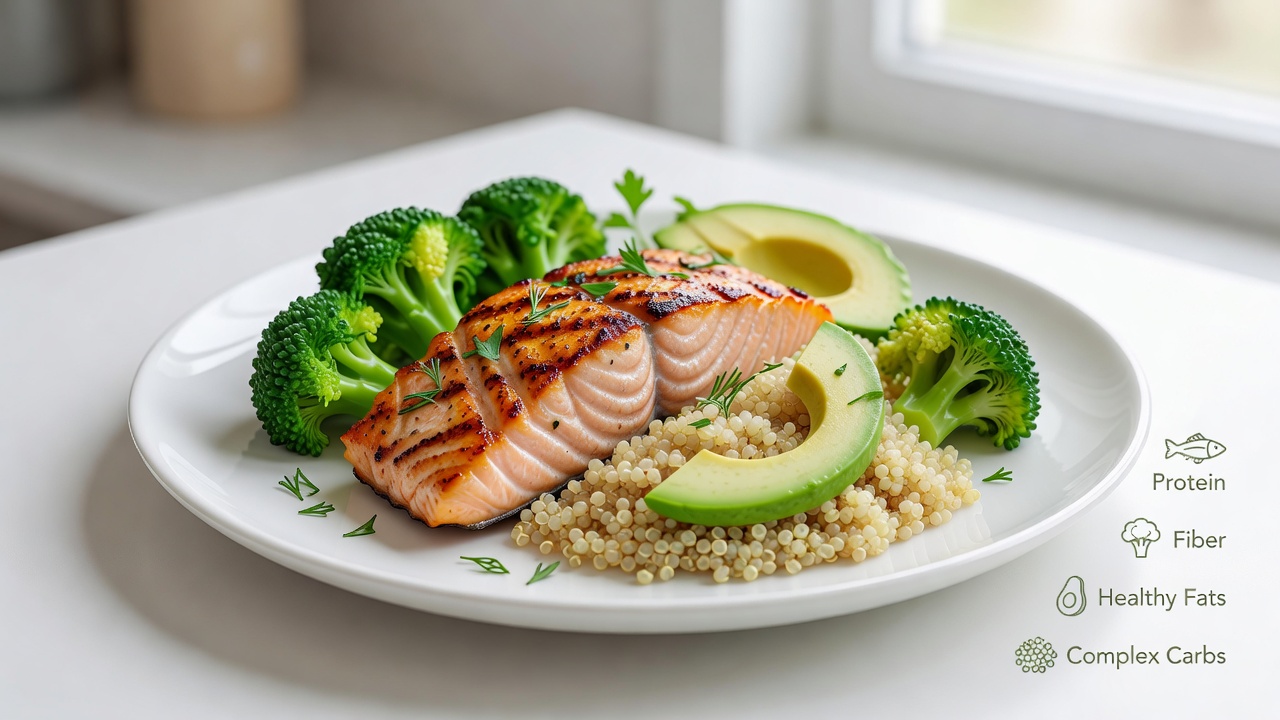
- Week 2 onward: Introduce solid anti-inflammatory meals including baked salmon with steamed vegetables and quinoa.
- Long-term: Maintain consistent protein timing while gradually increasing fiber to support overall gut health.
Plan for Abdominal Surgery
Begin with clear liquids and progress to soft foods. Prioritize zinc-rich pumpkin seeds and vitamin C fruits while introducing fiber slowly to minimize bloating. A typical dinner could feature baked chicken with mashed sweet potatoes and cooked carrots.
Plan for Cardiac Surgery
Emphasize heart-healthy omega-3s and potassium-rich foods like bananas and avocados. Track sodium intake carefully to support blood pressure management during recovery.
Plant-Based vs. Animal-Sourced Recovery Meals
Plant-based meals offer fiber, antioxidants, and anti-inflammatory compounds but may require strategic pairing for complete amino acid profiles. Examples include lentil stews with brown rice or tofu stir-fries with broccoli. Animal-sourced options such as grilled chicken, fish, or eggs deliver complete proteins with higher bioavailability, often accelerating muscle repair. Many patients combine both approaches for balanced nutrition. World Health Organization guidance supports flexible, individualized meal planning that meets protein and micronutrient targets regardless of dietary preference.
Integrating Personalized Tracking Tools
Modern 2026 apps connect with wearable devices to monitor daily protein intake, hydration, and inflammation markers through continuous glucose or heart rate variability data. Weekly reviews with a dietitian allow real-time adjustments. Patients input food logs and receive automated suggestions based on surgical type and progress metrics, leading to more consistent adherence and better outcomes.
Common Mistakes to Avoid
- Skipping meals due to reduced appetite, which can slow tissue repair.
- Over-relying on supplements without dietary foundations.
- Ignoring individual allergies or intolerances when following generic plans.
- Failing to adjust calorie needs as activity levels increase during rehabilitation.
Frequently Asked Questions
How soon after surgery can I start a custom nutrition plan?
Most patients begin within 24-48 hours under medical supervision, starting with clear liquids and advancing based on tolerance.
Are supplements necessary in addition to food?
Only when diet falls short of requirements; always consult your surgical team before adding vitamins or minerals.
Can vegetarians achieve comparable recovery speed?
Yes, with careful planning of complementary proteins, fortified foods, and targeted micronutrient sources.
What role does sleep play alongside nutrition?
Quality sleep enhances nutrient absorption and hormone regulation critical for healing; aim for seven to nine hours nightly.
How do I handle nausea that affects eating?
Opt for small, frequent meals, ginger tea, and bland proteins like eggs or yogurt until symptoms subside.
Conclusion
Custom nutrition plans in 2026 transform post-surgery recovery by combining targeted foods, precise timing, and digital tracking. Patients who follow these strategies report fewer complications and quicker return to daily activities. Consult a registered dietitian to personalize your approach and maximize healing potential. Evidence from sources such as National Institutes of Health continues to reinforce the value of individualized nutrition in surgical outcomes.
No comments yet. Be the first!