 Func Eats
Introduction to Targeted Nutrition for Migraines
Migraines affect millions worldwide, and emerging research in 2026 highlights how personalized diets can significantly lower attack frequency and intensity. This approach moves beyond generic advice to focus on goal-based eating that targets inflammation, hormonal balance, and nutrient deficiencies. Individuals seeking practical solutions often search for strategies that integrate seamlessly into daily routines rather than requiring drastic lifestyle overhauls.
By identifying personal triggers and incorporating anti-inflammatory nutrients, many people experience meaningful relief. These strategies draw from clinical insights and real-world applications for sustainable results. Evidence shows that consistent dietary adjustments can reduce migraine days by up to 50 percent in responsive individuals when combined with proper tracking and professional oversight.
Identifying Common Food Triggers
Food triggers vary widely but often include aged cheeses, processed meats, alcohol, and artificial sweeteners. Keeping a detailed food and symptom diary for at least four weeks helps pinpoint patterns. For example, a busy professional might notice headaches after consuming chocolate or red wine during evening meetings. Other frequent culprits encompass caffeine fluctuations, monosodium glutamate in restaurant foods, and certain fruits like citrus or bananas that contain tyramine.
Environmental factors such as dehydration or skipped meals can amplify these triggers. A systematic approach involves logging everything consumed along with stress levels and sleep quality. This data reveals connections that generic lists overlook, such as how a combination of red wine and aged cheese triggers symptoms more reliably than either alone.
Incorporating Anti-Inflammatory Nutrients
Key nutrients such as omega-3 fatty acids, magnesium, riboflavin, and coenzyme Q10 support brain health and reduce inflammation. Fatty fish, leafy greens, nuts, and seeds form the foundation of effective plans. Studies from National Institutes of Health underscore magnesium's role in nerve function and vascular stability.
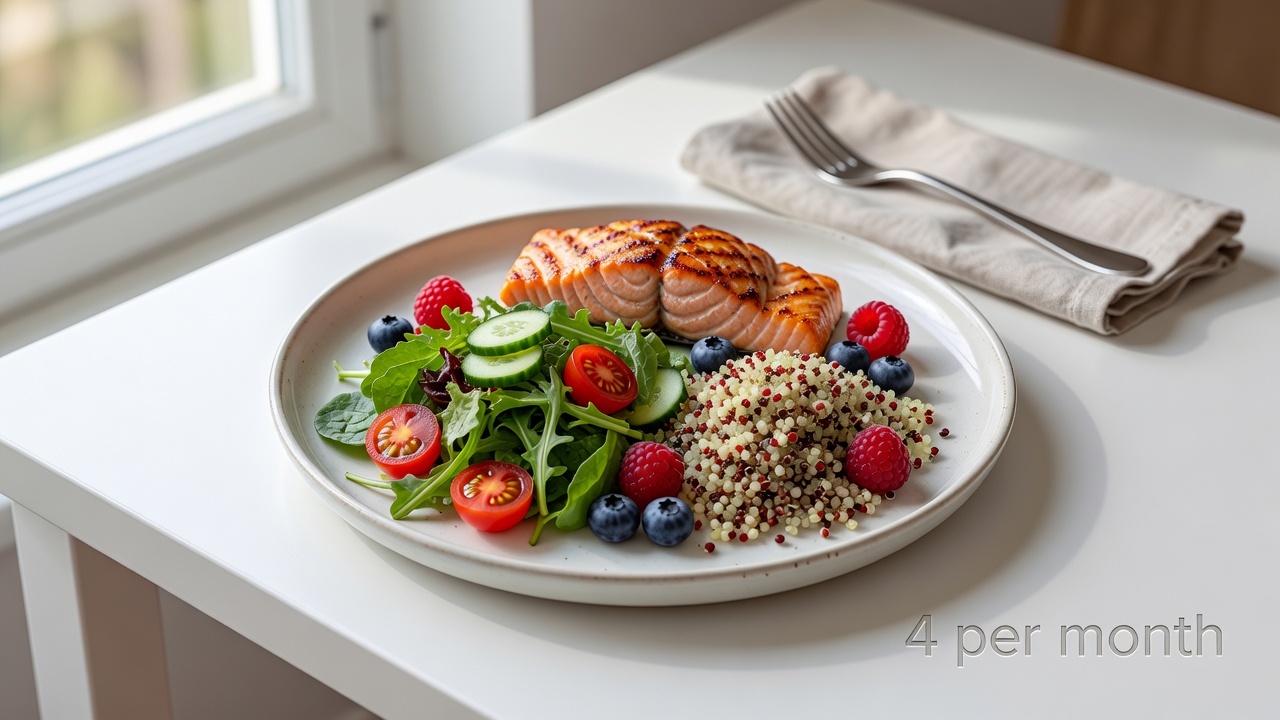
Daily targets include 400-500 mg of magnesium from food sources like spinach, almonds, and avocados, plus regular intake of berries rich in antioxidants. Riboflavin from eggs and dairy helps maintain energy metabolism in brain cells. A practical list of anti-inflammatory foods includes salmon, walnuts, turmeric, ginger, olive oil, and dark leafy vegetables. Incorporating these consistently supports long-term prevention by modulating inflammatory pathways and improving mitochondrial function.
Mediterranean Diet Versus Elimination Diets
The Mediterranean diet emphasizes whole foods, olive oil, vegetables, and fish, offering broad anti-inflammatory benefits with strong evidence for migraine reduction. It promotes steady blood sugar levels and provides abundant polyphenols that protect neural tissue. In contrast, elimination diets systematically remove potential triggers for 4-6 weeks before gradual reintroduction to identify sensitivities.
Comparisons show the Mediterranean style suits long-term adherence because of its variety and cultural flexibility, while elimination approaches work best for those with multiple sensitivities or unclear trigger profiles. A hybrid model often yields optimal outcomes for busy individuals who start with Mediterranean principles and layer targeted eliminations as needed. Research supports both, with the choice depending on individual response and lifestyle demands.
Sample Custom Nutrition Plans for Busy Professionals
For professionals with limited time, focus on batch-prepped meals featuring salmon salads, quinoa bowls with spinach, and magnesium-rich smoothies. These plans prioritize 20-minute prep times and portable options like nut mixes and Greek yogurt parfaits. One example involves starting the day with oatmeal topped by berries and almonds, followed by a lunch of grilled chicken and olive oil-dressed vegetables. Evening meals emphasize fatty fish twice weekly alongside roasted root vegetables.
Another professional adapted the plan by prepping overnight oats on Sundays and using office refrigerators for pre-portioned lunches. This approach minimized decision fatigue while ensuring consistent nutrient intake. Adjustments for shift workers might include higher-protein breakfasts to stabilize energy across irregular hours.

7-Day Meal Outline for Migraine Relief
Day 1: Breakfast - Spinach and berry smoothie with flax; Lunch - Quinoa salad with chickpeas and olive oil; Dinner - Baked salmon with broccoli and sweet potato.
Day 2: Breakfast - Avocado toast on whole grain with eggs; Lunch - Turkey wrap with mixed greens; Dinner - Lentil soup with carrots and celery.
Day 3: Breakfast - Greek yogurt with walnuts and blueberries; Lunch - Tuna salad on mixed greens; Dinner - Grilled chicken with zucchini and quinoa.
Day 4: Breakfast - Oatmeal with flaxseeds and banana; Lunch - Vegetable stir-fry with tofu; Dinner - Mackerel with asparagus and brown rice.
Day 5: Breakfast - Egg muffins with spinach and peppers; Lunch - Bean salad with cherry tomatoes; Dinner - Turkey meatballs with zucchini noodles.
Day 6: Breakfast - Smoothie bowl with spinach and berries; Lunch - Leftover dinner from previous day; Dinner - Baked cod with kale and quinoa.
Day 7: Breakfast - Whole grain pancakes with fresh fruit; Lunch - Hummus and veggie plate with whole-grain crackers; Dinner - Herb-roasted fish with large mixed salad.
This outline emphasizes variety to prevent boredom while maintaining focus on key nutrients. Users can scale portions based on activity level and swap similar ingredients to accommodate preferences.
Step-by-Step Implementation Tips
- Consult a healthcare provider before major changes to rule out underlying conditions.
- Start with a 2-week trigger elimination phase while maintaining a detailed journal.
- Track symptoms daily using a simple app or journal, noting severity on a 1-10 scale.
- Gradually add anti-inflammatory foods while monitoring responses over the following weeks.
- Adjust portions based on energy levels and schedule demands, ensuring adequate hydration.
- Re-evaluate every 30 days and consider consulting a registered dietitian for personalization.
Real-World Examples and Progress Tracking
A software engineer reduced migraines from 12 to 4 per month by adopting a Mediterranean-leaning plan and avoiding aged cheese. Another case involved a teacher who used elimination to discover onion sensitivity, leading to fewer attacks after removal. A third example features an accountant who combined the diet with daily magnesium-rich snacks and reported a 60 percent drop in severity scores within eight weeks.
Track progress with weekly averages of attack days, severity scores, and medication use. Graphs or simple spreadsheets reveal trends faster than memory alone. Reassess every 30 days and refine as needed, celebrating small wins like reduced reliance on acute medications.
Addressing Supplements and Common Concerns
Supplements can bridge gaps but work best alongside whole-food diets. Magnesium glycinate or riboflavin at evidence-based doses may provide additional support, though results vary. Always verify quality with third-party testing and discuss with a physician, especially if taking medications.
Frequently Asked Questions
Are supplements necessary alongside diet changes?
Whole foods provide the best absorption, but targeted supplements like magnesium may help under professional guidance. Always verify quality with third-party testing.
How long until results appear?
Many notice improvements within 3-4 weeks, though full benefits from consistent dietary shifts often emerge after 8-12 weeks of adherence.
Can these diets replace medication?
They complement medical treatments but should not replace prescribed therapies without physician approval. See guidance from Mayo Clinic for integrated approaches.
What if I travel frequently?
Pack portable options like nuts, seeds, and protein bars while researching restaurant menus in advance for compliant choices.
Conclusion
Targeted diets in 2026 offer practical, evidence-informed paths to fewer migraines. By combining trigger awareness, nutrient focus, and structured plans, individuals can achieve lasting relief while maintaining busy lifestyles. Begin with small, consistent steps for the greatest impact and consult professionals for tailored support.


No comments yet. Be the first!