 Func Eats
Introduction to Nutrition for Respiratory Wellness
In 2026, more people are turning to personalized nutrition to support lung health amid rising concerns like air pollution and respiratory conditions such as asthma. Custom nutrition plans focus on anti-inflammatory foods, key nutrients, and goal-based eating to enhance respiratory function naturally. This comprehensive guide provides practical steps for beginners to build effective plans tailored to individual needs, covering everything from nutrient science to real-world meal planning and progress tracking. By understanding how specific foods interact with the respiratory system, readers can create sustainable eating patterns that complement medical advice and promote long-term wellness.
Key Nutrients Supporting Lung Function
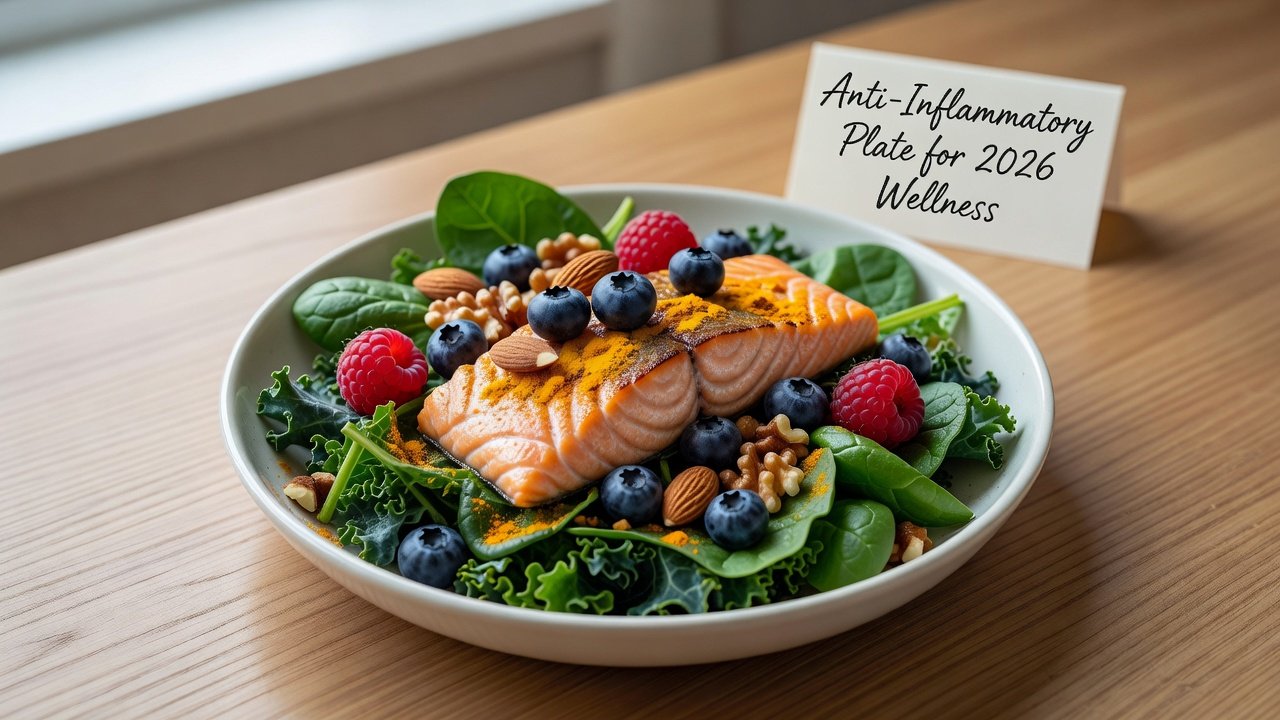
Antioxidants like vitamins C and E help combat oxidative stress in the lungs caused by environmental pollutants and everyday breathing. Foods rich in these include citrus fruits, bell peppers, almonds, and spinach. Omega-3 fatty acids from sources such as fatty fish, walnuts, or flaxseeds reduce inflammation in airway tissues, potentially easing breathing difficulties. Anti-inflammatory foods including turmeric, ginger, berries, and leafy greens further protect respiratory tissues by lowering cytokine levels. Research from the World Health Organization highlights how nutrient-rich diets mitigate pollution-related damage to lung capacity. Additional support comes from magnesium-rich foods like nuts, seeds, and dark chocolate, which aid bronchial relaxation, and vitamin D from fortified plant milks or sunlight exposure for immune modulation in the airways. Polyphenols found in green tea and apples provide extra cellular protection against free radicals. Incorporating these nutrients daily creates a foundation for stronger lung resilience over time.
Addressing Asthma and Pollution Exposure Through Diet
For asthma management, emphasize quercetin-rich foods like apples, onions, and capers to stabilize mast cells and reduce allergic responses. In high-pollution areas, increase intake of cruciferous vegetables such as broccoli, kale, and Brussels sprouts for their sulforaphane content that supports natural detoxification pathways in the lungs. These dietary approaches complement medical treatments by lowering systemic inflammation and improving overall oxygen exchange. Individuals living near urban centers or industrial zones may benefit from adding more beets and pomegranate for their nitrate and antioxidant properties that enhance blood flow to lung tissues. Monitoring personal triggers like dairy or processed sugars while boosting protective foods can lead to fewer flare-ups and better daily comfort.
Step-by-Step Process for Building Custom Nutrition Plans
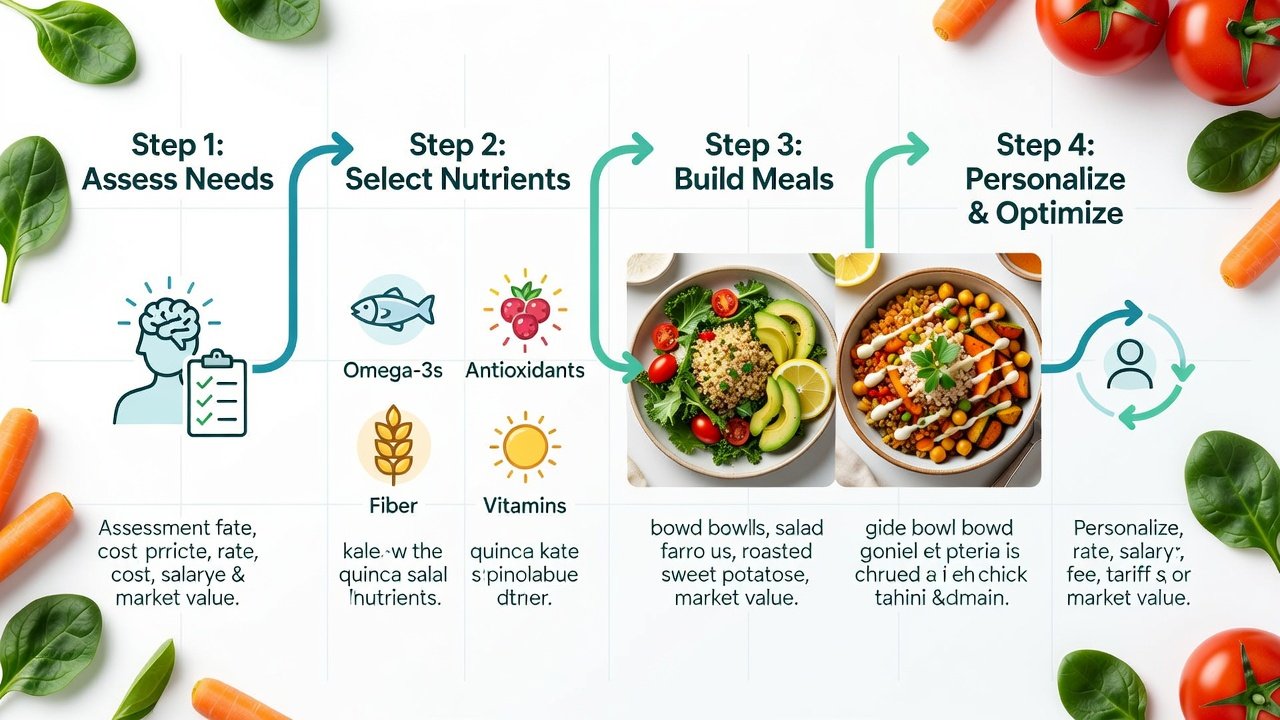
Creating a personalized plan starts with a thorough assessment. First, evaluate personal health goals, current diet patterns, and any respiratory triggers through a detailed two-week food and symptom diary. Second, identify key nutrient gaps using simple bloodwork or at-home symptom tracking apps that log energy levels and breathing ease. Third, select core food groups by prioritizing whole, minimally processed items such as fresh produce, whole grains, and quality proteins. Fourth, balance macronutrients with approximately 40-50% complex carbohydrates from oats and quinoa, 25-30% healthy fats from avocados and olive oil, and 20-25% protein from eggs, legumes, or lean meats. Fifth, adjust portions based on activity level and lifestyle factors, then test the plan consistently for four to six weeks before making refinements. Include weekly check-ins to note improvements in stamina or reduced coughing. This methodical approach ensures the plan remains adaptable and effective rather than overwhelming.
Sample Daily Meal Ideas and Weekly Variations
Breakfast ideas include oatmeal topped with berries, chia seeds, and a sprinkle of turmeric for an antioxidant boost, or a spinach smoothie with pineapple, ginger, and flaxseed. Lunch options feature grilled salmon salad with spinach, avocado, cherry tomatoes, and olive oil dressing, or a quinoa bowl with roasted vegetables, chickpeas, and lemon-tahini sauce. Dinner examples encompass stir-fried broccoli, carrots, and tofu with brown rice and fresh ginger, or baked chicken with sweet potatoes and a side of steamed kale drizzled in olive oil. Snacks can be a handful of almonds paired with an apple, or carrot sticks with hummus. For weekly variations, rotate proteins between plant-based and fish days, and experiment with seasonal produce like adding pumpkin in fall or asparagus in spring. These meals deliver targeted nutrients while remaining simple to prepare and beginner-friendly, providing roughly 2,000-2,200 calories depending on portion sizes.
Plant-Forward Versus Balanced Omnivore Options Compared
Plant-forward diets excel in fiber and antioxidant density, making them ideal for reducing chronic inflammation and supporting gut health that indirectly benefits the lungs, though they may require careful planning for vitamin B12 and iron. Balanced omnivore plans incorporate fatty fish twice weekly for direct omega-3 delivery and poultry for complete proteins, offering more flexibility for nutrient absorption without extensive supplementation. Pros of plant-forward include lower calorie density and environmental benefits, while omnivore options provide higher satiety from animal proteins. Choose based on personal preferences and ethical considerations—both approaches can equally support lung health when centered on whole foods and monitored for deficiencies through regular check-ups.
Practical Tracking Methods and Exercise Synergies
Effective tracking involves using smartphone apps to log meals, symptoms, and daily steps, combined with weekly metrics like peak flow readings or simple breathing tests. Maintain a journal noting energy, sleep quality, and any respiratory changes to spot patterns quickly. Synergies with exercise amplify results: pair nutrition with moderate activities like brisk walking, swimming, or yoga three to five times weekly. These combinations improve oxygen utilization, strengthen respiratory muscles, and further decrease inflammation markers. For example, consuming an omega-3 rich meal before a yoga session may enhance recovery and lung expansion. Beginners should start with 20-minute sessions and gradually increase intensity while staying hydrated with herbal teas or infused water.
Common Mistakes to Avoid
Many beginners overlook consistency, expecting overnight results instead of allowing four to eight weeks for noticeable changes. Another pitfall is neglecting hydration, which thickens mucus and hinders lung clearance—aim for at least eight glasses of water daily. Avoid extreme restrictions that eliminate entire food groups without professional guidance, as this can lead to imbalances. Finally, do not ignore environmental factors; combine diet with air purifiers or reduced outdoor time during high-pollution alerts for best outcomes.
FAQ
Are supplements necessary in these plans?
Whole foods remain the primary source of nutrients; however, supplements like omega-3 capsules or vitamin D may help bridge gaps if dietary intake is consistently low. Always consult a healthcare provider before starting any regimen to avoid interactions.
How should plans adjust for different seasons?
In winter months, boost vitamin D sources through fortified foods or mushrooms; during high-pollen spring and summer, emphasize local anti-inflammatory produce like cherries and cucumbers while staying extra hydrated. Fall and winter may call for warming spices such as cinnamon and cloves to support circulation.
What measurable outcomes can readers expect?
Improved daily energy, fewer asthma flares, better sleep quality, and increased endurance during physical activity typically appear within four to eight weeks of consistent adherence, with some noticing clearer breathing as early as two weeks.
Conclusion
Custom nutrition plans empower better respiratory wellness through targeted, sustainable eating habits that address both daily needs and long-term lung protection. Start with small, manageable changes, track progress diligently, and combine nutrition with supportive lifestyle factors like exercise for optimal results in 2026 and beyond. This approach fosters lasting habits that enhance overall quality of life.

No comments yet. Be the first!