 Func Eats
Introduction to Custom Nutrition for Chronic Fatigue
Chronic fatigue syndrome and general persistent tiredness impact millions worldwide, often leaving individuals struggling with low energy, brain fog, and reduced productivity. This comprehensive 2026 guide offers beginner-friendly yet in-depth strategies for developing custom nutrition plans specifically designed to relieve chronic fatigue. By addressing nutrient deficiencies, optimizing meal timing, and incorporating targeted foods, readers can achieve sustainable energy improvements. The focus remains on practical, evidence-based approaches that anyone can start implementing immediately, regardless of prior dietary knowledge.
The Science Linking Nutrient Timing and Deficiencies to Energy Levels
Scientific research consistently demonstrates strong connections between specific nutrient shortfalls and chronic fatigue. Deficiencies in B vitamins, particularly B12 and folate, impair red blood cell production and oxygen transport, leading to exhaustion. Iron levels below optimal ranges reduce hemoglobin efficiency, while magnesium shortages disrupt muscle and nerve function. Mitochondrial health plays a central role here, as these cellular powerhouses require steady supplies of nutrients to generate ATP, the body's primary energy currency. Nutrient timing further enhances outcomes: consuming complex carbohydrates in the morning supports glycogen stores, while pairing proteins with healthy fats in the afternoon stabilizes blood glucose and prevents mid-day crashes. According to resources from the National Institutes of Health, balanced micronutrient intake directly influences inflammatory pathways and hormonal balance that govern daily vitality. Understanding these mechanisms allows for precise dietary adjustments rather than generic advice.
Assessing Your Personal Nutrition Needs for Tailored Plans
Creating an effective custom plan begins with thorough self-assessment. Maintain a detailed food and symptom journal for seven to ten days, noting everything consumed alongside energy levels rated on a 1-10 scale at multiple points daily. Identify patterns such as post-meal slumps or recurring cravings that signal imbalances. Professional evaluation through bloodwork is essential—request panels checking vitamin D, ferritin, thyroid function, and complete blood count. Consider lifestyle factors including work schedule, exercise frequency, sleep quality, and any medications that might affect absorption. For example, shift workers may need adjusted timing for larger meals, while athletes require higher protein thresholds. This personalized data forms the blueprint for goal-based eating that targets individual deficiencies instead of one-size-fits-all diets.
Anti-Inflammatory Foods to Reduce Fatigue Triggers
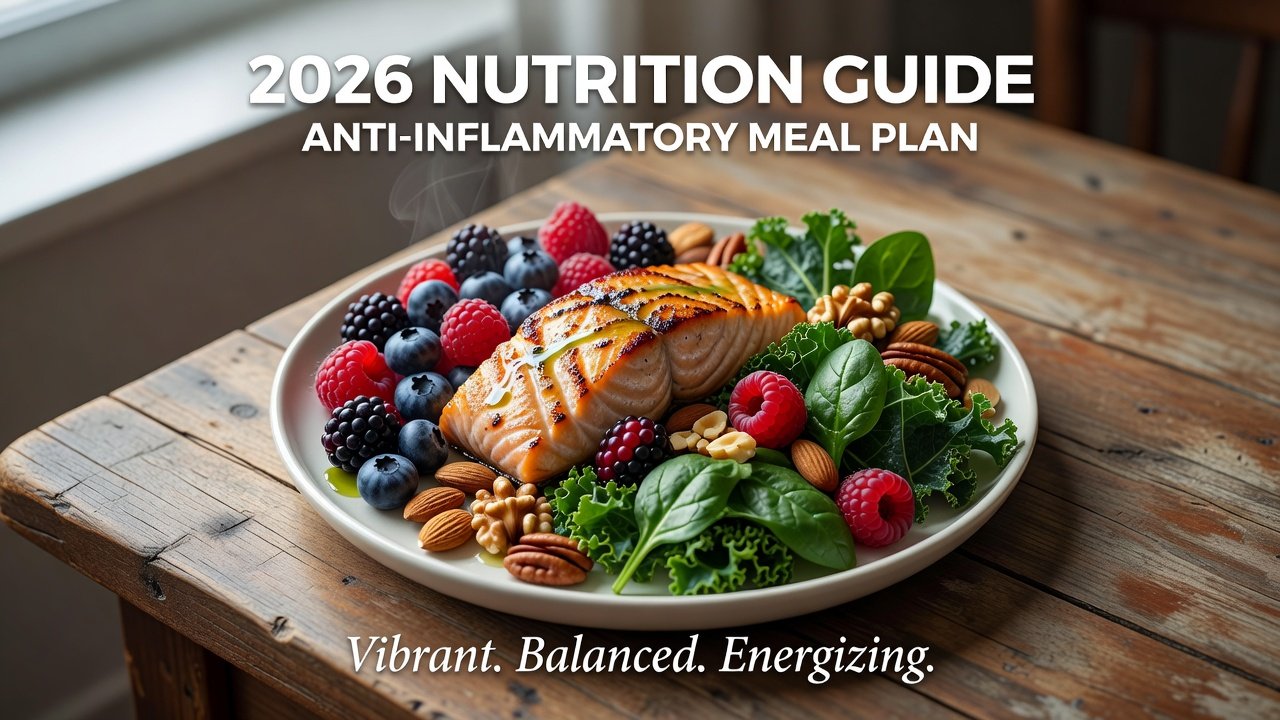
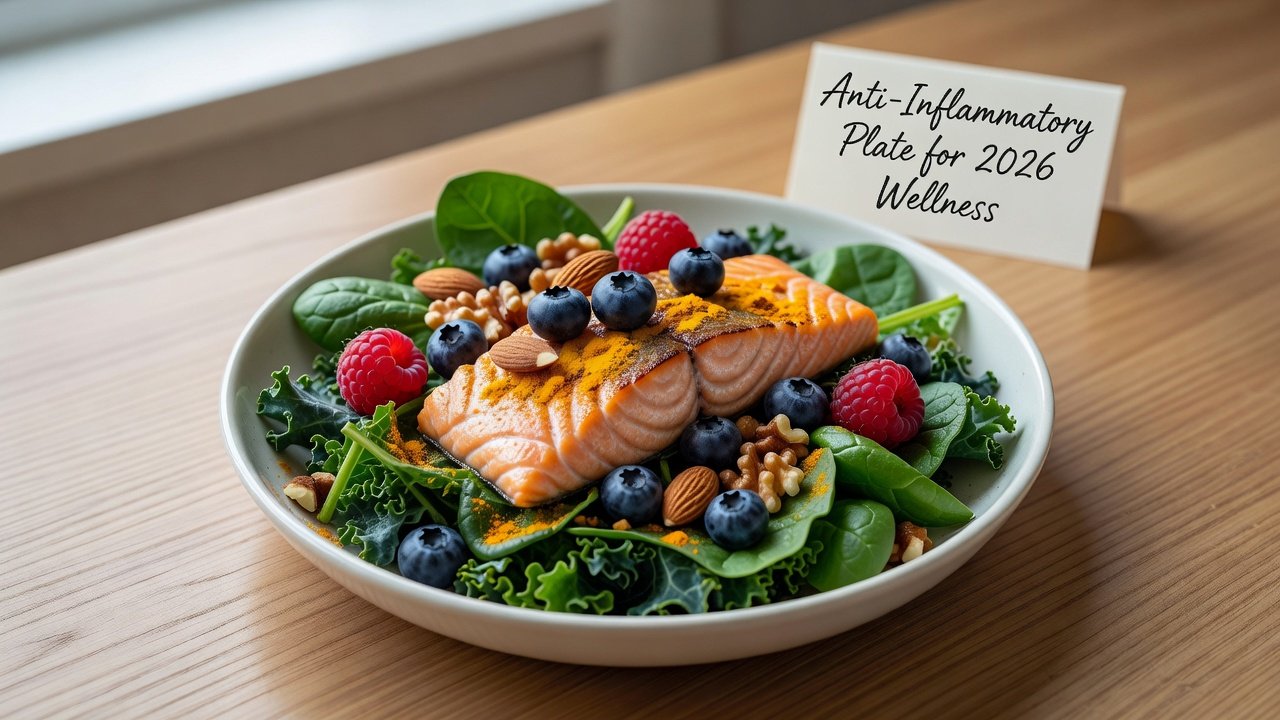
Chronic low-grade inflammation often underlies persistent tiredness, making anti-inflammatory nutrition a cornerstone strategy. Prioritize foods rich in antioxidants and omega-3 fatty acids such as wild-caught salmon, blueberries, turmeric, walnuts, and extra-virgin olive oil. Leafy greens like spinach and kale deliver magnesium and folate in bioavailable forms. Aim to include at least five servings of vibrant produce daily, rotating varieties to maximize nutrient diversity. Practical examples include starting the day with a berry-spinach smoothie or adding turmeric to roasted vegetables at dinner. These choices not only lower inflammatory markers but also support gut health, which influences energy through the microbiome. Over time, consistent intake can noticeably decrease joint aches and mental fatigue associated with systemic inflammation.
Macronutrient Balancing for Sustained Daily Energy
Proper macronutrient distribution prevents the rollercoaster of energy highs and lows. Target roughly 45-65% of calories from complex carbohydrates sourced from oats, quinoa, and sweet potatoes to fuel brain function without spikes. Allocate 20-35% to healthy fats including avocados and nuts for hormone production and satiety. Proteins should comprise 10-35%, emphasizing sources like eggs, legumes, and lean poultry to repair tissues and maintain muscle mass. For fatigue relief specifically, front-load carbohydrates at breakfast, incorporate a mid-morning protein snack, and balance dinner with equal parts vegetables and protein. Sample calculations for a 2000-calorie day might include 225 grams of carbs, 70 grams of fat, and 100 grams of protein, adjusted based on personal assessment results.
Hydration Protocols and Their Role in Energy Maintenance
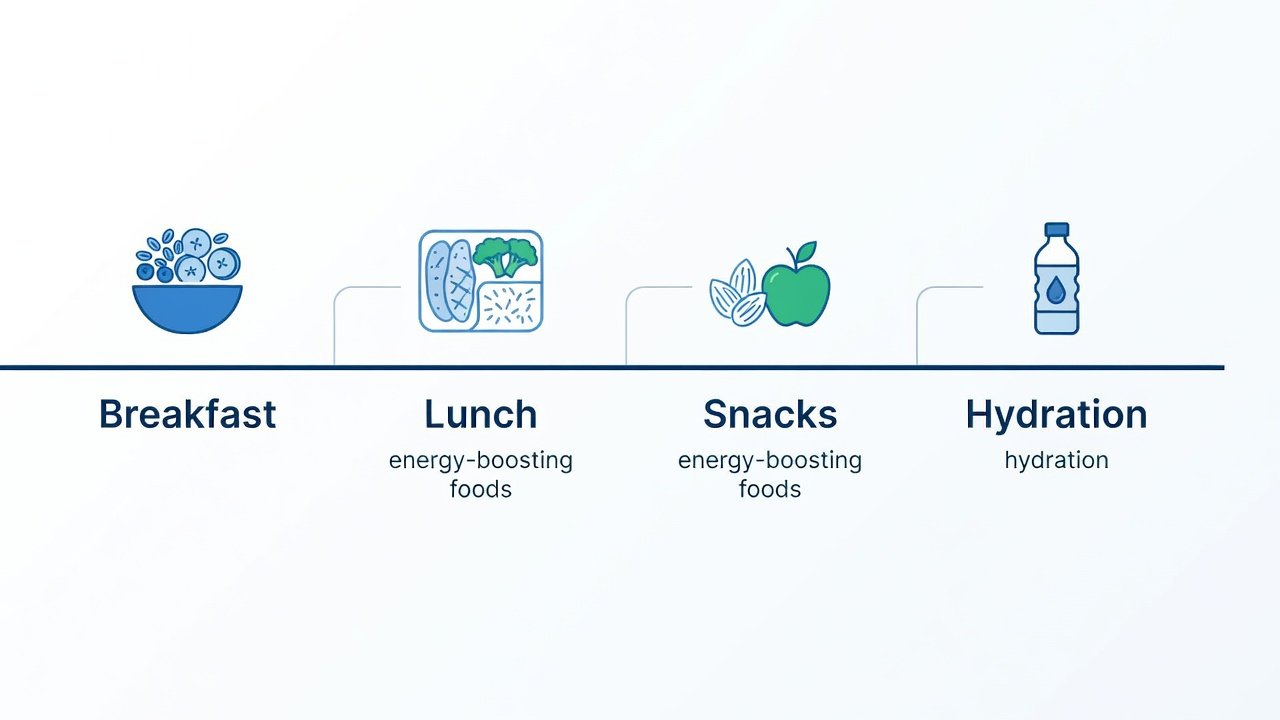
Even mild dehydration reduces cognitive performance and physical stamina by up to 20 percent. Establish a structured hydration protocol of 2.5 to 3.5 liters of water daily, distributed across waking hours rather than consumed in large volumes at once. Enhance absorption by adding electrolyte sources such as cucumber slices, citrus, or a small amount of natural sea salt during warmer months or after activity. Track progress through consistent urine color monitoring—pale yellow indicates adequate hydration. Integrate herbal teas and water-rich foods like cucumbers and watermelon to meet targets without monotony. This simple yet often overlooked element amplifies the benefits of all other dietary changes.
Sample 7-Day Meal Ideas Tailored to Different Lifestyles
These adaptable meal plans accommodate varying activity levels while emphasizing fatigue-fighting ingredients. For sedentary individuals: Day 1 features overnight oats with chia seeds and blueberries for breakfast, a lentil salad with olive oil dressing for lunch, and baked salmon with broccoli for dinner. Day 2 includes a spinach omelet, quinoa vegetable bowl, and turkey lettuce wraps. Active lifestyles benefit from increased portions and added snacks like Greek yogurt with almonds on Day 3, grilled chicken sweet potato plates on Day 4, and smoothie bowls with protein powder on Day 5. Days 6 and 7 rotate options such as avocado toast variations, bean-based stews, and fish tacos, always incorporating anti-inflammatory spices. Modify quantities according to hunger cues and energy tracking results for optimal personalization.
Comparing Popular Diet Frameworks for Chronic Fatigue Relief
Several established eating patterns offer potential benefits, yet custom plans outperform rigid frameworks. The Mediterranean diet stands out for its emphasis on whole foods and healthy fats, consistently linked to lower fatigue scores in observational studies. Intermittent fasting can improve metabolic flexibility for some but risks energy dips if not carefully timed around nutrient-dense meals. Paleo-style approaches reduce processed items yet may limit beneficial grains for active people. Plant-based options excel in fiber content but require attention to B12 and iron sources. Test compatibility through short trials while monitoring symptoms, always prioritizing sustainability over trends.
Expert Tips, Common Mistakes to Avoid, and Tracking Progress
Nutrition professionals advise introducing one or two changes weekly to build lasting habits, such as swapping refined snacks for nuts or prepping vegetables in advance. Use digital apps to log meals alongside daily energy ratings and sleep duration for objective feedback. Re-evaluate progress monthly and tweak macros or food choices accordingly. Avoid common pitfalls like skipping breakfast, relying on caffeine alone, or eliminating entire food groups without testing. For additional authoritative guidance, explore materials from the Mayo Clinic and the World Health Organization. Consistency combined with patience yields the most reliable energy gains.
Frequently Asked Questions on Custom Nutrition Plans
How soon can improvements appear? Most individuals report noticeable energy stabilization within two to four weeks of consistent adherence. Can supplements substitute for whole foods? Whole foods remain the foundation; supplements address confirmed gaps only after professional testing. Is this approach suitable across age groups? Yes, with appropriate medical supervision for younger or older populations. What if dietary changes conflict with existing conditions? Always consult a physician before major shifts. How should progress be measured beyond energy scales? Track sleep quality, mood stability, and frequency of afternoon slumps for comprehensive insight.
Conclusion
Custom nutrition plans represent a powerful, accessible tool for overcoming chronic fatigue through targeted dietary strategies. By integrating scientific principles with personalized assessment, anti-inflammatory emphasis, balanced macros, and hydration focus, sustainable relief becomes achievable. Begin with a simple journal today and build momentum through incremental, measurable steps toward renewed vitality and improved quality of life.

No comments yet. Be the first!